
abrupt
US /əˈbrʌpt/
UK /əˈbrʌpt/
- Adjective
- Very sudden, often in a bad way
B1Moreadvantageous
US /ˌædvænˈtedʒəs, -vən-/
UK /ˌædvənˈteɪdʒəs/
- Adjective
- Being likely to benefit a person
B1Morealong with
US /əˈlɔŋ wɪð/
UK /əˈlɔŋ wið/
- Preposition
- In addition to; together with.
- Adverb
- In company or together with someone or something.
- Including; in addition to.
A2Moreaquifer
US /ˈækwəfɚ, ˈɑkwə-/
UK /ˈækwɪfə(r)/
- Noun
- Water-bearing layer of rock, sand, or gravel
B2Morebarefoot
US /ˈbɛrfʊt/
UK /'beəfʊt/
- Adjective
- (Walking) without shoes
C2Morebase
US /bes/
UK /beɪs/
- Noun (Countable/Uncountable)
- Place military personnel live, train, and operate
- Bottom part of an object that touches a surface
- Transitive Verb
- To use as the starting point or origin for
- To have as the main location for (company, etc.)
A2TOEICMorebased on
US
UK
- Phrasal Verb
- To use something as the foundation or starting point for something else.
- Preposition
- Using something as the main idea or foundation.
- Relying on something as evidence or justification.
A1Morebasin
US /ˈbesɪn/
UK /'beɪsn/
- Noun (Countable/Uncountable)
- A sink; a place in a bathroom to wash your face
- Hollow place created naturally to contain water
B1Morebelow the surface
US /bəˈloʊ ðə ˈsɝfɪs/
UK /bɪˈləu ðə ˈsɜ:fɪs/
- other
- Hidden emotions or issues not immediately visible.
B2Morebleach
US /blitʃ/
UK /bli:tʃ/
- Uncountable Noun
- Chemical that disinfects and whitens
- Transitive Verb
- To use a chemical that disinfects and whitens
- To make (e.g. hair) lighter in color; lighten
B2Moreblow
US /blo/
UK /bləʊ/
- Verb (Transitive/Intransitive)
- To move something using air
- To make air come quickly out of your mouth
- Noun
- Something that causes you difficulty or sadness
- Act of making air come out of your mouth
A2Moreblow away
US /blo əˈwe/
UK /bləu əˈwei/
- Phrasal Verb
- To completely beat or defeat someone, or kill them
- To amaze someone, e.g. by great performance
- Transitive Verb
- To impress someone greatly.
- To defeat someone easily.
A2Morebrush away
US /brʌʃ əˈweɪ/
UK /brʌʃ əˈweɪ/
- other
- To remove something by sweeping or wiping with a brush or hand.
A2Morebuttock
US /ˈbʌtək/
UK /ˈbʌtək/
- Noun
- Fleshy part of the human body that you sit on
B2Moreclay
US /kle/
UK /kleɪ/
- Uncountable Noun
- Heavy sticky earth used to make pottery
- Proper Noun
- Person's name
B1Morecome from
US /kʌm frʌm/
UK /kʌm frɔm/
- Phrasal Verb
- To have as your native country or city
A1Moredefy
US /dɪˈfaɪ/
UK /dɪ'faɪ/
- Transitive Verb
- To refuse to obey; be resistant to
B1Moredesert
US /ˈdɛzət/
UK /'dezət/
- Transitive Verb
- To leave a place for ever; abandon
- To leave when one is needed or expected to stay
- Noun (Countable/Uncountable)
- Bare area of land, often with few plants and water
- A punishment or reward that is deserved.
A2Moredoom
US /dum/
UK /du:m/
- Noun (Countable/Uncountable)
- Certain of the failure or destruction of
- Very bad, unhappy future event or situation
- Transitive Verb
- To make failure, defeat or death certain for
B2Moredue to
US /du tu/
UK /dju: tu:/
- Preposition
- Because of; owing to
- Adjective
- Attributable to; caused by.
A1Moredwell
US /dwɛl/
UK /dwel/
- Intransitive Verb
- To live in a certain place
- To think or talk a lot about something, especially something unpleasant.
B1TOEICMoreessentially
US /ɪˈsenʃəli/
UK /ɪˈsenʃəli/
- Adverb
- Basically; (said when stating the basic facts)
- Used to emphasize the basic truth or fact of a situation.
A2Moreevaporate
US /ɪˈvæpəˌret/
UK /ɪˈvæpəreɪt/
- Intransitive Verb
- To pass off or away; to disappear
- Transitive Verb
- To change from a liquid into a gaseous state
B2Moreeyesight
US /ˈaɪˌsaɪt/
UK /ˈaɪsaɪt/
- Noun
- Normal use of the faculty of vision
B2Morefalls over
US
UK
- Phrasal Verb
- To fall on the ground from a standing position
A1Morefrantically
US /ˈfræntɪklɪ/
UK /'fræntɪklɪ/
- Adverb
- In a frenzied, wildly excited or worried way
B2Moreget back to
US /ɡɛt bæk tu/
UK /ɡet bæk tu:/
- Phrasal Verb
- To get in contact with someone again
- To return to someone or something; to respond at a later time.
A1Moregiant
US /ˈdʒaɪənt/
UK /'dʒaɪənt/
- Countable Noun
- Tall, large, and powerful human-like creatures
- Very successful, powerful person or organization
- Adjective
- Very large, or much bigger than other things
A2Morego on
US /ɡo ɑn/
UK /ɡəu ɔn/
- Phrasal Verb
- To continue doing something
- To happen (usually negative)
- Interjection
- Used to encourage someone
A1Moregoing on
US /ˈɡoɪŋ ɑn/
UK /ˈgəʊɪŋ ɔn/
- Phrasal Verb
- To continue doing something
- To happen (usually negative)
A1Moregorgeous
US /ˈɡɔrdʒəs/
UK /'ɡɔ:dʒəs/
- Adjective
- Extremely attractive; richly beautiful
- Delightfully enjoyable or pleasant.
B1Moregot to
US /ɡɑt tu/
UK /gɔt tu:/
- Verb (Transitive/Intransitive)
- To arrive at some place
- To have the opportunity or permission to do something
- Phrasal Verb
- To appeal to the emotions of; move
- To finally begin to start something after a delay
A1Moregypsum
US
UK
- Uncountable Noun
- Whitish mineral used to make cements and plasters
C2Morehave to
US /hæv tu/
UK /ˈhæv tə/
- Auxiliary Verb
- Must do
A1Morehike
US /haɪk/
UK /haɪk/
- Noun
- Large and unexpected increase in price, level etc.
- A long walk in mountains, etc. for exercise
- Intransitive Verb
- To make a large and unexpected increase in a price
- To take a long walk in mountains etc. for exercise
B1Morehistory
US /ˈhɪstəri/
UK /'hɪstrɪ/
- Noun (Countable/Uncountable)
- Established pattern or record
- Study of past events as an academic subject
A2Morein color
US
UK
- Phrase
- Displayed or produced using all colors; not black and white.
- Adjective
- Full of vivid colors; bright and vibrant.
A1Morein the middle of
US
UK
- Phrase
- In the central part or point of something.
- Engaged or occupied with something.
A2Morein the world
US /ɪn ði wɜrld/
UK /in ðə wɜː(r)ld/
- Phrase
- Used to emphasize a question expressing surprise, confusion, or disbelief.
- Used to indicate the extent or degree of something, often in a superlative sense.
A1Morein time
US /ɪn taɪm/
UK /in taim/
- Adverb
- Eventually; after a period of time.
- Not late; with enough time to spare.
- Phrase
- Eventually; before it is too late.
- According to the scheduled time; punctual.
A1Moreinspect
US /ɪnˈspɛkt/
UK /ɪnˈspekt/
- Transitive Verb
- To look at or examine carefully
A2TOEICMorejut out
US
UK
- Phrasal Verb
- To extend outward beyond a main surface or line.
live on
US
UK
- Phrasal Verb
- To continue to exist or be remembered.
- To eat a particular type of food as the main thing.
lizard
US /ˈlɪzərd/
UK /ˈlɪzəd/
- Noun
- Reptile with scales and a long body and tail
B2Moremammoth
US /ˈmæməθ/
UK /ˈmæməθ/
- Noun (plural)
- Large extinct animal resembling a hairy elephant
- Adjective
- Huge in size
B2Moremoisture
US /ˈmɔɪstʃɚ/
UK /'mɔɪstʃə(r)/
- Uncountable Noun
- Small amount of wetness that can be felt
B1Moremove on
US /muv ɑn/
UK /mu:v ɔn/
- Phrasal Verb
- To decide to change or go to a different place
- To start talking about something different.
A1Moremove up
US /muv ʌp/
UK /mu:v ʌp/
- Phrasal Verb
- To advance to a higher rank or position.
- To advance in a line or queue.
B1Moremuch lighter
US
UK
- Adjective
- Considerably less heavy.
- Considerably less dark in color.
A1Moremutation
US /mjuˈteʃən/
UK /mju:'teɪʃn/
- Noun
- Change that changes genetic structure
B2Moreoff of
US /ɔf ʌv/
UK /ɔf ɔv/
- Preposition
- From a position on something; down from.
A1Moreon earth
US /ɑn ɚθ/
UK /ɔn ə:θ/
- Phrase
- Used to emphasize a question expressing surprise or anger.
- Used to emphasize that something is not possible or will not happen.
A1Moreon the other hand
US
UK
- Phrase
- Considering a different aspect of the matter; alternatively.
A1Moreon the surface
US /ɑn ði ˈsɚfəs/
UK /ɔn ðə ˈsə:fis/
- Phrase
- Appearing to be true or real until examined more closely.
- Located on the outer part or uppermost layer of something.
B2Moreoutside of
US /aʊtˈsaɪd ʌv/
UK /ˌautˈsaid ɔv/
- Preposition
- Located or situated beyond the boundaries or confines of something.
- Beyond the scope, range, or limits of something.
A1Morepedestal
US /ˈpɛdɪstəl/
UK /'pedɪstl/
- Noun
- Support or base as for a pillar or statue
B2Moreper year
US
UK
- Phrase
- For each year; annually.
A2Moreplanet
US /ˈplænɪt/
UK /'plænɪt/
- Noun (Countable/Uncountable)
- One of the bodies that orbit the sun
- A different world or sphere of existence.
- Proper Noun
- The earth.
A2Moreplaster
US /ˈplæstɚ/
UK /'plɑ:stə(r)/
- Uncountable Noun
- Substance used to cover walls to make them smooth
- Transitive Verb
- To cover something with plaster
- To cover surfaces with papers, photos, posters etc.
B2Morepreserve
US /prɪˈzɜ:rv/
UK /prɪˈzɜ:v/
- Transitive Verb
- To cook food so it can be kept for long periods
- To protect something from harm, loss or damage
- Noun (Countable/Uncountable)
- Sweet fruit spread; jam
- Protected area of land with plants and animals
B1TOEICMoreprove
US /pruv/
UK /pru:v/
- Transitive Verb
- To demonstrate truth by providing evidence
- To test the quality or worth of something.
- Intransitive Verb
- To turn out to be; be found to be.
A2TOEICMoreroam
US /rom/
UK /rəʊm/
- Intransitive Verb
- To move about freely without a set destination
B1Moresand
US /sænd/
UK /sænd/
- Uncountable Noun
- Area composed of tiny pieces of rock near an ocean
- Small pieces of rock that make beaches and deserts
- Transitive Verb
- To cover a surface with grit e.g. roads
- To smoothen a surface with sandpaper
A2Morescatter
US /ˈskætɚ/
UK /'skætə(r)/
- Verb (Transitive/Intransitive)
- To throw or move into various different directions
- Transitive Verb
- To place or leave things in various places
B2Morescratch
US /skrætʃ/
UK /skrætʃ/
- Verb (Transitive/Intransitive)
- To rub your skin with your nails to stop an itch
- To make a small cut or mark on a surface
- Noun
- Action of rubbing your skin when itchy
- A small cut or mark on a surface
B1TOEICMoresediment
US /ˈsɛdəmənt/
UK /ˈsedɪmənt/
- Uncountable Noun
- Material that settles to the bottom of a liquid
B2Moresee in
US /si ɪn/
UK /si: in/
- Phrasal Verb
- To accompany someone to the entrance of a building or room.
A1Moreskunk
US
UK
- Noun
- Animal that emits a bad smell when frightened
- Transitive Verb
- To defeat someone or a team overwhelmingly
C1Moresloth
US /slɔθ, sloθ, slɑθ/
UK /sləʊθ/
- Noun
- Someone not wanting to work because they are lazy
C1Moresoft
US /sɔft, sɑft/
UK /sɒft/
- Adjective
- Having flowing curves rather than sharp edges
- Easy to press, bend or cut; not hard or firm
A2Morestalk
US /stɔk/
UK /stɔ:k/
- Countable Noun
- Thin part of a plant that allows it to stand
- Transitive Verb
- To secretly follow or watch a person/animal
B1Moresubstance
US /ˈsʌbstəns/
UK /'sʌbstəns/
- Uncountable Noun
- Essence of; most basic or central qualities
- Particular type of material
A2Moresurface
US /ˈsɚfəs/
UK /'sɜ:fɪs/
- Transitive Verb
- To give (road) a top layer
- Intransitive Verb
- To appear after being hidden, unseen, or unknown
- To come to the top of something; emerge
A2TOEICMoretail
US /tel/
UK /teɪl/
- Countable Noun
- Extended part at the back of an animal's body
- Noun
- Back or last part of something e.g. shirt
A2Moreto do with
US
UK
- Phrasal Verb
- To be about something; concern
A1Moretoddler
US /ˈtɑdlɚ/
UK /ˈtɒdlə(r)/
- Countable Noun
- Young child learning to walk
C2Moreunique
US /juˈnik/
UK /jʊ'ni:k/
- Adjective
- Unlike other things; being the only one like it
- Remarkably special or unusual.
A2TOEICMoreweird
US /wɪrd/
UK /wɪəd/
- Adjective
- Odd or unusual; surprising; strange
- Eerily strange or disturbing.
B1Morewhip
US /hwɪp, wɪp/
UK /wɪp/
- Transitive Verb
- To defeat thoroughly or easily
- To beat with a type of long rope
- Countable Noun
- A long rope used to hit people or animals
B1Moreyonder
US /ˈjɑ:ndə(r)/
UK /ˈjɒndə(r)/
- Adjective
- Distant but within sight
C1More
Vocabulary
- on earth: Used to emphasize a question expressing surprise or anger.
- in the world: Used to emphasize a question expressing surprise, confusion, or disbelief.
- off of: From a position on something; down from.
- have to: Must do
- based on: To use something as the foundation or starting point for something else.
- come from: To have as your native country or city
- in the middle of: In the central part or point of something.
- jut out: To extend outward beyond a main surface or line.
- below the surface: Hidden emotions or issues not immediately visible.
- on the surface: Appearing to be true or real until examined more closely.
- brush away: To remove something by sweeping or wiping with a brush or hand.
- blow away: To completely beat or defeat someone, or kill them
- per year: For each year; annually.
- move up: To advance to a higher rank or position.
- got to: To arrive at some place
- going on: To continue doing something
- to do with: To be about something; concern
- get back to: To get in contact with someone again
- move on: To decide to change or go to a different place
- falls over: To fall on the ground from a standing position
- on the other hand : Considering a different aspect of the matter; alternatively.
- live on: To continue to exist or be remembered.
- outside of: Located or situated beyond the boundaries or confines of something.
- due to: Because of; owing to
- see in: To accompany someone to the entrance of a building or room.
- in color: Displayed or produced using all colors; not black and white.
- much lighter: Considerably less heavy.
- in time: Eventually; after a period of time.
- go on: To continue doing something
- along with: In addition to; together with.
- weird: Odd or unusual; surprising; strange
- essentially: Basically; (said when stating the basic facts)
- gorgeous: Extremely attractive; richly beautiful
- scratch: To rub your skin with your nails to stop an itch
- unique: Unlike other things; being the only one like it
- substance: Essence of; most basic or central qualities
- mutation: Change that changes genetic structure
- behavior: The way a person or thing acts; manner
- preserve: To cook food so it can be kept for long periods
- surface: To give (road) a top layer
- giant: Tall, large, and powerful human-like creatures
- planet: One of the bodies that orbit the sun
- create: To make, cause, or bring into existence
- blow: To move something using air
- roam: To move about freely without a set destination
- moisture: Small amount of wetness that can be felt
- ground: To break (coffee, etc.) into tiny bits with machine
- doom: Certain of the failure or destruction of
- whip: To defeat thoroughly or easily
- prove: To demonstrate truth by providing evidence
- defy: To refuse to obey; be resistant to
- dwell: To live in a certain place
- leave: To go away from; depart
- toddler: Young child learning to walk
- desert: To leave a place for ever; abandon
- place: To put someone in a particular type of situation
- evaporate: To pass off or away; to disappear
- stalk: Thin part of a plant that allows it to stand
- continue: To do something without stopping, or after pausing
- bleach: Chemical that disinfects and whitens
- support: To give assistance or advice to someone
- frantically: In a frenzied, wildly excited or worried way
- pedestal: Support or base as for a pillar or statue
- clay: Heavy sticky earth used to make pottery
- scatter: To throw or move into various different directions
- abrupt: Very sudden, often in a bad way
- change: To exchange one set of clothes for another
- land: Region or country
- space: Empty area kept for a specific reason, like a car
- hard: Difficult to do; difficult to understand
- inspect: To look at or examine carefully
- wind: A current of air moving approximately horizontally, especially one strong enough to be felt
- part: Division of a book
- basin: A sink; a place in a bathroom to wash your face
- interesting: Taking your attention; making you want to know
- understand: To know the meaning of language, what someone says
- lizard: Reptile with scales and a long body and tail
- base: Place military personnel live, train, and operate
- sand: Area composed of tiny pieces of rock near an ocean
- tail: Extended part at the back of an animal's body
- sloth: Someone not wanting to work because they are lazy
- hike: Large and unexpected increase in price, level etc.
- soft: Having flowing curves rather than sharp edges
- history: Established pattern or record
- advantageous: Being likely to benefit a person
- plaster: Substance used to cover walls to make them smooth
- sediment: Material that settles to the bottom of a liquid
- barefoot: (Walking) without shoes
- eyesight: Normal use of the faculty of vision
- mammoth: Large extinct animal resembling a hairy elephant
- skunk: Animal that emits a bad smell when frightened
- buttock: Fleshy part of the human body that you sit on
- aquifer: Water-bearing layer of rock, sand, or gravel
- yonder: Distant but within sight
- gypsum: Whitish mineral used to make cements and plasters
Get the full experience in the app
Learn anywhere with detailed sentence and usage analysis
01:03
She took a brave step forward, leaving behind her comfort zone to chase her dreams.
Vocabulary
- brave
adj. Having courage
- comfort zone
phr. A familiar situation where one feels safe
Explanation
a brave step is a noun phrase, where brave is an adjective modifying the noun step, meaning "a courageous step".
forward is an adverb modifying step, meaning "ahead".
The whole phrase serves as the object, answering the "what" of took (verb) — she took a brave step forward.
Get the full experience in the app
Look up words anytime with pronunciation, part of speech, and usage
brave
US/brev/
UK/breɪv/
adj.Brave
v.t.To bravely face
A2 Elementary
Get the full experience in the app
Practice speaking anytime and get instant pronunciation feedback
Try this speaking exercise.
Try practicing with this sentence.
80
0
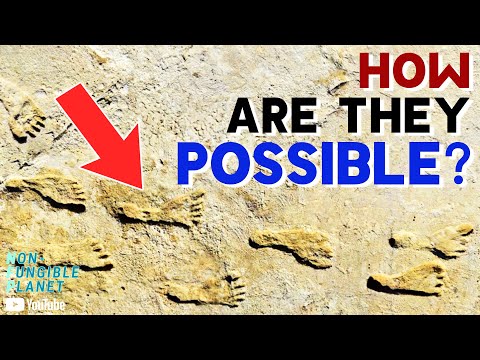
林宜悉 posted on 2026/04/04Ever wondered about the biggest mysteries in human history? This video dives into the incredible discoveries at White Sands National Park, revealing ancient footprints and fascinating geological formations. You'll pick up some awesome new vocabulary related to science and nature while exploring this unique desert landscape!
Learn this video on the APP!
The VoiceTube App has more in-depth practice for videos!