
affect
US /əˈfɛkt/
UK /ə'fekt/
- Transitive Verb
- To cause a change in something else
- To pretend to have or feel (something).
- Noun
- (Psychology) Emotion or feeling.
A2TOEICMorealong with
US /əˈlɔŋ wɪð/
UK /əˈlɔŋ wið/
- Preposition
- In addition to; together with.
- Adverb
- In company or together with someone or something.
- Including; in addition to.
A2Moreapocalyptic
US /əˌpɑkəˈlɪptɪk/
UK /əˌpɒkəˈlɪptɪk/
- Adjective
- Involving great disaster or destruction
- Describing or prophesying the end of the world.
B2Morearray
US /ə'reɪ/
UK /əˈreɪ/
- Noun
- A regular order or arrangement of things
- Transitive Verb
- To arrange things in a regular order
B2TOEICMoreas we know it
US /əz wi no ɪt/
UK /əz wi nəu ɪt/
- other
- In the form or way commonly understood or accepted.
B2Moreat home
US /æt hom/
UK /æt həum/
- Phrase
- In one's own residence or country.
- Adjective
- Feeling comfortable and relaxed.
at work
US /æt wɚk/
UK /æt wə:k/
- Phrase
- Located at one's place of employment
A1Morebased on
US
UK
- Phrasal Verb
- To use something as the foundation or starting point for something else.
- Preposition
- Using something as the main idea or foundation.
- Relying on something as evidence or justification.
A1Morebasically
US /ˈbesɪkəli,-kli/
UK /ˈbeɪsɪkli/
- Adverb
- Used before you explain something simply, clearly
- In essence; when you consider the most important aspects of something.
A2Moreblackout
US /ˈblækˌaʊt/
UK /'blækaʊt/
- Noun
- When the electric power is off; outage
- A temporary loss of consciousness, sight, or memory.
C1Morebreak with
US /brek wɪð/
UK /breik wið/
- Phrasal Verb
- To end a relationship or association.
- To publicly disagree with or separate from a group or organization.
A2Moreclimate
US /ˈklaɪmɪt/
UK /ˈklaɪmət/
- Noun (Countable/Uncountable)
- Typical weather conditions in a particular place
- The general attitudes, feelings, or opinions that people have at a particular time.
A2Morecome together
US /kʌm təˈɡɛðɚ/
UK /kʌm təˈɡeðə/
- Phrasal Verb
- To assemble or unite; to start working together.
- To form a close relationship or bond.
A1Morecomplete picture
US
UK
- Noun
- A thorough and comprehensive understanding of a situation or event.
critical
US /ˈkrɪtɪkəl/
UK /ˈkrɪtɪkl/
- Adjective
- Making a negative judgment of something
- Being important or serious; vital; dangerous
A2Moredire
US /daɪr/
UK /ˈdaɪə(r)/
- Adjective
- (E.g. of consequences) very serious
B2Moredisaster
US /dɪˈzæstɚ, -ˈsæs-/
UK /dɪ'zɑ:stə(r)/
- Noun (Countable/Uncountable)
- State of extreme ruin and misfortune
- A complete failure.
- Uncountable Noun
- A situation that has gone terribly wrong.
A2Morediving
US
UK
- Intransitive Verb
- To swim deep under water with an air supply
- To rapid fall through air
- Uncountable Noun
- Act of swimming underwater
B1Moredo in
US
UK
- Phrasal Verb
- To make completely tired out and exhausted
- To destroy or cause damage to someone
A1Moreearthquake
US /ˈɜ:rθkweɪk/
UK /ˈɜ:θkweɪk/
- Noun (Countable/Uncountable)
- Heavy shaking of the ground due to natural forces
- A series of vibrations in the earth caused by the abrupt movement of rock far below the surface
B1Moreemergency response
US
UK
- Noun (Countable/Uncountable)
- The actions taken to deal with an unexpected and dangerous event.
- Immediate medical assistance given in an emergency situation.
B1Moreenergy
US /ˈɛnədʒi/
UK /'enədʒɪ/
- Noun (Countable/Uncountable)
- Physical or mental strength
- Enthusiasm and determination.
A2Moreepisode
US /ˈɛpɪˌsod/
UK /'epɪsəʊd/
- Noun
- One separate event in a series of events
- Show which is part of a larger story
B1TOEICMoreequivalent
US /ɪˈkwɪvələnt/
UK /ɪˈkwɪvələnt/
- Adjective
- Equal to something in value, use or meaning
- Having the same meaning or significance.
- Noun
- Thing like another in quality, quantity or degree
B1TOEICMoreexacerbate
US /ɪɡˈzæsɚˌbet/
UK /ɪɡ'zæsəbeɪt/
- Transitive Verb
- To increase the severity or bitterness of
B2Moreexposure
US /ɪkˈspoʒɚ/
UK /ɪk'spəʊʒə(r)/
- Noun
- Allowing light through a cameras lens onto film
- Being talked about in the media
A2TOEICMorefault
US /fɔlt/
UK /fɔ:lt/
- Noun (Countable/Uncountable)
- A failure or negative aspect of
- Crack in the earth where earthquakes can happen
- Transitive Verb
- To blame someone, something for a negative result
A2Moreflood
US /flʌd/
UK /flʌd/
- Verb (Transitive/Intransitive)
- To quickly appear unexpectedly and in volume
- (Of liquid) to fill or cover something completely
- Noun (Countable/Uncountable)
- A quick unexpectedly volume of something
- Large number of people or things arriving at once
B1Morefuel
US /ˈfjuəl/
UK /'fju:əl/
- Transitive Verb
- To give power to (a mob, anger, etc.); incite
- To provide gas or petrol for something
- Uncountable Noun
- Material used to produce heat or power when burned
A2TOEICMorego on
US /ɡo ɑn/
UK /ɡəu ɔn/
- Phrasal Verb
- To continue doing something
- To happen (usually negative)
- Interjection
- Used to encourage someone
A1Morehazard
US /ˈhæzəd/
UK /'hæzəd/
- Noun (Countable/Uncountable)
- Something that is dangerous and causes problems
- Something that is dangerous and likely to cause damage.
- Verb (Transitive/Intransitive)
- To try, with the risk of being wrong or losing
B1TOEICMorehazardous
US /ˈhæzədəs/
UK /'hæzədəs/
- Adjective
- Involving danger, risk, and potential damages
- Relating to substances or conditions that can cause harm to people or the environment.
B1TOEICMorehead out
US /hɛd aʊt/
UK /hed aut/
- Phrasal Verb
- To leave a place; depart
A1Morehub
US /hʌb/
UK /hʌb/
- Noun (Countable/Uncountable)
- Center of action or interest
- Central part of a wheel
B1Morein part
US /ɪn pɑrt/
UK /in pɑ:t/
- Adverb
- To some extent; partially.
A1Morein the first place
US
UK
- Phrase
- To begin with; as the first point or consideration.
- From the beginning; initially.
A1Moreinfrastructure
US /ˈɪnfrəˌstrʌktʃɚ/
UK /'ɪnfrəstrʌktʃə(r)/
- Uncountable Noun
- Basic necessary equipment for a country or region
- The underlying framework or system of an organization.
B1Moreinhalation
US /ˌɪnhəˈleʃən/
UK /ˌɪnhə'leɪʃn/
- Uncountable Noun
- Act of breathing
B2Moreinside of
US /ɪnˈsaɪd ʌv/
UK /inˈsaid ɔv/
- Preposition
- Within; in the inner part of.
- Within a certain period of time.
A1Morelight on
US /laɪt ɑn/
UK /lait ɔn/
- Phrasal Verb
- To illuminate something.
- To discover something unexpectedly.
- Adjective
- Gentle or delicate in the use of something.
A1Moremajor
US /ˈmedʒɚ/
UK /'meɪdʒə(r)/
- Countable Noun
- High-ranking officer in the army
- Main subject you study at university
- Adjective
- Main league; esp. referring to American baseball
- Important, serious, or large in scope, size
A2TOEICMorematerial
US /məˈtɪriəl/
UK /məˈtɪəriəl/
- Noun (Countable/Uncountable)
- Cloth; fabric
- Supplies or data needed to do a certain thing
- Adjective
- Relevant; (of evidence) important or significant
- Belonging to the world of physical things
A2Moreof course
US /ʌv kɔː(r)s/
UK /ɔv kɔː(r)s/
- Adverb
- Sure ; Certainly
- Phrase
- For sure; certainly
A2Moreoff the ground
US /ɔf ði ɡraʊnd/
UK /ɔf ðə ɡraund/
- Phrase
- Having started or begun to operate or succeed.
- Airborne; having left the ground.
A1Moreoffshore
US /ˈɔfˈʃɔr, -ˈʃor, ˈɑf-/
UK /ˌɒfˈʃɔ:(r)/
- Adjective
- (Of tax avoidance schemes) not in your country
- (Of winds) coming from the land
- Noun
- A financial entity (company, bank account, investment, etc.) located outside one's country of residence, typically for tax or regulatory advantages.
B2Moreon fire
US /ɑn faɪr/
UK /ɔn ˈfaiə/
- Adjective
- Very successful or popular
- Burning
A2Moreoutage
US /ˈaʊtɪdʒ/
UK /ˈaʊtɪdʒ/
- Noun
- Temporary loss of electrical power
C2Morepetroleum
US /pəˈtroliəm/
UK /pə'trəʊlɪəm/
- Uncountable Noun
- Oil found in the ground used to make fuel
B2Morepinpoint
US /ˈpɪnˌpɔɪnt/
UK /ˈpɪnpɔɪnt/
- Adjective
- Exact, as of accuracy
- Very small or focused.
- Transitive Verb
- To locate something exactly
B2Morepop up
US /pɑp ʌp/
UK /pɔp ʌp/
- Intransitive Verb
- To appear suddenly.
- Phrasal Verb
- To appear suddenly and unexpectedly.
- To appear on a computer screen.
A1Morequake
US /kwek/
UK /kweɪk/
- Noun
- Short for earthquake
- Intransitive Verb
- To shake physically, due to fear or anxiety
- (Of buildings) to shake forcefully
B2Morereport out
US
UK
- Phrasal Verb
- To formally announce or present findings or results.
A1Moreresearch
US /rɪˈsɚtʃ, ˈriˌsɚtʃ/
UK /rɪ'sɜ:tʃ/
- Verb (Transitive/Intransitive)
- To study in order to discover new ideas and facts
- To study the market relating to marketing products and services.
- Noun (Countable/Uncountable)
- Study done to discover new ideas and facts
- A particular area or topic of study.
A2TOEICMoreridiculously
US /rɪˈdɪkjələslɪ/
UK /rɪ'dɪkjələslɪ/
- Adverb
- Extremely; so much so that people might laugh
B1Morerival
US /'raɪvl/
UK /'raɪvl/
- Adjective
- Matching the quality, skill, et. of others
- Opposing; being the team you compete against
- Verb (Transitive/Intransitive)
- To be nearly as good as others in quality, skill
- To be in opposition often as competitors
A2TOEICMoresandy
US /ˈsændi/
UK /ˈsændi/
- Proper Noun
- Person's name
- Adjective
- Having a yellowish-brown color
- Containing or covered with a lot of sand
B1Moreseismic
US /ˈsaɪzmɪk/
UK /ˈsaɪzmɪk/
- Adjective
- Of earthquakes
B2Moresensitive
US /ˈsɛnsɪtɪv/
UK /'sensətɪv/
- Adjective
- Taking offense easily; easily upset or hurt
- (Private information) needing careful treatment
A2TOEICMoresoil
US /sɔɪl/
UK /sɔɪl/
- Uncountable Noun
- Conditions in which something develops
- Mix of natural material in which plants grow
- Transitive Verb
- To get or become dirty
B1Morespill
US /spɪl/
UK /spɪl/
- Noun
- Accident when someone falls
- Act of allowing a fluid to escape
- Verb (Transitive/Intransitive)
- To come out of and spread beyond limits
- To tell secrets or let information escape
B1Morestagnant
US /ˈstæɡnənt/
UK /ˈstægnənt/
- Adjective
- Unmoving; not growing, as of an economy
C1Moreto do with
US
UK
- Phrasal Verb
- To be about something; concern
A1Moretoxic
US /ˈtɑksɪk/
UK /ˈtɒksɪk/
- Adjective
- Poisonous; harmful
- (Of relationships) harmful; causing conflict
B2Moretsunami
US /tsʊˈnɑmi/
UK /tsu:ˈnɑ:mi/
- Noun
- Huge sea wave often caused by an earthquake
B2Moreunique
US /juˈnik/
UK /jʊ'ni:k/
- Adjective
- Unlike other things; being the only one like it
- Remarkably special or unusual.
A2TOEICMorevulnerable
US /ˈvʌlnərəbəl/
UK /ˈvʌlnərəbl/
- Adjective
- Being open to attack or damage
- Being easily harmed, hurt, or wounded
B1Morewaft over
US /wæft ˈoʊvɚ/
UK /wɑ:ft ˈəuvə/
- other
- To spread gently over an area, such as scent or feeling.
C1Morezone
US /zoʊn/
UK /zəʊn/
- Noun
- Area of space designated for a particular use
- Transitive Verb
- To divide an area for a particular reason
B1More
Vocabulary
- of course: Sure ; Certainly
- in part: To some extent; partially.
- complete picture: A thorough and comprehensive understanding of a situation or event.
- report out: To formally announce or present findings or results.
- as we know it: In the form or way commonly understood or accepted.
- off the ground: Having started or begun to operate or succeed.
- go on: To continue doing something
- break with: To end a relationship or association.
- in the first place: To begin with; as the first point or consideration.
- to do with: To be about something; concern
- pop up: To appear suddenly.
- inside of: Within; in the inner part of.
- along with: In addition to; together with.
- light on: To illuminate something.
- on fire: Very successful or popular
- waft over: To spread gently over an area, such as scent or feeling.
- based on: To use something as the foundation or starting point for something else.
- head out: To leave a place; depart
- come together: To assemble or unite; to start working together.
- emergency response: The actions taken to deal with an unexpected and dangerous event.
- at work: Located at one's place of employment
- do in: To make completely tired out and exhausted
- at home: In one's own residence or country.
- vulnerable: Being open to attack or damage
- episode: One separate event in a series of events
- equivalent: Equal to something in value, use or meaning
- critical: Making a negative judgment of something
- material: Cloth; fabric
- basically: Used before you explain something simply, clearly
- infrastructure: Basic necessary equipment for a country or region
- exposure: Allowing light through a cameras lens onto film
- unique: Unlike other things; being the only one like it
- climate: Typical weather conditions in a particular place
- research: To study in order to discover new ideas and facts
- toxic: Poisonous; harmful
- bit: Device put in a horse's mouth to control it
- fuel: To give power to (a mob, anger, etc.); incite
- affect: To cause a change in something else
- sensitive: Taking offense easily; easily upset or hurt
- disaster: State of extreme ruin and misfortune
- rival: Matching the quality, skill, et. of others
- due: When something is required or expected
- risk: To do something potentially dangerous or foolish
- ground: To break (coffee, etc.) into tiny bits with machine
- major: High-ranking officer in the army
- dire: (E.g. of consequences) very serious
- energy: Physical or mental strength
- soil: Conditions in which something develops
- fault: A failure or negative aspect of
- scary: Causing fear; frightening
- aftermath: The bad result/situation after an event
- spill: Accident when someone falls
- hazard: Something that is dangerous and causes problems
- array: A regular order or arrangement of things
- lot: What happens to a person in life from chance; fate
- place: To put someone in a particular type of situation
- hit: To have a negative impact on a person/place/thing
- stagnant: Unmoving; not growing, as of an economy
- exacerbate: To increase the severity or bitterness of
- build: Your physical shape; physique
- hub: Center of action or interest
- zone: Area of space designated for a particular use
- modern: Of the present time; up to date; contemporary
- flood: To quickly appear unexpectedly and in volume
- chance: The way something happens without planning
- hazardous: Involving danger, risk, and potential damages
- natural: Being as one would expect; being usual or normal
- rise: To wake up and get out of bed after sleeping
- worse: Comparative of 'bad'; more bad
- blackout: When the electric power is off; outage
- tsunami: Huge sea wave often caused by an earthquake
- pinpoint: Exact, as of accuracy
- petroleum: Oil found in the ground used to make fuel
- inhalation: Act of breathing
- apocalyptic: Involving great disaster or destruction
- seismic: Of earthquakes
- offshore: (Of tax avoidance schemes) not in your country
- ridiculously: Extremely; so much so that people might laugh
- diving: To swim deep under water with an air supply
- outage: Temporary loss of electrical power
- earthquake: Heavy shaking of the ground due to natural forces
- quake: Short for earthquake
- sandy: Person's name
Get the full experience in the app
Learn anywhere with detailed sentence and usage analysis
01:03
She took a brave step forward, leaving behind her comfort zone to chase her dreams.
Vocabulary
- brave
adj. Having courage
- comfort zone
phr. A familiar situation where one feels safe
Explanation
a brave step is a noun phrase, where brave is an adjective modifying the noun step, meaning "a courageous step".
forward is an adverb modifying step, meaning "ahead".
The whole phrase serves as the object, answering the "what" of took (verb) — she took a brave step forward.
Get the full experience in the app
Look up words anytime with pronunciation, part of speech, and usage
brave
US/brev/
UK/breɪv/
adj.Brave
v.t.To bravely face
A2 Elementary
Get the full experience in the app
Practice speaking anytime and get instant pronunciation feedback
Try this speaking exercise.
Try practicing with this sentence.
80
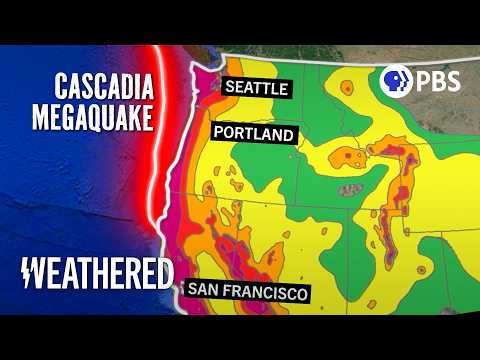
Wait...The Worst Possible US Disaster Just Got EVEN WORSE?!? (Cascadia Megaquake)
0
Susan posted on 2026/04/04Could the Cascadia Megaquake be even worse than we thought? This video dives deep into the terrifying possibilities, from massive tsunamis to toxic plumes, and you'll pick up some seriously advanced vocabulary along the way! It's a fascinating look at disaster preparedness that's both informative and practical for everyday life.
Learn this video on the APP!
The VoiceTube App has more in-depth practice for videos!