
after all
US /ˈæftɚ ɔl/
UK /ˈɑ:ftə ɔ:l/
- Adverb
- In spite of what was expected; used to introduce a statement that supports a previous statement or explains why it was made
- Considering everything; used to indicate that something is happening or is true despite some difficulty or obstacle
- Phrase
- Despite what was expected or thought; in spite of everything.
- Taking everything into consideration; considering that.
B1Moreangle
US /ˈæŋɡəl/
UK /ˈæŋgl/
- Noun
- Place where two lines or surfaces meet
B1TOEICMoreasterisk
US /ˈæstəˌrɪsk/
UK /'æstərɪsk/
- Noun
- The mark *
C1TOEICMoreautomatically
US /ˌɔtəˈmætɪkl:ɪ/
UK /ˌɔ:tə'mætɪklɪ/
- Adverb
- In a way not requiring control by a person
B1Moreback up
US /bæk ʌp/
UK /bæk ʌp/
- Phrasal Verb
- To save a copy of your computer data
- To confirm the truth of what someone says
A1Morebox out
US /bɑks aʊt/
UK /bɒks aʊt/
- other
- To position yourself to block an opponent, commonly in basketball.
B2Morebracket
US /ˈbrækɪt/
UK /ˈbrækɪt/
- Noun (Countable/Uncountable)
- Placement of a word or words within ( ) [ or ]
- Category including a range of people/things
- Transitive Verb
- To place a word or words within ( ) [ or ]
- To put into the same category or range together
B2Morebullet
US /ˈbʊlɪt/
UK /'bʊlɪt/
- Countable Noun
- Metal object fired from a gun
- Dot at the beginning of each line in a list
- Adjective
- Very fast.
B1Morebunch
US /bʌntʃ/
UK /bʌntʃ/
- Noun (Countable/Uncountable)
- A group of things of the same kind
- A group of people.
- Transitive Verb
- To group people or things closely together
B1Morecharacter
US /ˈkærəktɚ/
UK /'kærəktə(r)/
- Noun
- Person in a story, movie or play
- Writing symbols, e.g. alphabet or Chinese writing
A2Morecomplex
US /kəmˈplɛks, ˈkɑmˌplɛks/
UK /'kɒmpleks/
- Countable Noun
- Group of buildings all used for the same purpose
- Adjective
- Not being simple; having many parts or aspects
A2Morecontext
US /ˈkɑnˌtɛkst/
UK /ˈkɒntekst/
- Noun (Countable/Uncountable)
- Set of facts surrounding a person or event
- The circumstances that form the setting for an event, statement, or idea, and in terms of which it can be fully understood and assessed.
A2Morecouple
US /ˈkʌpəl/
UK /'kʌpl/
- Transitive Verb
- To join something to something else
- (Two animals) to engage in sexual relations
- Noun (Countable/Uncountable)
- Two people in a romantic relationship
- Two of something; two people; a pair
A2Morecurious
US /ˈkjʊriəs/
UK /ˈkjʊəriəs/
- Adjective
- Wanting to know more about something
- Attracting interest by being strange or unusual
A2Moredialog
US /'daɪəˌlɒg/
UK /'daɪəlɒg/
- Noun
- Conversation between two or more individuals
B1Moredot
US /dɑt/
UK /dɒt/
- Transitive Verb
- To place small amounts/things in various places
- To mark something by placing a small, round spot
- Noun
- Small round mark
B1TOEICMoredumb
US /dʌm/
UK /dʌm/
- Adjective
- Senseless; stupid
B1Moreefficient
US /ɪˈfɪʃənt/
UK /ɪˈfɪʃnt/
- Adjective
- Able to produce results without waste
- Capable of producing desired results with little or no waste (of time, energy, or other resources).
A2TOEICMorefigure out
US /ˈfɪɡjɚ aʊt/
UK /ˈfiɡə aut/
- Phrasal Verb
- To understand the behavior of someone
- To think through logically to find a solution
- Verb (Transitive/Intransitive)
- To understand or find an answer to something.
- To find a solution to a problem or understand something.
A1Moreflair
US /fler/
UK /fleə(r)/
- Noun
- Natural ability to do something well
B2TOEICMorefont
US /fɑnt/
UK /fɔnt/
- Noun
- Size or style of type
B2Morefor example
US
UK
- Phrase
- As an illustration or instance.
format
US /ˈfɔ:rmæt/
UK /ˈfɔ:mæt/
- Noun
- Form, design, or arrangement of something
- Transitive Verb
- To set the appearance of a text in a certain way
- To set a computer back to its original state
B1TOEICMoreget back to
US /ɡɛt bæk tu/
UK /ɡet bæk tu:/
- Phrasal Verb
- To get in contact with someone again
- To return to someone or something; to respond at a later time.
A1Morego ahead
US /ɡo əˈhɛd/
UK /ɡəu əˈhed/
- Phrasal Verb
- To start an activity; start doing, working etc.
- To give permission to do something
- Intransitive Verb
- To start or proceed with something
- To proceed despite potential obstacles or doubts.
A1Morehang
US /hæŋ/
UK /hæŋ/
- Transitive Verb
- To attach a picture, photograph etc. onto a wall
- To kill by putting a rope around neck and dropping
- Intransitive Verb
- To float, move softly, or remain in the air
- To remain undecided, unsolved or unclear
A2Moreignore
US /ɪɡˈnɔr, -ˈnor/
UK /ɪɡ'nɔ:(r)/
- Transitive Verb
- To not listen to, look at, or pay attention to
A2TOEICMorein on
US
UK
- Phrase
- To be involved in a secret or plan.
- To be aware of something that is secret or not generally known.
A1Moreindent
US /ɪnˈdent/
UK /ɪnˈdent/
- Transitive Verb
- To make a mark or groove in something
- To start a line or paragraph with a few spaces
- Noun
- Space showing start of new paragraph or line
C1Morelook at
US /lʊk æt/
UK /luk æt/
- Phrasal Verb
- To use your eyes to focus on something
- To focus your eyes on something carefully
A1Morelook for
US /lʊk fɔr/
UK /luk fɔ:/
- Phrasal Verb
- To try to find a thing or person that is lost
- To expect or anticipate something.
A1Moremargin
US /ˈmɑ:rdʒən/
UK /ˈmɑ:dʒɪn/
- Noun (Countable/Uncountable)
- Edge of an area
- Edge or border of a page on above, below
B1TOEICMoremodifier
US /ˈmɑ:dɪfaɪə(r)/
UK /ˈmɒdɪfaɪə(r)/
- Noun
- Word that qualifies the meaning of a noun or verb
B1Moremundane
US /mʌnˈden, ˈmʌnˌden/
UK /mʌnˈdeɪn/
- Adjective
- Being ordinary and therefore boring
- Of this world rather than the spiritual one
B2TOEICMorenegative
US /ˈnɛɡətɪv/
UK /'neɡətɪv/
- Noun
- The opposite to a positive electrical charge
- In grammar, containing words such as 'no' or 'not'
- Adjective
- Being harmful, unwanted or unhelpful
- In mathematics, being less than zero
A2Moreoption
US /ˈɑpʃən/
UK /'ɒpʃn/
- Noun (Countable/Uncountable)
- A choice
- A right to buy or sell something at a particular price within a particular period.
A2TOEICMoreout of the way
US /aʊt ʌv ði we/
UK /aut ɔv ðə wei/
- Adjective
- Remote; isolated.
- No longer obstructing or hindering.
- Phrase
- Not obstructing or impeding progress; in a position where one does not cause an obstruction.
- Completed; finished; no longer needing attention.
B1Morepage down
US /peɪʤ daʊn/
UK /peɪʤ daun/
- other
- Scroll down a screen or document.
A2Morepanel
US /ˈpænəl/
UK /'pænl/
- Noun (Countable/Uncountable)
- Group who answer questions or give opinions
- Flat surface with controls and switches
- Transitive Verb
- To cover a wall with thin pieces of wood
A2TOEICMoreparagraph
US /ˈpærəgræf/
UK /ˈpærəgrɑ:f/
- Noun (Countable/Uncountable)
- Section of writing dealing with one point
- A section or clause in a legal document.
- Transitive Verb
- To organize a written work into paragraphs
B1TOEICMorepositive
US /ˈpɑzɪtɪv/
UK /ˈpɒzətɪv/
- Adjective
- Showing agreement or support for something
- Being sure about something; knowing the truth
- Noun
- A photograph in which light areas are light and dark areas are dark
A2Morepress
US /prɛs/
UK /pres/
- Noun
- Machine using pressure to shape, flatten, squeeze
- General term for TV, radio, newspapers
- Transitive Verb
- To make clothes smooth using a heated iron; iron
- To repeatedly ask someone to do something
A2TOEICMorepreview
US /ˈpriˌvju/
UK /'pri:vju:/
- Noun
- Showing of a movie before public release
- Verb (Transitive/Intransitive)
- To look ahead at something, e.g. a movie
B2Moreregular
US /ˈrɛɡjəlɚ/
UK /ˈregjələ(r)/
- Adjective
- Having an equal amount of space or time in between
- Occurring or being done frequently
- Noun (Countable/Uncountable)
- Customers who frequently visit a place
- Soldier who has a permanent job in the army
A2TOEICMorescroll
US /skroʊl/
UK /skrəʊl/
- Intransitive Verb
- To move up and down a computer screen
- Verb (Transitive/Intransitive)
- To move up, down, or across a computer screen
B2Moreset up
US /sɛt ʌp/
UK /set ʌp/
- Phrasal Verb
- To make arrangements for something; establish
- Verb (Transitive/Intransitive)
- To arrange or prepare something for use.
- To start a business, organization, etc.
A1Morestart over
US /stɑrt ˈovɚ/
UK /stɑ:t ˈəuvə/
- Phrasal Verb
- To begin again.
A1Moreswitch
US /swɪtʃ/
UK /swɪtʃ/
- Noun
- A change or shift from one method to another
- Thing you move to turn electrical items on or off
- Transitive Verb
- To exchange or replace something for another thing
A2TOEICMoreto do with
US
UK
- Phrasal Verb
- To be about something; concern
A1Moreto let
US /tu lɛt/
UK /tu let/
- Preposition
- Indicates that a property is available for rent.
A2Moretriangle
US /ˈtraɪˌæŋɡəl/
UK /ˈtraɪæŋgl/
- Noun
- Three people connected with each in a relationship
- A three-sided piece of metal used in orchestras
B1TOEICMoreturn on
US /tɚn ɑn/
UK /tə:n ɔn/
- Phrasal Verb
- To cause someone to be interested or excited
- Transitive Verb
- To activate or switch on a device or appliance.
- To suddenly attack or criticize someone.
A1Moreupdate
US /ʌpˈdet/
UK /ˌʌpˈdeɪt/
- Noun (Countable/Uncountable)
- Addition of a current version of something
- New information or data to make more current
- Transitive Verb
- To download the latest version of software
- To make more current or modern
B1TOEICMoreweird
US /wɪrd/
UK /wɪəd/
- Adjective
- Odd or unusual; surprising; strange
- Eerily strange or disturbing.
B1Morezoom
US /zum/
UK /zu:m/
- Noun
- Camera lens used to magnify images
- Intransitive Verb
- To move along or go somewhere very quickly
B1Morezoom in on
US
UK
- Phrasal Verb
- To adjust a camera or lens to make a subject appear closer.
- To focus attention on something specific.
A1More
Vocabulary
- to let: Indicates that a property is available for rent.
- page down: Scroll down a screen or document.
- zoom in on: To adjust a camera or lens to make a subject appear closer.
- in on: To be involved in a secret or plan.
- set up
- out of the way: Remote; isolated.
- turn on
- box out: To position yourself to block an opponent, commonly in basketball.
- figure out: To understand the behavior of someone
- look for: To try to find a thing or person that is lost
- look at: To use your eyes to focus on something
- after all: In spite of what was expected; used to introduce a statement that supports a previous statement or explains why it was made
- go ahead: To start an activity; start doing, working etc.
- for example: As an illustration or instance.
- back up: To save a copy of your computer data
- start over: To begin again.
- get back to: To get in contact with someone again
- to do with: To be about something; concern
- weird: Odd or unusual; surprising; strange
- bunch: A group of things of the same kind
- context: Set of facts surrounding a person or event
- positive: Showing agreement or support for something
- negative: The opposite to a positive electrical charge
- character: Person in a story, movie or play
- curious: Wanting to know more about something
- dumb: Senseless; stupid
- complex: Group of buildings all used for the same purpose
- bit: Device put in a horse's mouth to control it
- field: Area of study, such as physics or biology
- automatically: In a way not requiring control by a person
- efficient: Able to produce results without waste
- regular: Having an equal amount of space or time in between
- ignore: To not listen to, look at, or pay attention to
- mundane: Being ordinary and therefore boring
- effect: An advantage, benefit
- apply: To spread a substance or liquid over a surface
- panel: Group who answer questions or give opinions
- switch: A change or shift from one method to another
- couple: To join something to something else
- option: A choice
- bullet: Metal object fired from a gun
- click: To work well with someone or something
- hang: To attach a picture, photograph etc. onto a wall
- press: Machine using pressure to shape, flatten, squeeze
- shape: The outer form of something, what it looks like
- scroll: To move up and down a computer screen
- leave: To go away from; depart
- text: To send a message by phone or other device
- margin: Edge of an area
- kind: In a caring and helpful manner
- order: Religious or social group, as of nuns
- control: A device designed to operate a machine
- simple: Not hard to understand or do; not complex
- format: Form, design, or arrangement of something
- paragraph: Section of writing dealing with one point
- turn: To become (a particular age)
- change: To exchange one set of clothes for another
- set: Prepared for something; ready
- flair: Natural ability to do something well
- font: Size or style of type
- bracket: Placement of a word or words within ( ) [ or ]
- angle: Place where two lines or surfaces meet
- dot: To place small amounts/things in various places
- update: Addition of a current version of something
- zoom: Camera lens used to magnify images
- triangle: Three people connected with each in a relationship
- asterisk: The mark *
- preview: Showing of a movie before public release
- indent: To make a mark or groove in something
- dialog: Conversation between two or more individuals
- modifier: Word that qualifies the meaning of a noun or verb
Get the full experience in the app
Learn anywhere with detailed sentence and usage analysis
01:03
She took a brave step forward, leaving behind her comfort zone to chase her dreams.
Vocabulary
- brave
adj. Having courage
- comfort zone
phr. A familiar situation where one feels safe
Explanation
a brave step is a noun phrase, where brave is an adjective modifying the noun step, meaning "a courageous step".
forward is an adverb modifying step, meaning "ahead".
The whole phrase serves as the object, answering the "what" of took (verb) — she took a brave step forward.
Get the full experience in the app
Look up words anytime with pronunciation, part of speech, and usage
brave
US/brev/
UK/breɪv/
adj.Brave
v.t.To bravely face
A2 Elementary
Get the full experience in the app
Practice speaking anytime and get instant pronunciation feedback
Try this speaking exercise.
Try practicing with this sentence.
80
0
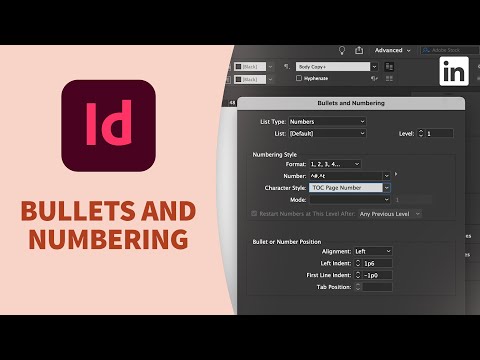
林宜悉 posted on 2026/04/03Tired of manually creating bullet points and numbered lists in InDesign? This tutorial is your secret weapon, showing you how to automate this process with hanging indents and custom numbering styles! You'll pick up some fantastic workplace vocabulary perfect for graphic designers and anyone working with Adobe software.
Learn this video on the APP!
The VoiceTube App has more in-depth practice for videos!