
accelerate
US /ækˈsɛləˌret/
UK /əkˈseləreɪt/
- Transitive Verb
- To cause to occur earlier than expected
- To increase the speed or rate of something
B1TOEICMoreall the things
US
UK
- Pronoun
- Everything; all items or aspects
- Determiner
- Every item or object being considered or discussed.
A1Morebarely
US /ˈbɛrli/
UK /ˈbɛəli/
- Adverb
- Only just; just possible
A2TOEICMorebeta
US /'beɪtə/
UK /'bi:tə/
- Noun
- Test version of a product or software
B2Moreboo
US /bu/
UK /bu:/
- Intransitive Verb
- To shout out 'boo', to express your disapproval
B2Morebreak into
US /brek ˈɪntu/
UK /breik ˈɪntuː/
- Phrasal Verb
- To start suddenly (crying, panicking, etc.)
- To get into a new field of work
A1Morebuild up
US /bɪld ʌp/
UK /bild ʌp/
- Phrasal Verb
- To increase the amount; collect something
- To develop or increase something in stages
- Verb (Transitive/Intransitive)
- To increase or develop something gradually.
- To praise or encourage someone.
A1Morecapable
US /ˈkepəbəl/
UK /'keɪpəbl/
- Adjective
- Being able to do something very well; proficient
- Having the ability, fitness, or quality necessary to do or achieve a specified thing.
A2Morecapture
US /ˈkæptʃɚ/
UK /'kæptʃə(r)/
- Transitive Verb
- To attract and hold e.g. interest, attention
- To record, tape, or film something
- Noun
- The act of seizing or taking control of something.
B1Morecharacter
US /ˈkærəktɚ/
UK /'kærəktə(r)/
- Noun
- Person in a story, movie or play
- Writing symbols, e.g. alphabet or Chinese writing
A2Morecheck out
US /tʃɛk aʊt/
UK /tʃek aut/
- Phrase
- Phrasal Verb
- To find out information about something
- To take books out of a library
A1Moreclinical
US /ˈklɪnɪkəl/
UK /ˈklɪnɪkl/
- Adjective
- Concerning the treatment or observing patients
- Using scientific techniques and precision
B1Morecontest
US /ˈkɑnˌtɛst/
UK /'kɒntest/
- Noun
- Struggle or competition between rivals
- Verb (Transitive/Intransitive)
- To struggle or compete against other people
- To not accept an official or legal judgment
B1Moredeform
US /dɪˈfɔ:rm/
UK /dɪˈfɔ:m/
- Transitive Verb
- To change the normal form of something
C1Moredescription
US /dɪˈskrɪpʃən/
UK /dɪˈskrɪpʃn/
- Noun
- Explanation of what something is like, looks like
- The type or nature of someone or something.
A2TOEICMoredestruction
US /dɪˈstrʌkʃən/
UK /dɪ'strʌkʃn/
- Noun
- Act of destroying; damaging beyond repair
- The state of being destroyed or ruined.
B1TOEICMoredisease
US /dɪˈziz/
UK /dɪˈzi:z/
- Noun (Countable/Uncountable)
- Illness that affects a person, animal, or plant
- A disorder of structure or function in a plant, especially one caused by a pathogen.
- Transitive Verb
- To affect with disease; to corrupt or sicken.
A2TOEICMoredissolve
US /dɪˈzɑ:lv/
UK /dɪˈzɒlv/
- Verb (Transitive/Intransitive)
- To cause something to end
- To dismiss, e.g. a law-making body
B2Moreeffectively
US /ɪˈfɛktɪvli/
UK /ɪˈfektɪvli/
- Adverb
- In a way that produces the desired result
B1Moreeliminate
US /ɪˈlɪməˌnet/
UK /ɪ'lɪmɪneɪt/
- Transitive Verb
- To completely remove; to get rid of
- To remove from a contest by beating them
B1TOEICMorefight off
US /faɪt ɔf/
UK /fait ɔf/
- Phrasal Verb
- To defend a position, often violently
- To resist or struggle to get rid of an illness or negative feeling.
A1Morefilm
US /fɪlm/
UK /fɪlm/
- Noun (Countable/Uncountable)
- Thin layer that covers something
- Movie
- Transitive Verb
- To record moving action with a camera
A2Morefluid
US /ˈfluɪd/
UK /'flu:ɪd/
- Noun (Countable/Uncountable)
- A material that can easily flow, e.g. water
- Liquid that flows smoothly, such as water
- Adjective
- Able to move smoothly or gracefully
- Liable to change; unstable.
B2Morefor instance
US /fɔr ˈɪnstəns/
UK /fɔ: ˈinstəns/
- Adverb
- As an example.
- Phrase
- As an example.
- As an illustration or case in point
B1Morefoundation
US /faʊnˈdeʃən/
UK /faunˈdeiʃən/
- Noun (Countable/Uncountable)
- Base or important starting point
- Underground base on which building is constructed
C1TOEICMorego to jail
US
UK
- Intransitive Verb
- To be sent to prison as a punishment for committing a crime.
immune
US /ɪˈmjoon/
UK /ɪˈmju:n/
- Adjective
- Having a special protection from, e.g. the law
- Protected against a particular disease or condition because of antibodies or vaccination.
B1Morein fact
US /ɪn fækt/
UK /in fækt/
- Adverb
- Used to emphasize the truth of a statement, especially one that contrasts with or contradicts something else.
- Used to introduce a more detailed or surprising piece of information.
- Phrase
- Used to emphasize the truth of a statement, especially one that is surprising or contrary to what might be expected.
C1Moreinfusion
US /ɪnˈfjuʒən/
UK /ɪnˈfju:ʒn/
- Noun
- Extraction of materials by soaking in liquids
B2Moreinstance
US /ˈɪnstəns/
UK /'ɪnstəns/
- Noun (Countable/Uncountable)
- An example of something; case
- An occurrence of something.
- Transitive Verb
- To give as an example of something else
A2TOEICMoreinstead of
US /ɪnˈstɛd ʌv/
UK /inˈsted ɔv/
- Preposition
- When one thing is replaced by another
- Adverb
- As a substitute or alternative.
A1Moreinterconnect
US
UK
- Transitive Verb
- To join or be joined together (computers/theories)
B2Morekinda
US /'kaɪndə/
UK /'kaɪndə/
- Noun
- Short way of saying 'kind of'
- Adverb
- Somewhat; to some extent; rather.
- Sort of; in a way.
B2Morelifespan
US /ˈlaɪfspæn/
UK /ˈlaɪfspæn/
- Noun
- Length of time something is expected to last
B2Morelight on
US /laɪt ɑn/
UK /lait ɔn/
- Phrasal Verb
- To illuminate something.
- To discover something unexpectedly.
- Adjective
- Gentle or delicate in the use of something.
A1Moremethod
US /ˈmɛθəd/
UK /'meθəd/
- Noun (Countable/Uncountable)
- (Organized and planned) way of doing something
- Orderliness of thought, arrangement, or behavior.
A2TOEICMoreorgan
US /ˈɔrɡən/
UK /'ɔ:ɡən/
- Noun (Countable/Uncountable)
- Part of a person's body with a particular function
- Large institution or body
B1Moreow
US /aʊ/
UK /aʊ/
- Interjection
- Sound people make when they are hurt
C2Moreprocess
US /ˈprɑsˌɛs, ˈproˌsɛs/
UK /prə'ses/
- Transitive Verb
- To organize and use data in a computer
- To deal with official forms in the way required
- Noun (Countable/Uncountable)
- Dealing with official forms in the way required
- Set of changes that occur slowly and naturally
A2TOEICMoreproperly
US /ˈprɑːpərli/
UK /ˈprɔpəlɪ/
- Adverb
- In an appropriate or correct manner
- In a way that is suitable or appropriate.
A2Morereduction
US /rɪˈdʌkʃən/
UK /rɪ'dʌkʃn/
- Noun
- Act of making something smaller
B1Moreresearch
US /rɪˈsɚtʃ, ˈriˌsɚtʃ/
UK /rɪ'sɜ:tʃ/
- Verb (Transitive/Intransitive)
- To study in order to discover new ideas and facts
- To study the market relating to marketing products and services.
- Noun (Countable/Uncountable)
- Study done to discover new ideas and facts
- A particular area or topic of study.
A2TOEICMoreresult
US /rɪˈzʌlt/
UK /rɪ'zʌlt/
- Noun
- Something produced through tests or experiments
- Final score of a competition, election or game
- Intransitive Verb
- To be the outcome of other causes and effects
- To happen or exist as a consequence of something.
A2Moreresult in
US /rɪˈzʌlt ɪn/
UK /riˈzʌlt in/
- Phrasal Verb
- To cause or produce as a consequence.
seal
US /sil/
UK /si:l/
- Transitive Verb
- To close tightly to protect it from leaking
- To close an envelop or package
- Noun
- Large fish-eating animal that lives on sea or land
- Official mark made in hot wax to close a document
B1Moreseal of approval
US
UK
- Noun
- An indication that something is of a high standard or officially approved.
- A guarantee of quality or excellence.
A1Moreshed
US /ʃed/
UK /ʃed/
- Countable Noun
- Small building used for storage
- Verb (Transitive/Intransitive)
- To lose something as a natural process e.g. hair
- Got rid of something that was no longer wanted or needed.
B2Moresignificantly
US /sɪɡˈnɪfəkəntlɪ/
UK /sɪgˈnɪfɪkəntli/
- Adverb
- In a way that is important or noticeable
- In a way that is meaningful
A2Moresoluble
US /ˈsɑ:ljəbl/
UK /ˈsɒljəbl/
- Adjective
- Able to dissolve or be dissolved in a liquid
- Able to be solved
B2Moresponsor
US /ˈspɑ:nsə(r)/
UK /ˈspɒnsə(r)/
- Noun
- Person that supports the passage of a new law
- Person giving money for someone's education
- Transitive Verb
- To support the passage of a new law
- To help someone succeed by giving them money
B1TOEICMorestick together
US
UK
- Phrasal Verb
- To support each other; remain united.
- To adhere physically; to be joined by an adhesive substance.
B1Moresticky
US /ˈstɪki/
UK /ˈstɪki/
- Adjective
- Easy to adhere or stick to other things
- (Of weather/a day) uncomfortably hot and humid
B1Morestimulate
US /ˈstɪmjəˌlet/
UK /'stɪmjʊleɪt/
- Transitive Verb
- To arouse or excite emotionally
B1Moresuffer
US / ˈsʌfɚ/
UK /'sʌfə(r)/
- Verb (Transitive/Intransitive)
- To experience pain, illness, or injury
- To allow or permit something, especially something unpleasant.
A2Moreto the death
US /tu ðə dɛθ/
UK /tu ðə deθ/
- other
- With the greatest effort or until the very end, often deadly.
B2Moretreatment
US /ˈtritmənt/
UK /ˈtri:tmənt/
- Noun (Countable/Uncountable)
- Medicine or method to make someone healthier
- Way someone acts toward another
A2TOEICMorevaccine
US /vækˈsin,ˈvækˌsin/
UK /'væksi:n/
- Noun (Countable/Uncountable)
- Shot using weak disease cells to stop same disease
- A preparation of weakened or killed microorganisms, or of antigenic proteins derived from them, used to induce protective immunity in animals.
B2Moreviolate
US /ˈvaɪəˌlet/
UK /ˈvaɪəleɪt/
- Transitive Verb
- To abuse, damage or disrespect
- To break rules or laws; disregard important rights
B1More
Vocabulary
- result in: To cause or produce as a consequence.
- check out
- go to jail: To be sent to prison as a punishment for committing a crime.
- fight off: To defend a position, often violently
- build up: To increase the amount; collect something
- for instance: As an example.
- stick together: To support each other; remain united.
- to the death: With the greatest effort or until the very end, often deadly.
- seal of approval: An indication that something is of a high standard or officially approved.
- break into: To start suddenly (crying, panicking, etc.)
- instead of: When one thing is replaced by another
- in fact: Used to emphasize the truth of a statement, especially one that contrasts with or contradicts something else.
- light on: To illuminate something.
- all the things: Everything; all items or aspects
- process: To organize and use data in a computer
- immune: Having a special protection from, e.g. the law
- eliminate: To completely remove; to get rid of
- properly: In an appropriate or correct manner
- description: Explanation of what something is like, looks like
- effective: Working efficiently to produce a desired result
- character: Person in a story, movie or play
- instance: An example of something; case
- barely: Only just; just possible
- kinda: Short way of saying 'kind of'
- develop: To explain something in steps and in detail
- disease: Illness that affects a person, animal, or plant
- capable: Being able to do something very well; proficient
- research: To study in order to discover new ideas and facts
- failure: When things go wrong; lack of function
- significantly: In a way that is important or noticeable
- shed: Small building used for storage
- method: (Organized and planned) way of doing something
- fluid: A material that can easily flow, e.g. water
- stimulate: To arouse or excite emotionally
- brain: To strike someone forcefully on the head
- effectively: In a way that produces the desired result
- suffer: To experience pain, illness, or injury
- foundation: Base or important starting point
- form: Sports team or person's current winning record
- vaccine: Shot using weak disease cells to stop same disease
- result: Something produced through tests or experiments
- create: To make, cause, or bring into existence
- capture: To attract and hold e.g. interest, attention
- organ: Part of a person's body with a particular function
- seal: To close tightly to protect it from leaking
- film: Thin layer that covers something
- lead: Wire for electricity, computer, etc.; cable
- click: To work well with someone or something
- clinical: Concerning the treatment or observing patients
- accelerate: To cause to occur earlier than expected
- dissolve: To cause something to end
- treatment: Medicine or method to make someone healthier
- noggin: A human head
- lifespan: Length of time something is expected to last
- reduction: Act of making something smaller
- destruction: Act of destroying; damaging beyond repair
- order: Religious or social group, as of nuns
- promise: To say you will certainly do something
- build: Your physical shape; physique
- sticky: Easy to adhere or stick to other things
- sponsor: Person that supports the passage of a new law
- contest: Struggle or competition between rivals
- violate: To abuse, damage or disrespect
- protect: To defend someone or something from harm or danger
- difficult: Hard; not easy; you need to work hard to do it
- think: To have an idea about something without certainty
- soluble: Able to dissolve or be dissolved in a liquid
- boo: To shout out 'boo', to express your disapproval
- interconnect: To join or be joined together (computers/theories)
- infusion: Extraction of materials by soaking in liquids
- deform: To change the normal form of something
- ow: Sound people make when they are hurt
- beta: Test version of a product or software
Get the full experience in the app
Learn anywhere with detailed sentence and usage analysis
01:03
She took a brave step forward, leaving behind her comfort zone to chase her dreams.
Vocabulary
- brave
adj. Having courage
- comfort zone
phr. A familiar situation where one feels safe
Explanation
a brave step is a noun phrase, where brave is an adjective modifying the noun step, meaning "a courageous step".
forward is an adverb modifying step, meaning "ahead".
The whole phrase serves as the object, answering the "what" of took (verb) — she took a brave step forward.
Get the full experience in the app
Look up words anytime with pronunciation, part of speech, and usage
brave
US/brev/
UK/breɪv/
adj.Brave
v.t.To bravely face
A2 Elementary
Get the full experience in the app
Practice speaking anytime and get instant pronunciation feedback
Try this speaking exercise.
Try practicing with this sentence.
80
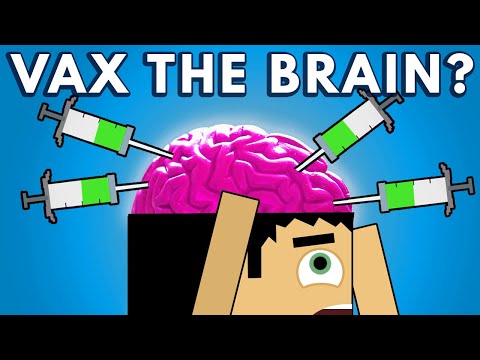
Will You Get the Brain Vaccine? 💉🧠
0
林宜悉 posted on 2026/04/03Ever wondered about a 'brain vaccine' for Alzheimer's? This super fun explainer dives into amyloid oligomers and the amazing research happening at SENDS, breaking down complex science with humor! You'll boost your vocabulary with terms like 'catabodies' while learning about cutting-edge health discoveries.
Learn this video on the APP!
The VoiceTube App has more in-depth practice for videos!