
adhesive
US /ædˈhisɪv, -zɪv/
UK /ədˈhi:sɪv/
- Noun (Countable/Uncountable)
- A substance used for gluing one thing to another
- Adhesive tape or a similar material.
- Adjective
- Having the ability to be glued to something
B2Morealong with
US /əˈlɔŋ wɪð/
UK /əˈlɔŋ wið/
- Preposition
- In addition to; together with.
- Adverb
- In company or together with someone or something.
- Including; in addition to.
A2Moreanchor
US /ˈæŋkɚ/
UK /'æŋkə(r)/
- Noun (Countable/Uncountable)
- Metal hook on a rope used to stop boats moving
- Person who presents a news program on TV
- Verb (Transitive/Intransitive)
- To lower an anchor to hold a boat or ship in place
- To secure firmly or fixedly; to moor.
B2TOEICMoreasphalt
US /ˈæsfɔ:lt/
UK /ˈæsfælt/
- Uncountable Noun
- Hard mixture used to make roads and streets
C1Moreat least
US /æt list/
UK /æt li:st/
- Adverb
- As a minimum
- Not less than
- Phrase
- No less than; at the minimum
- Used to indicate that something is positive in a bad situation.
C2Morebased on
US
UK
- Phrasal Verb
- To use something as the foundation or starting point for something else.
- Preposition
- Using something as the main idea or foundation.
- Relying on something as evidence or justification.
A1Morebone out
US /boʊn aʊt/
UK /bəʊn aʊt/
- other
- To leave hurriedly or escape from a place.
C2Morecanine
US /ˈkenaɪn/
UK /ˈkeɪnaɪn/
- Countable Noun
- Long, pointed tooth
- a dog
- Adjective
- of or relating to dogs
- Relating to or resembling a dog or dogs.
C1Morecarve
US /kɑ:rv/
UK /kɑ:v/
- Transitive Verb
- To cut a piece of cooked meat into thin slices
- To make a cut in, e.g. to write your name on tree
B1Morechemical
US /ˈkɛmɪkəl/
UK /ˈkemɪkl/
- Noun (Countable/Uncountable)
- Basic substance produced by mixing elements
- The branch of science concerned with the substances of which matter is composed, the investigation of their properties and reactions, and the use of such reactions to form new substances.
- Adjective
- Made of various elements
A2Morechip
US /tʃɪp/
UK /tʃɪp/
- Transitive Verb
- To break a small piece off something such as a cup
- To break into small pieces, often with a tool
- Noun (Countable/Uncountable)
- Small piece that has broken off (e.g. from cup)
- Piece of computer hardware that does calculations
B1Moreclay
US /kle/
UK /kleɪ/
- Uncountable Noun
- Heavy sticky earth used to make pottery
- Proper Noun
- Person's name
B1Moredamage
US /ˈdæmɪdʒ/
UK /ˈdæmɪdʒ/
- Noun (Countable/Uncountable)
- Physical harm that is done to something
- Transitive Verb
- To harm physically; to hurt or break something
- To harm the reputation of someone.
A2TOEICMoredebris
US /dəˈbri, de-, ˈdeˌbri/
UK /dəˈbri:, deɪ-, ˈdeɪˌbri:/
- Uncountable Noun
- Remains of something broken or destroyed
- Accumulated fragments of rock.
B2TOEICMoredegrade
US /dɪˈɡred/
UK /dɪ'ɡreɪd/
- Transitive Verb
- To reduce in amount or strength
B2Moredense
US /dɛns/
UK /dens/
- Adjective
- Very thick and difficult to see, get through
- Hard to understand
B1TOEICMoredeposit
US /dɪˈpɑzɪt/
UK /dɪ'pɒzɪt/
- Noun (Countable/Uncountable)
- Concentration of mineral left by a river
- Part payment so that an item will be kept for you
- Transitive Verb
- (Of rivers) to leave a layer of minerals, etc.
- To lay down of layers, e.g. of soil, over time
A2TOEICMoredire
US /daɪr/
UK /ˈdaɪə(r)/
- Adjective
- (E.g. of consequences) very serious
B2Moredisconnect
US /ˌdɪskəˈnɛkt/
UK /ˌdɪskəˈnekt/
- Transitive Verb
- To separate something from something else
- Noun
- State of being separated from something else
B2Moredown the line
US /daʊn ði laɪn/
UK /daun ðə lain/
- Phrase
- At a later time; in the future.
- Completely; entirely; all the way.
- Adjective
- In agreement or accordance with something.
A1Moredry out
US
UK
- Verb (Transitive/Intransitive)
- To remove moisture from something; to become completely dry.
- To detoxify and recover from addiction.
A1Moreelbow
US /ˈɛlˌbo/
UK /'elbəʊ/
- Noun
- Middle part of the arm, which bends
- Transitive Verb
- To push another person with the side of your arm
B2Moreentire
US /ɛnˈtaɪr/
UK /ɪn'taɪə(r)/
- Adjective
- Complete or full; with no part left out; whole
- Undivided; not shared or distributed.
A2TOEICMoreestimate
US /ˈɛstəˌmet/
UK /'estɪmət/
- Noun (Countable/Uncountable)
- Guess or calculation of cost, size or value
- A judgment or opinion.
- Transitive Verb
- To guess or calculate the cost, size or value of
- To form an approximate idea or judgment of.
A2TOEICMoreextinction
US /ɪkˈstɪŋkʃən/
UK /ɪkˈstɪŋkʃn/
- Noun (Countable/Uncountable)
- When every example of animal, plant is dead
- The process of something ceasing to exist or be active.
B1Morefigure out
US /ˈfɪɡjɚ aʊt/
UK /ˈfiɡə aut/
- Phrasal Verb
- To understand the behavior of someone
- To think through logically to find a solution
- Verb (Transitive/Intransitive)
- To understand or find an answer to something.
- To find a solution to a problem or understand something.
A1Morefill in
US /fɪl ɪn/
UK /fil in/
- Phrasal Verb
- To put earth in e.g. a hole
- To explain the context so that someone understands
- Verb (Transitive/Intransitive)
- To write or type information in a blank space.
- To temporarily do someone else's job.
A1Morefoam
US /foʊm/
UK /fəʊm/
- Noun (Countable/Uncountable)
- Mix of a liquid and air to form a mass of bubbles
- A lightweight material made of a mass of small bubbles, used for insulation or padding.
- Verb (Transitive/Intransitive)
- To mix air and liquid to form a mass of bubbles
- To show anger or excitement in an uncontrolled way.
B1Morefor instance
US /fɔr ˈɪnstəns/
UK /fɔ: ˈinstəns/
- Adverb
- As an example.
- Phrase
- As an example.
- As an illustration or case in point
B1Morefossil
US /ˈfɑsəl/
UK /'fɒsl/
- Noun (Countable/Uncountable)
- Plant or animal that became rock after many years
- A person or thing that is outdated or no longer useful.
- Adjective
- Relating to or resembling a fossil.
- Relating to or denoting energy generated from fossil fuels.
B1Moregoo
US /ɡu/
UK /gu:/
- Uncountable Noun
- Any thick sticky unpleasant substance
C1Moregrab
US /ɡræb/
UK /ɡræb/
- Transitive Verb
- To take and hold something quickly
A2Moregrease
US /ɡris/
UK /gri:s/
- Uncountable Noun
- Liquid or melted fat from animals used for cooking
- Thick gel used to lubricate a machine
- Transitive Verb
- To use grease to lubricate a machine
B2Moregrid
US /ɡrɪd/
UK /ɡrɪd/
- Noun
- Electrical network supplying electricity to area
- Metal structure with bars used to cover a hole
- Transitive Verb
- To mark with a grid.
B2Morehuge
US /hjudʒ/
UK /hju:dʒ/
- Adjective
- Very very large
A2Morein the future
US /ɪn ði ˈfjutʃɚ/
UK /in ðə ˈfju:tʃə/
- Phrase
- At a later time; in times to come.
A1Morein the past
US
UK
- Phrase
- During a former period of time; previously.
A1Morein the works
US
UK
- Adjective
- Being planned or prepared; in progress.
- Phrase
- Under development or being actively planned.
A1Morein total
US /ɪn ˈtotl/
UK /in ˈtəutəl/
- Phrase
- Completely; with everything added together.
A1Morejaw
US /dʒɔ/
UK /dʒɔ:/
- Noun (Countable/Uncountable)
- One of the two bones of the face where teeth grow
- Intransitive Verb
- To talk with a lot of energy for a long time
B1Morejust kind of
US
UK
- Phrase
- Used to express a feeling or state in a vague or hesitant way.
- Used to indicate something is approximately or generally similar to something else.
A2Morelaboratory
US /ˈlæbrəˌtɔri, -ˌtori/
UK /lə'bɒrətrɪ/
- Noun (Countable/Uncountable)
- A place to do scientific experiments
- A place where tests are done for medical diagnosis.
B1Moremakeshift
US /ˈmekˌʃɪft/
UK /ˈmeɪkʃɪft/
- Adjective
- That only serves as something temporarily
- Noun
- A temporary substitute.
B2TOEICMorematerial
US /məˈtɪriəl/
UK /məˈtɪəriəl/
- Noun (Countable/Uncountable)
- Cloth; fabric
- Supplies or data needed to do a certain thing
- Adjective
- Relevant; (of evidence) important or significant
- Belonging to the world of physical things
A2Moremeticulous
US /mɪˈtɪkjələs/
UK /məˈtɪkjələs/
- Adjective
- Extremely careful to do things correctly
B2TOEICMoremigrate
US /ˈmaɪgreɪt/
UK /maɪˈgreɪt/
- Intransitive Verb
- To move from one country or place to live or work
B1Moremove into
US /muv ˈɪntu/
UK /mu:v ˈɪntuː/
- Phrasal Verb
- To start living in a new house or building
- To start being involved in a new area of business or activity.
on earth
US /ɑn ɚθ/
UK /ɔn ə:θ/
- Phrase
- Used to emphasize a question expressing surprise or anger.
- Used to emphasize that something is not possible or will not happen.
A1Moreon to
US /ɑn tu/
UK /ɔn tu:/
- Preposition
- Toward something; forward
- Aware of someone's activities.
- Adjective
- Aware of someone's deception or illegal activities.
A1Moreorganic
US /ɔrˈɡænɪk/
UK /ɔ:ˈgænɪk/
- Adjective
- Developing naturally and without a set structure
- Concerning food made with few or no chemicals
B1Moreover time
US /ˈovɚ taɪm/
UK /ˈəuvə taim/
- Phrase
- Gradually; as time passes.
- During a long period.
- Adverb
- Gradually; as time passes.
B1Morepermanently
US /ˈpəmənəntlɪ/
UK /'pɜ:mənəntlɪ/
- Adverb
- For a long time; always
- In a way that is firmly or securely fixed in place.
B1Morepreparation
US /ˌprɛpəˈreʃən/
UK /ˌprepəˈreɪʃn/
- Noun (Countable/Uncountable)
- Cream or substance applied onto the skin
- Act of making ready for a purpose or activity
A2Moreprocess
US /ˈprɑsˌɛs, ˈproˌsɛs/
UK /prə'ses/
- Transitive Verb
- To organize and use data in a computer
- To deal with official forms in the way required
- Noun (Countable/Uncountable)
- Dealing with official forms in the way required
- Set of changes that occur slowly and naturally
A2TOEICMorepuzzle
US /ˈpʌzəl/
UK /'pʌzl/
- Transitive Verb
- To be a challenge to understand; confuse
- Noun (Countable/Uncountable)
- Something challenging to explain or understand
- Game requiring the player to find an answer
A2TOEICMoreramp
US /ræmp/
UK /ræmp/
- Noun
- Path that increases in height as you walk up it
- Transitive Verb
- To slope or incline; (phrasal: ramp up) to increase the level or amount of something sharply; to furnish with a sloping surface.
B2Morerely
US /rɪˈlaɪ/
UK /rɪ'laɪ/
- Intransitive Verb
- Depend on with full trust or confidence
- To trust or have confidence in someone.
B2TOEICMoreskull
US /skʌl/
UK /skʌl/
- Noun
- Structure of bones forming the face and head
B2Moresloth
US /slɔθ, sloθ, slɑθ/
UK /sləʊθ/
- Noun
- Someone not wanting to work because they are lazy
C1Moresource
US /sɔrs, sors/
UK /sɔ:s/
- Noun (Countable/Uncountable)
- Piece of information; a person giving information
- Place from which something necessary comes
- Adjective
- Produces or provides what is wanted or needed
A2TOEICMorespan
US /spæn/
UK /spæn/
- Noun (Countable/Uncountable)
- Distance between two supports of a bridge
- Period of time that something continues for
- Verb (Transitive/Intransitive)
- To go across a certain distance between things
- To cover or extend over a time period
B1TOEICMoretangle
US /ˈtæŋɡəl/
UK /ˈtæŋgl/
- Transitive Verb
- To involve in troubles that are hard to escape
- Intransitive Verb
- (Of string, etc.) to be knotted up and hard to undo
B2Moretear
US /tɛr/
UK /teə(r)/
- Noun (Countable/Uncountable)
- Drop of salty water from the eye
- Hole or rip in something after it has been damaged
- Intransitive Verb
- To move very quickly, often with carelessness
A2Moretease
US /tiz/
UK /ti:z/
- Transitive Verb
- To purposefully bother an animal
- To playfully embarrass or make fun of
- Noun
- Something said or done as a joke
B1Moretechnically
US /ˈtɛknɪkl:ɪ/
UK /ˈteknɪkli/
- Adverb
- In an exact and particular manner
- With technical skill or expertise.
A2Morethink of
US /θɪŋk ʌv/
UK /θiŋk ɔv/
- Phrasal Verb
- To look on as (being something specific); consider
- To consider or remember something.
- Verb (Transitive/Intransitive)
- To imagine or call something to mind
A1Moretip
US /tɪp/
UK /tɪp/
- Transitive Verb
- To pour or move something from a place, container
- To give extra money for good service
- Noun
- End point of e.g. a pencil or finger
- Extra money given for good service
A2Moreto do with
US
UK
- Phrasal Verb
- To be about something; concern
A1Moreunprecedented
US /ʌnˈprɛsɪˌdɛntɪd/
UK /ʌnˈpresɪdentɪd/
- Adjective
- Not having happened before, or to such a degree
B1Morework through
US
UK
- Phrasal Verb
- To deal with something systematically until it is completed
- To deal with a problem or difficult situation.
Vocabulary
- on earth: Used to emphasize a question expressing surprise or anger.
- fill in: To put earth in e.g. a hole
- dry out: To remove moisture from something; to become completely dry.
- move into: To start living in a new house or building
- bone out: To leave hurriedly or escape from a place.
- in the works: Being planned or prepared; in progress.
- based on: To use something as the foundation or starting point for something else.
- on to: Toward something; forward
- just kind of: Used to express a feeling or state in a vague or hesitant way.
- in total: Completely; with everything added together.
- work through: To deal with something systematically until it is completed
- over time: Gradually; as time passes.
- think of: To look on as (being something specific); consider
- down the line: At a later time; in the future.
- at least: As a minimum
- for instance: As an example.
- figure out: To understand the behavior of someone
- along with: In addition to; together with.
- to do with: To be about something; concern
- in the past: During a former period of time; previously.
- in the future: At a later time; in times to come.
- entire: Complete or full; with no part left out; whole
- process: To organize and use data in a computer
- material: Cloth; fabric
- grab: To take and hold something quickly
- unprecedented: Not having happened before, or to such a degree
- estimate: Guess or calculation of cost, size or value
- tip: To pour or move something from a place, container
- huge: Very very large
- dense: Very thick and difficult to see, get through
- debris: Remains of something broken or destroyed
- permanently: For a long time; always
- technically: In an exact and particular manner
- meticulous: Extremely careful to do things correctly
- foam: Mix of a liquid and air to form a mass of bubbles
- organic: Developing naturally and without a set structure
- span: Distance between two supports of a bridge
- record: Highest or most extreme level achieved
- extinction: When every example of animal, plant is dead
- anchor: Metal hook on a rope used to stop boats moving
- rely: Depend on with full trust or confidence
- dire: (E.g. of consequences) very serious
- tease: To purposefully bother an animal
- grid: Electrical network supplying electricity to area
- social: Involving activity with people, e.g. in free time
- source: Piece of information; a person giving information
- skull: Structure of bones forming the face and head
- fossil: Plant or animal that became rock after many years
- ramp: Path that increases in height as you walk up it
- deposit: Concentration of mineral left by a river
- tear: Drop of salty water from the eye
- notice: To become aware by sight, touch, or hearing
- chemical: Basic substance produced by mixing elements
- puzzle: To be a challenge to understand; confuse
- kind: In a caring and helpful manner
- preparation: Cream or substance applied onto the skin
- carve: To cut a piece of cooked meat into thin slices
- makeshift: That only serves as something temporarily
- support: To give assistance or advice to someone
- canine: Long, pointed tooth
- event: Any social gathering; occasion; planned activity
- grease: Liquid or melted fat from animals used for cooking
- damage: Physical harm that is done to something
- migrate: To move from one country or place to live or work
- chip: To break a small piece off something such as a cup
- protect: To defend someone or something from harm or danger
- laboratory: A place to do scientific experiments
- clay: Heavy sticky earth used to make pottery
- jaw: One of the two bones of the face where teeth grow
- pull: Act of breathing in smoke, as from a pipe
- deep: Complex and important
- adhesive: A substance used for gluing one thing to another
- start: First time or place that a thing exists; beginning
- elbow: Middle part of the arm, which bends
- asphalt: Hard mixture used to make roads and streets
- group: Two or more musicians who play music together
- degrade: To reduce in amount or strength
- earth: Wire connecting an electrical device to the ground
- sloth: Someone not wanting to work because they are lazy
- bone: Hard piece of your body that holds your muscles
- age: To keep food, wine for a long time to improve it
- tangle: To involve in troubles that are hard to escape
- disconnect: To separate something from something else
- goo: Any thick sticky unpleasant substance
- dream: A wish or hope for something to happen
Get the full experience in the app
Learn anywhere with detailed sentence and usage analysis
01:03
She took a brave step forward, leaving behind her comfort zone to chase her dreams.
Vocabulary
- brave
adj. Having courage
- comfort zone
phr. A familiar situation where one feels safe
Explanation
a brave step is a noun phrase, where brave is an adjective modifying the noun step, meaning "a courageous step".
forward is an adverb modifying step, meaning "ahead".
The whole phrase serves as the object, answering the "what" of took (verb) — she took a brave step forward.
Get the full experience in the app
Look up words anytime with pronunciation, part of speech, and usage
brave
US/brev/
UK/breɪv/
adj.Brave
v.t.To bravely face
A2 Elementary
Get the full experience in the app
Practice speaking anytime and get instant pronunciation feedback
Try this speaking exercise.
Try practicing with this sentence.
80
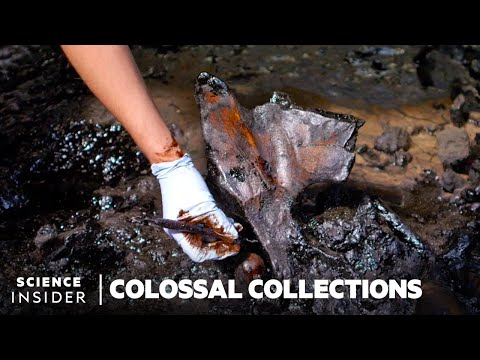
How 4 Million Fossils Are Extracted From Tar At La Brea Tar Pits | Colossal Collections
0
林宜悉 posted on 2026/04/01Ever wondered how scientists dig up millions of fossils? This video dives into the incredible process at the La Brea Tar Pits, showing you exactly how they extract everything from saber-toothed cats to tiny microfossils! You'll pick up some seriously cool paleontology vocabulary along the way.
Learn this video on the APP!
The VoiceTube App has more in-depth practice for videos!