
absolutely
US /ˈæbsəˌlutli, ˌæbsəˈlutli/
UK /ˈæbsəlu:tli/
- Adverb
- Completely; totally; very
- Considered independently and without relation to other things; viewed abstractly; as, quantity absolutely considered.
A2Moreafford
US /əˈfɔrd, əˈford/
UK /ə'fɔ:d/
- Transitive Verb
- To make available, to provide
- To have enough money to pay for something
A2TOEICMoreat least
US /æt list/
UK /æt li:st/
- Adverb
- As a minimum
- Not less than
- Phrase
- No less than; at the minimum
- Used to indicate that something is positive in a bad situation.
C2Moreat stake
US /æt stek/
UK /æt steik/
- Phrase
- At risk; that can be lost if something is not successful
- In question; depending on what happens
- Adjective
- At risk; that can be lost if something is not successful.
A1Moreback up
US /bæk ʌp/
UK /bæk ʌp/
- Phrasal Verb
- To save a copy of your computer data
- To confirm the truth of what someone says
A1Morebasically
US /ˈbesɪkəli,-kli/
UK /ˈbeɪsɪkli/
- Adverb
- Used before you explain something simply, clearly
- In essence; when you consider the most important aspects of something.
A2Morecapital
US /ˈkæpɪtl/
UK /'kæpɪtl/
- Noun
- Writing the first letter of a word in big letters
- Official main city of a country, province or state
- Adjective
- Main, or major
- (Of an offense) liable to the death penalty.
A2Morecare of
US /kɛr ʌv/
UK /kɛə ɔv/
- Preposition
- Used in an address to indicate the person who will receive the mail for someone else.
A2Morecatastrophe
US /kəˈtæstrəfi/
UK /kə'tæstrəfɪ/
- Noun (Countable/Uncountable)
- Very bad disaster causing much suffering, etc.
- A complete failure; a fiasco.
B2Moreclose down
US /kloz daʊn/
UK /kləuz daun/
- Phrasal Verb
- To shut an operation, company, shop
A1Morecongress
US /ˈkɑŋɡrɪs/
UK /'kɒŋɡres/
- Noun (Countable/Uncountable)
- Meeting of elected or appointed representatives
- Proper Noun
- American governing body of elected representatives
B1Morecorporate
US /ˈkɔrpərɪt, ˈkɔrprɪt/
UK /ˈkɔ:pərət/
- Adjective
- Concerning (usually large) companies
- Relating to a large company or group.
- Noun
- The overall strategy and direction of a company.
- The visual and communicative aspects of a company that create its public image.
A2Morecrisis
US /ˈkraɪsɪs/
UK /'kraɪsɪs/
- Noun (Countable/Uncountable)
- Unstable situation of extreme danger or difficulty
- A turning point in a disease.
B1Moredeal with
US /dil wɪð/
UK /di:l wið/
- Verb (Transitive/Intransitive)
- To buy or sell goods or services.
- Phrasal Verb
- To take action to solve a problem or manage a situation.
- To be about; concern.
A1Moredebt
US /dɛt/
UK /det/
- Noun (Countable/Uncountable)
- Sum of money owed to someone that is not yet paid
- A moral or social obligation.
A2TOEICMoredeficit
US /ˈdɛfɪsɪt/
UK /ˈdefɪsɪt/
- Noun (Countable/Uncountable)
- Amount less than what is needed or required
- The amount by which expenditure or liabilities exceed income or assets.
B1Moredeflation
US /dɪˈfleʃən/
UK /ˌdi:ˈfleɪʃn/
- Noun (Countable/Uncountable)
- When prices of good/service fall instead of rising
- A decrease in the general price level of goods and services in an economy.
B2Moredemand
US /dɪˈmænd/
UK /dɪ'mɑ:nd/
- Noun (Countable/Uncountable)
- Desire customers have to buy product, service
- A strong request for someone to do something
- Transitive Verb
- To strongly request someone to do something
- To need something.
A2TOEICMoredeploy
US /dɪˈplɔɪ/
UK /dɪˈplɔɪ/
- Transitive Verb
- To put into position (often a military operation)
- To put something into use or action.
B1TOEICMoredue to
US /du tu/
UK /dju: tu:/
- Preposition
- Because of; owing to
- Adjective
- Attributable to; caused by.
A1Moreenergy
US /ˈɛnədʒi/
UK /'enədʒɪ/
- Noun (Countable/Uncountable)
- Physical or mental strength
- Enthusiasm and determination.
A2Moreextra
US /'ekstrə/
UK /'ekstrə/
- Adjective
- More than necessary; additional
- Of especially good quality or grade.
- Noun (Countable/Uncountable)
- Items more than you need; additional items
- Person who has a small part in a movie
A2Morefrankly speaking
US
UK
- Phrase
- To be honest; to say what you really think.
B2Moregive up
US /ɡɪv ʌp/
UK /ɡiv ʌp/
- Phrasal Verb
- To lose hope or admit defeat
- To decide to not start to try solving a problem
A1Moregoing on
US /ˈɡoɪŋ ɑn/
UK /ˈgəʊɪŋ ɔn/
- Phrasal Verb
- To continue doing something
- To happen (usually negative)
A1Moregot to
US /ɡɑt tu/
UK /gɔt tu:/
- Verb (Transitive/Intransitive)
- To arrive at some place
- To have the opportunity or permission to do something
- Phrasal Verb
- To appeal to the emotions of; move
- To finally begin to start something after a delay
A1Morehappen across
US /ˈhæpən əˈkrɔs/
UK /ˈhæpən əˈkrɒs/
- other
- To find or meet by chance unexpectedly.
B1Morehave to
US /hæv tu/
UK /ˈhæv tə/
- Auxiliary Verb
- Must do
A1Morehike
US /haɪk/
UK /haɪk/
- Noun
- Large and unexpected increase in price, level etc.
- A long walk in mountains, etc. for exercise
- Intransitive Verb
- To make a large and unexpected increase in a price
- To take a long walk in mountains etc. for exercise
B1Morehuge
US /hjudʒ/
UK /hju:dʒ/
- Adjective
- Very very large
A2Morein control
US /ɪn kənˈtrol/
UK /in kənˈtrəul/
- Adjective
- Having the power to direct or regulate something; able to manage or direct a situation or person.
- Possessing self-restraint and the ability to manage one's own behavior and emotions.
- Phrase
- Having command or authority; managing effectively.
C1Morein fact
US /ɪn fækt/
UK /in fækt/
- Adverb
- Used to emphasize the truth of a statement, especially one that contrasts with or contradicts something else.
- Used to introduce a more detailed or surprising piece of information.
- Phrase
- Used to emphasize the truth of a statement, especially one that is surprising or contrary to what might be expected.
C1Morein the middle of
US
UK
- Phrase
- In the central part or point of something.
- Engaged or occupied with something.
A2Morein the past
US
UK
- Phrase
- During a former period of time; previously.
A1Morein the world
US /ɪn ði wɜrld/
UK /in ðə wɜː(r)ld/
- Phrase
- Used to emphasize a question expressing surprise, confusion, or disbelief.
- Used to indicate the extent or degree of something, often in a superlative sense.
A1Moreinflation
US /ɪnˈfleʃən/
UK /ɪn'fleɪʃn/
- Noun (Countable/Uncountable)
- Act of filling something with air or gas
- Continual rise in the prices of products
B1TOEICMoreinsurance
US /ɪnˈʃʊrəns/
UK /ɪnˈʃʊərəns/
- Uncountable Noun
- Protection against loss/injury/death you pay for
A2TOEICMoreinvade
US /ɪnˈved/
UK /ɪnˈveɪd/
- Transitive Verb
- To enter something causing a harmful result
- To enter (a country or region) so as to subjugate or occupy it.
B1Moreinvasion
US /ɪnˈveʒən/
UK /ɪnˈveɪʒn/
- Uncountable Noun
- Entry into a place to cause harm
- An unwelcome intrusion into another's domain.
B1Moreinvest
US /ɪnˈvɛst/
UK /ɪn'vest/
- Transitive Verb
- To use resources to build for the future
A2TOEICMoreliterally
US /ˈlɪtərəli/
UK
- Adverb
- In a literal manner or sense; exactly as stated.
- Used for emphasis to describe something that is actually true, often to highlight surprise or intensity.
B1Morelook at
US /lʊk æt/
UK /luk æt/
- Phrasal Verb
- To use your eyes to focus on something
- To focus your eyes on something carefully
A1Moremaking ends meet
US
UK
- Verb (Transitive/Intransitive)
- To manage to live on the money you have.
- To earn just enough money to be able to pay for the things you need
- Phrase
- Managing to have enough money to pay for the things you need
A1Moreof course
US /ʌv kɔː(r)s/
UK /ɔv kɔː(r)s/
- Adverb
- Sure ; Certainly
- Phrase
- For sure; certainly
A2Moreoption
US /ˈɑpʃən/
UK /'ɒpʃn/
- Noun (Countable/Uncountable)
- A choice
- A right to buy or sell something at a particular price within a particular period.
A2TOEICMorepay back
US /pe bæk/
UK /pei bæk/
- Phrasal Verb
- To return money or a favor
- To take revenge on someone for doing something bad
A1Moreprepare yourself
US
UK
- Verb (Transitive/Intransitive)
- To get yourself ready for something.
A2Morerevenue
US /ˈrevənju/
UK /'revənju:/
- Noun (Countable/Uncountable)
- Money that is made by or paid to a business
- Money a government collects from its people
A2TOEICMorerisk your life
US
UK
- Verb (Transitive/Intransitive)
- To put yourself in danger of dying.
B2Morescare off
US /skɛr ɔf/
UK /skeə ɔf/
- Phrasal Verb
- To deter or discourage someone from doing something by frightening them.
slim
US /slɪm/
UK /slɪm/
- Adjective
- Being thin in an appealing way
- Being narrow in width
- Intransitive Verb
- To eat less in order to become thinner
B1Morestrait
US /stret/
UK /streɪt/
- Noun
- Channel joining large bodies of water
C2Morestuff
US /stʌf/
UK /stʌf/
- Uncountable Noun
- Generic description for things, materials, objects
- Transitive Verb
- To push material inside something, with force
B1Moresuffer
US / ˈsʌfɚ/
UK /'sʌfə(r)/
- Verb (Transitive/Intransitive)
- To experience pain, illness, or injury
- To allow or permit something, especially something unpleasant.
A2Moretalking about
US
UK
- Phrasal Verb
- To discuss a particular topic.
- To be constantly mentioning or bringing up a subject.
A1Morethink about
US /θɪŋk əˈbaʊt/
UK /θiŋk əˈbaut/
- Phrasal Verb
- To consider something carefully.
- To remember or call to mind.
A1Moreused to
US /juzd tu/
UK /ˈju:st tə/
- Adjective
- Did regularly before, but don't do now
- Auxiliary Verb
- Have done before, but do not do now
A1Morewhatsoever
US /ˌhwɑtsoˈɛvɚ,ˌhwʌt-,ˌwɑt,ˌwʌt-/
UK /ˌwɒtsəʊ'evə/
- Determiner
- Used to add emphasis to an idea being expressed
B2Morewith it
US /wɪð ɪt/
UK /wið it/
- Adjective
- Intelligent, alert, and up-to-date.
- Understanding and knowledgeable about current trends or information.
A1More
Vocabulary
- have to: Must do
- look at: To use your eyes to focus on something
- of course: Sure ; Certainly
- talking about: To discuss a particular topic.
- due to: Because of; owing to
- at least: As a minimum
- got to: To arrive at some place
- pay back: To return money or a favor
- prepare yourself: To get yourself ready for something.
- frankly speaking: To be honest; to say what you really think.
- think about: To consider something carefully.
- care of: Used in an address to indicate the person who will receive the mail for someone else.
- with it: Intelligent, alert, and up-to-date.
- risk your life: To put yourself in danger of dying.
- in control: Having the power to direct or regulate something; able to manage or direct a situation or person.
- give up: To lose hope or admit defeat
- back up: To save a copy of your computer data
- at stake: At risk; that can be lost if something is not successful
- deal with
- used to: Did regularly before, but don't do now
- close down: To shut an operation, company, shop
- happen across: To find or meet by chance unexpectedly.
- going on: To continue doing something
- in the middle of: In the central part or point of something.
- in the world: Used to emphasize a question expressing surprise, confusion, or disbelief.
- in fact: Used to emphasize the truth of a statement, especially one that contrasts with or contradicts something else.
- in the past: During a former period of time; previously.
- making ends meet: To manage to live on the money you have.
- scare off: To deter or discourage someone from doing something by frightening them.
- literally: In a literal manner or sense; exactly as stated.
- stuff: Generic description for things, materials, objects
- absolutely: Completely; totally; very
- basically: Used before you explain something simply, clearly
- crisis: Unstable situation of extreme danger or difficulty
- revenue: Money that is made by or paid to a business
- demand: Desire customers have to buy product, service
- imagine: To think creatively about; form mental picture of
- debt: Sum of money owed to someone that is not yet paid
- afford: To make available, to provide
- capital: Writing the first letter of a word in big letters
- suffer: To experience pain, illness, or injury
- corporate: Concerning (usually large) companies
- inflation: Act of filling something with air or gas
- catastrophe: Very bad disaster causing much suffering, etc.
- simply: In an easy or clear manner
- huge: Very very large
- congress: Meeting of elected or appointed representatives
- raise: To increase a bet above another when playing cards
- extra: More than necessary; additional
- deficit: Amount less than what is needed or required
- option: A choice
- due: When something is required or expected
- insurance: Protection against loss/injury/death you pay for
- interest: Best or most advantageous thing for someone
- invest: To use resources to build for the future
- ground: To break (coffee, etc.) into tiny bits with machine
- economy: Using money, resources in a careful, effective way
- energy: Physical or mental strength
- invasion: Entry into a place to cause harm
- lot: What happens to a person in life from chance; fate
- whatsoever: Used to add emphasis to an idea being expressed
- single: One run in cricket or a hit baseball
- offer: Price you say you are willing to pay for something
- hit: To have a negative impact on a person/place/thing
- invade: To enter something causing a harmful result
- government: Group of people and system that rule a nation
- paycheck: Check issued in payment of wages or salary
- rise: To wake up and get out of bed after sleeping
- deploy: To put into position (often a military operation)
- head: To hit a ball with your head in a game
- strait: Channel joining large bodies of water
- slim: Being thin in an appealing way
- hike: Large and unexpected increase in price, level etc.
- deflation: When prices of good/service fall instead of rising
Get the full experience in the app
Learn anywhere with detailed sentence and usage analysis
01:03
She took a brave step forward, leaving behind her comfort zone to chase her dreams.
Vocabulary
- brave
adj. Having courage
- comfort zone
phr. A familiar situation where one feels safe
Explanation
a brave step is a noun phrase, where brave is an adjective modifying the noun step, meaning "a courageous step".
forward is an adverb modifying step, meaning "ahead".
The whole phrase serves as the object, answering the "what" of took (verb) — she took a brave step forward.
Get the full experience in the app
Look up words anytime with pronunciation, part of speech, and usage
brave
US/brev/
UK/breɪv/
adj.Brave
v.t.To bravely face
A2 Elementary
Get the full experience in the app
Practice speaking anytime and get instant pronunciation feedback
Try this speaking exercise.
Try practicing with this sentence.
80
0
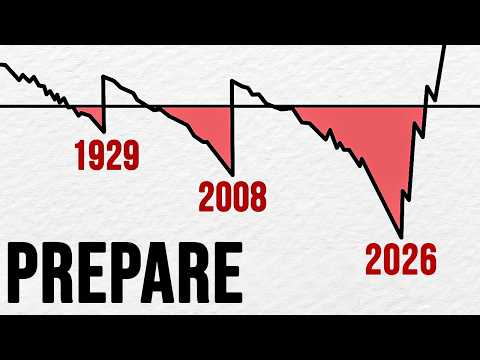
林宜悉 posted on 2026/03/31Worried about the global economy? This video dives deep into why a major recession might be coming, covering everything from the Iran war to supply chain issues and US debt. You'll boost your vocabulary with advanced terms related to economics and geopolitics, perfect for understanding complex global events!
Learn this video on the APP!
The VoiceTube App has more in-depth practice for videos!