
achieve
US /əˈtʃiv/
UK /ə'tʃi:v/
- Transitive Verb
- To succeed in doing good, usually by working hard
- To succeed in reaching a particular goal, status, or standard, often after effort or perseverance.
A2TOEICMoreaim
US /em/
UK /eɪm/
- Noun (Countable/Uncountable)
- Act of pointing something at a target
- Purpose or goal
- Transitive Verb
- To point something at a target
- To intend to get a thing or for a thing to happen
A2TOEICMoreanchorage
US /ˈæŋkərɪdʒ/
UK /'æŋkərɪdʒ/
- Noun (Countable/Uncountable)
- Condition of (boat) being secured to a base
- A place where ships may anchor.
B2Moreat the moment
US
UK
- Adverb
- At this time; now
A1Moreat the same time
US
UK
- Phrase
- Simultaneously; at the identical moment.
- Nevertheless; however; used to introduce a contrasting or qualifying statement.
A1Moreblaze
US /blez/
UK /bleɪz/
- Intransitive Verb
- (Of a fire) to burn brightly
- (Of the sun, etc.) to shine brightly
- Noun (Countable/Uncountable)
- Bright light, as from a burning fire
- a sudden show of very strong feeling
B1Moreborder
US /ˈbɔrdɚ/
UK /'bɔ:də(r)/
- Verb (Transitive/Intransitive)
- To be right next to another country or state
- To form the edge of something
- Noun
- Outer part or edge of something
- Line separating one country, state from another
A2TOEICMoreclarify
US /ˈklærəˌfaɪ/
UK /'klærəfaɪ/
- Transitive Verb
- To make a liquid become clear or pure
- To state again so that a point is clearer
B1Morecome at
US /kʌm æt/
UK /kʌm æt/
- Phrasal Verb
- To approach someone to attack them
A1Morecontradict
US /ˌkɑntrəˈdɪkt/
UK /ˌkɒntrə'dɪkt/
- Verb (Transitive/Intransitive)
- To say the opposite is so; say something different
- To say the opposite of what someone else has said; to deny the truth of (a statement).
B1Morecontradiction
US /ˌkɑ:ntrəˈdɪkʃn/
UK /ˌkɒntrəˈdɪkʃn/
- Noun (Countable/Uncountable)
- Saying or showing something is not so
- A statement that is the opposite of another statement.
B1Morecorrespondent
US /ˌkɔrɪˈspɑndənt, ˌkɑr-/
UK /ˌkɒrəˈspɒndənt/
- Countable Noun
- Journalist, as one reporting from other countries
B1Morecouple
US /ˈkʌpəl/
UK /'kʌpl/
- Transitive Verb
- To join something to something else
- (Two animals) to engage in sexual relations
- Noun (Countable/Uncountable)
- Two people in a romantic relationship
- Two of something; two people; a pair
A2Morecrew
US /kru/
UK /kru:/
- Countable Noun
- Organized group of workers (e.g. on a ship)
- Skilled group of people working together on a task
- Intransitive Verb
- To work as part of a crew.
A2TOEICMoredefense
US /dɪˈfɛns/
UK /dɪ'fens/
- Noun (Countable/Uncountable)
- Argument in support of something
- The process of protecting something from attack
B1TOEICMoredegrade
US /dɪˈɡred/
UK /dɪ'ɡreɪd/
- Transitive Verb
- To reduce in amount or strength
B2Moredrone
US /dron/
UK /drəʊn/
- Countable Noun
- A remote controlled flying device
- Male bee
- Intransitive Verb
- To talk in a continually dull or monotonous voice
- To make a continuous low humming sound.
B2TOEICMoreen route
US /ɛn rut/
UK /en ru:t/
- Adverb
- On the way; during a journey.
- Adjective
- On the way; traveling.
existential
US /ˌɛɡzɪˈstɛnʃəl, ˌɛksɪ-/
UK /ˌegzɪˈstenʃəl/
- Adjective
- Philosophy concerning existence
B2Moreexpand
US /ɪkˈspænd/
UK /ɪk'spænd/
- Verb (Transitive/Intransitive)
- To make something larger in size, number, amount
A2TOEICMoreexpansion
US /ɪkˈspænʃən/
UK /ɪkˈspænʃn/
- Noun (Countable/Uncountable)
- Making or becoming larger
- The process of increasing in size, number, or scope, especially in a business context.
B2TOEICMorefor the most part
US
UK
- Phrase
- Generally; mostly; on the whole.
- Mostly; generally; in most cases.
A1Moreget through
US /ɡɛt θru/
UK /ɡet θru:/
- Phrasal Verb
- To arrive at the end of or finish something
- To succeed in contacting someone by phone
A1Moregoing on
US /ˈɡoɪŋ ɑn/
UK /ˈgəʊɪŋ ɔn/
- Phrasal Verb
- To continue doing something
- To happen (usually negative)
A1Morehalfway
US /ˌhæfˈweɪ/
UK /ˌhɑ:fˈweɪ/
- Adverb
- A middle point between two extremes
- At or to a point equidistant between two places.
- Adjective
- Located at or being at a point equidistant between two places.
- Partially completed; at an intermediate stage.
B2Morehave on
US /hæv ɑn/
UK /hæv ɔn/
- Phrasal Verb
- To be wearing something.
- To deceive or trick someone, often in a playful way.
A1Morein control
US /ɪn kənˈtrol/
UK /in kənˈtrəul/
- Adjective
- Having the power to direct or regulate something; able to manage or direct a situation or person.
- Possessing self-restraint and the ability to manage one's own behavior and emotions.
- Phrase
- Having command or authority; managing effectively.
C1Morein terms of
US
UK
- Phrase
- With regard to; concerning a particular aspect.
A1Morein the past
US
UK
- Phrase
- During a former period of time; previously.
A1Moreincident
US / ˈɪnsɪdənt/
UK /ˈɪnsɪdənt/
- Noun (Countable/Uncountable)
- Event, usually unusual or important; accident
- A political event that causes difficulties.
A2Moreintercept
US /ˌɪntərˈsept/
UK /ˌɪntəˈsept/
- Transitive Verb
- To stop or catch something while it is moving
B2Moreinvasion
US /ɪnˈveʒən/
UK /ɪnˈveɪʒn/
- Uncountable Noun
- Entry into a place to cause harm
- An unwelcome intrusion into another's domain.
B1Moreinvestigate
US /ɪnˈvɛstɪˌɡet/
UK /ɪn'vestɪɡeɪt/
- Verb (Transitive/Intransitive)
- To try to find out facts; to carry out research
A2Morelook around
US /lʊk əˈraʊnd/
UK /luk əˈraund/
- Phrasal Verb
- To explore a place; search for something.
A1Moremilitary
US /ˈmɪlɪˌtɛri/
UK /'mɪlətrɪ/
- Noun
- Army or armed forces
- Adjective
- Concerning the army or navy
B1Morenecessarily
US /ˌnɛsɪˈsɛrəli, -ˈsɛr-/
UK /ˌnesəˈserəli/
- Adverb
- In a way that is needed/required/is unavoidable
A2TOEICMorenighttime
US /'naɪtˌtaɪm/
UK /'naɪttaɪm/
- Uncountable Noun
- Time after sunset and before sunrise
C2Moreobliterate
US /əˈblɪtəˌret,oˈblɪt-/
UK /ə'blɪtəreɪt/
- Transitive Verb
- To completely destroy; rub out; stamp out
B2Moreof course
US /ʌv kɔː(r)s/
UK /ɔv kɔː(r)s/
- Adverb
- Sure ; Certainly
- Phrase
- For sure; certainly
A2Moreoff of
US /ɔf ʌv/
UK /ɔf ɔv/
- Preposition
- From a position on something; down from.
A1Moreoffensive
US /əˈfɛnsɪv/
UK /əˈfensɪv/
- Adjective
- Causing displeasure or anger
- Attacking or intended to attack
- Noun
- A military attack
B1TOEICMoreon board
US /ɑn bɔrd/
UK /ɔn bɔ:d/
- Phrase
- Being on a ship, plane, or other vehicle
- Adverb
- On or in a ship, aircraft, train, or other vehicle
A1Moreon sunday
US
UK
- Phrase
- Every Sunday; each Sunday.
- Referring to a particular Sunday.
A1Moreon the ground
US
UK
- Phrase
- Located on the surface of the earth.
- Present and available in a particular place, especially to deal with a situation.
on to
US /ɑn tu/
UK /ɔn tu:/
- Preposition
- Toward something; forward
- Aware of someone's activities.
- Adjective
- Aware of someone's deception or illegal activities.
A1Moreopposition
US /ˌɑ:pəˈzɪʃn/
UK /ˌɒpəˈzɪʃn/
- Uncountable Noun
- Act of disagreeing or trying to stop something
- Group that you are fighting or competing against
B1Morepeacekeeper
US /ˈpisˌkipɚ/
UK /ˈpi:ski:pə(r)/
- Countable Noun
- Military person assigned to preserve peace
C2Moreprime
US /praɪm/
UK /praɪm/
- Transitive Verb
- To get a person ready for; prepare someone
- To coat with paint to prepare it for the main coat
- Adjective
- Concerning the highest in quality or value
- Concerning the highest level of achievement
A2TOEICMoreprojectile
US /prəˈdʒɛktəl, -ˌtaɪl/
UK /prəˈdʒektaɪl/
- Noun
- Something thrown or fired at a target
C1Morerather than
US
UK
- Adverb
- More exactly; more correctly
- Preferably; instead
- Preposition
- Instead of
A1Morereduce
US /rɪˈdus, -ˈdjus/
UK /rɪ'dju:s/
- Verb (Transitive/Intransitive)
- To try to decrease, e.g. your weight if overweight
- To boil a liquid until it has decreased in amount
A2TOEICMoreregime
US /reˈʒim, rɪ-/
UK /reɪˈʒi:m/
- Noun
- A system of management; a form of government
B1Moresame time
US
UK
- Phrase
- Occurring simultaneously or at the same point in time.
- At the identical time as before; recurring at a fixed hour.
- Noun
- An equal duration or period.
A1Moreseek
US /sik/
UK /si:k/
- Transitive Verb
- To ask someone for help
- To search for; try to find or do; look for
A2TOEICMoreshelter
US /ˈʃɛltɚ/
UK /'ʃeltə(r)/
- Noun (Countable/Uncountable)
- Place to protect people/animals from abuse
- Structure that covers or protects things
- Transitive Verb
- To give animals, people a place away from abuse
- To find protection from danger/bad weather
B1Morespark
US /spɑrk/
UK /spɑ:k/
- Countable Noun
- Small piece of burning material produced by fire
- Tiny, brief bit of light caused by electric energy
- Intransitive Verb
- To make tiny, brief bits of light
B1Moretackle
US /ˈtækəl/
UK /'tækl/
- Transitive Verb
- To start working on a difficult problem
- To grab and throw a person to the ground
- Noun (Countable/Uncountable)
- Equipment used in fishing
- Arrangement of ropes and wheels used for lifting
B1TOEICMoretanker
US /ˈtæŋkɚ/
UK /ˈtæŋkə(r)/
- Countable Noun
- Vehicle built to transport liquids
B2Morethreat
US /θrɛt/
UK /θret/
- Noun
- Warning of probable trouble
- A warning that you may be harmed
A2TOEICMoreto a degree
US /tu e dɪˈɡri/
UK /tu: ə diˈɡri:/
- Phrase
- Partially; somewhat.
A1Moreunder control
US /ˈʌndɚ kənˈtrol/
UK /ˈʌndə kənˈtrəul/
- Adjective
- Being managed or restrained; not out of hand.
- Having one's emotions or impulses restrained.
- Phrase
- A situation that is being managed effectively.
C1Morevehicle
US /ˈvi:hɪkl/
UK /ˈvi:əkl/
- Noun (Countable/Uncountable)
- Machine (such as a car) used to carry things
- Means of expressing, showing, or achieving
A2TOEICMorevessel
US /ˈvɛsəl/
UK /ˈvesl/
- Countable Noun
- Container, such as a cup, for holding liquids
- A ship or boat; something that carries things
B1TOEICMorewipe
US /waɪp/
UK /waɪp/
- Transitive Verb
- To clean or dry something with a cloth
- To spread a liquid on something
- Noun
- Act to clean or dry something with a cloth
A2More
Vocabulary
- of course: Sure ; Certainly
- in terms of
- off of: From a position on something; down from.
- on to: Toward something; forward
- have on: To be wearing something.
- at the same time: Simultaneously; at the identical moment.
- same time: Occurring simultaneously or at the same point in time.
- on sunday: Every Sunday; each Sunday.
- going on: To continue doing something
- in the past: During a former period of time; previously.
- en route: On the way; during a journey.
- under control: Being managed or restrained; not out of hand.
- on board: Being on a ship, plane, or other vehicle
- get through: To arrive at the end of or finish something
- for the most part: Generally; mostly; on the whole.
- come at: To approach someone to attack them
- rather than: More exactly; more correctly
- look around: To explore a place; search for something.
- to a degree: Partially; somewhat.
- at the moment: At this time; now
- on the ground: Located on the surface of the earth.
- in control: Having the power to direct or regulate something; able to manage or direct a situation or person.
- sort: To organize things by putting them into groups
- situation: Place, position or area that something is in
- evidence: Factual proof that helps to establish the truth
- tackle: To start working on a difficult problem
- necessarily: In a way that is needed/required/is unavoidable
- achieve: To succeed in doing good, usually by working hard
- industry: Hard work; being busy working
- prime: To get a person ready for; prepare someone
- military: Army or armed forces
- shelter: Place to protect people/animals from abuse
- regime: A system of management; a form of government
- vessel: Container, such as a cup, for holding liquids
- expand: To make something larger in size, number, amount
- threat: Warning of probable trouble
- seek: To ask someone for help
- spark: Small piece of burning material produced by fire
- crew: Organized group of workers (e.g. on a ship)
- couple: To join something to something else
- contradict: To say the opposite is so; say something different
- incident: Event, usually unusual or important; accident
- reduce: To try to decrease, e.g. your weight if overweight
- vehicle: Machine (such as a car) used to carry things
- offensive: Causing displeasure or anger
- correspondent: Journalist, as one reporting from other countries
- suggest: To mention something that could be done; propose
- drone: A remote controlled flying device
- aim: Act of pointing something at a target
- investigate: To try to find out facts; to carry out research
- invasion: Entry into a place to cause harm
- normal: Standard or regular way of doing something
- defense: Argument in support of something
- obliterate: To completely destroy; rub out; stamp out
- border: To be right next to another country or state
- wipe: To clean or dry something with a cloth
- control: A device designed to operate a machine
- continue: To do something without stopping, or after pausing
- existential: Philosophy concerning existence
- program: To make someone act or think in a certain way
- clarify: To make a liquid become clear or pure
- contradiction: Saying or showing something is not so
- blaze: (Of a fire) to burn brightly
- expansion: Making or becoming larger
- opposition: Act of disagreeing or trying to stop something
- deep: Complex and important
- halfway: A middle point between two extremes
- intercept: To stop or catch something while it is moving
- area: Amount of measured space
- list: To lean to one side, like a boat or ship
- degrade: To reduce in amount or strength
- fight: To argue or quarrel with someone about something
- hear: To be aware of sound; to perceive with the ear
- stay: To keep trying without giving up
- projectile: Something thrown or fired at a target
- nighttime: Time after sunset and before sunrise
- tanker: Vehicle built to transport liquids
- anchorage: Condition of (boat) being secured to a base
- peacekeeper: Military person assigned to preserve peace
Get the full experience in the app
Learn anywhere with detailed sentence and usage analysis
01:03
She took a brave step forward, leaving behind her comfort zone to chase her dreams.
Vocabulary
- brave
adj. Having courage
- comfort zone
phr. A familiar situation where one feels safe
Explanation
a brave step is a noun phrase, where brave is an adjective modifying the noun step, meaning "a courageous step".
forward is an adverb modifying step, meaning "ahead".
The whole phrase serves as the object, answering the "what" of took (verb) — she took a brave step forward.
Get the full experience in the app
Look up words anytime with pronunciation, part of speech, and usage
brave
US/brev/
UK/breɪv/
adj.Brave
v.t.To bravely face
A2 Elementary
Get the full experience in the app
Practice speaking anytime and get instant pronunciation feedback
Try this speaking exercise.
Try practicing with this sentence.
80
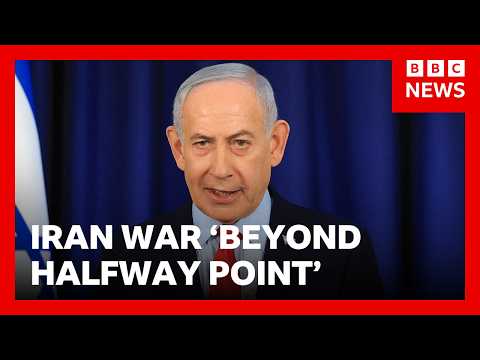
Israeli PM Netanyahu says Iran war is 'beyond halfway point' | BBC News
0
林宜悉 posted on 2026/03/31Curious about the latest developments in the Middle East? This video dives into the complex Iran conflict, featuring insights from Benjamin Netanyahu and analysis of drone attacks, perfect for boosting your advanced vocabulary and understanding of international affairs. You'll pick up crucial terms related to geopolitical tensions and gain deeper cultural insights into the region's dynamics.
Learn this video on the APP!
The VoiceTube App has more in-depth practice for videos!