
additional
US /ə'dɪʃənl/
UK /əˈdɪʃənl/
- Adjective
- Further or added
- Extra to what already exists
A2TOEICMoreadministration
US / ædˌmɪnɪˈstreʃən/
UK /ədˌmɪnɪˈstreɪʃn/
- Uncountable Noun
- Act of giving e.g. medicine to a patient
- The work of running something, e.g. a business
B1TOEICMoreapproval
US /əˈpruvəl/
UK /əˈpru:vl/
- Uncountable Noun
- Agreement that person/thing is acceptable
- Positive opinion of something or someone
A2TOEICMoreas long as
US /æz lɔŋ æz/
UK /æz lɔŋ æz/
- Conjunction
- For the period that; provided that.
- For the length of time that
- Preposition
- On the condition that; providing that.
- Having the same length as.
A1Moreat least
US /æt list/
UK /æt li:st/
- Adverb
- As a minimum
- Not less than
- Phrase
- No less than; at the minimum
- Used to indicate that something is positive in a bad situation.
C2Moreat some point
US /æt sʌm pɔɪnt/
UK /æt sʌm pɔint/
- Phrase
- At an unspecified time, usually in the future.
A1Moreballistic
US /bəˈlɪstɪk/
UK /bəˈlɪstɪk/
- Adjective
- Of the science of movement of rockets and bullets
C1Morebill
US /bɪl/
UK /bɪl/
- Noun
- Plan for a new law being discussed by a government
- Sign or poster advertising something
- Transitive Verb
- To request payment by handing over an invoice
A2TOEICMoreborder
US /ˈbɔrdɚ/
UK /'bɔ:də(r)/
- Verb (Transitive/Intransitive)
- To be right next to another country or state
- To form the edge of something
- Noun
- Outer part or edge of something
- Line separating one country, state from another
A2TOEICMorebring in
US /brɪŋ ɪn/
UK /briŋ in/
- Phrasal Verb
- To earn a certain amount of money or profits
- To add person into existing group, e.g. phone call
A1Morebrutal
US /ˈbrutl/
UK /'bru:tl/
- Adjective
- Extremely violent or mean
B1Moreby any means
US
UK
- Phrase
- In any way possible, regardless of the method
- Whatever is necessary to achieve something.
A1Morecare of
US /kɛr ʌv/
UK /kɛə ɔv/
- Preposition
- Used in an address to indicate the person who will receive the mail for someone else.
A2Morecarry out
US /ˈkæri aʊt/
UK /ˈkæri aut/
- Phrasal Verb
- To fulfill or perform your instructions, duty
- Verb (Transitive/Intransitive)
- To perform or execute a task, order, or plan.
- To remove something or someone from a place.
A1Morecome after
US /kʌm ˈæftɚ/
UK /kʌm ˈɑ:ftə/
- Phrasal Verb
- To follow someone in order to threaten them
A1Morecongress
US /ˈkɑŋɡrɪs/
UK /'kɒŋɡres/
- Noun (Countable/Uncountable)
- Meeting of elected or appointed representatives
- Proper Noun
- American governing body of elected representatives
B1Morecongressional
US /kənˈɡreʃənl/
UK /kənˈgreʃənl/
- Adjective
- Concerning the US congress
B2Morecut off
US /kʌt ɔf/
UK /kʌt ɔf/
- Phrasal Verb
- To end a process, e.g. a phone call
- To cut the end of something
- Transitive Verb
- To isolate or prevent access to a place or person.
- To interrupt someone while they are speaking.
A1Moredeal with
US /dil wɪð/
UK /di:l wið/
- Verb (Transitive/Intransitive)
- To buy or sell goods or services.
- Phrasal Verb
- To take action to solve a problem or manage a situation.
- To be about; concern.
A1Moredemand
US /dɪˈmænd/
UK /dɪ'mɑ:nd/
- Noun (Countable/Uncountable)
- Desire customers have to buy product, service
- A strong request for someone to do something
- Transitive Verb
- To strongly request someone to do something
- To need something.
A2TOEICMoredestroy
US /dɪˈstrɔɪ/
UK /dɪ'strɔɪ/
- Transitive Verb
- To damage so badly that something no longer exists
- To defeat someone or something easily
A2TOEICMoredetermine
US /dɪˈtɚmɪn/
UK /dɪ'tɜ:mɪn/
- Transitive Verb
- To control exactly how something will be or act
- To establish the facts about; discover
A2TOEICMorefederal
US /ˈfɛdərəl, ˈfɛdrəl/
UK /'fedərəl/
- Adjective
- Consisting of several united states
- Relating to a system of government in which power is divided between a central authority and constituent political units.
- Proper Noun
- The central banking system of the United States.
B1Morefight on
US
UK
- Phrasal Verb
- To continue fighting despite difficulties or setbacks.
A1Morefor instance
US /fɔr ˈɪnstəns/
UK /fɔ: ˈinstəns/
- Adverb
- As an example.
- Phrase
- As an example.
- As an illustration or case in point
B1Morefor the rest
US /fɔr ði rɛst/
UK /fɔ: ðə rest/
- Phrase
- Concerning the remaining people or things.
- During the remaining part of a period of time.
A1Moreforce in
US /fɔrs ɪn/
UK /fɔ:rs ɪn/
- other
- To enter a place by applying physical force.
B2Morefrustrating
US /frʌˈstretɪŋ/
UK /frʌˈstreɪtɪŋ/
- Transitive Verb
- To make annoyed because things don't go well
- To prevent (someone) from accomplishing something.
- Adjective
- Annoying because things don't go the way you want
- Serving to frustrate.
B1Morego back to
US /ɡo bæk tu/
UK /ɡəu bæk tu:/
- Phrasal Verb
- To return to a starting point
A1Moregot to
US /ɡɑt tu/
UK /gɔt tu:/
- Verb (Transitive/Intransitive)
- To arrive at some place
- To have the opportunity or permission to do something
- Phrasal Verb
- To appeal to the emotions of; move
- To finally begin to start something after a delay
A1Morehave at
US
UK
- Phrasal Verb
- To attack someone or something.
- To begin doing something with enthusiasm.
A1Morehave to
US /hæv tu/
UK /ˈhæv tə/
- Auxiliary Verb
- Must do
A1Morehomeland
US /ˈhoʊmlænd/
UK /ˈhəʊmlænd/
- Noun
- Country where you were born
C1Morein charge
US /ɪn tʃɑrdʒ/
UK /in tʃɑ:dʒ/
- Adverb
- To be responsible for
A1Morein fact
US /ɪn fækt/
UK /in fækt/
- Adverb
- Used to emphasize the truth of a statement, especially one that contrasts with or contradicts something else.
- Used to introduce a more detailed or surprising piece of information.
- Phrase
- Used to emphasize the truth of a statement, especially one that is surprising or contrary to what might be expected.
C1Morein peace
US /ɪn pis/
UK /in pi:s/
- Phrase
- In a state of tranquility, without disturbance or conflict.
- In a state of non-war, without armed conflict.
B1Morein power
US /ɪn ˈpaʊɚ/
UK /in ˈpauə/
- Adjective
- Having control of a country or organization.
- Phrase
- During a period of holding authority or control.
B1Morein public
US /ɪn ˈpʌblɪk/
UK /in ˈpʌblik/
- Phrase
- In a place where anyone can see or hear you.
- Adjective
- Relating to the government or the people as a whole.
B1Morein session
US /ɪn ˈsɛʃən/
UK /in ˈseʃən/
- Adjective
- Actively meeting or conducting business.
B1Morein the world
US /ɪn ði wɜrld/
UK /in ðə wɜː(r)ld/
- Phrase
- Used to emphasize a question expressing surprise, confusion, or disbelief.
- Used to indicate the extent or degree of something, often in a superlative sense.
A1Morelast summer
US
UK
- Noun
- The summer before this one.
- Phrase
- Referring to events or memories from the previous summer.
A1Morelaunch
US /lɔntʃ, lɑntʃ/
UK /lɔ:ntʃ/
- Noun
- Starting a new project; introducing new product
- Act of firing rockets into the air
- Transitive Verb
- To start a new project; start selling a product
- To put a rocket into the air
A2TOEICMorelift
US /lɪft/
UK /lɪft/
- Noun
- Picking someone up in a car and taking to a place
- Machine carrying people up or down to other floors
- Transitive Verb
- To stop or cancel something, such as a rule
- To move something to higher position
A2Morelimit
US /ˈlɪmɪt/
UK /'lɪmɪt/
- Noun (Countable/Uncountable)
- Point beyond which it is not possible to go
- A line or edge marking the boundary of an area.
- Transitive Verb
- To stop or prevent an increase past a point
A2TOEICMorelive on
US
UK
- Phrasal Verb
- To continue to exist or be remembered.
- To eat a particular type of food as the main thing.
look at
US /lʊk æt/
UK /luk æt/
- Phrasal Verb
- To use your eyes to focus on something
- To focus your eyes on something carefully
A1Moremilitary
US /ˈmɪlɪˌtɛri/
UK /'mɪlətrɪ/
- Noun
- Army or armed forces
- Adjective
- Concerning the army or navy
B1Moremissile
US /ˈmɪsəl/
UK /ˈmisail/
- Noun
- A weapon that is thrown, shot or launched
- A self-propelled guided weapon.
- Adjective
- Relating to or used in missiles.
B1Moremove to
US /muv tu/
UK /mu:v tu:/
- Phrasal Verb
- To change the place where you live or work.
- Verb (Transitive/Intransitive)
- To proceed to the next stage or action.
A2Morenegotiation
US /nɪˌɡoʃiˈeʃən/
UK /nɪˌgəʊʃiˈeɪʃn/
- Uncountable Noun
- A formal discussion to reach an agreement
B1Moreof course
US /ʌv kɔː(r)s/
UK /ɔv kɔː(r)s/
- Adverb
- Sure ; Certainly
- Phrase
- For sure; certainly
A2Moreon the ground
US
UK
- Phrase
- Located on the surface of the earth.
- Present and available in a particular place, especially to deal with a situation.
on the same page
US /ɑn ðə ˈseɪm ˈpeɪdʒ/
UK /ɒn ðə ˈseɪm ˈpeɪdʒ/
- other
- To have a shared understanding or agreement about something.
B1Moreout there
US /aʊt ðɛr/
UK /aut ðɛə/
- Adverb
- In or to a place that is far away
- Existing in the universe
- Adjective
- Unconventional; strange; avant-garde
- Existing or available.
A1Morepalm
US /pɑ:m/
UK /pɑ:m/
- Noun (Countable/Uncountable)
- Inner area of a person's hand
- Tropical tree with large leaves only at its top
- Transitive Verb
- To hide something in your hand
- To push someone way with your hand
B1Morepass through
US /pæs θru/
UK /pɑ:s θru:/
- Phrasal Verb
- To experience something, often unpleasant or difficult.
- To go through something; to move from one side to the other of something.
A2Morepatrol
US /pəˈtrol/
UK /pə'trəʊl/
- Noun (Countable/Uncountable)
- Person or group who checks an area is safe
- Verb (Transitive/Intransitive)
- To survey an area to maintain safety and order
B1Morepoll
US /pol/
UK /pəʊl/
- Noun (Countable/Uncountable)
- Process of gathering opinions by asking questions
- Polls where you go to cast your vote in elections
- Transitive Verb
- To ask a group of people in a vote or election
B1TOEICMorepre
US
UK
- Prefix
- A prefix meaning 'before'
B2Morepressure
US /ˈprɛʃɚ/
UK /'preʃə(r)/
- Noun (Countable/Uncountable)
- Anxiety caused by difficult problems
- Force, weight when pressing against a thing
- Transitive Verb
- To apply force to something
- To persuade or force someone to do something
A2TOEICMoreprosecute
US /ˈprɑsɪˌkjut/
UK /'prɒsɪkju:t/
- Transitive Verb
- To try to prove someone legally guilty of a crime
- To proceed with something, such as a transaction
B2Moreratchet up
US
UK
- Phrasal Verb
- To increase something by a series of small steps.
- To intensify or escalate a situation or action.
regime
US /reˈʒim, rɪ-/
UK /reɪˈʒi:m/
- Noun
- A system of management; a form of government
B1Moreregion
US /ˈridʒən/
UK /'ri:dʒən/
- Noun (Countable/Uncountable)
- Part of a country, of the world, area, etc.
- A part of the body
A2TOEICMorerelief
US /rɪˈlif/
UK /rɪˈli:f/
- Noun (Countable/Uncountable)
- Aid given to people in need as after war/disaster
- Artwork, e.g. part of wall, that partly sticks out
B1TOEICMorereward
US /rɪˈwɔrd/
UK /rɪ'wɔ:d/
- Transitive Verb
- To give something because of someone's good work
- To give someone money for helping the police
- Noun
- Money given for information about criminals
- Something given in recognition of service, effort, or achievement.
A2TOEICMoresecurity
US /sɪˈkjʊrɪti/sə'kjurətɪ/
UK /sɪ'kjʊərətɪ/
- Noun
- Department in a company in charge of protection
- Financial document, like stocks, bonds and notes
A2TOEICMoresenate
US /ˈsɛnɪt/
UK /'senət/
- Noun
- A board of governors at a college or university
B2Moresenator
US /ˈsɛnətɚ/
UK /ˈsenətə(r)/
- Noun
- An elected politician belonging to the senate
B2Moreset aside
US
UK
- Phrasal Verb
- To reject or throw away, e.g. an idea
- To separate and save for another use or time
- Transitive Verb
- To keep or save something for use at a later time.
- To designate or allocate something for a specific purpose or group.
A1Moreshut down
US /ʃʌt daʊn/
UK /ʃʌt daun/
- Phrasal Verb
- To close an operating system, e.g. on a computer
- To stop a factory/machine from operating
- Transitive Verb
- To deactivate a nuclear reactor.
- To turn off a computer or other electronic device.
A2Morestart off
US /stɑrt ɔf/
UK /stɑ:t ɔf/
- Phrasal Verb
- To begin or commence something.
- To begin a journey.
B2Morestrait
US /stret/
UK /streɪt/
- Noun
- Channel joining large bodies of water
C2Moresupreme
US /sʊˈprim/
UK /su:ˈpri:m/
- Adjective
- Greatest in degree/nature/quality; absolute best
- Holding the highest power, status or authority
B1Moretake down
US /tek daʊn/
UK /teik daun/
- Phrasal Verb
- To capture physically
- To break something into pieces, e.g. a radio
A1Moretake out
US /tek aʊt/
UK /teik aut/
- Phrasal Verb
- To apply for and get a license
- To take someone on a date
- Uncountable Noun
- Food purchased at a restaurant to eat elsewhere.
A1Moretaken over
US
UK
- Phrasal Verb
- To gain control of (a company) from someone else
- To gain control of something.
A1Moretalking about
US
UK
- Phrasal Verb
- To discuss a particular topic.
- To be constantly mentioning or bringing up a subject.
A1Morethreat
US /θrɛt/
UK /θret/
- Noun
- Warning of probable trouble
- A warning that you may be harmed
A2TOEICMoretremendous
US /trɪˈmɛndəs/
UK /trəˈmendəs/
- Adjective
- Very good or very impressive
- Extremely large or great.
B1TOEICMoreused to
US /juzd tu/
UK /ˈju:st tə/
- Adjective
- Did regularly before, but don't do now
- Auxiliary Verb
- Have done before, but do not do now
A1Morewith just
US
UK
- Phrase
- Using only; with no more than.
- Barely; by a narrow margin.
A2More
Vocabulary
- on the ground: Located on the surface of the earth.
- got to: To arrive at some place
- talking about: To discuss a particular topic.
- have to: Must do
- last summer: The summer before this one.
- in fact: Used to emphasize the truth of a statement, especially one that contrasts with or contradicts something else.
- take out: To apply for and get a license
- by any means: In any way possible, regardless of the method
- in power: Having control of a country or organization.
- have at: To attack someone or something.
- carry out
- in the world: Used to emphasize a question expressing surprise, confusion, or disbelief.
- cut off: To end a process, e.g. a phone call
- on the same page: To have a shared understanding or agreement about something.
- used to: Did regularly before, but don't do now
- start off: To begin or commence something.
- take down: To capture physically
- shut down: To close an operating system, e.g. on a computer
- of course: Sure ; Certainly
- taken over: To gain control of (a company) from someone else
- in public: In a place where anyone can see or hear you.
- bring in: To earn a certain amount of money or profits
- at least: As a minimum
- force in: To enter a place by applying physical force.
- ratchet up: To increase something by a series of small steps.
- come after: To follow someone in order to threaten them
- as long as: For the period that; provided that.
- in peace: In a state of tranquility, without disturbance or conflict.
- look at: To use your eyes to focus on something
- with just: Using only; with no more than.
- deal with
- move to: To change the place where you live or work.
- fight on: To continue fighting despite difficulties or setbacks.
- go back to: To return to a starting point
- pass through: To experience something, often unpleasant or difficult.
- for the rest: Concerning the remaining people or things.
- set aside: To reject or throw away, e.g. an idea
- for instance: As an example.
- in charge: To be responsible for
- at some point: At an unspecified time, usually in the future.
- out there: In or to a place that is far away
- care of: Used in an address to indicate the person who will receive the mail for someone else.
- in session: Actively meeting or conducting business.
- live on: To continue to exist or be remembered.
- tremendous: Very good or very impressive
- determine: To control exactly how something will be or act
- demand: Desire customers have to buy product, service
- reward: To give something because of someone's good work
- measure: Plan to achieve a desired result
- pressure: Anxiety caused by difficult problems
- frustrating: To make annoyed because things don't go well
- brutal: Extremely violent or mean
- military: Army or armed forces
- regime: A system of management; a form of government
- federal: Consisting of several united states
- region: Part of a country, of the world, area, etc.
- congress: Meeting of elected or appointed representatives
- security: Department in a company in charge of protection
- launch: Starting a new project; introducing new product
- threat: Warning of probable trouble
- administration: Act of giving e.g. medicine to a patient
- create: To make, cause, or bring into existence
- lift: Picking someone up in a car and taking to a place
- relief: Aid given to people in need as after war/disaster
- ground: To break (coffee, etc.) into tiny bits with machine
- palm: Inner area of a person's hand
- poll: Process of gathering opinions by asking questions
- approval: Agreement that person/thing is acceptable
- supreme: Greatest in degree/nature/quality; absolute best
- destroy: To damage so badly that something no longer exists
- moment: Very short or brief period of time
- additional: Further or added
- border: To be right next to another country or state
- limit: Point beyond which it is not possible to go
- bill: Plan for a new law being discussed by a government
- support: To give assistance or advice to someone
- government: Group of people and system that rule a nation
- program: To make someone act or think in a certain way
- wear: To have clothes, glasses, shoes etc. on your body
- senate: A board of governors at a college or university
- strait: Channel joining large bodies of water
- negotiation: A formal discussion to reach an agreement
- missile: A weapon that is thrown, shot or launched
- patrol: Person or group who checks an area is safe
- world: All the humans, events, activities on the earth
- carry: To have a child, be pregnant
- senator: An elected politician belonging to the senate
- clear: Empty; without anything in it or on it
- prosecute: To try to prove someone legally guilty of a crime
- country: An area of land that is controlled by a government
- ballistic: Of the science of movement of rockets and bullets
- people: Persons sharing culture, country, background, etc.
- put: To move or place a thing in a particular position
- congressional: Concerning the US congress
- agree: To have the same opinion as someone else
- homeland: Country where you were born
- pre: A prefix meaning 'before'
Get the full experience in the app
Learn anywhere with detailed sentence and usage analysis
01:03
She took a brave step forward, leaving behind her comfort zone to chase her dreams.
Vocabulary
- brave
adj. Having courage
- comfort zone
phr. A familiar situation where one feels safe
Explanation
a brave step is a noun phrase, where brave is an adjective modifying the noun step, meaning "a courageous step".
forward is an adverb modifying step, meaning "ahead".
The whole phrase serves as the object, answering the "what" of took (verb) — she took a brave step forward.
Get the full experience in the app
Look up words anytime with pronunciation, part of speech, and usage
brave
US/brev/
UK/breɪv/
adj.Brave
v.t.To bravely face
A2 Elementary
Get the full experience in the app
Practice speaking anytime and get instant pronunciation feedback
Try this speaking exercise.
Try practicing with this sentence.
80
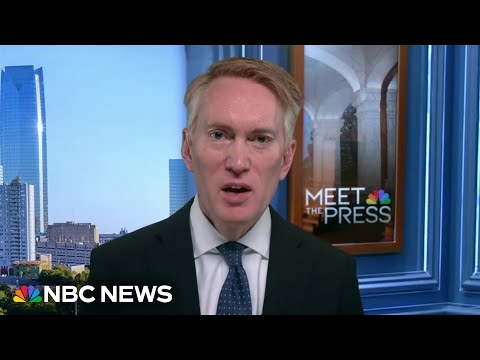
Sen. Lankford says U.S. is winning Iran war but ‘there’s still work to be done’: Full interview
0
Richard VT posted on 2026/03/29Curious about the latest on US foreign policy and the situation with Iran? This interview dives deep into critical topics like ballistic missiles and troop deployment, offering a fantastic chance to boost your vocabulary with specialized terms. You'll gain valuable insights into international affairs while practicing your listening comprehension with fast-paced dialogue!
Learn this video on the APP!
The VoiceTube App has more in-depth practice for videos!