
ability
US /əˈbɪlɪti/
UK /ə'bɪlətɪ/
- Noun (Countable/Uncountable)
- The power, resources or skill to do something
- A particular skill or talent.
A2TOEICMoreaffect
US /əˈfɛkt/
UK /ə'fekt/
- Transitive Verb
- To cause a change in something else
- To pretend to have or feel (something).
- Noun
- (Psychology) Emotion or feeling.
A2TOEICMoreat home
US /æt hom/
UK /æt həum/
- Phrase
- In one's own residence or country.
- Adjective
- Feeling comfortable and relaxed.
at the same time
US
UK
- Phrase
- Simultaneously; at the identical moment.
- Nevertheless; however; used to introduce a contrasting or qualifying statement.
A1Moreattention
US /əˈtɛnʃən/
UK /əˈtenʃn/
- Noun (Countable/Uncountable)
- Taking notice of someone or something
- Noun
- (Soldiers) Standing with straight backs
A2TOEICMoreavoid
US /əˈvɔɪd/
UK /ə'vɔɪd/
- Transitive Verb
- To prevent from happening
- To stay away from
A2TOEICMoreboost
US /bust/
UK /bu:st/
- Transitive Verb
- To increase something; to make something better
- To push someone or something up from beneath them
- Noun (Countable/Uncountable)
- An increase in something
B1TOEICMoreby chance
US /baɪ tʃæns/
UK /bai tʃɑ:ns/
- Adverb
- Accidentally; without planning.
- Phrase
- Accidentally; without planning.
B1Morecausality
US /kɔˈzælɪti/
UK /kɔ:'zælətɪ/
- Uncountable Noun
- Being the direct reason for something
B2Morecausation
US /kɔˈzeʃən/
UK /kɔ:ˈzeɪʃn/
- Uncountable Noun
- Act of causing or creating an effect
B1Morecheck out
US /tʃɛk aʊt/
UK /tʃek aut/
- Phrase
- Phrasal Verb
- To find out information about something
- To take books out of a library
A1Morechildhood
US /ˈtʃaɪldˌhʊd/
UK /ˈtʃaɪldhʊd/
- Uncountable Noun
- The time when you are a child
B1Moreclaim
US /klem/
UK /kleɪm/
- Noun (Countable/Uncountable)
- To say that something is true, often without proof.
- A statement that something is true.
- Transitive Verb
- To demand or ask for something that you believe is rightfully yours.
- To take or cause the loss of (e.g., a life, property).
A2Morecome before
US /kʌm bɪˈfɔr/
UK /kʌm biˈfɔ:/
- Phrasal Verb
- To happen or exist earlier in time than something else.
- To be considered more important than something else.
A1Morecorrelation
US /ˌkɔrəˈleʃən, ˌkɑr-/
UK /ˌkɒrəˈleɪʃn/
- Noun (Countable/Uncountable)
- The relationship between two variables
- A statistical measure that expresses the extent to which two variables are linearly related (meaning they change together at a constant rate).
B1Morecream
US /krim/
UK /kri:m/
- Adjective
- Pale color that is yellowish white
- Noun (Countable/Uncountable)
- Type of a thick beauty product used on the skin
- Thick liquid rubbed into the skin
B1Moredecrease
US /dɪˈkris/
UK /dɪˈkri:s/
- Verb (Transitive/Intransitive)
- To reduce the size, amount or number of something
- Uncountable Noun
- Amount by which something has been reduced
B1TOEICMorediffer
US /ˈdɪfɚ/
UK /'dɪfə(r)/
- Intransitive Verb
- To be different; to be not like others
- Disagree; be of a different opinion.
B1Moreexperiment
US /ɪkˈspɛrəmənt/
UK /ɪk'sperɪmənt/
- Noun (Countable/Uncountable)
- Test performed to assess new ideas or theories
- A course of action tentatively adopted without being sure of the eventual outcome.
- Verb (Transitive/Intransitive)
- To create and perform tests to research something
- To try something new that you haven't tried before
A2TOEICMorefactor
US /ˈfæktɚ/
UK /'fæktə(r)/
- Noun
- Something that influences a result
- Transitive Verb
- To consider or include in an estimate or judgment
- To find the two numbers a number can be divided by
A2TOEICMorefor example
US
UK
- Phrase
- As an illustration or instance.
from A to B
US /frʌm eɪ tə bi/
UK /frɒm eɪ tə bi:/
- Preposition
- Describes traveling or moving between two places.
A2Moregrant
US /ɡrænt/
UK /ɡrɑ:nt/
- Transitive Verb
- To admit an opinion is true but not fully agreeing
- To give or let someone do what they want
- Uncountable Noun
- Money given for education or research
A2TOEICMoreheadline
US /ˈhedlaɪn/
UK /ˈhedlaɪn/
- Intransitive Verb
- To be the main performer at a show
- Noun
- Title summarizing a news story
B2Moreideally
US /aɪˈdiəli/
UK /aɪ'di:əlɪ/
- Adverb
- In a perfect way; very suitably
- In theory; according to an ideal or theoretical standard.
B2Morein school
US /ɪn skul/
UK /ɪn sku:l/
- other
- Attending an educational institution.
A1Moreleft and right
US
UK
- Adverb
- In both the left and right directions.
- Everywhere; in all directions.
- Noun
- Referring to both liberal and conservative political viewpoints.
- Two opposing options or directions.
A1Morelifestyle
US /ˈlaɪfˌstaɪl/
UK /ˈlaɪfstaɪl/
- Noun
- The type of life that you have; the way you live
B1TOEICMorelongitudinal
US /ˌlɑ:ndʒəˈtu:dnl/
UK /ˌlɒŋgɪˈtju:dɪnl/
- Adjective
- Going from the top to the bottom of something
B2Morelook at
US /lʊk æt/
UK /luk æt/
- Phrasal Verb
- To use your eyes to focus on something
- To focus your eyes on something carefully
A1Morelook for
US /lʊk fɔr/
UK /luk fɔ:/
- Phrasal Verb
- To try to find a thing or person that is lost
- To expect or anticipate something.
A1Morenegative
US /ˈnɛɡətɪv/
UK /'neɡətɪv/
- Noun
- The opposite to a positive electrical charge
- In grammar, containing words such as 'no' or 'not'
- Adjective
- Being harmful, unwanted or unhelpful
- In mathematics, being less than zero
A2Moreovernight
US /ˈovɚˌnaɪt/
UK /ˌəʊvə'naɪt/
- Adverb
- (Becoming famous, etc.) in a short amount of time
- For or during the night
- Adjective
- Lasting or taking place during the night
- Delivered or intended to be delivered on the next day
B1Morepath
US /pæθ, pɑθ/
UK /pɑ:θ/
- Noun
- Method of living leading to a particular result
- Track made with stones, by walking over the ground
A2TOEICMoreplausible
US /ˈplɔzəbəl/
UK /ˈplɔ:zəbl/
- Adjective
- Being reasonable and possibly true
- Appearing worthy of belief.
B1Morepositive
US /ˈpɑzɪtɪv/
UK /ˈpɒzətɪv/
- Adjective
- Showing agreement or support for something
- Being sure about something; knowing the truth
- Noun
- A photograph in which light areas are light and dark areas are dark
A2Moreraincoat
US /ˈrenˌkot/
UK /ˈreɪnkəʊt/
- Noun
- Water-resistant coat
C1Morerandom
US /ˈrændəm/
UK /'rændəm/
- Adjective
- Chosen, done without a particular plan or pattern
B1Morerandomly
US /'rændəmlɪ/
UK /'rændəmlɪ/
- Adverb
- With no pattern or clear purpose; by chance
B1TOEICMoreresearch
US /rɪˈsɚtʃ, ˈriˌsɚtʃ/
UK /rɪ'sɜ:tʃ/
- Verb (Transitive/Intransitive)
- To study in order to discover new ideas and facts
- To study the market relating to marketing products and services.
- Noun (Countable/Uncountable)
- Study done to discover new ideas and facts
- A particular area or topic of study.
A2TOEICMorereverse
US /rɪˈvɚs/
UK /rɪ'vɜ:s/
- Noun
- Setting that makes the vehicle go backward
- Instance of a significant change, for the worse
- Verb (Transitive/Intransitive)
- To drive a vehicle backward
- To change to an opposite state, way or condition
B1TOEICMoresame time
US
UK
- Phrase
- Occurring simultaneously or at the same point in time.
- At the identical time as before; recurring at a fixed hour.
- Noun
- An equal duration or period.
A1Moreshark
US /ʃɑ:rk/
UK /ʃɑ:k/
- Noun
- Person who lends money at unfair rates of interest
- Large and dangerous fish with sharp teeth
B2Morestandard
US /ˈstændəd/
UK /'stændəd/
- Noun
- Official unit of measuring something
- Principle of behaving in a moral way
- Adjective
- Being the accepted normal level of quality
- (Of a language) being the most accepted in a place
A2TOEICMorestudy for
US /ˈstʌdi fɔr/
UK /ˈstʌdi fɔ:/
- Phrasal Verb
- To prepare for an examination or test by learning and revising the subject matter.
such as
US /sʌtʃ æz/
UK /sʌtʃ æz/
- Preposition
- For example; like
A1Moresuppose
US /səˈpoʊz/
UK /sə'pəʊz/
- Verb (Transitive/Intransitive)
- To imagine or guess what might happen
- Conjunction
- What if
A2TOEICMorethink of
US /θɪŋk ʌv/
UK /θiŋk ɔv/
- Phrasal Verb
- To look on as (being something specific); consider
- To consider or remember something.
- Verb (Transitive/Intransitive)
- To imagine or call something to mind
A1Moretrack
US /træk/
UK /træk/
- Transitive Verb
- To use marks to follow a wild animal
- To move a certain way/follow a particular course
- Noun
- A circular course for running
- Course or way someone takes, e.g. in education
A2TOEICMoreturn to
US /tɚn tu/
UK /tə:n tu:/
- Phrasal Verb
- To go to someone for help, advice, or information.
- To start doing or using something, often something bad or undesirable.
A1Moretypically
US /ˈtɪpɪklɪ/
UK /ˈtɪpɪkli/
- Adverb
- In a normal or usual way
B1Moreworldwide
US /ˈwɚldˈwaɪd/
UK /ˈwɜ:ldwaɪd/
- Adjective
- Spanning or extending throughout the entire world
- Adverb
- Extending or reaching throughout the whole world.
B1More
Vocabulary
- think of: To look on as (being something specific); consider
- such as: For example; like
- for example: As an illustration or instance.
- at the same time: Simultaneously; at the identical moment.
- same time: Occurring simultaneously or at the same point in time.
- left and right: In both the left and right directions.
- by chance: Accidentally; without planning.
- from A to B: Describes traveling or moving between two places.
- come before: To happen or exist earlier in time than something else.
- turn to: To go to someone for help, advice, or information.
- look for: To try to find a thing or person that is lost
- look at: To use your eyes to focus on something
- study for: To prepare for an examination or test by learning and revising the subject matter.
- in school: Attending an educational institution.
- at home: In one's own residence or country.
- check out
- boost: To increase something; to make something better
- positive: Showing agreement or support for something
- negative: The opposite to a positive electrical charge
- typically: In a normal or usual way
- experiment: Test performed to assess new ideas or theories
- consider: To think carefully about something
- random: Chosen, done without a particular plan or pattern
- fear: Unpleasant feeling caused by being aware of danger
- claim: To say that something is true, often without proof.
- track: To use marks to follow a wild animal
- research: To study in order to discover new ideas and facts
- suppose: To imagine or guess what might happen
- ability: The power, resources or skill to do something
- correlation: The relationship between two variables
- exist: To be present, alive or real
- reverse: Setting that makes the vehicle go backward
- avoid: To prevent from happening
- affect: To cause a change in something else
- similar: Nearly the same; alike
- path: Method of living leading to a particular result
- explain: To make clear or easy to understand by describing
- attention: Taking notice of someone or something
- factor: Something that influences a result
- effect: An advantage, benefit
- compare: To consider how similar and different things are
- grant: To admit an opinion is true but not fully agreeing
- standard: Official unit of measuring something
- plausible: Being reasonable and possibly true
- record: Highest or most extreme level achieved
- produce: Fresh foods such as fruits and vegetables
- social: Involving activity with people, e.g. in free time
- randomly: With no pattern or clear purpose; by chance
- ideally: In a perfect way; very suitably
- decrease: To reduce the size, amount or number of something
- learn: To get knowledge or skills by study or experience
- control: A device designed to operate a machine
- information: Collection of facts and details about something
- worldwide: Spanning or extending throughout the entire world
- natural: Being as one would expect; being usual or normal
- turn: To become (a particular age)
- overnight: (Becoming famous, etc.) in a short amount of time
- childhood: The time when you are a child
- causation: Act of causing or creating an effect
- headline: To be the main performer at a show
- cream: Pale color that is yellowish white
- differ: To be different; to be not like others
- longitudinal: Going from the top to the bottom of something
- lifestyle: The type of life that you have; the way you live
- shark: Person who lends money at unfair rates of interest
- causality: Being the direct reason for something
- raincoat: Water-resistant coat
Get the full experience in the app
Learn anywhere with detailed sentence and usage analysis
01:03
She took a brave step forward, leaving behind her comfort zone to chase her dreams.
Vocabulary
- brave
adj. Having courage
- comfort zone
phr. A familiar situation where one feels safe
Explanation
a brave step is a noun phrase, where brave is an adjective modifying the noun step, meaning "a courageous step".
forward is an adverb modifying step, meaning "ahead".
The whole phrase serves as the object, answering the "what" of took (verb) — she took a brave step forward.
Get the full experience in the app
Look up words anytime with pronunciation, part of speech, and usage
brave
US/brev/
UK/breɪv/
adj.Brave
v.t.To bravely face
A2 Elementary
Get the full experience in the app
Practice speaking anytime and get instant pronunciation feedback
Try this speaking exercise.
Try practicing with this sentence.
80
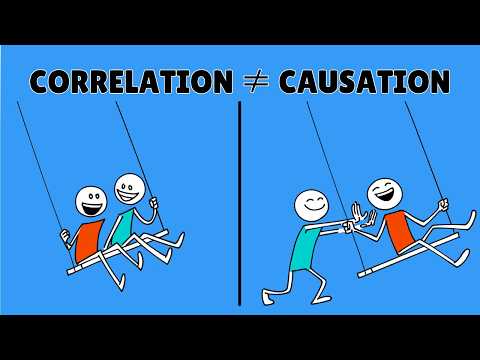
Ice Cream Sales and Shark Attacks [Correlation vs Causation]
0
林宜悉 posted on 2026/03/28Ever wondered why ice cream sales and shark attacks seem to go up together? This video dives into the fascinating world of correlation vs. causation, helping you spot misleading stats and boost your critical thinking skills! You'll pick up some awesome new vocabulary along the way, making you a sharper observer of the world around you.
Learn this video on the APP!
The VoiceTube App has more in-depth practice for videos!