
along with
US /əˈlɔŋ wɪð/
UK /əˈlɔŋ wið/
- Preposition
- In addition to; together with.
- Adverb
- In company or together with someone or something.
- Including; in addition to.
A2Morebladder
US /ˈblædɚ/
UK /ˈblædə(r)/
- Noun
- Soft bag which holds liquid or air
- Part of the body that holds urine
B1Morebreed
US /brid/
UK /bri:d/
- Noun
- Kind of / sort of
- Particular kind of animal, e.g. a Labrador dog
- Verb (Transitive/Intransitive)
- To create situations for a (bad) thing to happen
- To produce baby animals of specific kinds
A2Morecancer
US /ˈkænsɚ/
UK /'kænsə(r)/
- Noun
- Any growth caused by abnormal cell division
B1Morecancerous
US /ˈkænsɚrəs/
UK /'kænsərəs/
- Adjective
- Being a growth caused by abnormal cell division
B1Morecare of
US /kɛr ʌv/
UK /kɛə ɔv/
- Preposition
- Used in an address to indicate the person who will receive the mail for someone else.
A2Morechemotherapy
US /ˌki:moʊˈθerəpi/
UK /ˌki:məʊˈθerəpi/
- Uncountable Noun
- Treatment of diseases using chemicals
B2Moreclinical
US /ˈklɪnɪkəl/
UK /ˈklɪnɪkl/
- Adjective
- Concerning the treatment or observing patients
- Using scientific techniques and precision
B1Morecomparative
US /kəmˈpærətɪv/
UK /kəmˈpærətɪv/
- Noun
- Word form expressing a difference in degree
- Adjective
- Expressing a difference in degree
- Relative; assessed by comparison
B1Moreconnection
US /kəˈnɛkʃən/
UK /kəˈnekʃn/
- Noun (Countable/Uncountable)
- Something that joins things together; being joined
- Person you know who can help you in some way
A2Moredark circle
US
UK
- Noun (Countable/Uncountable)
- A dark discoloration of the skin under the eyes.
determine
US /dɪˈtɚmɪn/
UK /dɪ'tɜ:mɪn/
- Transitive Verb
- To control exactly how something will be or act
- To establish the facts about; discover
A2TOEICMorediagnose
US /ˌdaɪəgˈnoʊs/
UK /ˈdaɪəgnəʊz/
- Transitive Verb
- To determine the cause of an illness or problem
B1Moredisease
US /dɪˈziz/
UK /dɪˈzi:z/
- Noun (Countable/Uncountable)
- Illness that affects a person, animal, or plant
- A disorder of structure or function in a plant, especially one caused by a pathogen.
- Transitive Verb
- To affect with disease; to corrupt or sicken.
A2TOEICMoredrop down
US /drɑp daʊn/
UK /drɔp daun/
- Phrasal Verb
- To go to a lower place, rank
A1Moredue to
US /du tu/
UK /dju: tu:/
- Preposition
- Because of; owing to
- Adjective
- Attributable to; caused by.
A1Morefeel sick
US
UK
- Intransitive Verb
- To experience a sensation of nausea or illness
floppy
US /ˈflɑ:pi/
UK /ˈflɒpi/
- Adjective
- Being soft and able to be bent easily
- Countable Noun
- Magnetic computer disks used in the 1980s to 1990s
C2Morefor instance
US /fɔr ˈɪnstəns/
UK /fɔ: ˈinstəns/
- Adverb
- As an example.
- Phrase
- As an example.
- As an illustration or case in point
B1Morefrom the first
US /frəm ðə ˈfɝst/
UK /frəm ðə ˈfɜ:st/
- other
- From the very beginning.
B2Moregene
US /dʒin/
UK /dʒi:n/
- Noun
- Part of cell controlling development of a thing
B1Morego on
US /ɡo ɑn/
UK /ɡəu ɔn/
- Phrasal Verb
- To continue doing something
- To happen (usually negative)
- Interjection
- Used to encourage someone
A1Morehave to
US /hæv tu/
UK /ˈhæv tə/
- Auxiliary Verb
- Must do
A1Moreheadache
US /ˈhed.eɪk/
UK /ˈhed.eɪk/
- Noun (Countable/Uncountable)
- Pain in the head
- Something that causes worry or annoyance.
B2Moreimmune
US /ɪˈmjoon/
UK /ɪˈmju:n/
- Adjective
- Having a special protection from, e.g. the law
- Protected against a particular disease or condition because of antibodies or vaccination.
B1Moreimpact
US /ˈɪmˌpækt/
UK /'ɪmpækt/
- Noun
- A striking effect or result to hit with force
- Act or force of one thing hitting something else
- Verb (Transitive/Intransitive)
- To hit or strike someone or something with force
- To have a strong effect on someone or something.
A2TOEICMorein fact
US /ɪn fækt/
UK /in fækt/
- Adverb
- Used to emphasize the truth of a statement, especially one that contrasts with or contradicts something else.
- Used to introduce a more detailed or surprising piece of information.
- Phrase
- Used to emphasize the truth of a statement, especially one that is surprising or contrary to what might be expected.
C1Morein part
US /ɪn pɑrt/
UK /in pɑ:t/
- Adverb
- To some extent; partially.
A1Morein the dark
US /ɪn ði dɑrk/
UK /in ðə dɑ:k/
- Adjective
- Uninformed about something; unaware.
- Phrase
- In a state of secrecy or ignorance.
- In a place with little or no light.
A1Moreincredible
US /ɪnˈkrɛdəbəl/
UK /ɪnˈkredəbl/
- Adjective
- Very good; amazing
- Really good; amazing; great
A2TOEICMoreinfusion
US /ɪnˈfjuʒən/
UK /ɪnˈfju:ʒn/
- Noun
- Extraction of materials by soaking in liquids
B2Moreinitiative
US /ɪˈnɪʃətɪv/
UK /ɪ'nɪʃətɪv/
- Noun (Countable/Uncountable)
- Ability to come up with solutions by yourself
- New plan or idea that is meant to fix a problem
B1TOEICMorelab
US /læb/
UK /læb/
- Noun (Countable/Uncountable)
- Short for 'laboratory'
B1Morelook at
US /lʊk æt/
UK /luk æt/
- Phrasal Verb
- To use your eyes to focus on something
- To focus your eyes on something carefully
A1Moremodify
US /ˈmɑ:dɪfaɪ/
UK /ˈmɒdɪfaɪ/
- Transitive Verb
- To make minor change to something
B1Moremutation
US /mjuˈteʃən/
UK /mju:'teɪʃn/
- Noun
- Change that changes genetic structure
B2Morenauseous
US /ˈnɔ:ʃəs/
UK /ˈnɔ:ziəs/
- Adjective
- Feeling like you want to vomit
B2Moreoccur
US /əˈkɚ/
UK /əˈkɜ:(r)/
- Intransitive Verb
- To come to pass or to happen
- To be found to exist; to be present.
A2TOEICMoreon to
US /ɑn tu/
UK /ɔn tu:/
- Preposition
- Toward something; forward
- Aware of someone's activities.
- Adjective
- Aware of someone's deception or illegal activities.
A1Moreoncologist
US /ɒŋ'kɒlədʒɪst/
UK /ɒŋ'kɒlədʒɪst/
- Countable Noun
- Specialist in the study of cancers
C1Morephysical
US /ˈfɪzɪkəl/
UK /ˈfɪzɪkl/
- Countable Noun
- Health check at the doctors' or hospital
- Adjective
- Concerning the body of a person
- Concerning things that can be seen or touched
A2Moreprocess
US /ˈprɑsˌɛs, ˈproˌsɛs/
UK /prə'ses/
- Transitive Verb
- To organize and use data in a computer
- To deal with official forms in the way required
- Noun (Countable/Uncountable)
- Dealing with official forms in the way required
- Set of changes that occur slowly and naturally
A2TOEICMorerare
US /rɛr/
UK /reə(r)/
- Adjective
- (Of meat) cooked, but still red and juicy
- Unusual or out of the ordinary; not common
A2Moreresearch
US /rɪˈsɚtʃ, ˈriˌsɚtʃ/
UK /rɪ'sɜ:tʃ/
- Verb (Transitive/Intransitive)
- To study in order to discover new ideas and facts
- To study the market relating to marketing products and services.
- Noun (Countable/Uncountable)
- Study done to discover new ideas and facts
- A particular area or topic of study.
A2TOEICMoreresponse
US /rɪˈspɑns/
UK /riˈspɔns/
- Noun
- Something said/written as an answer to something
- Reaction to something that has occurred
A2TOEICMoreresponsible
US / rɪˈspɑnsəbəl/
UK /rɪ'spɒnsəbl/
- Adjective
- Being the cause of something that has occurred
- Having the duty of dealing with something
A2TOEICMoresandy
US /ˈsændi/
UK /ˈsændi/
- Proper Noun
- Person's name
- Adjective
- Having a yellowish-brown color
- Containing or covered with a lot of sand
B1Morespecific
US /spɪˈsɪfɪk/
UK /spəˈsɪfɪk/
- Adjective
- Precise; particular; just about that thing
- Concerning one particular thing or kind of thing
A2Moresurgery
US /ˈsɚdʒəri/
UK /'sɜ:dʒərɪ/
- Noun (Countable/Uncountable)
- Medical operation involving cutting into body
- A doctor's office; health clinic
B1Moreswim in
US
UK
- Phrasal Verb
- To move through water by using your arms and legs.
- Intransitive Verb
- To have a lot of something.
A1Morethigh
US /θaɪ/
UK /θaɪ/
- Noun
- Upper part of a bird's leg, e.g. eaten as food
- Upper part of a person's leg, above the knee
B2Moretrial
US /ˈtraɪəl, traɪl/
UK /ˈtraɪəl/
- Noun (Countable/Uncountable)
- Hearing and judgment of a case in court
- Act or process of testing or experimenting
- Transitive Verb
- To be made or done as a test or experiment
A2TOEICMoretumor
US /'tju:mə/
UK /'tju:mə/
- Noun (Countable/Uncountable)
- Abnormal growth of cells; cancer
- A swelling of a part of the body, generally without inflammation, caused by an abnormal growth of tissue, whether benign or malignant.
B1Moreused to
US /juzd tu/
UK /ˈju:st tə/
- Adjective
- Did regularly before, but don't do now
- Auxiliary Verb
- Have done before, but do not do now
A1Moreveterinary
US /ˈvetərəneri/
UK /ˈvetnri/
- Adjective
- Concerning the care of an animal's health
B2Morewake up
US /wek ʌp/
UK /weik ʌp/
- Phrasal Verb
- To stop sleeping
- To become fully aware and alert to a situation.
A1Morewith it
US /wɪð ɪt/
UK /wið it/
- Adjective
- Intelligent, alert, and up-to-date.
- Understanding and knowledgeable about current trends or information.
A1Moreworsen
US /ˈwə:sən/
UK /'wɜ:sn/
- Verb (Transitive/Intransitive)
- To make or become worse
B2More
Vocabulary
- have to: Must do
- with it: Intelligent, alert, and up-to-date.
- in part: To some extent; partially.
- due to: Because of; owing to
- for instance: As an example.
- look at: To use your eyes to focus on something
- used to: Did regularly before, but don't do now
- feel sick: To experience a sensation of nausea or illness
- drop down: To go to a lower place, rank
- in fact: Used to emphasize the truth of a statement, especially one that contrasts with or contradicts something else.
- care of: Used in an address to indicate the person who will receive the mail for someone else.
- on to: Toward something; forward
- go on: To continue doing something
- from the first: From the very beginning.
- dark circle: A dark discoloration of the skin under the eyes.
- in the dark: Uninformed about something; unaware.
- wake up: To stop sleeping
- along with: In addition to; together with.
- swim in: To move through water by using your arms and legs.
- specific: Precise; particular; just about that thing
- sort: To organize things by putting them into groups
- incredible: Very good; amazing
- process: To organize and use data in a computer
- immune: Having a special protection from, e.g. the law
- physical: Health check at the doctors' or hospital
- initiative: Ability to come up with solutions by yourself
- determine: To control exactly how something will be or act
- impact: A striking effect or result to hit with force
- treat: To pay for the food or enjoyment of someone else
- disease: Illness that affects a person, animal, or plant
- research: To study in order to discover new ideas and facts
- trial: Hearing and judgment of a case in court
- mutation: Change that changes genetic structure
- field: Area of study, such as physics or biology
- brain: To strike someone forcefully on the head
- occur: To come to pass or to happen
- rare: (Of meat) cooked, but still red and juicy
- similar: Nearly the same; alike
- response: Something said/written as an answer to something
- form: Sports team or person's current winning record
- responsible: Being the cause of something that has occurred
- breed: Kind of / sort of
- surgery: Medical operation involving cutting into body
- clinical: Concerning the treatment or observing patients
- connection: Something that joins things together; being joined
- appear: To be seen, become visible; come into sight
- bladder: Soft bag which holds liquid or air
- lot: What happens to a person in life from chance; fate
- diagnose: To determine the cause of an illness or problem
- thigh: Upper part of a bird's leg, e.g. eaten as food
- promise: To say you will certainly do something
- system: Set of organized, planned ideas that work together
- modify: To make minor change to something
- nauseous: Feeling like you want to vomit
- find: To become aware of something that is happening
- difference: A thing or issue that people do not agree about
- tumor: Abnormal growth of cells; cancer
- part: Division of a book
- start: First time or place that a thing exists; beginning
- hold: To agree to keep something for someone
- chemotherapy: Treatment of diseases using chemicals
- gene: Part of cell controlling development of a thing
- cancer: Any growth caused by abnormal cell division
- lab: Short for 'laboratory'
- headache: Pain in the head
- floppy: Being soft and able to be bent easily
- veterinary: Concerning the care of an animal's health
- worsen: To make or become worse
- cancerous: Being a growth caused by abnormal cell division
- comparative: Word form expressing a difference in degree
- sandy: Person's name
- infusion: Extraction of materials by soaking in liquids
- oncologist: Specialist in the study of cancers
Get the full experience in the app
Learn anywhere with detailed sentence and usage analysis
01:03
She took a brave step forward, leaving behind her comfort zone to chase her dreams.
Vocabulary
- brave
adj. Having courage
- comfort zone
phr. A familiar situation where one feels safe
Explanation
a brave step is a noun phrase, where brave is an adjective modifying the noun step, meaning "a courageous step".
forward is an adverb modifying step, meaning "ahead".
The whole phrase serves as the object, answering the "what" of took (verb) — she took a brave step forward.
Get the full experience in the app
Look up words anytime with pronunciation, part of speech, and usage
brave
US/brev/
UK/breɪv/
adj.Brave
v.t.To bravely face
A2 Elementary
Get the full experience in the app
Practice speaking anytime and get instant pronunciation feedback
Try this speaking exercise.
Try practicing with this sentence.
80
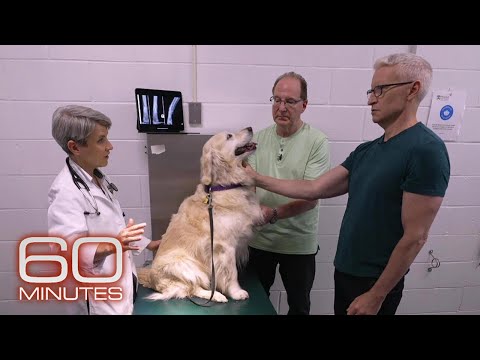
Comparative Oncology | 60 Minutes Archive
0
Richard VT posted on 2026/03/22Ever wondered how studying cancer in pets could help humans? This fascinating look into comparative oncology reveals how research on canine cancer, like osteosarcoma, is accelerating breakthroughs for the Cancer Moonshot initiative. You'll pick up some advanced vocabulary related to cancer immunotherapy and clinical trials while learning about incredible patient stories!
Learn this video on the APP!
The VoiceTube App has more in-depth practice for videos!