
back then
US
UK
- Phrase
- At that time in the past.
A1Morebased on
US
UK
- Phrasal Verb
- To use something as the foundation or starting point for something else.
- Preposition
- Using something as the main idea or foundation.
- Relying on something as evidence or justification.
A1Morecapital
US /ˈkæpɪtl/
UK /'kæpɪtl/
- Noun
- Writing the first letter of a word in big letters
- Official main city of a country, province or state
- Adjective
- Main, or major
- (Of an offense) liable to the death penalty.
A2Morecheck out
US /tʃɛk aʊt/
UK /tʃek aut/
- Phrase
- Phrasal Verb
- To find out information about something
- To take books out of a library
A1Moreclose down
US /kloz daʊn/
UK /kləuz daun/
- Phrasal Verb
- To shut an operation, company, shop
A1Morecommodity
US /kəˈmɑdɪti/
UK /kə'mɒdətɪ/
- Noun (Countable/Uncountable)
- Something useful or valuable, usually for sale
- A valuable quality or thing.
- Adjective
- Something that is treated as a simple object of trade or commerce, rather than valued for its intrinsic qualities.
B1Morecrisis
US /ˈkraɪsɪs/
UK /'kraɪsɪs/
- Noun (Countable/Uncountable)
- Unstable situation of extreme danger or difficulty
- A turning point in a disease.
B1Morecrush
US /krʌʃ/
UK /krʌʃ/
- Noun
- Strong attraction to someone
- Transitive Verb
- To break something into small pieces by pressing
- To defeat someone or something (in a game)
B1TOEICMorecurrency
US /ˈkɚrənsi, ˈkʌr-/
UK /'kʌrənsɪ/
- Uncountable Noun
- Widespread acceptance
- Money system that a country uses
B1Morecurrent
US /ˈkɚrənt, ˈkʌr-/
UK /'kʌrənt/
- Uncountable Noun
- Electricity flowing through wires
- Movement of water in a river, or air in the sky
- Adjective
- Happening or being in the present time
- In general use or accepted by most people.
A2Moredebt
US /dɛt/
UK /det/
- Noun (Countable/Uncountable)
- Sum of money owed to someone that is not yet paid
- A moral or social obligation.
A2TOEICMoredeficit
US /ˈdɛfɪsɪt/
UK /ˈdefɪsɪt/
- Noun (Countable/Uncountable)
- Amount less than what is needed or required
- The amount by which expenditure or liabilities exceed income or assets.
B1Moredisrupt
US /dɪsˈrʌpt/
UK /dɪsˈrʌpt/
- Transitive Verb
- To cause a disturbance in an activity in progress
B2TOEICMoredo in
US
UK
- Phrasal Verb
- To make completely tired out and exhausted
- To destroy or cause damage to someone
A1Moreenergy
US /ˈɛnədʒi/
UK /'enədʒɪ/
- Noun (Countable/Uncountable)
- Physical or mental strength
- Enthusiasm and determination.
A2Moreensure
US /ɛnˈʃʊr/
UK /ɪn'ʃʊə(r)/
- Transitive Verb
- To make something sure, certain, or safe
A2TOEICMoreentire
US /ɛnˈtaɪr/
UK /ɪn'taɪə(r)/
- Adjective
- Complete or full; with no part left out; whole
- Undivided; not shared or distributed.
A2TOEICMorefederal
US /ˈfɛdərəl, ˈfɛdrəl/
UK /'fedərəl/
- Adjective
- Consisting of several united states
- Relating to a system of government in which power is divided between a central authority and constituent political units.
- Proper Noun
- The central banking system of the United States.
B1Morefor example
US
UK
- Phrase
- As an illustration or instance.
frankly speaking
US
UK
- Phrase
- To be honest; to say what you really think.
B2Morehave to
US /hæv tu/
UK /ˈhæv tə/
- Auxiliary Verb
- Must do
A1Morehuge
US /hjudʒ/
UK /hju:dʒ/
- Adjective
- Very very large
A2Morein order to
US /ɪn ˈɔrdɚ tu/
UK /in ˈɔ:də tu:/
- Preposition
- For the purpose of; with the aim of.
- Phrase
- In a specific sequence or arrangement.
- With the aim of; for the purpose of.
C1Morein the first place
US
UK
- Phrase
- To begin with; as the first point or consideration.
- From the beginning; initially.
A1Morein the future
US /ɪn ði ˈfjutʃɚ/
UK /in ðə ˈfju:tʃə/
- Phrase
- At a later time; in times to come.
A1Morein the middle of
US
UK
- Phrase
- In the central part or point of something.
- Engaged or occupied with something.
A2Morein the past
US
UK
- Phrase
- During a former period of time; previously.
A1Morein the world
US /ɪn ði wɜrld/
UK /in ðə wɜː(r)ld/
- Phrase
- Used to emphasize a question expressing surprise, confusion, disbelief
- Used to indicate the extent or degree of something, often in a superlative sense
A1Moreinflation
US /ɪnˈfleʃən/
UK /ɪn'fleɪʃn/
- Noun (Countable/Uncountable)
- Act of filling something with air or gas
- Continual rise in the prices of products
B1TOEICMoreinsanely
US /ɪn'seɪnlɪ/
UK /ɪn'seɪnlɪ/
- Adverb
- In an insane manner
B2Moreinvade
US /ɪnˈved/
UK /ɪnˈveɪd/
- Transitive Verb
- To enter something causing a harmful result
- To enter (a country or region) so as to subjugate or occupy it.
B1Morelook at
US /lʊk æt/
UK /luk æt/
- Phrasal Verb
- To use your eyes to focus on something
- To focus your eyes on something carefully
A1Morelose face
US
UK
- Intransitive Verb
- To be humiliated or to lose the respect of others.
A1Moremaintain
US /menˈten/
UK /meɪn'teɪn/
- Transitive Verb
- To keep saying something a certain way
- To keep (machine) working by checking, repairing
A2TOEICMoremultiple
US /ˈmʌltəpəl/
UK /ˈmʌltɪpl/
- Adjective
- Having or involving more than one of something
- Having or involving several parts, elements, or members.
- Countable Noun
- Number produced by multiplying a smaller number
- A number of identical circuit elements connected in parallel or series.
B1Moreof course
US /ʌv kɔː(r)s/
UK /ɔv kɔː(r)s/
- Adverb
- Sure ; Certainly
- Phrase
- For sure; certainly
A2Moreon paper
US /ɑn ˈpeɪpər/
UK /ɔn ˈpeipə/
- Phrase
- In theory or as a plan, but not necessarily in reality.
- Recorded in writing; documented.
A1Moreon the ground
US
UK
- Phrase
- Located on the surface of the earth.
- Present and available in a particular place, especially to deal with a situation.
opportunity
US /ˌɑpɚˈtunɪti, -ˈtju-/
UK /ˌɒpə'tju:nətɪ/
- Noun (Countable/Uncountable)
- Time, situation when a thing might be done; chance
- A favorable time or occasion for doing something.
A2TOEICMorepotentially
US /pəˈtɛnʃəlɪ/
UK /pə'tenʃəlɪ/
- Adverb
- That could happen or become reality
B1Morepreserve
US /prɪˈzɜ:rv/
UK /prɪˈzɜ:v/
- Transitive Verb
- To cook food so it can be kept for long periods
- To protect something from harm, loss or damage
- Noun (Countable/Uncountable)
- Sweet fruit spread; jam
- Protected area of land with plants and animals
B1TOEICMorerecession
US /rɪˈsɛʃən/
UK /rɪˈseʃn/
- Uncountable Noun
- Act of moving backward gradually
- Decreased business activity, when work is scarce
- Noun
- a period of low economic activity
- period of economic decline
B2TOEICMorerepresent
US /ˌrɛprɪˈzɛnt/
UK /ˌreprɪ'zent/
- Transitive Verb
- To depict art objects, figures, scenes; to portray
- To show or describe something in a particular way
A2TOEICMorereserve
US /rɪˈzɚv/
UK /rɪ'zɜ:v/
- Transitive Verb
- To arrange for a room or table be kept for you
- To not use all of, so you can use it later
- Noun (Countable/Uncountable)
- Area of land set aside as for a people
- Park or area for wildlife to roam free
A2Moresecure
US /sɪˈkjʊr/
UK /sɪ'kjʊə(r)/
- Transitive Verb
- To get or achieve something with certainty
- To firmly attach something to something else
- Adjective
- Being attached to something tightly and surely
- (Place that is) locked, guarded and safe
A2TOEICMoreshipping
US /ˈʃɪpɪŋ/
UK /ˈʃɪpɪŋ/
- Transitive Verb
- To transport goods by boat, truck or plane
- To want two fictional characters to be in a romantic relationship.
- Uncountable Noun
- Business of transporting goods or orders to places
- The transport of goods, especially by sea or air.
B1TOEICMoreshot
US /ʃɑt/
UK /ʃɒt/
- Transitive Verb
- To kick or throw a ball at a goal
- To fire a gun; injure or kill someone with a gun
- Countable Noun
- An attempt to kick or throw a ball at a goal
A2Morespend
US /spɛnd/
UK /spend/
- Transitive Verb
- To use money to pay for something
- To use time in order to do something
A2TOEICMorespin
US /spɪn/
UK /spɪn/
- Verb (Transitive/Intransitive)
- To make a ball rotate when throwing it
- To move something in a rapid turning motion
- Intransitive Verb
- To feel dizzy/confused, as in my head is spinning
B1Morestock
US /stɑk/
UK /stɒk/
- Noun (Countable/Uncountable)
- Animals such as cattle kept for breeding
- Merchandise; goods kept by a business for sale
- Uncountable Noun
- Tasty liquid added to stews, soups etc.
B2TOEICMorestrait
US /stret/
UK /streɪt/
- Noun
- Channel joining large bodies of water
C2Moresuch as
US /sʌtʃ æz/
UK /sʌtʃ æz/
- Preposition
- For example; like
A1Morevaluation
US
UK
- Uncountable Noun
- Price of something, determined by expert
B1Morevictory
US /ˈvɪktəri/
UK /'vɪktərɪ/
- Noun (Countable/Uncountable)
- Defeating or beating someone or something
- An instance of having overcome a challenge or obstacle; an achievement.
B1Moreworth
US /wɚθ/
UK /wɜ:θ/
- Noun (Countable/Uncountable)
- the financial, practical or moral value of somebody/something
- having a particular value, especially in money
- Adjective
- Having a specified value.
A2More
Vocabulary
- have to: Must do
- look at: To use your eyes to focus on something
- of course: Sure ; Certainly
- in the past: During a former period of time; previously.
- for example: As an illustration or instance.
- in the future: At a later time; in times to come.
- such as: For example; like
- on paper: In theory or as a plan, but not necessarily in reality.
- on the ground: Located on the surface of the earth.
- frankly speaking: To be honest; to say what you really think.
- based on: To use something as the foundation or starting point for something else.
- in order to: For the purpose of; with the aim of.
- in the first place: To begin with; as the first point or consideration.
- lose face: To be humiliated or to lose the respect of others.
- in the world: Used to emphasize a question expressing surprise, confusion, disbelief
- in the middle of: In the central part or point of something.
- close down: To shut an operation, company, shop
- back then: At that time in the past.
- do in: To make completely tired out and exhausted
- check out
- entire: Complete or full; with no part left out; whole
- opportunity: Time, situation when a thing might be done; chance
- multiple: Having or involving more than one of something
- situation: Place, position or area that something is in
- crisis: Unstable situation of extreme danger or difficulty
- realize: To become aware of or understand mentally
- potentially: That could happen or become reality
- expect: To believe something is probably going to happen
- represent: To depict art objects, figures, scenes; to portray
- amount: Quantity of something
- current: Electricity flowing through wires
- crush: Strong attraction to someone
- increase: To make or become larger in size or amount
- commodity: Something useful or valuable, usually for sale
- industry: Hard work; being busy working
- debt: Sum of money owed to someone that is not yet paid
- worth: the financial, practical or moral value of somebody/something
- recession: Act of moving backward gradually
- disrupt: To cause a disturbance in an activity in progress
- currency: Widespread acceptance
- maintain: To keep saying something a certain way
- capital: Writing the first letter of a word in big letters
- inflation: Act of filling something with air or gas
- federal: Consisting of several united states
- preserve: To cook food so it can be kept for long periods
- simply: In an easy or clear manner
- huge: Very very large
- stock: Animals such as cattle kept for breeding
- secure: To get or achieve something with certainty
- deficit: Amount less than what is needed or required
- create: To make, cause, or bring into existence
- spin: To make a ball rotate when throwing it
- interest: Best or most advantageous thing for someone
- rate: To assess something or consider its qualities
- ground: To break (coffee, etc.) into tiny bits with machine
- economy: Using money, resources in a careful, effective way
- fall: Season after summer and before winter; Autumn
- energy: Physical or mental strength
- ensure: To make something sure, certain, or safe
- company: Good feeling from being with someone else
- moment: Very short or brief period of time
- reserve: To arrange for a room or table be kept for you
- spend: To use money to pay for something
- invade: To enter something causing a harmful result
- insanely: In an insane manner
- shot: To kick or throw a ball at a goal
- strait: Channel joining large bodies of water
- victory: Defeating or beating someone or something
- shipping: To transport goods by boat, truck or plane
- valuation: Price of something, determined by expert
Get the full experience in the app
Learn anywhere with detailed sentence and usage analysis
01:03
She took a brave step forward, leaving behind her comfort zone to chase her dreams.
Vocabulary
- brave
adj. Having courage
- comfort zone
phr. A familiar situation where one feels safe
Explanation
a brave step is a noun phrase, where brave is an adjective modifying the noun step, meaning "a courageous step".
forward is an adverb modifying step, meaning "ahead".
The whole phrase serves as the object, answering the "what" of took (verb) — she took a brave step forward.
Get the full experience in the app
Look up words anytime with pronunciation, part of speech, and usage
brave
US/brev/
UK/breɪv/
adj.Brave
v.t.To bravely face
A2 Elementary
Get the full experience in the app
Practice speaking anytime and get instant pronunciation feedback
Try this speaking exercise.
Try practicing with this sentence.
80
“Most People Have No Idea What’s About To The Stock Market”
0
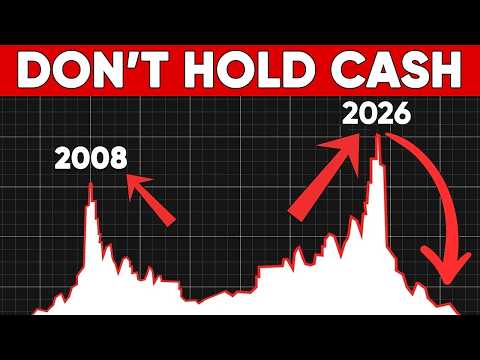
林宜悉 posted on 2026/03/21Ever wonder what's really going on with the stock market? This video dives deep into the Federal Reserve, interest rates, and inflation risks, giving you the advanced vocabulary and complex sentence structures to understand it all! You'll gain serious knowledge about Big Tech valuations and AI capex, perfect for long-term investors.
Learn this video on the APP!
The VoiceTube App has more in-depth practice for videos!