
abolish
US /əˈbɑ:lɪʃ/
UK /əˈbɒlɪʃ/
- Transitive Verb
- To officially stop (a law or practice)
B1TOEICMoreambition
US /æmˈbɪʃən/
UK /æmˈbɪʃn/
- Noun (Countable/Uncountable)
- Desire to win or be successful in life, work
A2TOEICMoreancient history
US
UK
- Uncountable Noun
- The study of the distant past, from the earliest humans through the first great civilizations.
- Events from the distant past, especially those concerning the early civilizations.
anthem
US /ˈænθəm/
UK /ˈænθəm/
- Countable Noun
- Special song that represents a nation or group
B2Morearena
US /əˈrinə/
UK /ə'ri:nə/
- Noun (Countable/Uncountable)
- Place to watch sports, performances, entertainment
B1Morearrogant
US /ˈærəɡənt/
UK /ˈærəgənt/
- Adjective
- Rude, from belief you are better than others
B2Moreat night
US /æt naɪt/
UK /æt nait/
- Phrase
- During the night; in the nighttime.
A1Moreat stake
US /æt stek/
UK /æt steik/
- Phrase
- At risk; that can be lost if something is not successful
- In question; depending on what happens
- Adjective
- At risk; that can be lost if something is not successful.
A1Moreat work
US /æt wɚk/
UK /æt wə:k/
- Phrase
- Located at one's place of employment
A1Moreback into
US /bæk ˈɪntu/
UK /bæk ˈɪntuː/
- Phrasal Verb
- To drive a vehicle backwards into a space or area.
- To accidentally collide with something while moving backwards.
A1Morebased on
US
UK
- Phrasal Verb
- To use something as the foundation or starting point for something else.
- Preposition
- Using something as the main idea or foundation.
- Relying on something as evidence or justification.
A1Morebe with
US /bi wɪð/
UK /bi: wið/
- Phrasal Verb
- To accompany someone; to be in someone's presence.
- To support someone's opinion or cause.
A1Morebehind the scenes
US
UK
- Phrase
- Secretly or without being known to the public.
- In a position to influence events without any public knowledge.
A1Morebill
US /bɪl/
UK /bɪl/
- Noun
- Plan for a new law being discussed by a government
- Sign or poster advertising something
- Transitive Verb
- To request payment by handing over an invoice
A2TOEICMoreceiling
US /ˈsilɪŋ/
UK /ˈsi:lɪŋ/
- Noun (Countable/Uncountable)
- Top part of a room above your head
- Greatest level that is allowed; limit
- Transitive Verb
- To round a number up to the nearest integer
- To provide a room with a ceiling.
A2Morecitizenship
US /ˈsɪtɪzənˌʃɪp/
UK /ˈsɪtɪzənʃɪp/
- Uncountable Noun
- Status of a citizen who has rights and duties
- Noun
- The rights and duties of citizens.
B1Morecoming after
US
UK
- Phrasal Verb
- To follow someone in order to threaten them
A1Morecongress
US /ˈkɑŋɡrɪs/
UK /'kɒŋɡres/
- Noun (Countable/Uncountable)
- Meeting of elected or appointed representatives
- Proper Noun
- American governing body of elected representatives
B1Moreconstitution
US /ˌkɑnstɪˈtuʃən, -ˈtju-/
UK /ˌkɔnstiˈtju:ʃən/
- Noun (Countable/Uncountable)
- Statement of fundamental principles of a country
- Condition of your health
B1Morecorruption
US /kəˈrʌpʃən/
UK /kəˈrʌpʃn/
- Uncountable Noun
- State of being damaged or spoiled
- Illegal, immoral dishonesty
B1Moredeal with
US /dil wɪð/
UK /di:l wið/
- Verb (Transitive/Intransitive)
- To buy or sell goods or services.
- Phrasal Verb
- To take action to solve a problem or manage a situation.
- To be about; concern.
A1Moredemocracy
US /dɪˈmɑkrəsi/
UK /dɪ'mɒkrəsɪ/
- Noun (Countable/Uncountable)
- System of government in which everyone is equal
- Principles of social equality and respect for the individual within a society.
B1Moredemocratic
US /ˌdɛməˈkrætɪk/
UK /ˌdeməˈkrætɪk/
- Adjective
- (Of government) giving the people power, a vote
- Based on the principle that all members have equal rights.
B2Moredig in
US /dɪɡ ɪn/
UK /diɡ in/
- Phrasal Verb
- To start eating eagerly and enthusiastically.
- To establish a defensive position; to entrench oneself.
B1Moreelection
US /ɪˈlɛkʃən/
UK /ɪ'lekʃn/
- Noun
- Process of choosing someone by voting
B1TOEICMoreelectorate
US /ɪˈlɛktərɪt/
UK /ɪˈlektərət/
- Countable Noun
- Group of people who may vote in an election
B2Moreendless
US /ˈɛndlɪs/
UK /ˈendləs/
- Adjective
- Having or appearing to have no end
- Having no end or limit.
A2Moreevidence of
US
UK
- Phrase
- Facts, objects, or signs that make you believe that something is true.
- Something that shows that something else exists or is true.
A1Morefaith
US /feθ/
UK /feɪθ/
- Uncountable Noun
- Belief in a god or gods; religion
- Belief that that something is true without proof
- Proper Noun
- Person's name
A2TOEICMoreforget about
US /fɚˈɡɛt əˈbaʊt/
UK /fəˈɡet əˈbaut/
- Phrasal Verb
- To stop thinking about something; to ignore something.
A1Morefreedom
US /ˈfridəm/
UK /'fri:dəm/
- Uncountable Noun
- State of being free, not being controlled
B1Moregavel
US /ˈɡævəl/
UK /ˈgævl/
- Countable Noun
- Small wooden hammer used by (e.g.) a judge
C2Moreget a life
US
UK
- Interjection
- An exhortation to stop being boring and to find more interesting things to do.
A1Moreget a sense
US
UK
- Verb (Transitive/Intransitive)
- To understand or perceive something intuitively.
A1Moreget back to
US /ɡɛt bæk tu/
UK /ɡet bæk tu:/
- Phrasal Verb
- To get in contact with someone again
- To return to someone or something; to respond at a later time.
A1Morego back to
US /ɡo bæk tu/
UK /ɡəu bæk tu:/
- Phrasal Verb
- To return to a starting point
A1Morego out
US /ɡo aʊt/
UK /ɡəu aut/
- Phrase
- To leave a building (e.g. a house)
- Phrasal Verb
- (Of a fire) to burn out; be extinguished
- Go out of fashion to stop being fashionable
A1Moregot to
US /ɡɑt tu/
UK /gɔt tu:/
- Verb (Transitive/Intransitive)
- To arrive at some place
- To have the opportunity or permission to do something
- Phrasal Verb
- To appeal to the emotions of; move
- To finally begin to start something after a delay
A1Moreguarantee
US /ˌɡærənˈti/
UK /ˌɡærən'ti:/
- Transitive Verb
- To promise to repair a broken product
- To promise that something will happen or be done
- Countable Noun
- A promise to repair a broken product
- Promise that something will be done as expected
A2TOEICMorehave on
US /hæv ɑn/
UK /hæv ɔn/
- Phrasal Verb
- To be wearing something.
- To deceive or trick someone, often in a playful way.
A1Morehave to
US /hæv tu/
UK /ˈhæv tə/
- Auxiliary Verb
- Must do
A1Morehonor
US /ˈɑnɚ/
UK /'ɒnə(r)/
- Transitive Verb
- To fulfill an agreement
- To give an award to someone
- Noun (Countable/Uncountable)
- Award you get for doing well; prize, title, etc.
- Chance to do something special; privilege
B2TOEICMorehorrible
US /ˈhɔrəbəl, ˈhɑr-/
UK /ˈhɒrəbl/
- Adjective
- Very bad; causing annoyance, distaste or fear
A2TOEICMoreimpact
US /ˈɪmˌpækt/
UK /'ɪmpækt/
- Noun
- A striking effect or result to hit with force
- Act or force of one thing hitting something else
- Verb (Transitive/Intransitive)
- To hit or strike someone or something with force
- To have a strong effect on someone or something.
A2TOEICMorein little
US /ɪn ˈlɪtl/
UK /in ˈlɪtl/
- other
- To a small extent; insignificantly.
C2Morein mind
US /ɪn maɪnd/
UK /in maind/
- Phrase
- Being aware of or considering something.
- To remember or consider something.
A2Morein other words
US
UK
- Phrase
- Stating something in a different way, often to make it clearer or more understandable.
in session
US /ɪn ˈsɛʃən/
UK /in ˈseʃən/
- Adjective
- Actively meeting or conducting business.
B1Morein terms of
US
UK
- Phrase
- With regard to; concerning a particular aspect.
A1Morein the house
US
UK
- Phrase
- Located inside a building used as a dwelling.
- Within a legislative body, such as a parliament or congress.
A1Morein the world
US /ɪn ði wɜrld/
UK /in ðə wɜː(r)ld/
- Phrase
- Used to emphasize a question expressing surprise, confusion, disbelief
- Used to indicate the extent or degree of something, often in a superlative sense
A1Morejudiciary
US /dʒuˈdɪʃiˌɛri, -ˈdɪʃəri/
UK /dʒʊ'dɪʃərɪ/
- Noun
- System of judges and courts in a country
B2Moreknow about
US /noʊ əˈbaʊt/
UK /nəʊ əˈbaut/
- Phrasal Verb
- To have information or understanding of a subject or situation.
legacy
US /ˈlɛɡəsi/
UK /'leɡəsɪ/
- Noun (Countable/Uncountable)
- Literature, arts etc. from previous generations
- Something left or given by a person who has died
- Adjective
- Relating to old or outdated computer systems or software.
B2TOEICMorelegislation
US /ˌlɛdʒɪˈsleʃən/
UK /ˌledʒɪsˈleɪʃn/
- Uncountable Noun
- Act or process of writing and passing laws
B1Morelive up
US /liv ʌp/
UK /liv ʌp/
- Phrasal Verb
- To be as good as expected or promised.
A1Morelong list
US
UK
- Noun
- An extensive or detailed enumeration of items, names, or details.
- A list that is excessively long and therefore boring or difficult to manage.
A2Morelook back
US /lʊk bæk/
UK /luk bæk/
- Phrasal Verb
- To think about past events
A1Moremobilization
US /ˌmoʊbɪlaɪ'zeɪʃn/
UK /ˌməʊbɪlaɪ'zeɪʃn/
- Uncountable Noun
- (Of army) act of getting ready for action
B2Morenine times out of ten
US /ˈnaɪn taɪmz aʊt ʌv tɛn/
UK /ˈnain taɪmz aʊt əv ten/
- other
- Very often; in most cases; usually.
B1Moreof course
US /ʌv kɔː(r)s/
UK /ɔv kɔː(r)s/
- Adverb
- Sure ; Certainly
- Phrase
- For sure; certainly
A2Moreon the line
US /ɑn ði laɪn/
UK /ɔn ðə lain/
- Phrase
- At risk; in a situation where something could be lost.
- Having a great deal of responsibility.
A1Moreoptimism
US /ˈɑptəˌmɪzəm/
UK /ˈɒptɪmɪzəm/
- Uncountable Noun
- Condition of having a positive outlook or belief
B2Moreoption
US /ˈɑpʃən/
UK /'ɒpʃn/
- Noun (Countable/Uncountable)
- A choice
- A right to buy or sell something at a particular price within a particular period.
A2TOEICMoreout there
US /aʊt ðɛr/
UK /aut ðɛə/
- Adverb
- In or to a place that is far away
- Existing in the universe
- Adjective
- Unconventional; strange; avant-garde
- Existing or available.
A1Moreparticipate
US /pɑ:rˈtɪsɪpeɪt/
UK /pɑ:ˈtɪsɪpeɪt/
- Intransitive Verb
- To take part with others in doing something
- To be involved in a discussion or conversation.
B1TOEICMorepresident
US /ˈprɛzɪdənt,-ˌdɛnt/
UK /ˈprezɪdənt/
- Noun
- Person in charge of a country, or organization
- The highest-ranking executive in a corporation or organization.
A2TOEICMoreprocess
US /ˈprɑsˌɛs, ˈproˌsɛs/
UK /prə'ses/
- Transitive Verb
- To organize and use data in a computer
- To deal with official forms in the way required
- Noun (Countable/Uncountable)
- Dealing with official forms in the way required
- Set of changes that occur slowly and naturally
A2TOEICMoreput together
US /pʊt təˈɡɛðɚ/
UK /put təˈɡeðə/
- Phrasal Verb
- To build or assemble something small, e.g. a toy
- To organize or arrange something.
A1Morerecruit
US /rɪˈkrut/
UK /rɪ'kru:t/
- Countable Noun
- Person who has just joined the military
- Person who has just begun a new activity or job
- Transitive Verb
- To convince and help people to join the military
- To find new employees, volunteers or members
B1TOEICMoreremarkable
US /rɪˈmɑrkəbəl/
UK /rɪˈmɑ:kəbl/
- Adjective
- Interesting and unexpected, worthy of notice
- Worthy of attention; striking.
A2TOEICMorerigid
US /ˈrɪdʒɪd/
UK /ˈrɪdʒɪd/
- Adjective
- Stiff rather than flexible
- Very fixed in your opinion or habits
B1Morerough and tumble
US /rʌf ænd ˈtʌmbəl/
UK /rʌf ænd ˈtʌmbl/
- Noun
- Noisy and uncontrolled physical activity or fighting.
B2Morerun for it
US /rʌn fɚ ɪt/
UK /rʌn fə ɪt/
- other
- To escape quickly from danger or unwanted situation.
B1Moresenate
US /ˈsɛnɪt/
UK /'senət/
- Noun
- A board of governors at a college or university
B2Moresentiment
US /ˈsɛntəmənt/
UK /ˈsentɪmənt/
- Noun (Countable/Uncountable)
- Feeling or attitude you have about something
- Feeling of love, sympathy and friendly emotions
B1Moresession
US /ˈsɛʃən/
UK /ˈseʃn/
- Noun (Countable/Uncountable)
- Period of time used for a specific activity
- Series of meetings for e.g. a court, legislature
A2TOEICMoreset to
US /sɛt tu/
UK /set tu:/
- Phrasal Verb
- To energetically begin to do, e.g. making a fire
A1Moresouthwest
US /saʊθˈwɛst, saʊˈwɛst/
UK /ˌsaʊθ'west/
- Noun
- Location in the southwestern part of an area
B2Morestep back
US /stɛp bæk/
UK /step bæk/
- Phrasal Verb
- To move backwards; to move away from something.
- To take a break from something; to gain perspective.
A1Morestick around
US /stɪk əˈraʊnd/
UK /stik əˈraund/
- Phrasal Verb
- To remain in place; not leave or go
A2Moretake back
US /tek bæk/
UK /teik bæk/
- Phrasal Verb
- To say you no longer agree with an opinion you had
- To return something you bought to the store
- Transitive Verb
- To retract or withdraw a statement or claim.
- To regain possession of something.
A1Moretalking about
US
UK
- Phrasal Verb
- To discuss a particular topic.
- To be constantly mentioning or bringing up a subject.
A1Moretechnology
US /tɛkˈnɑlədʒi/
UK /tek'nɒlədʒɪ/
- Uncountable Noun
- Use or knowledge of science in industry etc.
- Machinery and equipment developed from scientific knowledge.
A2TOEICMorethink about
US /θɪŋk əˈbaʊt/
UK /θiŋk əˈbaut/
- Phrasal Verb
- To consider something carefully.
- To remember or call to mind.
A1Morethink of
US /θɪŋk ʌv/
UK /θiŋk ɔv/
- Phrasal Verb
- To look on as (being something specific); consider
- To consider or remember something.
- Verb (Transitive/Intransitive)
- To imagine or call something to mind
A1Moreto let
US /tu lɛt/
UK /tu let/
- Preposition
- Indicates that a property is available for rent.
A2Moretransition
US /trænˈzɪʃən, -ˈsɪʃ-/
UK /trænˈzɪʃn/
- Noun
- Change from one state, movement, place to another
- Intransitive Verb
- To change state, movement, place, or subject
B1Moreturned out
US
UK
- Phrasal Verb
- To arrive for a public event or entertainment
- To happen to be in the end
- Transitive Verb
- To extinguish or switch off lights.
A1Moreused to
US /juzd tu/
UK /ˈju:st tə/
- Adjective
- Did regularly before, but don't do now
- Auxiliary Verb
- Have done before, but do not do now
A1Morevision
US /ˈvɪʒən/
UK /'vɪʒn/
- Uncountable Noun
- Ability to see; eyesight
- Something you see in your imagination or dreams
A2Morewith it
US /wɪð ɪt/
UK /wið it/
- Adjective
- Intelligent, alert, and up-to-date.
- Understanding and knowledgeable about current trends or information.
A1More
Vocabulary
- have to: Must do
- of course: Sure ; Certainly
- think about: To consider something carefully.
- out there: In or to a place that is far away
- take back: To say you no longer agree with an opinion you had
- set to: To energetically begin to do, e.g. making a fire
- in session: Actively meeting or conducting business.
- talking about: To discuss a particular topic.
- in terms of
- got to: To arrive at some place
- forget about: To stop thinking about something; to ignore something.
- stick around: To remain in place; not leave or go
- dig in: To start eating eagerly and enthusiastically.
- get a sense: To understand or perceive something intuitively.
- on the line: At risk; in a situation where something could be lost.
- know about: To have information or understanding of a subject or situation.
- get a life: An exhortation to stop being boring and to find more interesting things to do.
- at night: During the night; in the nighttime.
- rough and tumble: Noisy and uncontrolled physical activity or fighting.
- look back: To think about past events
- behind the scenes: Secretly or without being known to the public.
- deal with
- used to: Did regularly before, but don't do now
- at work: Located at one's place of employment
- nine times out of ten: Very often; in most cases; usually.
- with it: Intelligent, alert, and up-to-date.
- get back to: To get in contact with someone again
- turned out: To arrive for a public event or entertainment
- run for it: To escape quickly from danger or unwanted situation.
- back into: To drive a vehicle backwards into a space or area.
- go back to: To return to a starting point
- based on: To use something as the foundation or starting point for something else.
- put together: To build or assemble something small, e.g. a toy
- coming after: To follow someone in order to threaten them
- evidence of: Facts, objects, or signs that make you believe that something is true.
- in other words: Stating something in a different way, often to make it clearer or more understandable.
- at stake: At risk; that can be lost if something is not successful
- ancient history: The study of the distant past, from the earliest humans through the first great civilizations.
- step back: To move backwards; to move away from something.
- in the house: Located inside a building used as a dwelling.
- go out: To leave a building (e.g. a house)
- have on: To be wearing something.
- long list: An extensive or detailed enumeration of items, names, or details.
- to let: Indicates that a property is available for rent.
- live up: To be as good as expected or promised.
- in the world: Used to emphasize a question expressing surprise, confusion, disbelief
- think of: To look on as (being something specific); consider
- be with: To accompany someone; to be in someone's presence.
- in mind: Being aware of or considering something.
- in little: To a small extent; insignificantly.
- process: To organize and use data in a computer
- guarantee: To promise to repair a broken product
- impact: A striking effect or result to hit with force
- legacy: Literature, arts etc. from previous generations
- faith: Belief in a god or gods; religion
- explain: To make clear or easy to understand by describing
- session: Period of time used for a specific activity
- remarkable: Interesting and unexpected, worthy of notice
- democracy: System of government in which everyone is equal
- decision: Choice made after thinking; final judgment
- congress: Meeting of elected or appointed representatives
- rigid: Stiff rather than flexible
- ambition: Desire to win or be successful in life, work
- vision: Ability to see; eyesight
- horrible: Very bad; causing annoyance, distaste or fear
- democratic: (Of government) giving the people power, a vote
- transition: Change from one state, movement, place to another
- arrogant: Rude, from belief you are better than others
- option: A choice
- rest: Time when one relaxes, sleeps, or is inactive
- corruption: State of being damaged or spoiled
- optimism: Condition of having a positive outlook or belief
- honor: To fulfill an agreement
- participate: To take part with others in doing something
- endless: Having or appearing to have no end
- recruit: Person who has just joined the military
- sentiment: Feeling or attitude you have about something
- constitution: Statement of fundamental principles of a country
- bill: Plan for a new law being discussed by a government
- legislation: Act or process of writing and passing laws
- technology: Use or knowledge of science in industry etc.
- kind: In a caring and helpful manner
- ceiling: Top part of a room above your head
- president: Person in charge of a country, or organization
- act: To behave in a certain way
- election: Process of choosing someone by voting
- public: Owned by the government
- question: To ask for or try to get information
- senate: A board of governors at a college or university
- arena: Place to watch sports, performances, entertainment
- choice: Decision between two or more possibilities
- abolish: To officially stop (a law or practice)
- anthem: Special song that represents a nation or group
- freedom: State of being free, not being controlled
- want: To desire or wish for something; hope for a thing
- hear: To be aware of sound; to perceive with the ear
- give: Degree of flexibility in something, a material
- people: Persons sharing culture, country, background, etc.
- citizenship: Status of a citizen who has rights and duties
- care: To feel interest, concern, or worry
- voice: Ability to sing well
- save: To make your computer keep a file
- electorate: Group of people who may vote in an election
- judiciary: System of judges and courts in a country
- mobilization: (Of army) act of getting ready for action
- southwest: Location in the southwestern part of an area
- gavel: Small wooden hammer used by (e.g.) a judge
Get the full experience in the app
Learn anywhere with detailed sentence and usage analysis
01:03
She took a brave step forward, leaving behind her comfort zone to chase her dreams.
Vocabulary
- brave
adj. Having courage
- comfort zone
phr. A familiar situation where one feels safe
Explanation
a brave step is a noun phrase, where brave is an adjective modifying the noun step, meaning "a courageous step".
forward is an adverb modifying step, meaning "ahead".
The whole phrase serves as the object, answering the "what" of took (verb) — she took a brave step forward.
Get the full experience in the app
Look up words anytime with pronunciation, part of speech, and usage
brave
US/brev/
UK/breɪv/
adj.Brave
v.t.To bravely face
A2 Elementary
Get the full experience in the app
Practice speaking anytime and get instant pronunciation feedback
Try this speaking exercise.
Try practicing with this sentence.
80
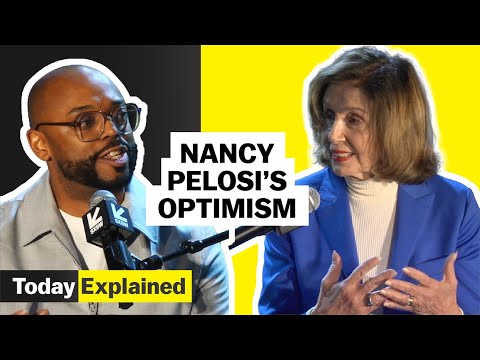
Nancy Pelosi explains her optimism | Today, Explained
0
林宜悉 posted on 2026/03/21Ever wondered what drives a powerful political figure? In this fascinating interview, Nancy Pelosi opens up about her incredible career, her motivations, and what it takes to navigate the rough-and-tumble world of politics. You'll pick up insights into leadership and impactful phrases like "know your why" that are useful both in and out of the political arena!
Learn this video on the APP!
The VoiceTube App has more in-depth practice for videos!