
affect
US /əˈfɛkt/
UK /ə'fekt/
- Transitive Verb
- To cause a change in something else
- To pretend to have or feel (something).
- Noun
- (Psychology) Emotion or feeling.
A2TOEICMoreafter the fact
US /ˈæftɚ ðə fækt/
UK /ˈɑ:ftə ðə fækt/
- other
- Happening or known later than the actual event.
B1Moreanswer to
US
UK
- Phrasal Verb
- To be responsible to someone and have to explain your actions to them.
- To correspond to or match a description or requirement.
A1Moreanticipation
US /ænˌtɪsəˈpeʃən/
UK /ænˌtɪsɪˈpeɪʃn/
- Uncountable Noun
- Pleasurable feeling about a future event
B1TOEICMoreat issue
US /ˌæt ˈɪʃu/
UK /ˌæt ˈɪʃu:/
- other
- Being the subject currently under discussion or dispute.
B2Moreat stake
US /æt stek/
UK /æt steik/
- Phrase
- At risk; that can be lost if something is not successful
- In question; depending on what happens
- Adjective
- At risk; that can be lost if something is not successful.
A1Morebrief
US /brif/
UK /bri:f/
- Noun (Countable/Uncountable)
- Information and instructions given for a meeting
- A concise summary or abstract.
- Transitive Verb
- To give information/instructions before a meeting
A2TOEICMoreby now
US /baɪ naʊ/
UK /bai nau/
- Phrase
- At the present time or already; before the present.
A2Morecapacity
US /kəˈpæsɪti/
UK /kə'pæsətɪ/
- Noun (Countable/Uncountable)
- Ability to hold, involve or contain (e.g. liquids)
- Largest amount of something that can be produced
B1Morechatter
US /ˈtʃætɚ/
UK /ˈtʃætə(r)/
- Intransitive Verb
- To talk a lot in a casual manner
- (As of teeth if cold) to click uncontrollably
- Uncountable Noun
- Continuous rapid talk about matters of little importance.
- A rapid series of short, sharp noises.
C2Moreclient
US /ˈklaɪənt/
UK /'klaɪənt/
- Countable Noun
- Person paying for professional services
A2Morecome back
US /kʌm bæk/
UK /kʌm bæk/
- Phrasal Verb
- To reply to someone, often forcefully
- To be remembered
A1Morecoordinate
US /ko'ɔrdəˈnet/
UK /kəʊ'ɔ:dɪneɪt/
- Transitive Verb
- To match styles or colors that go well together
- To cause body parts to move smoothly together
- Noun
- Point on a map defining a location e.g. 135N, 34W
- A matching set of clothes.
B1Morecultivate
US /ˈkʌltəˌvet/
UK /'kʌltɪveɪt/
- Transitive Verb
- To grow plants, crops etc.
- To cause to grow by education; to enlighten
B1Moredamage
US /ˈdæmɪdʒ/
UK /ˈdæmɪdʒ/
- Noun (Countable/Uncountable)
- Physical harm that is done to something
- Transitive Verb
- To harm physically; to hurt or break something
- To harm the reputation of someone.
A2TOEICMoredegradation
US /ˌdɛɡrəˈdeʃən/
UK /ˌdegrəˈdeɪʃn/
- Noun (Countable/Uncountable)
- Reduction in quality or character
- The act of treating someone poorly and without respect.
B2Moredeplete
US /dɪˈplit/
UK /dɪˈpli:t/
- Transitive Verb
- To reduce the amount, strength or number of
B2TOEICMoredisagree
US /ˌdɪsəˈɡri/
UK /ˌdɪsə'ɡri:/
- Intransitive Verb
- To have a different opinion; to fail to agree
B2TOEICMoredramatic
US /drəˈmætɪk/
UK /drəˈmætɪk/
- Adjective
- Gripping the attention; causing an effect
- (Of an event) sudden and extreme
B1Moreenergy
US /ˈɛnədʒi/
UK /'enədʒɪ/
- Noun (Countable/Uncountable)
- Physical or mental strength
- Enthusiasm and determination.
A2Moreescalation
US /ˌeskə'leɪʃn/
UK /ˌeskə'leɪʃn/
- Noun (Countable/Uncountable)
- An increase in severity
B2Morefame
US /fem/
UK /feɪm/
- Noun (Countable/Uncountable)
- (Person, thing) being well-known by many people
- Widespread reputation, especially of a good kind.
B1TOEICMorefill up
US /fɪl ʌp/
UK /fil ʌp/
- Phrase
- Verb (Transitive/Intransitive)
- To make something full.
- To become full.
A1Morefor the most part
US
UK
- Phrase
- Generally; mostly; on the whole.
- Mostly; generally; in most cases.
A1Morego on
US /ɡo ɑn/
UK /ɡəu ɔn/
- Phrasal Verb
- To continue doing something
- To happen (usually negative)
- Interjection
- Used to encourage someone
A1Moregoes to show
US
UK
- Phrase
- To demonstrate or prove something.
A1Morehave to
US /hæv tu/
UK /ˈhæv tə/
- Auxiliary Verb
- Must do
A1Morein fact
US /ɪn fækt/
UK /in fækt/
- Adverb
- Used to emphasize the truth of a statement, especially one that contrasts with or contradicts something else.
- Used to introduce a more detailed or surprising piece of information.
- Phrase
- Used to emphasize the truth of a statement, especially one that is surprising or contrary to what might be expected.
C1Morein mind
US /ɪn maɪnd/
UK /in maind/
- Phrase
- Being aware of or considering something.
- To remember or consider something.
A2Morein order to
US /ɪn ˈɔrdɚ tu/
UK /in ˈɔ:də tu:/
- Preposition
- For the purpose of; with the aim of.
- Phrase
- In a specific sequence or arrangement.
- With the aim of; for the purpose of.
C1Morein particular
US /ɪn pɚˈtɪkjəlɚ/
UK /in pəˈtikjulə/
- Phrase
- Specifically; especially.
- Detailed or precise.
A1Morein terms of
US
UK
- Phrase
- With regard to; concerning a particular aspect.
A1Morein the end
US /ɪn ði ɛnd/
UK /in ðə end/
- Phrase
- Finally; after a period of time or series of events.
- Ultimately; as the final result or consequence.
A1Morein the middle of
US
UK
- Phrase
- In the central part or point of something.
- Engaged or occupied with something.
A2Morein theory
US /ɪn ˈθiəri/
UK /in ˈθiəri/
- Adverb
- According to the stated ideas or principles
- Phrase
- According to the theoretical possibilities rather than actual practice.
B2Moreinfrastructure
US /ˈɪnfrəˌstrʌktʃɚ/
UK /'ɪnfrəstrʌktʃə(r)/
- Uncountable Noun
- Basic necessary equipment for a country or region
- The underlying framework or system of an organization.
B1Moreintellectually
US
UK
- Adverb
- In a manner involving reasoning or complex ideas
B1Moreinterrupt
US /ˌɪntəˈrʌpt/
UK /ˌɪntə'rʌpt/
- Verb (Transitive/Intransitive)
- To stop something from happening for a while
- To stop someone from speaking by saying or doing something.
- Noun
- A signal that stops a computer from working on one thing and starts it working on something else.
B1TOEICMoreinvest
US /ɪnˈvɛst/
UK /ɪn'vest/
- Transitive Verb
- To use resources to build for the future
A2TOEICMoreleak
US /lik/
UK /li:k/
- Noun (Countable/Uncountable)
- Act of (gas, liquid) escaping through a small hole
- Information released that wasn't supposed to be
- Intransitive Verb
- (Of a tire) to have air, liquid escaping; (Of air)
- (Liquid) to go out of/get in through crack/opening
B1Morelet it happen
US
UK
- Verb (Transitive/Intransitive)
- To allow something to occur without interference or resistance.
A2Morelooking out
US
UK
- Phrasal Verb
- To take care and watch something carefully
- To be careful; to be vigilant
- Intransitive Verb
- To be careful or vigilant
A1Moremilitary
US /ˈmɪlɪˌtɛri/
UK /'mɪlətrɪ/
- Noun
- Army or armed forces
- Adjective
- Concerning the army or navy
B1Moreminister
US /ˈmɪnɪstɚ/
UK /'mɪnɪstə(r)/
- Noun
- An official who heads a government department
- Person who performs Christian services
A2Morenuclear
US /ˈnukliɚ, ˈnju-/
UK /ˈnju:kliə(r)/
- Adjective
- Concerning or involving the center of an atom
A2Moreof course
US /ʌv kɔː(r)s/
UK /ɔv kɔː(r)s/
- Adverb
- Sure ; Certainly
- Phrase
- For sure; certainly
A2Moreoff of
US /ɔf ʌv/
UK /ɔf ɔv/
- Preposition
- From a position on something; down from.
A1Moreoffensive
US /əˈfɛnsɪv/
UK /əˈfensɪv/
- Adjective
- Causing displeasure or anger
- Attacking or intended to attack
- Noun
- A military attack
B1TOEICMoreon purpose
US /ɑn ˈpɚpəs/
UK /ɔn ˈpə:pəs/
- Idiom
- Intentionally; deliberately.
- Phrase
- Intentionally; deliberately.
A1Moreon the ground
US
UK
- Phrase
- Located on the surface of the earth.
- Present and available in a particular place, especially to deal with a situation.
one of those things
US /wʌn əv ðoʊz θɪŋz/
UK /wʌn əv ðəuz θɪŋz/
- other
- An unfortunate but unavoidable event.
B2Moreperpetuate
US /pɚˈpɛtʃuˌet/
UK /pə'petʃʊeɪt/
- Transitive Verb
- To make something continue for a long time
B2TOEICMorepresident
US /ˈprɛzɪdənt,-ˌdɛnt/
UK /ˈprezɪdənt/
- Noun
- Person in charge of a country, or organization
- The highest-ranking executive in a corporation or organization.
A2TOEICMoreprime
US /praɪm/
UK /praɪm/
- Transitive Verb
- To get a person ready for; prepare someone
- To coat with paint to prepare it for the main coat
- Adjective
- Concerning the highest in quality or value
- Concerning the highest level of achievement
A2TOEICMoreprosecute
US /ˈprɑsɪˌkjut/
UK /'prɒsɪkju:t/
- Transitive Verb
- To try to prove someone legally guilty of a crime
- To proceed with something, such as a transaction
B2Moreput out
US /pʊt aʊt/
UK /put aut/
- Phrasal Verb
- To publish, e.g. a book
- To cause someone to be troubled or inconvenienced
A1Moreramp
US /ræmp/
UK /ræmp/
- Noun
- Path that increases in height as you walk up it
- Transitive Verb
- To slope or incline; (phrasal: ramp up) to increase the level or amount of something sharply; to furnish with a sloping surface.
B2Morereasonable
US /ˈrizənəbəl/
UK /ˈri:znəbl/
- Adjective
- Being somewhat good, but not great
- Fair and sensible; appropriate
A2TOEICMoreregime
US /reˈʒim, rɪ-/
UK /reɪˈʒi:m/
- Noun
- A system of management; a form of government
B1Morerely on
US /rɪˈlaɪ ɑn/
UK /riˈlai ɔn/
- Phrasal Verb
- To depend on someone or something
A2Moreretaliatory
US /rɪ'tælɪrtrɪ/
UK /rɪ'tælɪətrɪ/
- Adjective
- Concerning revenge for something harmful or wrong
B2Moresatisfaction
US /ˌsætɪsˈfækʃən/
UK /ˌsætɪs'fækʃn/
- Uncountable Noun
- Happy feeling because of something that you did
- Providing enough to make someone happy
B1TOEICMoreshut down
US /ʃʌt daʊn/
UK /ʃʌt daun/
- Phrasal Verb
- To close an operating system, e.g. on a computer
- To stop a factory/machine from operating
- Transitive Verb
- To deactivate a nuclear reactor.
- To turn off a computer or other electronic device.
A2Moresignificant
US /sɪɡˈnɪfɪkənt/
UK /sɪgˈnɪfɪkənt/
- Adjective
- Large enough to be noticed or have an effect
- Having meaning; important; noticeable
A2TOEICMorestake
US /stek/
UK /steɪk/
- Noun (Countable/Uncountable)
- Share/interest in the success of a business, etc.
- Money bet in a game that can be won or lost
- Transitive Verb
- To bet or wager on an outcome
- To risk something important by taking a risk
B1TOEICMorestrike
US /straɪk/
UK /straɪk/
- Transitive Verb
- To hit something
- To remove or erase.
- Noun (Countable/Uncountable)
- A punch or hit
- Fact of not hitting the ball when playing baseball
A2TOEICMoretake back
US /tek bæk/
UK /teik bæk/
- Phrasal Verb
- To say you no longer agree with an opinion you had
- To return something you bought to the store
- Transitive Verb
- To retract or withdraw a statement or claim.
- To regain possession of something.
A1Moretalking about
US
UK
- Phrasal Verb
- To discuss a particular topic.
- To be constantly mentioning or bringing up a subject.
A1Moretempo
US /ˈtɛmpo/
UK /'tempəʊ/
- Noun (Countable/Uncountable)
- Speed or pace of something
C1Moreterror
US /ˈtɛrɚ/
UK /ˈterə(r)/
- Uncountable Noun
- Use of violent acts to make people afraid
- Extreme fear; dread.
A2Morethe bottom line
US /ði ˈbɑtəm laɪn/
UK /ðə ˈbɔtəm lain/
- Noun
- The most important thing; the essential point.
- The net income or profit of a company.
A2Moretit for tat
US
UK
- Noun
- An equivalent given in return; retaliation.
- Adjective
- Characterized by retaliation or reciprocal actions.
wipe
US /waɪp/
UK /waɪp/
- Transitive Verb
- To clean or dry something with a cloth
- To spread a liquid on something
- Noun
- Act to clean or dry something with a cloth
A2Morewith it
US /wɪð ɪt/
UK /wið it/
- Adjective
- Intelligent, alert, and up-to-date.
- Understanding and knowledgeable about current trends or information.
A1More
Vocabulary
- have to: Must do
- with it: Intelligent, alert, and up-to-date.
- on the ground: Located on the surface of the earth.
- answer to: To be responsible to someone and have to explain your actions to them.
- of course: Sure ; Certainly
- at issue: Being the subject currently under discussion or dispute.
- in the middle of: In the central part or point of something.
- on purpose: Intentionally; deliberately.
- in order to: For the purpose of; with the aim of.
- put out: To publish, e.g. a book
- goes to show: To demonstrate or prove something.
- talking about: To discuss a particular topic.
- fill up
- by now: At the present time or already; before the present.
- in fact: Used to emphasize the truth of a statement, especially one that contrasts with or contradicts something else.
- off of: From a position on something; down from.
- in theory: According to the stated ideas or principles
- go on: To continue doing something
- in the end: Finally; after a period of time or series of events.
- the bottom line: The most important thing; the essential point.
- for the most part: Generally; mostly; on the whole.
- let it happen: To allow something to occur without interference or resistance.
- take back: To say you no longer agree with an opinion you had
- one of those things: An unfortunate but unavoidable event.
- tit for tat: An equivalent given in return; retaliation.
- come back: To reply to someone, often forcefully
- in terms of
- rely on: To depend on someone or something
- at stake: At risk; that can be lost if something is not successful
- in particular: Specifically; especially.
- after the fact: Happening or known later than the actual event.
- in mind: Being aware of or considering something.
- looking out: To take care and watch something carefully
- shut down: To close an operating system, e.g. on a computer
- significant: Large enough to be noticed or have an effect
- term: Conditions applying to an agreement, contract
- cultivate: To grow plants, crops etc.
- infrastructure: Basic necessary equipment for a country or region
- capacity: Ability to hold, involve or contain (e.g. liquids)
- strike: To hit something
- position: Person's opinion or attitude about something
- stake: Share/interest in the success of a business, etc.
- brief: Information and instructions given for a meeting
- exist: To be present, alive or real
- prime: To get a person ready for; prepare someone
- military: Army or armed forces
- affect: To cause a change in something else
- dramatic: Gripping the attention; causing an effect
- state: Region within a country, with its own government
- regime: A system of management; a form of government
- interrupt: To stop something from happening for a while
- pretty: Being attractive to the eye in a simple way
- coordinate: To match styles or colors that go well together
- guess: To give an answer without knowing if it is correct
- anticipation: Pleasurable feeling about a future event
- invest: To use resources to build for the future
- ground: To break (coffee, etc.) into tiny bits with machine
- economy: Using money, resources in a careful, effective way
- fame: (Person, thing) being well-known by many people
- offensive: Causing displeasure or anger
- energy: Physical or mental strength
- ramp: Path that increases in height as you walk up it
- satisfaction: Happy feeling because of something that you did
- sound: Sensible, dependable and reliable
- client: Person paying for professional services
- president: Person in charge of a country, or organization
- wipe: To clean or dry something with a cloth
- control: A device designed to operate a machine
- act: To behave in a certain way
- minister: An official who heads a government department
- damage: Physical harm that is done to something
- point: An item to be discussed
- middle: Place that is halfway between two things
- reasonable: Being somewhat good, but not great
- intellectually: In a manner involving reasoning or complex ideas
- change: To exchange one set of clothes for another
- perpetuate: To make something continue for a long time
- nuclear: Concerning or involving the center of an atom
- set: Prepared for something; ready
- terror: Use of violent acts to make people afraid
- leak: Act of (gas, liquid) escaping through a small hole
- degradation: Reduction in quality or character
- disagree: To have a different opinion; to fail to agree
- escalation: An increase in severity
- prosecute: To try to prove someone legally guilty of a crime
- deplete: To reduce the amount, strength or number of
- chatter: To talk a lot in a casual manner
- retaliatory: Concerning revenge for something harmful or wrong
- tempo: Speed or pace of something
Get the full experience in the app
Learn anywhere with detailed sentence and usage analysis
01:03
She took a brave step forward, leaving behind her comfort zone to chase her dreams.
Vocabulary
- brave
adj. Having courage
- comfort zone
phr. A familiar situation where one feels safe
Explanation
a brave step is a noun phrase, where brave is an adjective modifying the noun step, meaning "a courageous step".
forward is an adverb modifying step, meaning "ahead".
The whole phrase serves as the object, answering the "what" of took (verb) — she took a brave step forward.
Get the full experience in the app
Look up words anytime with pronunciation, part of speech, and usage
brave
US/brev/
UK/breɪv/
adj.Brave
v.t.To bravely face
A2 Elementary
Get the full experience in the app
Practice speaking anytime and get instant pronunciation feedback
Try this speaking exercise.
Try practicing with this sentence.
80
0
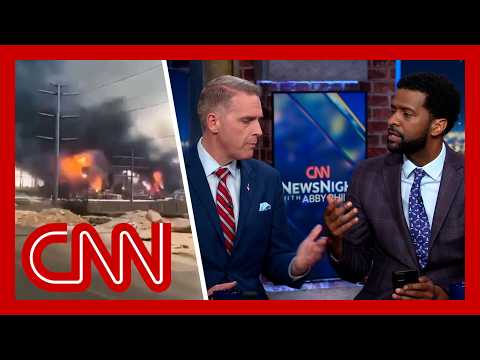
林宜悉 posted on 2026/03/20Wondering if Trump is losing his grip on the Iran conflict? This panel discussion dives deep into US-Israel relations, military coordination, and the potential for escalation, giving you a chance to pick up advanced vocabulary related to energy infrastructure and international politics. You'll gain valuable insights into the White House's perspective and the complex dynamics at play!
Learn this video on the APP!
The VoiceTube App has more in-depth practice for videos!