
abandon
US /əˈbændən/
UK /ə'bændən/
- Transitive Verb
- To discard or intentionally get rid of an item
- To withdraw your support, or leave someone
- Uncountable Noun
- Wild, carefree behavior
B1Moreactual
US /ˈæktʃuəl/
UK /ˈæktʃuəl/
- Adjective
- Real or existing in fact, not imagined; real
- Current; existing at the present time.
A2TOEICMoreafford
US /əˈfɔrd, əˈford/
UK /ə'fɔ:d/
- Transitive Verb
- To make available, to provide
- To have enough money to pay for something
A2TOEICMorealong with
US /əˈlɔŋ wɪð/
UK /əˈlɔŋ wið/
- Preposition
- In addition to; together with.
- Adverb
- In company or together with someone or something.
- Including; in addition to.
A2Moreassassinate
US /əˈsæsəˌnet/
UK /ə'sæsɪneɪt/
- Transitive Verb
- To murder a famous or public figure
B2Moreat risk
US
UK
- Phrase
- In danger; likely to be harmed
author
US /ˈɔθɚ/
UK /'ɔ:θə(r)/
- Noun (Countable/Uncountable)
- Person who writes books, plays, poems etc.
- Transitive Verb
- To write book or articles
B1Moreback then
US
UK
- Phrase
- At that time in the past.
A1Morebarb
US /bɑrb/
UK /bɑ:b/
- Noun
- Sharp point which curves backwards
B2Morebe with
US /bi wɪð/
UK /bi: wið/
- Phrasal Verb
- To accompany someone; to be in someone's presence.
- To support someone's opinion or cause.
A1Morebreak into
US /brek ˈɪntu/
UK /breik ˈɪntuː/
- Phrasal Verb
- To start suddenly (crying, panicking, etc.)
- To get into a new field of work
A1Morebucket
US /ˈbʌkɪt/
UK /'bʌkɪt/
- Countable Noun
- Open container with a handle used to carry liquids
- A scoop-like container attached to machinery, used for digging or lifting materials.
- Uncountable Noun
- The amount held by a bucket.
B1Morecapital
US /ˈkæpɪtl/
UK /'kæpɪtl/
- Noun
- Writing the first letter of a word in big letters
- Official main city of a country, province or state
- Adjective
- Main, or major
- (Of an offense) liable to the death penalty.
A2Morecement
US /sɪˈmɛnt/
UK /sɪ'ment/
- Uncountable Noun
- Building material made from gray powder, water
- Transitive Verb
- To bind or hold together strongly
- To make something more stable or stronger
B1Morecircumstance
US /ˈsɚkəmˌstæns/
UK /'sɜ:kəmstəns/
- Noun (Countable/Uncountable)
- Condition or fact that affects a situation
- An event or fact that causes or helps to cause something to happen, typically something bad or unwanted.
A2Morecognition
US /kɑ:gˈnɪʃn/
UK /kɒgˈnɪʃn/
- Uncountable Noun
- Recognition involved in thought processing
C1Morecome back
US /kʌm bæk/
UK /kʌm bæk/
- Phrasal Verb
- To reply to someone, often forcefully
- To be remembered
A1Morecome from
US /kʌm frʌm/
UK /kʌm frɔm/
- Phrasal Verb
- To have as your native country or city
A1Morecompound
US /kɑmˈpaUnd/
UK /'kɒmpaʊnd/
- Noun (Countable/Uncountable)
- Series of buildings that are walled or fenced off
- Chemical made up of several others
- Transitive Verb
- To pay interest on a loan including the interest
- To make something from various parts or components
B1Moreconcrete
US /kɑnˈkrit, kɑŋ-, ˈkɑnˌkrit, ˈkɑŋ-/
UK /'kɒŋkri:t/
- Uncountable Noun
- Hard building material made of cement, sand, water
- Transitive Verb
- To cover or make with a hard grey building material
- To lay or cover with concrete.
B1Moreconnection
US /kəˈnɛkʃən/
UK /kəˈnekʃn/
- Noun (Countable/Uncountable)
- Something that joins things together; being joined
- Person you know who can help you in some way
A2Moreconvoy
US /ˈkɑ:nvɔɪ/
UK /ˈkɒnvɔɪ/
- Countable Noun
- Group of moving vehicles, e.g. of an army/navy
B2Moredense
US /dɛns/
UK /dens/
- Adjective
- Very thick and difficult to see, get through
- Hard to understand
B1TOEICMoredeserve
US /dɪˈzɚv/
UK /dɪ'zɜ:v/
- Transitive Verb
- To be worthy of, e.g. getting praise or attention
A2TOEICMoredesperate
US /ˈdɛspərɪt/
UK /ˈdespərət/
- Adjective
- Being beyond hope; prepared to do anything
- State of urgently wanting to go to the toilet
A2Moredown with
US /daʊn wɪð/
UK /daun wið/
- Adjective
- Suffering from an illness.
- Agreeable to; in favor of.
- Interjection
- An expression of opposition to something.
A1Moredrop in the bucket
US /drɑp ɪn ðɚ ˈbʌkət/
UK /drɒp in ðə ˈbʌkɪt/
- other
- An amount too small to make any real difference.
B2Moreeducation
US /ˌɛdʒəˈkeʃən/
UK /ˌedʒuˈkeɪʃn/
- Uncountable Noun
- Academic field studying the practice of teaching
- Process of giving or receiving teaching
A2TOEICMoreenslave
US /ɛnˈslev/
UK /ɪn'sleɪv/
- Transitive Verb
- To make someone live like a slave
C2Moreexpense
US /ɪkˈspɛns/
UK /ɪk'spens/
- Noun (Countable/Uncountable)
- Money you have to pay to do part of your job
- Paying money for something (big)
- Uncountable Noun
- When resources e.g. time is used to do something
- Expenditure of resources; spending
B1TOEICMorefaith
US /feθ/
UK /feɪθ/
- Uncountable Noun
- Belief in a god or gods; religion
- Belief that that something is true without proof
- Proper Noun
- Person's name
A2TOEICMorefeel like
US
UK
- Intransitive Verb
- To have a desire or inclination for something.
- To have a particular quality or sensation; resemble.
A1Morefor free
US /fɔr fri/
UK /fɔ: fri:/
- Phrase
- Without charge; at no cost.
- Adjective
- Available without payment.
A2Morefor the rest
US /fɔr ði rɛst/
UK /fɔ: ðə rest/
- Phrase
- Concerning the remaining people or things.
- During the remaining part of a period of time.
A1Moregive back
US /ɡɪv bæk/
UK /ɡiv bæk/
- Phrasal Verb
- To return something you borrowed
A1Morego on
US /ɡo ɑn/
UK /ɡəu ɔn/
- Phrasal Verb
- To continue doing something
- To happen (usually negative)
- Interjection
- Used to encourage someone
A1Moregreet
US /ɡrit/
UK /gri:t/
- Transitive Verb
- To meet with friendly words and actions; welcome
B1Morehave to
US /hæv tu/
UK /ˈhæv tə/
- Auxiliary Verb
- Must do
A1Morehonestly
US /ˈɑnɪstli/
UK /ˈɒnɪstli/
- Adverb
- With truth or sincerity; I'm being honest with you
- Genuinely; in a sincere manner.
A2Morein half
US /ɪn hæf/
UK /in hɑ:f/
- Adverb
- Divided into two equal parts.
- Partially; to some extent.
A1Morein terms of
US
UK
- Phrase
- With regard to; concerning a particular aspect.
A1Morein the bucket
US /ɪn ði ˈbʌkɪt/
UK /ɪn ði ˈbʌkɪt/
- other
- Situated or contained inside a bucket.
A2Morein the streets
US /ɪn ðə strits/
UK /ɪn ðə stri:ts/
- other
- Located or happening outdoors in public roads or areas.
A2Moremalnourished
US /ˌmælˈnɜ:rɪʃt/
UK /ˌmælˈnʌrɪʃt/
- Adjective
- Not having had adequate nourishment or food
- Having the physical characteristics of someone suffering from malnutrition.
C1Moremonitor
US /ˈmɑ:nɪtə(r)/
UK /ˈmɒnɪtə(r)/
- Transitive Verb
- To observe and keep a record of something
- To observe and check the progress or quality of (something) over a period of time; keep under systematic review.
- Noun
- A senior student at school
- Electronic screen on which you can see images
A2TOEICMoreno matter
US
UK
- Conjunction
- Regardless of; it does not matter.
- Adverb
- Regardless of; it is not important
A1Morenursery
US /ˈnɜ:rsəri/
UK /ˈnɜ:səri/
- Noun (Countable/Uncountable)
- Place where trees and plants are grown and sold
- Room in a hospital where babies are cared for
B1Moreon the ground
US
UK
- Phrase
- Located on the surface of the earth.
- Present and available in a particular place, especially to deal with a situation.
on the other side of
US /ɑn ði ˈʌðɚ ˈsaɪd ʌv/
UK /ɒn ði ˈʌðə ˈsaɪd ɒv/
- Preposition
- Located across something from a given point.
A2Moreon to
US /ɑn tu/
UK /ɔn tu:/
- Preposition
- Toward something; forward
- Aware of someone's activities.
- Adjective
- Aware of someone's deception or illegal activities.
A1Moreorphanage
US /ˈɔ:rfənɪdʒ/
UK /ˈɔ:fənɪdʒ/
- Noun
- Home for children whose parents have died
C2Morepass through
US /pæs θru/
UK /pɑ:s θru:/
- Phrasal Verb
- To experience something, often unpleasant or difficult.
- To go through something; to move from one side to the other of something.
A2Morepastor
US /ˈpæstɚ/
UK /'pɑ:stə(r)/
- Noun
- Minister in charge of a Christian church or group
B2Morepersonal
US /ˈpɚsənəl/
UK /ˈpɜ:sənl/
- Adjective
- Done by or to a particular person; individual
- Concerning a person's private life or feelings
A2Morepotential
US /pəˈtɛnʃəl/
UK /pəˈtenʃl/
- Adjective
- Capable of happening or becoming reality
- Having or showing the capacity to develop into something in the future.
- Uncountable Noun
- someone's or something's ability to develop, achieve, or succeed
A2TOEICMoreproud of you
US
UK
- Phrase
- Feeling pleased and satisfied about something you own or have done, or are connected to.
B1Morerelief
US /rɪˈlif/
UK /rɪˈli:f/
- Noun (Countable/Uncountable)
- Aid given to people in need as after war/disaster
- Artwork, e.g. part of wall, that partly sticks out
B1TOEICMorerely on
US /rɪˈlaɪ ɑn/
UK /riˈlai ɔn/
- Phrasal Verb
- To depend on someone or something
A2Morerun by
US
UK
- Phrasal Verb
- To be managed or controlled by someone or a group.
- To show or tell something to someone briefly to get their opinion or approval.
A1Moresecurity
US /sɪˈkjʊrɪti/sə'kjurətɪ/
UK /sɪ'kjʊərətɪ/
- Noun
- Department in a company in charge of protection
- Financial document, like stocks, bonds and notes
A2TOEICMoreset to
US /sɛt tu/
UK /set tu:/
- Phrasal Verb
- To energetically begin to do, e.g. making a fire
A1Moreslash
US /slæʃ/
UK /slæʃ/
- Noun (Countable/Uncountable)
- Line ( / ) used in writing
- Long, deep cut, caused by a sharp object
- Transitive Verb
- To cut violently with a sharp object
- To decrease something by a large amount
B2TOEICMoresprawl
US /sprɔl/
UK /sprɔ:l/
- Intransitive Verb
- To spread out in an uncontrolled way
B2Morestare
US /stɛr/
UK /steə(r)/
- Verb (Transitive/Intransitive)
- To look at someone or something for a long time
- Noun
- A long look at something or someone for a reason
A2Morestarve
US /stɑ:rv/
UK /stɑ:v/
- Verb (Transitive/Intransitive)
- To (cause to) be hungry or go without food
- To need or desire very strongly
B1Morestrip
US /strɪp/
UK /strɪp/
- Transitive Verb
- To remove your clothes (often sexily for someone)
- To remove something, e.g. paint from a wall
- Countable Noun
- Long narrow piece, such as ribbon or land
B1Moreswollen
US /ˈswolən/
UK /ˈswəʊlən/
- Verb (Transitive/Intransitive)
- To increase in size or number larger than normal
- To become larger than normal, often due to injury
- Adjective
- Increased in size due to injury
B1Moretake back
US /tek bæk/
UK /teik bæk/
- Phrasal Verb
- To say you no longer agree with an opinion you had
- To return something you bought to the store
- Transitive Verb
- To retract or withdraw a statement or claim.
- To regain possession of something.
A1Moreversa
US /'vɜ:sə/
UK /'vɜ:sə/
- Adverb
- used to say that what you have just said is also true in the opposite order
C1Moreviolence
US /ˈvaɪələns/
UK /ˈvaɪələns/
- Uncountable Noun
- Strong physical force of nature
- Use of physical force to harm someone
B1Morevolunteer
US /ˌvɑlənˈtɪr/
UK /ˌvɒlən'tɪə(r)/
- Adjective
- Working willingly without pay to help others
- Countable Noun
- Person who helps others without being paid
- A person who enters military service voluntarily.
B2TOEICMorework at
US /wɚk æt/
UK /wə:k æt/
- Phrasal Verb
- To have a job at a particular place or organization.
- To make an effort to improve something.
A1More
Vocabulary
- have to: Must do
- in the streets: Located or happening outdoors in public roads or areas.
- run by: To be managed or controlled by someone or a group.
- feel like: To have a desire or inclination for something.
- at risk: In danger; likely to be harmed
- on the ground: Located on the surface of the earth.
- pass through: To experience something, often unpleasant or difficult.
- on to: Toward something; forward
- go on: To continue doing something
- on the other side of: Located across something from a given point.
- drop in the bucket: An amount too small to make any real difference.
- in the bucket: Situated or contained inside a bucket.
- in half: Divided into two equal parts.
- for the rest: Concerning the remaining people or things.
- back then: At that time in the past.
- rely on: To depend on someone or something
- break into: To start suddenly (crying, panicking, etc.)
- along with: In addition to; together with.
- for free: Without charge; at no cost.
- give back: To return something you borrowed
- work at: To have a job at a particular place or organization.
- come back: To reply to someone, often forcefully
- proud of you: Feeling pleased and satisfied about something you own or have done, or are connected to.
- down with: Suffering from an illness.
- take back: To say you no longer agree with an opinion you had
- be with: To accompany someone; to be in someone's presence.
- set to: To energetically begin to do, e.g. making a fire
- in terms of
- come from: To have as your native country or city
- no matter: Regardless of; it does not matter.
- potential: Capable of happening or becoming reality
- deserve: To be worthy of, e.g. getting praise or attention
- desperate: Being beyond hope; prepared to do anything
- circumstance: Condition or fact that affects a situation
- stare: To look at someone or something for a long time
- compound: Series of buildings that are walled or fenced off
- concrete: Hard building material made of cement, sand, water
- afford: To make available, to provide
- capital: Writing the first letter of a word in big letters
- faith: Belief in a god or gods; religion
- dense: Very thick and difficult to see, get through
- security: Department in a company in charge of protection
- apply: To spread a substance or liquid over a surface
- drop: Distance between a higher and a lower level
- strip: To remove your clothes (often sexily for someone)
- actual: Real or existing in fact, not imagined; real
- relief: Aid given to people in need as after war/disaster
- connection: Something that joins things together; being joined
- abandon: To discard or intentionally get rid of an item
- honestly: With truth or sincerity; I'm being honest with you
- slash: Line ( / ) used in writing
- leave: To go away from; depart
- author: Person who writes books, plays, poems etc.
- violence: Strong physical force of nature
- cement: Building material made from gray powder, water
- lot: What happens to a person in life from chance; fate
- swollen: To increase in size or number larger than normal
- place: To put someone in a particular type of situation
- malnourished: Not having had adequate nourishment or food
- personal: Done by or to a particular person; individual
- starve: To (cause to) be hungry or go without food
- education: Academic field studying the practice of teaching
- government: Group of people and system that rule a nation
- monitor: To observe and keep a record of something
- bucket: Open container with a handle used to carry liquids
- volunteer: Working willingly without pay to help others
- expense: Money you have to pay to do part of your job
- cognition: Recognition involved in thought processing
- versa: used to say that what you have just said is also true in the opposite order
- greet: To meet with friendly words and actions; welcome
- set: Prepared for something; ready
- grow: To get bigger and more mature; make plants do this
- future: Time that is to come after the present
- nursery: Place where trees and plants are grown and sold
- area: Amount of measured space
- case: Container used to carry things, e.g. clothes
- feel: To be aware of or experience an emotion, sensation
- country: An area of land that is controlled by a government
- live: To be alive
- meet: To provide something that is necessary
- orphanage: Home for children whose parents have died
- pastor: Minister in charge of a Christian church or group
- sprawl: To spread out in an uncontrolled way
- convoy: Group of moving vehicles, e.g. of an army/navy
- assassinate: To murder a famous or public figure
- enslave: To make someone live like a slave
- barb: Sharp point which curves backwards
Get the full experience in the app
Learn anywhere with detailed sentence and usage analysis
01:03
She took a brave step forward, leaving behind her comfort zone to chase her dreams.
Vocabulary
- brave
adj. Having courage
- comfort zone
phr. A familiar situation where one feels safe
Explanation
a brave step is a noun phrase, where brave is an adjective modifying the noun step, meaning "a courageous step".
forward is an adverb modifying step, meaning "ahead".
The whole phrase serves as the object, answering the "what" of took (verb) — she took a brave step forward.
Get the full experience in the app
Look up words anytime with pronunciation, part of speech, and usage
brave
US/brev/
UK/breɪv/
adj.Brave
v.t.To bravely face
A2 Elementary
Get the full experience in the app
Practice speaking anytime and get instant pronunciation feedback
Try this speaking exercise.
Try practicing with this sentence.
80
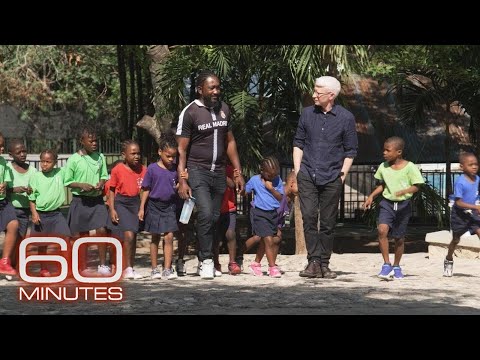
Mitch Albom's Haiti orphanage, a small oasis for children inside a gang-controlled city
0
Richard VT posted on 2026/03/16Discover the incredible resilience of children in Port-au-Prince through Mitch Albom's "Have Faith Haiti" orphanage, a true oasis amidst a challenging city! You'll gain fascinating insights into orphanage life and post-earthquake Haiti, picking up practical situational dialogue and deepening your cultural understanding along the way.
Learn this video on the APP!
The VoiceTube App has more in-depth practice for videos!