
affect
US /əˈfɛkt/
UK /ə'fekt/
- Transitive Verb
- To cause a change in something else
- To pretend to have or feel (something).
- Noun
- (Psychology) Emotion or feeling.
A2TOEICMoreaid
US /ed/
UK /eɪd/
- Transitive Verb
- To help others and provide things
- Noun (Countable/Uncountable)
- Action of giving help to others
- Money or help given to those who need it
A2TOEICMorealliance
US /əˈlaɪəns/
UK /əˈlaɪəns/
- Noun
- Group of people/organizations working together
B1TOEICMorebased on
US
UK
- Phrasal Verb
- To use something as the foundation or starting point for something else.
- Preposition
- Using something as the main idea or foundation.
- Relying on something as evidence or justification.
A1Morebeing with
US
UK
- Phrasal Verb
- Accompanying someone; being in someone's presence.
- Supporting someone's opinion or cause.
- Verb (Transitive/Intransitive)
- Accompanying someone; spending time with someone.
- Supporting someone; agreeing with someone.
A1Morebeneficial
US /ˌbɛnəˈfɪʃəl/
UK /ˌbenɪˈfɪʃl/
- Adjective
- Giving an advantage, having a helpful effect
- Promoting or contributing to physical or mental well-being.
B1TOEICMorebring in
US /brɪŋ ɪn/
UK /briŋ in/
- Phrasal Verb
- To earn a certain amount of money or profits
- To add person into existing group, e.g. phone call
A1Morebring together
US /brɪŋ təˈɡɛðɚ/
UK /briŋ təˈɡeðə/
- Phrasal Verb
- To cause people to be friendly or to work well with each other.
- To combine or unite different things, ideas, or elements.
A1Morecapability
US /ˌkeɪpə'bɪləti/
UK /ˌkeɪpəˈbɪləti/
- Noun (Countable/Uncountable)
- Means, ability, or potential to do something
- The potential or capacity for future development or achievement.
B1Morecautious
US /ˈkɔʃəs/
UK /ˈkɔ:ʃəs/
- Adjective
- Careful about avoiding danger, problems
B2Morechancellor
US /ˈtʃænsəlɚ, -slɚ/
UK /'tʃɑ:nsələ(r)/
- Noun
- High government official
B2Morecoalition
US /ˌkoəˈlɪʃən/
UK /ˌkəʊəˈlɪʃn/
- Noun
- Union of separate political parties
B1Morecollective
US /kəˈlɛktɪv/
UK /kəˈlektɪv/
- Noun
- Business owned or controlled by its workers
- Adjective
- Formed by working together as a group
A2Morecombat
US /kəmˈbæt, ˈkɑmˌbæt/
UK /'kɒmbæt/
- Verb (Transitive/Intransitive)
- To fight someone or something physically
B1Morecome together
US /kʌm təˈɡɛðɚ/
UK /kʌm təˈɡeðə/
- Phrasal Verb
- To assemble or unite; to start working together.
- To form a close relationship or bond.
A1Moredefiant
US /dɪˈfaɪənt/
UK /dɪˈfaɪənt/
- Adjective
- Refusing to obey (rules, parent); resistant
B1Moredeputy
US /ˈdɛpjəti/
UK /ˈdepjuti/
- Noun
- Assistant to a leader who acts on his, her behalf
B1Moredisappointment
US /ˌdɪsəˈpɔɪntmənt/
UK /ˌdɪsəˈpɔɪntmənt/
- Uncountable Noun
- Feeling or state of not being satisfied
- An event or situation that is not as good as you had hoped
B2Moredissect
US /dɪˈsɛkt, daɪ-, ˈdaɪˌsɛkt/
UK /dɪ'sekt/
- Transitive Verb
- To cut up plant or body into pieces to examine it
- To analyze something in great detail.
C1Moreeager
US /ˈiɡɚ/
UK /ˈi:gə(r)/
- Adjective
- Very excited and interested
A2TOEICMoreeconomic
US /ˌɛkəˈnɑmɪk, ˌikə-/
UK /ˌi:kəˈnɒmɪk/
- Adjective
- Concerning trade, industry, and money
- Financially worthwhile; profitable.
- Noun
- A system relating to economics
- A factor relating to economics
A2Moreenthusiastic
US /ɛnˌθuziˈæstɪk/
UK /ɪnˌθju:ziˈæstɪk/
- Adjective
- Excited and interested in something
- Showing active interest and support.
B1TOEICMoreescort
US /ˈeskɔ:rt/
UK /ˈeskɔ:t/
- Countable Noun
- Person going with you for protection/help/company
- Transitive Verb
- To go along with to provide protection, help
B2Morefeel out
US
UK
- Verb (Transitive/Intransitive)
- To try to discover someone's opinions, ideas, or intentions by talking to them for a while.
- To test or examine something in order to learn about it.
- Phrasal Verb
- To try to find out about somebody's opinions, ideas, etc. by talking to them in an indirect way
A1Morefor example
US
UK
- Phrase
- As an illustration or instance.
freedom
US /ˈfridəm/
UK /'fri:dəm/
- Uncountable Noun
- State of being free, not being controlled
B1Moregoing on
US /ˈɡoɪŋ ɑn/
UK /ˈgəʊɪŋ ɔn/
- Phrasal Verb
- To continue doing something
- To happen (usually negative)
A1Moregot to
US /ɡɑt tu/
UK /gɔt tu:/
- Verb (Transitive/Intransitive)
- To arrive at some place
- To have the opportunity or permission to do something
- Phrasal Verb
- To appeal to the emotions of; move
- To finally begin to start something after a delay
A1Morehave to
US /hæv tu/
UK /ˈhæv tə/
- Auxiliary Verb
- Must do
A1Morein mind
US /ɪn maɪnd/
UK /in maind/
- Phrase
- Being aware of or considering something.
- To remember or consider something.
A2Morein public
US /ɪn ˈpʌblɪk/
UK /in ˈpʌblik/
- Phrase
- In a place where anyone can see or hear you.
- Adjective
- Relating to the government or the people as a whole.
B1Morein terms of
US
UK
- Phrase
- With regard to; concerning a particular aspect.
A1Morein the past
US
UK
- Phrase
- During a former period of time; previously.
A1Morein the same breath
US /ɪn ðə ˈseɪm brɛθ/
UK /in ðə ˈseim breθ/
- other
- Saying two things at once that seem to contradict each other.
B2Moreinevitably
US /ɪnˈevɪtəbli/
UK /ɪnˈevɪtəbli/
- Adverb
- (Happening) with complete certainty
B1Moreinstitution
US /ˌɪnstɪˈtuʃən, -ˈtju-/
UK /ˌɪnstɪˈtju:ʃn/
- Noun (Countable/Uncountable)
- Organization created for a particular aim/purpose
- Tradition, custom or system accepted by a group
A2TOEICMorelieutenant
US /lu:ˈtenənt/
UK /lefˈtenənt/
- Noun
- Officer in the army, navy, or air force
B2Morelook at
US /lʊk æt/
UK /luk æt/
- Phrasal Verb
- To use your eyes to focus on something
- To focus your eyes on something carefully
A1Moremaritime
US /ˈmærɪˌtaɪm/
UK /ˈmærɪtaɪm/
- Adjective
- Concerning sailing, ships
- Being next to or near the sea
- Noun
- The branch of law concerning ships and shipping.
B2Moremilitary
US /ˈmɪlɪˌtɛri/
UK /'mɪlətrɪ/
- Noun
- Army or armed forces
- Adjective
- Concerning the army or navy
B1Moreminister
US /ˈmɪnɪstɚ/
UK /'mɪnɪstə(r)/
- Noun
- An official who heads a government department
- Person who performs Christian services
A2Morenavigation
US /ˌnævɪˈɡeʃən/
UK /ˌnævɪˈgeɪʃn/
- Noun
- Act of finding and following the correct course
B2Moreof course
US /ʌv kɔː(r)s/
UK /ɔv kɔː(r)s/
- Adverb
- Sure ; Certainly
- Phrase
- For sure; certainly
A2Moreoff guard
US /ɔf ɡɑrd/
UK /ɔf ɡɑ:d/
- Adjective
- In a vulnerable state; not alert or cautious.
- Unprepared for something; surprised.
A2Moreominous
US /ˈɑmənəs/
UK /ˈɒmɪnəs/
- Adjective
- Indicating something bad or unpleasant will happen
B2TOEICMoreon the way
US /ɑn ði we/
UK /ɔn ðə wei/
- Phrase
- During the journey to a particular place.
A1Moreoperation
US /ˌɑpəˈreʃən/
UK /ˌɒpəˈreɪʃn/
- Noun (Countable/Uncountable)
- Business or company, or its activities
- Functioning; use
A2TOEICMorepoint out
US /pɔɪnt aʊt/
UK /pɔint aut/
- Phrasal Verb
- To make others aware of an idea
- To draw attention to something or someone
A1Morepolicy
US /ˈpɑlɪsi/
UK /'pɒləsɪ/
- Noun
- Document stating terms of an insurance agreement
- Course of action proposed by an organization, etc.
A2TOEICMorepresident
US /ˈprɛzɪdənt,-ˌdɛnt/
UK /ˈprezɪdənt/
- Noun
- Person in charge of a country, or organization
- The highest-ranking executive in a corporation or organization.
A2TOEICMorepressure
US /ˈprɛʃɚ/
UK /'preʃə(r)/
- Noun (Countable/Uncountable)
- Anxiety caused by difficult problems
- Force, weight when pressing against a thing
- Transitive Verb
- To apply force to something
- To persuade or force someone to do something
A2TOEICMoreprime
US /praɪm/
UK /praɪm/
- Transitive Verb
- To get a person ready for; prepare someone
- To coat with paint to prepare it for the main coat
- Adjective
- Concerning the highest in quality or value
- Concerning the highest level of achievement
A2TOEICMoreput together
US /pʊt təˈɡɛðɚ/
UK /put təˈɡeðə/
- Phrasal Verb
- To build or assemble something small, e.g. a toy
- To organize or arrange something.
A1Moreserve
US /sɚv/
UK /sɜ:v/
- Verb (Transitive/Intransitive)
- To act in a particular position or office
- To hit the first ball to an opponent in tennis etc.
A2TOEICMorespokesperson
US /ˈspoksˌpɚsən/
UK /ˈspəukspə:sn/
- Noun
- Advocate who represents another’s policy/purpose
B1Morestart on
US /stɑrt ɑn/
UK /stɑ:t ɔn/
- Phrasal Verb
- To begin or start doing something.
- To criticize or complain to someone repeatedly.
A1Moresting
US /stɪŋ/
UK /stɪŋ/
- Transitive Verb
- To be aroused to anger or action
- To cause a sharp pain to
B1TOEICMorestrait
US /stret/
UK /streɪt/
- Noun
- Channel joining large bodies of water
C2Morestrike
US /straɪk/
UK /straɪk/
- Transitive Verb
- To hit something
- To remove or erase.
- Noun (Countable/Uncountable)
- A punch or hit
- Fact of not hitting the ball when playing baseball
A2TOEICMoretalking about
US
UK
- Phrasal Verb
- To discuss a particular topic.
- To be constantly mentioning or bringing up a subject.
A1Moretask
US /tæsk/
UK /tɑ:sk/
- Noun (Countable/Uncountable)
- Big or small piece of work someone has to do
- Transitive Verb
- To be given something to do, e.g. wash dishes
A2TOEICMorethreshold
US /ˈθrɛʃˌold, -ˌhold/
UK /'θreʃhəʊld/
- Noun
- Degree or level at which something begins
- A strip of wood, metal, or stone forming the bottom of a doorway and crossed in entering a house or room.
B2Moretit for tat
US
UK
- Noun
- An equivalent given in return; retaliation.
- Adjective
- Characterized by retaliation or reciprocal actions.
to do with
US
UK
- Phrasal Verb
- To be about something; concern
A1Moreused to
US /juzd tu/
UK /ˈju:st tə/
- Adjective
- Did regularly before, but don't do now
- Auxiliary Verb
- Have done before, but do not do now
A1Moreviable
US /ˈvaɪəbəl/
UK /ˈvaɪəbl/
- Adjective
- Being capable of living, growing, and developing
B1TOEICMorewhatnot
US /ˈwɑːt.nɑːt/
UK /ˈwɒt.nɒt/
- Noun
- Miscellaneous curios
- Uncountable Noun
- And other similar things
C1Morewithdraw
US /wɪðˈdrɔ, wɪθ-/
UK /wɪð'drɔ:/
- Verb (Transitive/Intransitive)
- To take money out of a bank account
- To pull back; move away or backward from something
B1TOEICMore
Vocabulary
- in terms of
- bring in: To earn a certain amount of money or profits
- look at: To use your eyes to focus on something
- have to: Must do
- come together: To assemble or unite; to start working together.
- got to: To arrive at some place
- on the way: During the journey to a particular place.
- based on: To use something as the foundation or starting point for something else.
- point out: To make others aware of an idea
- off guard: In a vulnerable state; not alert or cautious.
- of course: Sure ; Certainly
- in mind: Being aware of or considering something.
- bring together: To cause people to be friendly or to work well with each other.
- start on: To begin or start doing something.
- in the same breath: Saying two things at once that seem to contradict each other.
- talking about: To discuss a particular topic.
- in the past: During a former period of time; previously.
- feel out: To try to discover someone's opinions, ideas, or intentions by talking to them for a while.
- for example: As an illustration or instance.
- used to: Did regularly before, but don't do now
- being with: Accompanying someone; being in someone's presence.
- to do with: To be about something; concern
- in public: In a place where anyone can see or hear you.
- put together: To build or assemble something small, e.g. a toy
- tit for tat: An equivalent given in return; retaliation.
- going on: To continue doing something
- sort: To organize things by putting them into groups
- general: Widespread, normal or usual
- strike: To hit something
- inevitably: (Happening) with complete certainty
- combat: To fight someone or something physically
- enthusiastic: Excited and interested in something
- pressure: Anxiety caused by difficult problems
- threshold: Degree or level at which something begins
- prime: To get a person ready for; prepare someone
- military: Army or armed forces
- affect: To cause a change in something else
- task: Big or small piece of work someone has to do
- address: Exact street location of a place
- aid: To help others and provide things
- institution: Organization created for a particular aim/purpose
- interest: Best or most advantageous thing for someone
- ominous: Indicating something bad or unpleasant will happen
- serve: To act in a particular position or office
- viable: Being capable of living, growing, and developing
- cautious: Careful about avoiding danger, problems
- collective: Business owned or controlled by its workers
- withdraw: To take money out of a bank account
- escort: Person going with you for protection/help/company
- lot: What happens to a person in life from chance; fate
- policy: Document stating terms of an insurance agreement
- beneficial: Giving an advantage, having a helpful effect
- kind: In a caring and helpful manner
- eager: Very excited and interested
- coalition: Union of separate political parties
- president: Person in charge of a country, or organization
- economic: Concerning trade, industry, and money
- navigation: Act of finding and following the correct course
- minister: An official who heads a government department
- support: To give assistance or advice to someone
- bring: To take or go with someone to a place
- point: An item to be discussed
- maritime: Concerning sailing, ships
- operation: Business or company, or its activities
- alliance: Group of people/organizations working together
- strait: Channel joining large bodies of water
- include: To make someone, something part of a group
- sting: To be aroused to anger or action
- disappointment: Feeling or state of not being satisfied
- think: To have an idea about something without certainty
- healthy: In good condition physically, or financially; well
- defiant: Refusing to obey (rules, parent); resistant
- clear: Empty; without anything in it or on it
- capability: Means, ability, or potential to do something
- freedom: State of being free, not being controlled
- dangerous: Involving the chance of hurt or damage; risky
- deputy: Assistant to a leader who acts on his, her behalf
- hear: To be aware of sound; to perceive with the ear
- lieutenant: Officer in the army, navy, or air force
- dissect: To cut up plant or body into pieces to examine it
- whatnot: Miscellaneous curios
- spokesperson: Advocate who represents another’s policy/purpose
- chancellor: High government official
Get the full experience in the app
Learn anywhere with detailed sentence and usage analysis
01:03
She took a brave step forward, leaving behind her comfort zone to chase her dreams.
Vocabulary
- brave
adj. Having courage
- comfort zone
phr. A familiar situation where one feels safe
Explanation
a brave step is a noun phrase, where brave is an adjective modifying the noun step, meaning "a courageous step".
forward is an adverb modifying step, meaning "ahead".
The whole phrase serves as the object, answering the "what" of took (verb) — she took a brave step forward.
Get the full experience in the app
Look up words anytime with pronunciation, part of speech, and usage
brave
US/brev/
UK/breɪv/
adj.Brave
v.t.To bravely face
A2 Elementary
Get the full experience in the app
Practice speaking anytime and get instant pronunciation feedback
Try this speaking exercise.
Try practicing with this sentence.
80
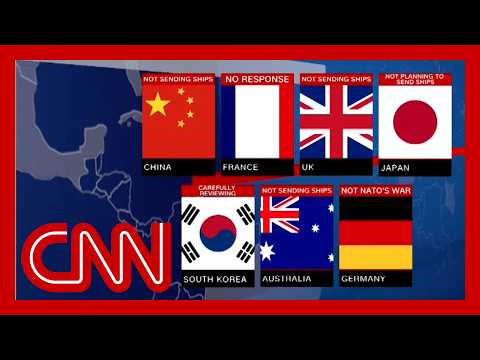
US allies reject Trump's call for help in Strait of Hormuz
0
Richard VT posted on 2026/03/16Ever wondered about the complex dance of international relations and maritime security? This video dives into the fascinating diplomatic tensions surrounding the Strait of Hormuz, exploring why US allies didn't join President Trump's call for help. You'll pick up advanced vocabulary related to defense and energy markets, perfect for understanding real-world news!
Learn this video on the APP!
The VoiceTube App has more in-depth practice for videos!