
absolutely
US /ˈæbsəˌlutli, ˌæbsəˈlutli/
UK /ˈæbsəlu:tli/
- Adverb
- Completely; totally; very
- Considered independently and without relation to other things; viewed abstractly; as, quantity absolutely considered.
A2Moreagency
US /ˈedʒənsi/
UK /'eɪdʒənsɪ/
- Noun (Countable/Uncountable)
- Business that provides some service for others
B1TOEICMoreanti
US /ˈæntaɪ, -ti/
UK /'æntɪ/
- Adjective
- A prefix meaning 'against' or 'opposed'
B2Moreas well as
US /æz wɛl æz/
UK /æz wel æz/
- Adverb
- Also; in addition to
- Preposition
- In addition to; and also.
A1Moreat least
US /æt list/
UK /æt li:st/
- Adverb
- As a minimum
- Not less than
- Phrase
- No less than; at the minimum
- Used to indicate that something is positive in a bad situation.
C2Moreat stake
US /æt stek/
UK /æt steik/
- Phrase
- At risk; that can be lost if something is not successful
- In question; depending on what happens
- Adjective
- At risk; that can be lost if something is not successful.
A1Moreat that time
US /æt ðæt taɪm/
UK /æt ðæt taim/
- Phrase
- During a specific point in the past.
A1Moreat war
US /æt wɔr/
UK /æt wɔ:/
- Phrase
- Engaged in a war; fighting
A2Morebased on
US
UK
- Phrasal Verb
- To use something as the foundation or starting point for something else.
- Preposition
- Using something as the main idea or foundation.
- Relying on something as evidence or justification.
A1Moreboth times
US
UK
- Adverb
- On two occasions.
A1Morebrutal
US /ˈbrutl/
UK /'bru:tl/
- Adjective
- Extremely violent or mean
B1Morecarpet
US /ˈkɑ:rpɪt/
UK /ˈkɑ:pɪt/
- Noun (Countable/Uncountable)
- Colored floor covering made of wool, etc.
- Transitive Verb
- To cover a surface with, e.g. many flowers
B1Morecommit
US /kəˈmɪt/
UK /kə'mɪt/
- Transitive Verb
- To do something bad, usually a crime
- To promise your permanent love or loyalty (to)
A2TOEICMorecomplicity
US /kəmˈplɪsɪti/
UK /kəmˈplɪsəti/
- Uncountable Noun
- Involvement with someone in a crime, etc.
C1Moreconflict
US /ˈkɑnˌflɪkt/
UK /'kɒnflɪkt/
- Noun (Countable/Uncountable)
- Argument or struggle between two or more parties
- A serious disagreement or argument.
- Verb (Transitive/Intransitive)
- To have opposite ideas; to disagree; To not match
A2Morecrisis
US /ˈkraɪsɪs/
UK /'kraɪsɪs/
- Noun (Countable/Uncountable)
- Unstable situation of extreme danger or difficulty
- A turning point in a disease.
B1Moredeclare
US /dɪˈklɛr/
UK /dɪ'kleə(r)/
- Transitive Verb
- To make a statement in a strong and confident way
- To show the cost of things purchased overseas
A2TOEICMoredelusional
US /dɪ'lu:ʒnəl/
UK /dɪ'lu:ʒnəl/
- Adjective
- Suffering false beliefs based on little evidence
- Suffering from delusions.
B2Moredestroy
US /dɪˈstrɔɪ/
UK /dɪ'strɔɪ/
- Transitive Verb
- To damage so badly that something no longer exists
- To defeat someone or something easily
A2TOEICMoredestruction
US /dɪˈstrʌkʃən/
UK /dɪ'strʌkʃn/
- Noun
- Act of destroying; damaging beyond repair
- The state of being destroyed or ruined.
B1TOEICMoredisaster
US /dɪˈzæstɚ, -ˈsæs-/
UK /dɪ'zɑ:stə(r)/
- Noun (Countable/Uncountable)
- State of extreme ruin and misfortune
- A complete failure.
- Uncountable Noun
- A situation that has gone terribly wrong.
A2Moreeffectiveness
US /əˈfɛktɪvnɪs/
UK /ɪˌfek'tɪvnɪs/
- Uncountable Noun
- Degree of how well something works or is done
B2Moreenergy
US /ˈɛnədʒi/
UK /'enədʒɪ/
- Noun (Countable/Uncountable)
- Physical or mental strength
- Enthusiasm and determination.
A2Moreexistential
US /ˌɛɡzɪˈstɛnʃəl, ˌɛksɪ-/
UK /ˌegzɪˈstenʃəl/
- Adjective
- Philosophy concerning existence
B2Moreextent
US /ɪkˈstɛnt/
UK /ɪkˈstent/
- Noun (Countable/Uncountable)
- Point, level or limit to which something reaches
- Range or space included in something
A2TOEICMorefor instance
US /fɔr ˈɪnstəns/
UK /fɔ: ˈinstəns/
- Adverb
- As an example.
- Phrase
- As an example.
- As an illustration or case in point
B1Morefor show
US /fɚ ʃo/
UK /fə ʃəu/
- other
- Done only to impress others, not for real use.
B2Morefor the world
US /fɚ ðə wɝld/
UK /fə ðə wɜ:ld/
- other
- Used to emphasize something would never happen.
B2Moregenocide
US /ˈdʒɛnəˌsaɪd/
UK /ˈdʒenəsaɪd/
- Noun
- Deliberate destruction of a group of people
B2Moreget past
US /ɡɛt pæst/
UK /ɡet pɑːst/
- Phrasal Verb
- To overcome an obstacle or difficulty.
- To move beyond someone or something that is blocking your way.
A1Morego back to
US /ɡo bæk tu/
UK /ɡəu bæk tu:/
- Phrasal Verb
- To return to a starting point
A1Morehemisphere
US /ˈhɛmɪˌsfɪr/
UK /ˈhemɪsfɪə(r)/
- Noun (Countable/Uncountable)
- One half of a rounded, ball-like object
- One of the two masses forming the brain
B2Moreimpact
US /ˈɪmˌpækt/
UK /'ɪmpækt/
- Noun
- A striking effect or result to hit with force
- Act or force of one thing hitting something else
- Verb (Transitive/Intransitive)
- To hit or strike someone or something with force
- To have a strong effect on someone or something.
A2TOEICMorein the mood
US /ɪn ði mud/
UK /in ðə mu:d/
- Adjective
- Wanting to do something
- Having a desire for sex
A1Morein the past
US
UK
- Phrase
- During a former period of time; previously.
A1Moreinfrastructure
US /ˈɪnfrəˌstrʌktʃɚ/
UK /'ɪnfrəstrʌktʃə(r)/
- Uncountable Noun
- Basic necessary equipment for a country or region
- The underlying framework or system of an organization.
B1Moreinstead of
US /ɪnˈstɛd ʌv/
UK /inˈsted ɔv/
- Preposition
- When one thing is replaced by another
- Adverb
- As a substitute or alternative.
A1Moreinvade
US /ɪnˈved/
UK /ɪnˈveɪd/
- Transitive Verb
- To enter something causing a harmful result
- To enter (a country or region) so as to subjugate or occupy it.
B1Moreinvasion
US /ɪnˈveʒən/
UK /ɪnˈveɪʒn/
- Uncountable Noun
- Entry into a place to cause harm
- An unwelcome intrusion into another's domain.
B1Morelack
US /læk/
UK /læk/
- Verb (Transitive/Intransitive)
- To not have, or not have enough, of something
- Uncountable Noun
- The state of not having or not having enough of
A2TOEICMorelong list
US
UK
- Noun
- An extensive or detailed enumeration of items, names, or details.
- A list that is excessively long and therefore boring or difficult to manage.
A2Morelook at
US /lʊk æt/
UK /luk æt/
- Phrasal Verb
- To use your eyes to focus on something
- To focus your eyes on something carefully
A1Morelook back
US /lʊk bæk/
UK /luk bæk/
- Phrasal Verb
- To think about past events
A1Moremake of
US /mek ʌv/
UK /meik ɔv/
- Phrasal Verb
- To understand or have an opinion about something
- To create or produce something from a particular material
A1Moremass
US /mæs/
UK /mæs/
- Noun (Countable/Uncountable)
- Religious ceremony in some Christian churches
- Large amount or number of something
- Transitive Verb
- To gather people or things into a large group
B1Moremilitary
US /ˈmɪlɪˌtɛri/
UK /'mɪlətrɪ/
- Noun
- Army or armed forces
- Adjective
- Concerning the army or navy
B1Morenormalize
US /ˈnɔ:rməlaɪz/
UK /ˈnɔ:məlaɪz/
- Transitive Verb
- To make something normal or regular
B2Moreof course
US /ʌv kɔː(r)s/
UK /ɔv kɔː(r)s/
- Adverb
- Sure ; Certainly
- Phrase
- For sure; certainly
A2Moreon the ground
US
UK
- Phrase
- Located on the surface of the earth.
- Present and available in a particular place, especially to deal with a situation.
on the streets
US /ɑn ðə strits/
UK /ɒn ðə stri:ts/
- other
- Without a home; homeless or exposed outdoors.
B2Moreover time
US /ˈovɚ taɪm/
UK /ˈəuvə taim/
- Phrase
- Gradually; as time passes.
- During a long period.
- Adverb
- Gradually; as time passes.
B1Morepass through
US /pæs θru/
UK /pɑ:s θru:/
- Phrasal Verb
- To experience something, often unpleasant or difficult.
- To go through something; to move from one side to the other of something.
A2Morepoint out
US /pɔɪnt aʊt/
UK /pɔint aut/
- Phrasal Verb
- To make others aware of an idea
- To draw attention to something or someone
A1Morepresident
US /ˈprɛzɪdənt,-ˌdɛnt/
UK /ˈprezɪdənt/
- Noun
- Person in charge of a country, or organization
- The highest-ranking executive in a corporation or organization.
A2TOEICMoreprime
US /praɪm/
UK /praɪm/
- Transitive Verb
- To get a person ready for; prepare someone
- To coat with paint to prepare it for the main coat
- Adjective
- Concerning the highest in quality or value
- Concerning the highest level of achievement
A2TOEICMorepropaganda
US /ˌprɑ:pə'ɡændə/
UK /ˌprɒpə'ɡændə/
- Uncountable Noun
- (Use of) message that you want people to accept
- The systematic dissemination of information, especially in a biased or misleading way, in order to promote a political cause or point of view.
B1Moreregime
US /reˈʒim, rɪ-/
UK /reɪˈʒi:m/
- Noun
- A system of management; a form of government
B1Morerepeatedly
US /rɪ'pi:tɪdlɪ/
UK /rɪ'pi:tɪdlɪ/
- Adverb
- (Said, done) many times; over and over
B2Morerespond
US /rɪˈspɑnd/
UK /rɪ'spɒnd/
- Verb (Transitive/Intransitive)
- To answer something or someone
- To have a good reaction to e.g. medical treatment
A2TOEICMoreresult in
US /rɪˈzʌlt ɪn/
UK /riˈzʌlt in/
- Phrasal Verb
- To cause or produce as a consequence.
run by
US
UK
- Phrasal Verb
- To be managed or controlled by someone or a group.
- To show or tell something to someone briefly to get their opinion or approval.
A1Morescenario
US /səˈner.i.oʊ/
UK /sɪˈnɑː.ri.əʊ/
- Noun
- An imagined sequence of events in a plan/project
B1Morestart in
US /stɑrt ɪn/
UK /stɑ:t in/
- Phrasal Verb
- To begin a job or activity.
A1Morestrategy
US /ˈstrætədʒi/
UK /'strætədʒɪ/
- Noun (Countable/Uncountable)
- Careful plan or method for achieving a goal
- Branch of military dealing with command
A2TOEICMoresupreme
US /sʊˈprim/
UK /su:ˈpri:m/
- Adjective
- Greatest in degree/nature/quality; absolute best
- Holding the highest power, status or authority
B1Moretarget
US /ˈtɑrɡɪt/
UK /'tɑ:ɡɪt/
- Noun (Countable/Uncountable)
- A goal or amount you are trying to achieve
- Group you are trying to sell to or influence
- Transitive Verb
- To try to influence; direct a message toward
- (Army) to aim an attack at something
A2TOEICMorethanks to
US /θæŋks tu/
UK /θæŋks tu:/
- Preposition
- Because of; as a result of.
A1Morethink about
US /θɪŋk əˈbaʊt/
UK /θiŋk əˈbaut/
- Phrasal Verb
- To consider something carefully.
- To remember or call to mind.
A1Moreto do with
US
UK
- Phrasal Verb
- To be about something; concern
A1Morevital
US /'vaɪtl/
UK /'vaɪtl/
- Adjective
- Needed to support life; essential
- Full of life; energetic
B1TOEICMorewestern countries
US
UK
- Noun (plural)
- Countries generally located in Europe and North America, characterized by democratic governments and capitalist economies.
- Nations that share similar cultural values, including individualism, secularism, and a focus on human rights.
B1More
Vocabulary
- look at: To use your eyes to focus on something
- on the ground: Located on the surface of the earth.
- at war: Engaged in a war; fighting
- of course: Sure ; Certainly
- point out: To make others aware of an idea
- in the mood: Wanting to do something
- both times: On two occasions.
- run by: To be managed or controlled by someone or a group.
- for show: Done only to impress others, not for real use.
- look back: To think about past events
- pass through: To experience something, often unpleasant or difficult.
- for the world: Used to emphasize something would never happen.
- make of: To understand or have an opinion about something
- go back to: To return to a starting point
- long list: An extensive or detailed enumeration of items, names, or details.
- at stake: At risk; that can be lost if something is not successful
- get past: To overcome an obstacle or difficulty.
- as well as: Also; in addition to
- on the streets: Without a home; homeless or exposed outdoors.
- for instance: As an example.
- at least: As a minimum
- thanks to: Because of; as a result of.
- western countries: Countries generally located in Europe and North America, characterized by democratic governments and capitalist economies.
- to do with: To be about something; concern
- result in: To cause or produce as a consequence.
- at that time: During a specific point in the past.
- over time: Gradually; as time passes.
- think about: To consider something carefully.
- start in: To begin a job or activity.
- in the past: During a former period of time; previously.
- based on: To use something as the foundation or starting point for something else.
- instead of: When one thing is replaced by another
- absolutely: Completely; totally; very
- scenario: An imagined sequence of events in a plan/project
- vital: Needed to support life; essential
- strategy: Careful plan or method for achieving a goal
- crisis: Unstable situation of extreme danger or difficulty
- infrastructure: Basic necessary equipment for a country or region
- impact: A striking effect or result to hit with force
- conflict: Argument or struggle between two or more parties
- completely: In every way or as much as possible
- extent: Point, level or limit to which something reaches
- commit: To do something bad, usually a crime
- lack: To not have, or not have enough, of something
- prime: To get a person ready for; prepare someone
- brutal: Extremely violent or mean
- military: Army or armed forces
- state: Region within a country, with its own government
- disaster: State of extreme ruin and misfortune
- regime: A system of management; a form of government
- hemisphere: One half of a rounded, ball-like object
- propaganda: (Use of) message that you want people to accept
- declare: To make a statement in a strong and confident way
- mass: Religious ceremony in some Christian churches
- lead: Wire for electricity, computer, etc.; cable
- break: To create a new record e.g. running the 100m dash
- ground: To break (coffee, etc.) into tiny bits with machine
- economy: Using money, resources in a careful, effective way
- respond: To answer something or someone
- agency: Business that provides some service for others
- energy: Physical or mental strength
- target: A goal or amount you are trying to achieve
- invasion: Entry into a place to cause harm
- supreme: Greatest in degree/nature/quality; absolute best
- delusional: Suffering false beliefs based on little evidence
- destroy: To damage so badly that something no longer exists
- destruction: Act of destroying; damaging beyond repair
- carpet: Colored floor covering made of wool, etc.
- president: Person in charge of a country, or organization
- invade: To enter something causing a harmful result
- continue: To do something without stopping, or after pausing
- existential: Philosophy concerning existence
- support: To give assistance or advice to someone
- genocide: Deliberate destruction of a group of people
- point: An item to be discussed
- middle: Place that is halfway between two things
- pick: Sharp tool used for breaking the ground
- repeatedly: (Said, done) many times; over and over
- world: All the humans, events, activities on the earth
- effectiveness: Degree of how well something works or is done
- country: An area of land that is controlled by a government
- anti: A prefix meaning 'against' or 'opposed'
- happen: To take place or occur
- full: Containing all the parts; complete
- normalize: To make something normal or regular
- complicity: Involvement with someone in a crime, etc.
Get the full experience in the app
Learn anywhere with detailed sentence and usage analysis
01:03
She took a brave step forward, leaving behind her comfort zone to chase her dreams.
Vocabulary
- brave
adj. Having courage
- comfort zone
phr. A familiar situation where one feels safe
Explanation
a brave step is a noun phrase, where brave is an adjective modifying the noun step, meaning "a courageous step".
forward is an adverb modifying step, meaning "ahead".
The whole phrase serves as the object, answering the "what" of took (verb) — she took a brave step forward.
Get the full experience in the app
Look up words anytime with pronunciation, part of speech, and usage
brave
US/brev/
UK/breɪv/
adj.Brave
v.t.To bravely face
A2 Elementary
Get the full experience in the app
Practice speaking anytime and get instant pronunciation feedback
Try this speaking exercise.
Try practicing with this sentence.
80
0
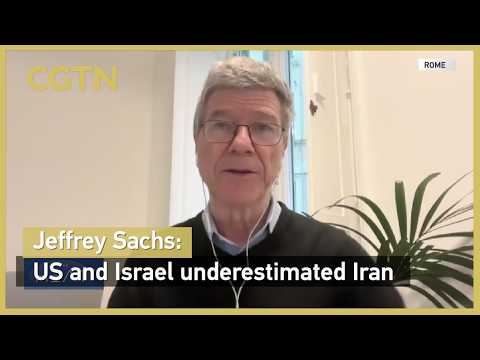
佛斯特 posted on 2026/03/14Ever wondered about the complex dynamics between the US, Israel, and Iran? In this insightful interview, Jeffrey Sachs shares his perspective on why these nations might have underestimated Iran, diving into topics like asymmetric warfare and the energy crisis. You'll pick up some advanced vocabulary related to international affairs and gain a deeper cultural understanding of the Middle East!
Learn this video on the APP!
The VoiceTube App has more in-depth practice for videos!