
accurate
US /ˈækjərɪt/
UK /ˈækjərət/
- Adjective
- With no mistake or error; Correct
A2Morealso known as
US
UK
- Phrase
- Also called; alternatively named.
- Identified by another term; synonymous with.
A1Moreanalogous to
US
UK
- Adjective
- Comparable in certain respects, typically in a way that clarifies the nature of the things compared.
A1Moreassume
US /əˈsum/
UK /ə'sju:m/
- Transitive Verb
- To act in a false manner to mislead others
- To believe, based on the evidence; suppose
A2TOEICMoreassumption
US /əˈsʌmpʃən/
UK /ə'sʌmpʃn/
- Noun (Countable/Uncountable)
- Something you believe to be so, but aren't sure of
A2Morebased on
US
UK
- Phrasal Verb
- To use something as the foundation or starting point for something else.
- Preposition
- Using something as the main idea or foundation.
- Relying on something as evidence or justification.
A1Morebear with me
US
UK
- Phrasal Verb
- Be patient with me.
A2Moreboxer
US /ˈbɑ:ksə(r)/
UK /ˈbɒksə(r)/
- Countable Noun
- Someone who fights with his fists for sport
- A short-haired dog with a flat nose and face
B1Morecalculation
US /ˌkælkjəˈleʃən/
UK /ˌkælkjuˈleɪʃn/
- Noun (Countable/Uncountable)
- Process or result of using mathematics
- An educated guess about something
B2Moreconvince
US /kənˈvɪns/
UK /kən'vɪns/
- Transitive Verb
- To persuade someone, or make them feel sure
A2TOEICMorecooperate
US /koˈɑpəˌret/
UK /kəʊ'ɒpəreɪt/
- Verb (Transitive/Intransitive)
- To work together with, to assist someone
B1Moredefect
US /ˈdiˌfɛkt, dɪˈfɛkt/
UK /ˈdi:fekt/
- Noun
- Fault in someone or something
- Intransitive Verb
- To move to another country for political reasons
B1TOEICMoredilemma
US /dɪˈlɛmə/
UK /dɪ'lemə/
- Noun
- Position in which you must make difficult choices
- An argument forcing an opponent to choose between two unfavorable alternatives.
B1Moredo in
US
UK
- Phrasal Verb
- To make completely tired out and exhausted
- To destroy or cause damage to someone
A1Moredominant
US /ˈdɑmənənt/
UK /ˈdɒmɪnənt/
- Adjective
- The strongest; most powerful
- Being the most common, significant or important
- Noun
- (Music) The fifth note of a scale.
B1Moreevidence of
US
UK
- Phrase
- Facts, objects, or signs that make you believe that something is true.
- Something that shows that something else exists or is true.
A1Moreextra
US /'ekstrə/
UK /'ekstrə/
- Adjective
- More than necessary; additional
- Of especially good quality or grade.
- Noun (Countable/Uncountable)
- Items more than you need; additional items
- Person who has a small part in a movie
A2Morefactor
US /ˈfæktɚ/
UK /'fæktə(r)/
- Noun
- Something that influences a result
- Transitive Verb
- To consider or include in an estimate or judgment
- To find the two numbers a number can be divided by
A2TOEICMorefactor in
US /ˈfæktɚ ɪn/
UK /ˈfæktə in/
- Phrasal Verb
- To include something as an important element when making a decision or calculation.
B2Morefall for
US /fɔl fɔr/
UK /fɔ:l fɔ:/
- Phrasal Verb
- To be deceived or tricked by someone
- To become in love with someone
A1Morefigure out
US /ˈfɪɡjɚ aʊt/
UK /ˈfiɡə aut/
- Phrasal Verb
- To understand the behavior of someone
- To think through logically to find a solution
- Verb (Transitive/Intransitive)
- To understand or find an answer to something.
- To find a solution to a problem or understand something.
A1Morefor example
US
UK
- Phrase
- As an illustration or instance.
got to
US /ɡɑt tu/
UK /gɔt tu:/
- Verb (Transitive/Intransitive)
- To arrive at some place
- To have the opportunity or permission to do something
- Phrasal Verb
- To appeal to the emotions of; move
- To finally begin to start something after a delay
A1Morehammer
US /ˈhæmɚ/
UK /ˈhæmə(r)/
- Transitive Verb
- To bring severe damage, harm, or blame upon
- To defeat someone easily and totally
- Noun
- Part of a gun that causes a bullet to shoot out
- Heavy metal tool for hitting a nail into wood
B1Morehave to
US /hæv tu/
UK /ˈhæv tə/
- Auxiliary Verb
- Must do
A1Morehold on
US /hold ɑn/
UK /həuld ɔn/
- Phrasal Verb
- To wait for someone (e.g. on a phone call)
- To wait for a short time.
A1Morehypothetical
US /ˌhaɪpəˈθɛtɪkəl/
UK /ˌhaɪpəˈθetɪkl/
- Adjective
- Thought up, as an example; not being a real case
- Of the nature of a hypothesis; conjectural; provisional.
- Noun
- A hypothetical example or case.
- A hypothetical situation or scenario.
B2Moreillusion
US /ɪˈluʒən/
UK /ɪ'lu:ʒn/
- Noun (Countable/Uncountable)
- Idea, image or impression that is not correct
- Something that deceives by producing a false or misleading impression of reality.
B2Moreimpact
US /ˈɪmˌpækt/
UK /'ɪmpækt/
- Noun
- A striking effect or result to hit with force
- Act or force of one thing hitting something else
- Verb (Transitive/Intransitive)
- To hit or strike someone or something with force
- To have a strong effect on someone or something.
A2TOEICMorein jail
US /ɪn dʒel/
UK /in dʒeil/
- Phrase
- Imprisoned; confined in a jail or prison.
B1Morein order to
US /ɪn ˈɔrdɚ tu/
UK /in ˈɔ:də tu:/
- Preposition
- For the purpose of; with the aim of.
- Phrase
- In a specific sequence or arrangement.
- With the aim of; for the purpose of.
C1Morein the past
US
UK
- Phrase
- During a former period of time; previously.
A1Morein time
US /ɪn taɪm/
UK /in taim/
- Adverb
- Eventually; after a period of time.
- Not late; with enough time to spare.
- Phrase
- Eventually; before it is too late.
- According to the scheduled time; punctual.
A1Morein with
US /ɪn wɪð/
UK /in wið/
- Phrase
- Fashionable or popular at the moment.
- Having influence or favor with someone.
- Phrasal Verb
- To introduce or bring something new into a system or organization.
A1Moreinfluence
US / ˈɪnfluəns/
UK /'ɪnflʊəns/
- Verb (Transitive/Intransitive)
- To affect or change something indirectly
- To persuade someone to do something.
- Noun (Countable/Uncountable)
- The power to affect what happens, to persuade etc.
- A person or thing that affects someone or something in an important way.
A2TOEICMoreinstead of
US /ɪnˈstɛd ʌv/
UK /inˈsted ɔv/
- Preposition
- When one thing is replaced by another
- Adverb
- As a substitute or alternative.
A1Moreliberal
US /ˈlɪbərəl, ˈlɪbrəl/
UK /'lɪbərəl/
- Noun
- Someone who is open-minded and favors progress
- Adjective
- Open-minded; willing to hear others' opinions
- Political party for freedom and social change
B1TOEICMorelibertarian
US /ˌlɪbɚˈtɛriən/
UK /ˌlɪbəˈteəriən/
- Noun
- Person who believes in low government interference
C1Morelike a million dollars
US /laɪk ə ˈmɪljən ˈdɑlərz/
UK /laɪk ə ˈmɪljən ˈdɒləz/
- other
- To feel or look exceptionally good or healthy.
B2Morelook at
US /lʊk æt/
UK /luk æt/
- Phrasal Verb
- To use your eyes to focus on something
- To focus your eyes on something carefully
A1Moreno matter
US
UK
- Conjunction
- Regardless of; it does not matter.
- Adverb
- Regardless of; it is not important
A1Moreobvious
US /ˈɑbviəs/
UK /ˈɒbviəs/
- Adjective
- Easily understood and clear; plain to see
- Easy to see or notice.
A2TOEICMoreof a sudden
US
UK
- Phrase
- Quickly and unexpectedly; suddenly.
B2Moreof course
US /ʌv kɔː(r)s/
UK /ɔv kɔː(r)s/
- Adverb
- Sure ; Certainly
- Phrase
- For sure; certainly
A2Moreon the table
US /ɑn ði ˈtebəl/
UK /ɔn ðə ˈteibl/
- Phrase
- Located on the surface of a table.
- Available for consideration or discussion.
A1Moreopening up
US
UK
- Phrasal Verb
- Revealing one's thoughts and feelings; becoming more communicative.
- Creating new opportunities or possibilities.
B2Moreparadox
US /ˈpærəˌdɑks/
UK /'pærədɒks/
- Noun
- Surprising statement containing two opposing ideas
B2Moreparadoxical
US /ˌpærə'dɒksɪkl/
UK /ˌpærə'dɒksɪkl/
- Adjective
- Seemingly contradictory but possibly true
B2Morepass out
US /pæs aʊt/
UK /pɑ:s aut/
- Phrasal Verb
- To distribute or hand out papers to people
- To faint; lose consciousness
A1Morepick it up
US
UK
- Phrasal Verb
- To lift something from a surface.
- To collect something or someone.
A2Morepredict
US /prɪˈdɪkt/
UK /prɪ'dɪkt/
- Transitive Verb
- To guess or estimate what will or might happen
A2TOEICMorepredictor
US /prɪˈdɪktər/
UK /prɪˈdɪktə(r)/
- Noun
- Thing showing likelihood of something happening
- A thing that foretells future events or conditions.
B1Morerational
US /ˈræʃənəl/
UK /'ræʃnəl/
- Adjective
- Able to think clearly
- A real number that can be written as a ratio of two integers.
- Noun
- A rational person.
A2TOEICMorerationality
US /ˌræʃəˈnælɪti/
UK /ˌræʃə'nælətɪ/
- Uncountable Noun
- Being able to think clearly
B2Moreretard
US /rɪˈtɑrd/
UK /'ri:tɑ:d/
- Transitive Verb
- To cause to move or proceed slowly
C1TOEICMorereveal
US /rɪˈvil/
UK /rɪ'vi:l/
- Transitive Verb
- To show something that was hidden before
A2TOEICMoreset up
US /sɛt ʌp/
UK /set ʌp/
- Phrasal Verb
- To make arrangements for something; establish
- Verb (Transitive/Intransitive)
- To arrange or prepare something for use.
- To start a business, organization, etc.
A1Moresetup
US /ˈsɛtˌʌp/
UK /'setʌp/
- Noun
- Way something is organized or arranged
B2TOEICMoresociety
US /səˈsaɪɪti/
UK /sə'saɪətɪ/
- Noun (Countable/Uncountable)
- A group who meet to share values or interests
- Group of people living together
A2TOEICMoresupercomputer
US /ˈsu:pərkəmpju:tə(r)/
UK /ˈsu:pəkəmpju:tə(r)/
- Noun
- Very powerful computer
C2Moretheory
US /ˈθiəri, ˈθɪri/
UK /ˈθiəri/
- Noun (Countable/Uncountable)
- Ideas or principles that explain facts or events
- An idea or belief about something
A2TOEICMorethink about
US /θɪŋk əˈbaʊt/
UK /θiŋk əˈbaut/
- Phrasal Verb
- To consider something carefully.
- To remember or call to mind.
A1Morethink of
US /θɪŋk ʌv/
UK /θiŋk ɔv/
- Phrasal Verb
- To look on as (being something specific); consider
- To consider or remember something.
- Verb (Transitive/Intransitive)
- To imagine or call something to mind
A1Moretrick
US /trɪk/
UK /trɪk/
- Transitive Verb
- To fool someone in order to obtain a result
- To playfully tease or fool to make someone laugh
- Noun (Countable/Uncountable)
- Act of trying to fool someone
- Quick or skillful way of doing something
A2Moreutility
US /juˈtɪləti/
UK /ju:ˈtɪləti/
- Noun (Countable/Uncountable)
- Public services such as gas, water, or electricity
- Something useful, especially a tool or piece of equipment.
- Uncountable Noun
- Fact of being useful; usefulness
- The capacity to be useful and provide satisfaction
B1Morewake up
US /wek ʌp/
UK /weik ʌp/
- Phrasal Verb
- To stop sleeping
- To become fully aware and alert to a situation.
A1Morewalk away with
US /ˈwɔk əˈweɪ wɪð/
UK /ˈwɔ:k əˈweɪ wɪð/
- other
- To win or obtain something easily or without much effort.
B2Morewith it
US /wɪð ɪt/
UK /wið it/
- Adjective
- Intelligent, alert, and up-to-date.
- Understanding and knowledgeable about current trends or information.
A1More
Vocabulary
- have to: Must do
- set up
- based on: To use something as the foundation or starting point for something else.
- of course: Sure ; Certainly
- no matter: Regardless of; it does not matter.
- walk away with: To win or obtain something easily or without much effort.
- for example: As an illustration or instance.
- instead of: When one thing is replaced by another
- think about: To consider something carefully.
- figure out: To understand the behavior of someone
- hold on: To wait for someone (e.g. on a phone call)
- evidence of: Facts, objects, or signs that make you believe that something is true.
- fall for: To be deceived or tricked by someone
- like a million dollars: To feel or look exceptionally good or healthy.
- on the table: Located on the surface of a table.
- think of: To look on as (being something specific); consider
- with it: Intelligent, alert, and up-to-date.
- look at: To use your eyes to focus on something
- also known as: Also called; alternatively named.
- factor in: To include something as an important element when making a decision or calculation.
- bear with me: Be patient with me.
- in with: Fashionable or popular at the moment.
- pass out: To distribute or hand out papers to people
- wake up: To stop sleeping
- pick it up: To lift something from a surface.
- do in: To make completely tired out and exhausted
- in jail: Imprisoned; confined in a jail or prison.
- got to: To arrive at some place
- in order to: For the purpose of; with the aim of.
- analogous to: Comparable in certain respects, typically in a way that clarifies the nature of the things compared.
- of a sudden: Quickly and unexpectedly; suddenly.
- opening up: Revealing one's thoughts and feelings; becoming more communicative.
- in time: Eventually; after a period of time.
- in the past: During a former period of time; previously.
- assume: To act in a false manner to mislead others
- obvious: Easily understood and clear; plain to see
- illusion: Idea, image or impression that is not correct
- reveal: To show something that was hidden before
- evidence: Factual proof that helps to establish the truth
- matter: To be of great importance; to count
- trick: To fool someone in order to obtain a result
- impact: A striking effect or result to hit with force
- accurate: With no mistake or error; Correct
- convince: To persuade someone, or make them feel sure
- sense: Certain mental feeling or emotion
- expect: To believe something is probably going to happen
- hypothetical: Thought up, as an example; not being a real case
- rational: Able to think clearly
- influence: To affect or change something indirectly
- paradox: Surprising statement containing two opposing ideas
- assumption: Something you believe to be so, but aren't sure of
- exist: To be present, alive or real
- theory: Ideas or principles that explain facts or events
- predict: To guess or estimate what will or might happen
- brain: To strike someone forcefully on the head
- dilemma: Position in which you must make difficult choices
- society: A group who meet to share values or interests
- dominant: The strongest; most powerful
- decision: Choice made after thinking; final judgment
- factor: Something that influences a result
- extra: More than necessary; additional
- pretty: Being attractive to the eye in a simple way
- equal: Same in shape, size, or number
- empty: Containing nothing; with no contents
- utility: Public services such as gas, water, or electricity
- totally: In a complete way; completely; absolutely
- defect: Fault in someone or something
- hit: To have a negative impact on a person/place/thing
- kind: In a caring and helpful manner
- liberal: Someone who is open-minded and favors progress
- act: To behave in a certain way
- chance: The way something happens without planning
- paradoxical: Seemingly contradictory but possibly true
- cooperate: To work together with, to assist someone
- predictor: Thing showing likelihood of something happening
- hammer: To bring severe damage, harm, or blame upon
- setup: Way something is organized or arranged
- calculation: Process or result of using mathematics
- retard: To cause to move or proceed slowly
- rationality: Being able to think clearly
- boxer: Someone who fights with his fists for sport
- libertarian: Person who believes in low government interference
- supercomputer: Very powerful computer
Get the full experience in the app
Learn anywhere with detailed sentence and usage analysis
01:03
She took a brave step forward, leaving behind her comfort zone to chase her dreams.
Vocabulary
- brave
adj. Having courage
- comfort zone
phr. A familiar situation where one feels safe
Explanation
a brave step is a noun phrase, where brave is an adjective modifying the noun step, meaning "a courageous step".
forward is an adverb modifying step, meaning "ahead".
The whole phrase serves as the object, answering the "what" of took (verb) — she took a brave step forward.
Get the full experience in the app
Look up words anytime with pronunciation, part of speech, and usage
brave
US/brev/
UK/breɪv/
adj.Brave
v.t.To bravely face
A2 Elementary
Get the full experience in the app
Practice speaking anytime and get instant pronunciation feedback
Try this speaking exercise.
Try practicing with this sentence.
80
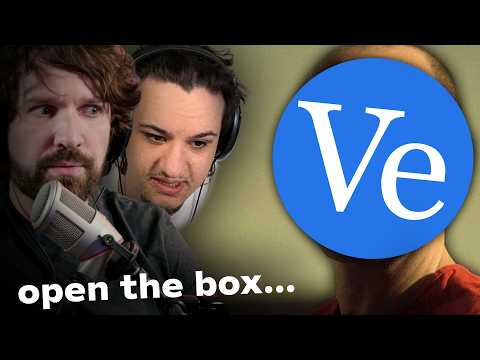
Destiny & MrMouton Attempt to Solve Veritasium's Weird Puzzle
0
Richard VT posted on 2026/03/10Ever wondered how you'd tackle a mind-bending puzzle like Newcomb's Paradox? Destiny and MrMouton dive deep into decision theory, and you'll pick up some seriously cool advanced vocabulary along the way! This is a fantastic chance to boost your knowledge and practice understanding complex ideas through engaging dialogue.
Learn this video on the APP!
The VoiceTube App has more in-depth practice for videos!