
access
US /ˈæksɛs/
UK /'ækses/
- Noun (Countable/Uncountable)
- Way to enter a place, e.g. a station or stadium
- The opportunity or right to use something or to see someone.
- Transitive Verb
- To be able to use or have permission to use
A2TOEICMoreas a whole
US /æz e hol/
UK /æz ə həul/
- Phrase
- Considering everything together; in general.
- Complete; not divided or incomplete.
- Adjective
- Complete; not divided or fragmented.
A1Moreassociation
US /əˌsoʊʃi'eɪʃn/
UK /əˌsəʊʃɪ'eɪʃn/
- Noun
- Organization of people with the same interest
B1TOEICMoreat least
US /æt list/
UK /æt li:st/
- Adverb
- As a minimum
- Not less than
- Phrase
- No less than; at the minimum
- Used to indicate that something is positive in a bad situation.
C2Moreat that time
US /æt ðæt taɪm/
UK /æt ðæt taim/
- Phrase
- During a specific point in the past.
A1Moreat the same time
US
UK
- Phrase
- Simultaneously; at the identical moment.
- Nevertheless; however; used to introduce a contrasting or qualifying statement.
A1Moreaverage
US /ˈævərɪdʒ, ˈævrɪdʒ/
UK /'ævərɪdʒ/
- Noun (Countable/Uncountable)
- Total of numbers divided by the number of items
- Transitive Verb
- To add numbers then divide by the number of items
A2TOEICMorebenefit
US /ˈbɛnəfɪt/
UK /'benɪfɪt/
- Noun (Countable/Uncountable)
- Good result or effect, something advantageous
- A payment made by the state or an insurance policy to someone
- Verb (Transitive/Intransitive)
- To have a good effect or be helpful
- To receive an advantage; to be helped
A2TOEICMorebreakthrough
US /ˈbrekˌθru/
UK /'breɪkθru:/
- Countable Noun
- Important discovery in doing something difficult
B2TOEICMorebureaucracy
US /bjʊˈrɑ:krəsi/
UK /bjʊəˈrɒkrəsi/
- Noun (Countable/Uncountable)
- Governing system with many rules and officials
- A system of government or business administration containing many departments, administrators, and complicated rules.
B2Moreclinic
US /ˈklɪnɪk/
UK /ˈklɪnɪk/
- Noun
- Local medical center; department of a hospital
B1Morecome back
US /kʌm bæk/
UK /kʌm bæk/
- Phrasal Verb
- To reply to someone, often forcefully
- To be remembered
A1Moreconsultation
US /ˌkɑnsəlˈteʃən/
UK /ˌkɒnslˈteɪʃn/
- Noun (Countable/Uncountable)
- Meeting with a doctor or specialist to get advice
- A discussion between people to make a decision
B2Morecounsel
US /ˈkaʊnsəl/
UK /ˈkaʊnsl/
- Verb (Transitive/Intransitive)
- To listen and give expert advice to someone
- To advise (someone) on legal matters.
- Uncountable Noun
- Advice or guidance.
B1Morecoverage
US /ˈkʌvərɪdʒ/
UK /ˈkʌvərɪdʒ/
- Uncountable Noun
- Type of programs a radio or TV station broadcasts
- The extent to which something is insured.
A2Morecut costs
US
UK
- Verb (Transitive/Intransitive)
- To reduce expenses or spending.
A2Moredecline
US /dɪˈklaɪn/
UK /dɪ'klaɪn/
- Intransitive Verb
- To bend towards the ground
- To slope downward.
- Verb (Transitive/Intransitive)
- To lessen in quality or value
A2TOEICMoredemographic
US /ˌdemə'ɡræfɪk/
UK /ˌdemə'ɡræfɪk/
- Noun
- Group of people with similar characteristics
- A particular sector of a population.
- Adjective
- Characterizing human populations
C2Morediagnose
US /ˌdaɪəgˈnoʊs/
UK /ˈdaɪəgnəʊz/
- Transitive Verb
- To determine the cause of an illness or problem
B1Moredraft
US /dræft/
UK /drɑ:ft/
- Noun (Countable/Uncountable)
- Withdrawal of money from the bank
- System for selecting people to join the military
- Transitive Verb
- To order people to join the army in time of war
- To select people for a task or team
B1TOEICMoreensure
US /ɛnˈʃʊr/
UK /ɪn'ʃʊə(r)/
- Transitive Verb
- To make something sure, certain, or safe
A2TOEICMoreestimate
US /ˈɛstəˌmet/
UK /'estɪmət/
- Noun (Countable/Uncountable)
- Guess or calculation of cost, size or value
- A judgment or opinion.
- Transitive Verb
- To guess or calculate the cost, size or value of
- To form an approximate idea or judgment of.
A2TOEICMorefall out
US /fɔl aʊt/
UK /fɔ:l aut/
- Phrasal Verb
- To stop being friends with; have a disagreement
A1Morefall through
US
UK
- Phrasal Verb
- (Of plans, arrangements etc.) to fail to happen
- (Of a planned thing) to not happen or be completed
A1Morefinance
US /fəˈnæns, faɪ-, ˈfaɪˌnæns/
UK /ˈfaɪnæns/
- Uncountable Noun
- Control of money a person, business has access to
- Adjective
- Concerned with money
A2TOEICMorefor example
US
UK
- Phrase
- As an illustration or instance.
generous
US /ˈdʒɛnərəs/
UK /ˈdʒenərəs/
- Adjective
- Giving or ready to give freely
- (Of an amount) larger than usual; lavish
A2TOEICMorehealthcare
US /'helθker/
UK /'helθkeə/
- Uncountable Noun
- Nursing care to prevent illness or recover from it
B1Morein hand
US /ɪn hænd/
UK /in hænd/
- Phrase
- In one's possession or control.
in reality
US /ɪn riˈælɪti/
UK /in riˈæliti/
- Phrase
- Actually; in fact; truly.
B2Morein terms of
US
UK
- Phrase
- With regard to; concerning a particular aspect.
A1Morein the first place
US
UK
- Phrase
- To begin with; as the first point or consideration.
- From the beginning; initially.
A1Morein the past
US
UK
- Phrase
- During a former period of time; previously.
A1Morein time
US /ɪn taɪm/
UK /in taim/
- Adverb
- Eventually; after a period of time.
- Not late; with enough time to spare.
- Phrase
- Eventually; before it is too late.
- According to the scheduled time; punctual.
A1Morein with
US /ɪn wɪð/
UK /in wið/
- Phrase
- Fashionable or popular at the moment.
- Having influence or favor with someone.
- Phrasal Verb
- To introduce or bring something new into a system or organization.
A1Moreinefficient
US /ˌɪnɪˈfɪʃənt/
UK /ˌɪnɪˈfɪʃnt/
- Adjective
- Unable to act in a way that saves resources
B1Moreinstead of
US /ɪnˈstɛd ʌv/
UK /inˈsted ɔv/
- Preposition
- When one thing is replaced by another
- Adverb
- As a substitute or alternative.
A1Moreinsurance
US /ɪnˈʃʊrəns/
UK /ɪnˈʃʊərəns/
- Uncountable Noun
- Protection against loss/injury/death you pay for
A2TOEICMorelook at
US /lʊk æt/
UK /luk æt/
- Phrasal Verb
- To use your eyes to focus on something
- To focus your eyes on something carefully
A1Moremake or break
US /mek ɔr brek/
UK /meik ɔ: breik/
- Adjective
- Capable of ensuring success or causing failure.
- Noun
- A situation that will either ensure success or cause failure.
A2Morenumber of people
US /ˈnʌmbɚ ʌv ˈpipəl/
UK /ˈnʌmbə ɔv ˈpi:pl/
- Phrase
- The total count of individuals within a group or gathering.
- A statistical figure representing the population size or a subset thereof.
A1Moreof course
US /ʌv kɔː(r)s/
UK /ɔv kɔː(r)s/
- Adverb
- Sure ; Certainly
- Phrase
- For sure; certainly
A2Moreon average
US /ɑn ˈævərɪdʒ/
UK /ɔn ˈævəridʒ/
- Phrase
- Typically; usually; based on an average calculation.
B1Moreon camera
US /ɑn ˈkæmərə/
UK /ɔn ˈkæmərə/
- Adverb
- While being filmed or recorded.
- Adjective
- Having qualities that make one appear good or effective when filmed.
A1Moreon the horizon
US
UK
- Idiom
- About to happen; approaching.
A1Moreon the other hand
US
UK
- Phrase
- Considering a different aspect of the matter; alternatively.
A1Moreon the streets
US /ɑn ðə strits/
UK /ɒn ðə stri:ts/
- other
- Without a home; homeless or exposed outdoors.
B2Moreonce a month
US
UK
- Phrase
- Happening or appearing one time in each month.
A1Moreoutpatient
US
UK
- Noun
- Patient treated at hospital without staying there
B2Morepressure
US /ˈprɛʃɚ/
UK /'preʃə(r)/
- Noun (Countable/Uncountable)
- Anxiety caused by difficult problems
- Force, weight when pressing against a thing
- Transitive Verb
- To apply force to something
- To persuade or force someone to do something
A2TOEICMoreregardless of
US /rɪˈɡɑrdlɪs ʌv/
UK /riˈɡɑ:dlis ɔv/
- Phrase
- Preposition
- Without being affected or influenced by something; despite.
A2Moreregularly
US /ˈregjələrli/
UK /ˈregjələli/
- Adverb
- At the usual time each day, week, or month
- In a normal or customary way.
B1TOEICMoreresidency
US /ˈrɛzɪdənsi, -ˌdɛn-/
UK /ˈrezɪdənsi/
- Uncountable Noun
- Training for a junior doctor in hospital
- A period of time when an artist, writer, or musician lives and works in a particular place.
C2Moresame time
US
UK
- Phrase
- Occurring simultaneously or at the same point in time.
- At the identical time as before; recurring at a fixed hour.
- Noun
- An equal duration or period.
A1Moresecure
US /sɪˈkjʊr/
UK /sɪ'kjʊə(r)/
- Transitive Verb
- To get or achieve something with certainty
- To firmly attach something to something else
- Adjective
- Being attached to something tightly and surely
- (Place that is) locked, guarded and safe
A2TOEICMoreset up
US /sɛt ʌp/
UK /set ʌp/
- Phrasal Verb
- To make arrangements for something; establish
- Verb (Transitive/Intransitive)
- To arrange or prepare something for use.
- To start a business, organization, etc.
A1Morespecialist
US /ˈspɛʃəlɪst/
UK /'speʃəlɪst/
- Noun
- Person who works in one specific area or field
B1Morestatus
US /ˈstetəs, ˈstætəs/
UK /'steɪtəs/
- Uncountable Noun
- Position or rank relative to others in a society
- Legal position of a person or thing
A2TOEICMorestatutory
US /ˈstætʃəˌtɔri, -ˌtori/
UK /ˈstætʃətri/
- Adjective
- Being determined or decided by law
B1Morestay in
US /ste ɪn/
UK /stei in/
- Phrasal Verb
- To remain inside one's home.
- Intransitive Verb
- To remain as an inpatient in a hospital.
steadily
US /ˈstɛdəlɪ/
UK /'stedɪlɪ/
- Adverb
- At a steady rate or pace; reliably; constantly
B2Moretake over
US /tek ˈovɚ/
UK /teik ˈəuvə/
- Phrasal Verb
- To gain control of (a company) from someone else
- To assume control or possession of something.
A1Moretreatment
US /ˈtritmənt/
UK /ˈtri:tmənt/
- Noun (Countable/Uncountable)
- Medicine or method to make someone healthier
- Way someone acts toward another
A2TOEICMoreunchecked
US /ʌnˈtʃɛkt/
UK /ˌʌnˈtʃekt/
- Adjective
- With the details not yet confirmed as correct
- Uncontrolled
- Transitive Verb
- Past tense of uncheck; to deselect a previously selected checkbox or option.
B1Moreuniversal
US /ˌjunəˈvɚsəl/
UK /ˌju:nɪˈvɜ:sl/
- Adjective
- Existing in all places at all times for all people
- Done or experienced by everyone
- Noun (Countable/Uncountable)
- Things which apply equally to everyone
- A general term, idea, or concept applicable to many particular things.
A2Moreunsustainable
US
UK
- Adjective
- That cannot be kept up or continued
B2Moreuphold
US /ʌpˈhold/
UK /ʌp'həʊld/
- Transitive Verb
- To support to keep it being used as it should
- To maintain an argument in spite of opposition
B2Moreused to
US /juzd tu/
UK /ˈju:st tə/
- Adjective
- Did regularly before, but don't do now
- Auxiliary Verb
- Have done before, but do not do now
A1Morework at
US /wɚk æt/
UK /wə:k æt/
- Phrasal Verb
- To have a job at a particular place or organization.
- To make an effort to improve something.
A1More
Vocabulary
- come back: To reply to someone, often forcefully
- at the same time: Simultaneously; at the identical moment.
- same time: Occurring simultaneously or at the same point in time.
- instead of: When one thing is replaced by another
- of course: Sure ; Certainly
- at that time: During a specific point in the past.
- on average: Typically; usually; based on an average calculation.
- make or break: Capable of ensuring success or causing failure.
- in terms of
- as a whole: Considering everything together; in general.
- in the first place: To begin with; as the first point or consideration.
- regardless of
- stay in: To remain inside one's home.
- on the horizon: About to happen; approaching.
- look at: To use your eyes to focus on something
- in the past: During a former period of time; previously.
- used to: Did regularly before, but don't do now
- fall out
- number of people: The total count of individuals within a group or gathering.
- on the streets: Without a home; homeless or exposed outdoors.
- in hand: In one's possession or control.
- for example: As an illustration or instance.
- at least: As a minimum
- work at: To have a job at a particular place or organization.
- once a month: Happening or appearing one time in each month.
- on camera: While being filmed or recorded.
- in with: Fashionable or popular at the moment.
- take over: To gain control of (a company) from someone else
- on the other hand : Considering a different aspect of the matter; alternatively.
- fall through: (Of plans, arrangements etc.) to fail to happen
- set up
- cut costs: To reduce expenses or spending.
- in reality: Actually; in fact; truly.
- in time: Eventually; after a period of time.
- access: Way to enter a place, e.g. a station or stadium
- average: Total of numbers divided by the number of items
- common: Area in a city or town that is open to everyone
- treat: To pay for the food or enjoyment of someone else
- decline: To bend towards the ground
- pressure: Anxiety caused by difficult problems
- increase: To make or become larger in size or amount
- industry: Hard work; being busy working
- estimate: Guess or calculation of cost, size or value
- status: Position or rank relative to others in a society
- association: Organization of people with the same interest
- address: Exact street location of a place
- simply: In an easy or clear manner
- benefit: Good result or effect, something advantageous
- secure: To get or achieve something with certainty
- universal: Existing in all places at all times for all people
- generous: Giving or ready to give freely
- insurance: Protection against loss/injury/death you pay for
- economy: Using money, resources in a careful, effective way
- fall: Season after summer and before winter; Autumn
- social: Involving activity with people, e.g. in free time
- treatment: Medicine or method to make someone healthier
- ensure: To make something sure, certain, or safe
- regularly: At the usual time each day, week, or month
- demographic: Group of people with similar characteristics
- diagnose: To determine the cause of an illness or problem
- breakthrough: Important discovery in doing something difficult
- offer: Price you say you are willing to pay for something
- pain: Strong feeling of hurt or discomfort
- system: Set of organized, planned ideas that work together
- continue: To do something without stopping, or after pausing
- coverage: Type of programs a radio or TV station broadcasts
- government: Group of people and system that rule a nation
- finance: Control of money a person, business has access to
- draft: Withdrawal of money from the bank
- rise: To wake up and get out of bed after sleeping
- bureaucracy: Governing system with many rules and officials
- steadily: At a steady rate or pace; reliably; constantly
- inefficient: Unable to act in a way that saves resources
- specialist: Person who works in one specific area or field
- clinic: Local medical center; department of a hospital
- uphold: To support to keep it being used as it should
- counsel: To listen and give expert advice to someone
- healthcare: Nursing care to prevent illness or recover from it
- consultation: Meeting with a doctor or specialist to get advice
- statutory: Being determined or decided by law
- residency: Training for a junior doctor in hospital
- unsustainable: That cannot be kept up or continued
- unchecked: With the details not yet confirmed as correct
- outpatient: Patient treated at hospital without staying there
Get the full experience in the app
Learn anywhere with detailed sentence and usage analysis
01:03
She took a brave step forward, leaving behind her comfort zone to chase her dreams.
Vocabulary
- brave
adj. Having courage
- comfort zone
phr. A familiar situation where one feels safe
Explanation
a brave step is a noun phrase, where brave is an adjective modifying the noun step, meaning "a courageous step".
forward is an adverb modifying step, meaning "ahead".
The whole phrase serves as the object, answering the "what" of took (verb) — she took a brave step forward.
Get the full experience in the app
Look up words anytime with pronunciation, part of speech, and usage
brave
US/brev/
UK/breɪv/
adj.Brave
v.t.To bravely face
A2 Elementary
Get the full experience in the app
Practice speaking anytime and get instant pronunciation feedback
Try this speaking exercise.
Try practicing with this sentence.
80
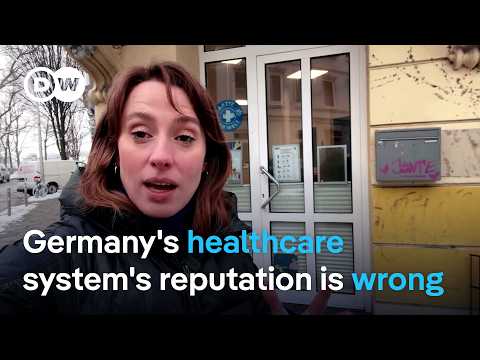
The myth of free healthcare in Germany: Inside a system at breaking point | DW News
0
林宜悉 posted on 2026/03/09Ever wondered about healthcare in Germany? This video dives deep into the German healthcare system, revealing the challenges it faces and what "free healthcare" really means on the ground. You'll pick up advanced vocabulary related to healthcare reform and gain fascinating cultural insights into a system at its breaking point!
Learn this video on the APP!
The VoiceTube App has more in-depth practice for videos!