
abduction
US /æb'dʌkʃn/
UK /æb'dʌkʃn/
- Noun
- Crime of taking (a child) away by force
C1Moreaction movie
US
UK
- Noun
- A film genre featuring exciting and often violent scenes.
A1Moreanime
US /ˈænəˌme/
UK /ˈænɪmeɪ/
- Noun
- A form of Japanese animation
C2Moreawesome
US /ˈɔsəm/
UK /'ɔ:səm/
- Adjective
- Great; wonderful; stupendous
B2TOEICMorecabbage
US /ˈkæbɪdʒ/
UK /ˈkæbɪdʒ/
- Countable Noun
- Round green vegetable with tightly packed leaves
B2Morecabin
US /ˈkæbɪn/
UK /'kæbɪn/
- Countable Noun
- Small basic wooden home in the countryside
- Room where you can sleep on a ship, sit in a plane
B1Morecare of
US /kɛr ʌv/
UK /kɛə ɔv/
- Preposition
- Used in an address to indicate the person who will receive the mail for someone else.
A2Morecastle
US /ˈkæsl/
UK /ˈkɑ:sl/
- Countable Noun
- Large defensive building in historical times
A2Morecome back
US /kʌm bæk/
UK /kʌm bæk/
- Phrasal Verb
- To reply to someone, often forcefully
- To be remembered
A1Morecome from
US /kʌm frʌm/
UK /kʌm frɔm/
- Phrasal Verb
- To have as your native country or city
A1Morecreepy
US /'kri:pɪ/
UK /'kri:pɪ/
- Adjective
- Scary; annoying or unpleasant
B1Morecriterion
US /kraɪˈtɪriən/
UK /kraɪ'tɪərɪən/
- Noun (Countable/Uncountable)
- Standard used to make judgments or decisions
B1Morecub
US /kʌb/
UK /kʌb/
- Countable Noun
- Young of certain animals, e.g. fox, lion or bear
B1Morecurse
US /kɚs/
UK /kɜ:s/
- Verb (Transitive/Intransitive)
- To use offensive language when angry; swear
- Noun
- Act to cause trouble to others
- A word or phrase used to express anger or annoyance.
B1Morecut out
US /kʌt aʊt/
UK /kʌt aut/
- Phrasal Verb
- To leave out of something, e.g. a social event
- To cut something from, e.g. a picture from a book
- Verb (Transitive/Intransitive)
- To stop doing or using something.
- To be naturally suited or fitted for something.
A1Moredisgusting
US /dɪsˈɡʌstɪŋ/
UK /dɪsˈgʌstɪŋ/
- Adjective
- Having a very bad taste
- Extremely unpleasant or unacceptable.
- Transitive Verb
- To cause a strong negative reaction or feeling
B2Moredisturbance
US /dɪˈstɚbəns/
UK /dɪˈstɜ:bəns/
- Noun (Countable/Uncountable)
- Public incident in which some people act badly
- Being disturbed; something that causes disruption
A2Moredo in
US
UK
- Phrasal Verb
- To make completely tired out and exhausted
- To destroy or cause damage to someone
A1Moredrag
US /dræɡ/
UK /dræɡ/
- Transitive Verb
- To reluctantly move or go somewhere
- To pull something heavy or difficult along the ground
- Noun (Countable/Uncountable)
- Force of air pushing back against a plane car etc.
- Boring or annoying thing/activity
A2Moreexistence
US /ɪɡˈzɪstəns/
UK /ɪɡ'zɪstəns/
- Uncountable Noun
- State of being present, alive or real
- A way of living; the manner in which someone lives.
A2TOEICMorefeel like
US
UK
- Intransitive Verb
- To have a desire or inclination for something.
- To have a particular quality or sensation; resemble.
A1Morefreak out
US /frik aʊt/
UK /fri:k aut/
- Phrasal Verb
- To react or behave in a wild or irrational way
- To become very anxious, upset, or afraid; to panic.
- Intransitive Verb
- To experience or display extreme emotions, such as fear or panic.
- To have a very disturbing and frightening experience caused by taking drugs.
B2Morefreaky
US /ˈfriki/
UK /'fri:kɪ/
- Adjective
- Strange and somewhat frightening
- Causing feelings of fear and disgust; unpleasant
C2Moreget out of
US /ɡɛt aʊt ʌv/
UK /ɡet aut ɔv/
- Phrasal Verb
- To leave or escape responsibilities, troubles
- To leave a small, enclosed vehicle
A1Moreghost
US /goʊst/
UK /gəʊst/
- Transitive Verb
- To write a book on behalf of another person
- Noun (Countable/Uncountable)
- Bad effects, memories, and feelings from the past
- Spirit of a dead person, appearing to the living
B1Moregive up
US /ɡɪv ʌp/
UK /ɡiv ʌp/
- Phrasal Verb
- To lose hope or admit defeat
- To decide to not start to try solving a problem
- Verb Phrase
- to surrender an item; hand over an item
A1Morego away
US /ɡo əˈwe/
UK /ɡəu əˈwei/
- Phrasal Verb
- To go on vacation
- To leave; depart.
A1Moregot to
US /ɡɑt tu/
UK /gɔt tu:/
- Verb (Transitive/Intransitive)
- To arrive at some place
- To have the opportunity or permission to do something
- Phrasal Verb
- To appeal to the emotions of; move
- To finally begin to start something after a delay
A1Morehang on
US /hæŋ ɑn/
UK /hæŋ ɔn/
- Phrasal Verb
- To wait for the person you phoned to answer
- To persevere or persist, especially in a difficult situation.
A2Moreheadache
US /ˈhed.eɪk/
UK /ˈhed.eɪk/
- Noun (Countable/Uncountable)
- Pain in the head
- Something that causes worry or annoyance.
B2Morehold on
US /hold ɑn/
UK /həuld ɔn/
- Phrasal Verb
- To wait for someone (e.g. on a phone call)
- To wait for a short time.
A1Morehyper
US /'haɪpər/
UK /ˈhaɪpə(r)/
- Adjective
- Very excited or active
C1Moreillusion
US /ɪˈluʒən/
UK /ɪ'lu:ʒn/
- Noun (Countable/Uncountable)
- Idea, image or impression that is not correct
- Something that deceives by producing a false or misleading impression of reality.
B2Morein the world
US /ɪn ði wɜrld/
UK /in ðə wɜː(r)ld/
- Phrase
- Used to emphasize a question expressing surprise, confusion, disbelief
- Used to indicate the extent or degree of something, often in a superlative sense
A1Moreinitial
US /ɪˈnɪʃəl/
UK /ɪ'nɪʃl/
- Noun
- First letter of your given name
- The beginning or commencement of something.
- Transitive Verb
- To authorize something by writing your initials
- To mark or sign with one's initials.
A2TOEICMoreirritable
US /ˈɪrɪtəbəl/
UK /ˈɪrɪtəbl/
- Adjective
- Annoyed; easily annoyed or angered
- Easily inflamed or sore.
B2Morekid
US /kɪd/
UK /kɪd/
- Countable Noun
- Child or young person
- Young goat
- Adjective
- Made from young goat skin
A2Morelavender
US /ˈlævəndɚ/
UK /ˈlævəndə(r)/
- Noun (Countable/Uncountable)
- Plant with pale purple flowers, giving scented oil
- A pale purple color.
- Adjective
- Of a pale purple color.
B1Morelawnmower
US /ˈlɔːnmoʊər/
UK /ˈlɔ:nməʊə(r)/
- Noun (Countable/Uncountable)
- A device for cutting grass
C2Morelook at
US /lʊk æt/
UK /luk æt/
- Phrasal Verb
- To use your eyes to focus on something
- To focus your eyes on something carefully
A1Moreloop
US /lup/
UK /lu:p/
- Noun (Countable/Uncountable)
- A circle or curved shape, as when you tie a lace
- A circle of rope or string to put around something
- Transitive Verb
- To put a circle of rope around something
B2TOEICMoremess with
US
UK
- Verb (Transitive/Intransitive)
- To interfere with or tamper with something.
- To provoke or annoy someone.
- Phrasal Verb
- To interfere with or tamper with something.
- To tease, provoke, or annoy someone.
B1Moremicrowave
US /ˈmaɪkrəˌwev/
UK /ˈmaɪkrəweɪv/
- Noun
- Cooking appliance using electromagnetic waves
- Concerning electromagnetic radiation
- Transitive Verb
- To heat or cook something in a microwave
B1Morenaturally
US /ˈnætʃərəli, ˈnætʃrə-/
UK /ˈnætʃrəli/
- Adverb
- In the expected or usual way
- Without the aid of someone or something
A2Morenut
US /nʌt/
UK /nʌt/
- Countable Noun
- Metal ring screwed onto a bolt
- Person who is extremely interested in something
- Transitive Verb
- To strike someone hard with your head
A2Moreobscure
US /əbˈskjʊr/
UK /əbˈskjʊə(r)/
- Transitive Verb
- To hide something to make it difficult to be seen
- Make unclear, vague, or difficult to understand.
- Adjective
- Being confusing and difficult to understand
- Not famous; unknown by most people
B2Moreon the inside
US /ɑn ði ɪnˈsaɪd/
UK /ɔn ðə inˈsaid/
- Phrase
- Having a position of authority or influence within an organization or system.
- In prison; incarcerated.
- Adjective
- Possessing secret or confidential information.
A1Moreon the internet
US
UK
- Phrase
- Located or available on the internet.
- Using the internet as a medium or platform.
A1Morepuke
US /pjuk/
UK /pju:k/
- Intransitive Verb
- (Informal) to vomit; be sick
C1Morepull over
US /pʊl ˈovɚ/
UK /pul ˈəuvə/
- Phrasal Verb
- To bring a vehicle to a stop by side of the road
A1Morequill
US /kwɪl/
UK /kwɪl/
- Noun
- Pen made from a bird's feather
- The pen itself.
- Transitive Verb
- To pleat or flute.
C1Moreravine
US /rəˈvin/
UK /rəˈvi:n/
- Countable Noun
- Deep, narrow valley with a river at the bottom
B2Moreray
US /re/
UK /reɪ/
- Proper Noun
- Person's name
- Noun (Countable/Uncountable)
- Lines of light coming from an object
- Fish with a pointed tail and flat body
B1Morereality
US /riˈælɪti/
UK /rɪ'ælətɪ/
- Noun (Countable/Uncountable)
- What is true, as opposed to what is imagined
- The state of things as they actually exist, rather than as they may appear or might be imagined.
A2Morered flag
US /rɛd flæɡ/
UK /red flæɡ/
- Noun
- A warning sign or signal of danger or a problem.
- A symbol of socialism or communism.
B1Morereset
US /riˈsɛt/
UK /ˌri:'set/
- Transitive Verb
- To return to the original start or formation
- Verb (Transitive/Intransitive)
- To return to the original start or formation
C1Moreset up
US /sɛt ʌp/
UK /set ʌp/
- Phrasal Verb
- To make arrangements for something; establish
- Verb (Transitive/Intransitive)
- To arrange or prepare something for use.
- To start a business, organization, etc.
A1Moreshoot
US /ʃut/
UK /ʃu:t/
- Verb (Transitive/Intransitive)
- To kick or throw a ball at a goal
- To fire a gun; injure or kill someone with a gun
- Countable Noun
- Emerging new part of a plant
A2Moreshow off
US /ʃo ɔf/
UK /ʃəu ɔf/
- Phrasal Verb
- To show your ability/possessions to try to impress
A1Moreshow up
US /ʃo ʌp/
UK /ʃəu ʌp/
- Phrasal Verb
- To arrive or be seen at a place, e.g. a party
- To be noticeably better than (someone else)
A1Moreshut
US /ʃʌt/
UK /ʃʌt/
- Intransitive Verb
- To stop being open for business
- Transitive Verb
- To close something, e.g. a door
A2Moreshut up
US /ʃʌt ʌp/
UK /ʃʌt ʌp/
- Phrasal Verb
- To close something, e.g. a shop
- To (cause someone to) be silent or not speak
- Interjection
- An expression of disbelief or surprise
A2Morespirit
US /ˈspɪrɪt/
UK /'spɪrɪt/
- Noun
- Person's strong determination or attitude
- Unique qualities of person, place, or time
- Transitive Verb
- To take someone away as if by magic
A2Morestart off
US /stɑrt ɔf/
UK /stɑ:t ɔf/
- Phrasal Verb
- To begin or commence something.
- To begin a journey.
B2Moresuppose
US /səˈpoʊz/
UK /sə'pəʊz/
- Verb (Transitive/Intransitive)
- To imagine or guess what might happen
- Conjunction
- What if
A2TOEICMoretalking about
US
UK
- Phrasal Verb
- To discuss a particular topic.
- To be constantly mentioning or bringing up a subject.
A1Moretransport
US /ˈtrænspɔ:rt/
UK /ˈtrænspɔ:t/
- Uncountable Noun
- Very strong uncontrollable emotion, e.g. delight
- Transitive Verb
- To carry things from one place to another
- To cause to feel you are in a previous time
A2Moreup there
US /ʌp ðɛr/
UK /ʌp ðɛə/
- Adverb
- In or to a higher place or position; far away.
- In heaven.
A1Moreused to
US /juzd tu/
UK /ˈju:st tə/
- Adjective
- Did regularly before, but don't do now
- Auxiliary Verb
- Have done before, but do not do now
A1Morevampire
US /ˈvæmˌpaɪr/
UK /ˈvæmpaɪə(r)/
- Countable Noun
- Bloodsucking dead person who bites neck of victim
B2Morevomit
US /ˈvɑ:mɪt/
UK /ˈvɒmɪt/
- Noun (Countable/Uncountable)
- Food coming back up from stomach, due to illness
- Verb (Transitive/Intransitive)
- To bring (blood, etc.) up and out of mouth
B2Morewait for
US /wet fɔr/
UK /weit fɔ:/
- Phrasal Verb
- To wait until someone comes, or something happens
A1Morewhatsoever
US /ˌhwɑtsoˈɛvɚ,ˌhwʌt-,ˌwɑt,ˌwʌt-/
UK /ˌwɒtsəʊ'evə/
- Determiner
- Used to add emphasis to an idea being expressed
B2Morewhisper
US /ˈhwɪspɚ,ˈwɪs-/
UK /'wɪspə(r)/
- Intransitive Verb
- To talk with breath but no voice
- Noun
- Act of talking without using your voice
A2Morewith it
US /wɪð ɪt/
UK /wið it/
- Adjective
- Intelligent, alert, and up-to-date.
- Understanding and knowledgeable about current trends or information.
A1More
Vocabulary
- got to: To arrive at some place
- shut up: To close something, e.g. a shop
- talking about: To discuss a particular topic.
- get out of: To leave or escape responsibilities, troubles
- cut out: To leave out of something, e.g. a social event
- pull over: To bring a vehicle to a stop by side of the road
- come back: To reply to someone, often forcefully
- hold on: To wait for someone (e.g. on a phone call)
- do in: To make completely tired out and exhausted
- feel like: To have a desire or inclination for something.
- start off: To begin or commence something.
- on the inside: Having a position of authority or influence within an organization or system.
- give up: To lose hope or admit defeat
- with it: Intelligent, alert, and up-to-date.
- set up
- red flag: A warning sign or signal of danger or a problem.
- freak out: To react or behave in a wild or irrational way
- look at: To use your eyes to focus on something
- used to: Did regularly before, but don't do now
- go away: To go on vacation
- in the world: Used to emphasize a question expressing surprise, confusion, disbelief
- on the internet: Located or available on the internet.
- hang on: To wait for the person you phoned to answer
- show off: To show your ability/possessions to try to impress
- mess with: To interfere with or tamper with something.
- show up: To arrive or be seen at a place, e.g. a party
- care of: Used in an address to indicate the person who will receive the mail for someone else.
- up there: In or to a higher place or position; far away.
- come from: To have as your native country or city
- action movie: A film genre featuring exciting and often violent scenes.
- wait for: To wait until someone comes, or something happens
- awesome: Great; wonderful; stupendous
- illusion: Idea, image or impression that is not correct
- immediately: Without any delay; straight away
- creepy: Scary; annoying or unpleasant
- irritable: Annoyed; easily annoyed or angered
- suppose: To imagine or guess what might happen
- reality: What is true, as opposed to what is imagined
- existence: State of being present, alive or real
- initial: First letter of your given name
- vomit: Food coming back up from stomach, due to illness
- obscure: To hide something to make it difficult to be seen
- spirit: Person's strong determination or attitude
- cabin: Small basic wooden home in the countryside
- curse: To use offensive language when angry; swear
- disgusting: Having a very bad taste
- guess: To give an answer without knowing if it is correct
- drag: To reluctantly move or go somewhere
- leave: To go away from; depart
- loop: A circle or curved shape, as when you tie a lace
- whisper: To talk with breath but no voice
- whatsoever: Used to add emphasis to an idea being expressed
- cabbage: Round green vegetable with tightly packed leaves
- disturbance: Public incident in which some people act badly
- wrong: Action that is harmful, unjust or illegal
- naturally: In the expected or usual way
- shut: To stop being open for business
- hyper: Very excited or active
- pull: Act of breathing in smoke, as from a pipe
- remember: To give someone a gift, e.g. birthday, wedding
- shoot: To kick or throw a ball at a goal
- hold: To agree to keep something for someone
- world: All the humans, events, activities on the earth
- guy: Man; boy; any person
- anime: A form of Japanese animation
- nut: Metal ring screwed onto a bolt
- time: Speed at which music is played; tempo
- lose: To be unable to keep in check or control something
- happen: To take place or occur
- vampire: Bloodsucking dead person who bites neck of victim
- hear: To be aware of sound; to perceive with the ear
- transport: Very strong uncontrollable emotion, e.g. delight
- lavender: Plant with pale purple flowers, giving scented oil
- castle: Large defensive building in historical times
- puke: (Informal) to vomit; be sick
- date: To have become old-fashioned
- story: One of many floors or levels in a building
- headache: Pain in the head
- microwave: Cooking appliance using electromagnetic waves
- freaky: Strange and somewhat frightening
- kid: Child or young person
- criterion: Standard used to make judgments or decisions
- cub: Young of certain animals, e.g. fox, lion or bear
- ghost: To write a book on behalf of another person
- abduction: Crime of taking (a child) away by force
- ray: Person's name
- reset: To return to the original start or formation
- quill: Pen made from a bird's feather
- ravine: Deep, narrow valley with a river at the bottom
- lawnmower: A device for cutting grass
Get the full experience in the app
Learn anywhere with detailed sentence and usage analysis
01:03
She took a brave step forward, leaving behind her comfort zone to chase her dreams.
Vocabulary
- brave
adj. Having courage
- comfort zone
phr. A familiar situation where one feels safe
Explanation
a brave step is a noun phrase, where brave is an adjective modifying the noun step, meaning "a courageous step".
forward is an adverb modifying step, meaning "ahead".
The whole phrase serves as the object, answering the "what" of took (verb) — she took a brave step forward.
Get the full experience in the app
Look up words anytime with pronunciation, part of speech, and usage
brave
US/brev/
UK/breɪv/
adj.Brave
v.t.To bravely face
A2 Elementary
Get the full experience in the app
Practice speaking anytime and get instant pronunciation feedback
Try this speaking exercise.
Try practicing with this sentence.
80
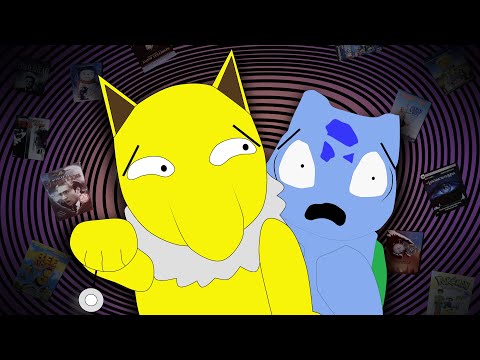
Starters - Lavender Town - RETOLD (But Every Pokemon Reference I Review A DVD From My Shelf)
0
ajajaja posted on 2026/03/08Ever wondered about the spooky vibes of Lavender Town or gotten lost in Pokémon nostalgia? This video dives deep into that iconic setting, blending it with a hilarious look at a personal DVD collection and the concept of time loops! You'll pick up some fun situational dialogue and cultural insights while getting a good laugh.
Learn this video on the APP!
The VoiceTube App has more in-depth practice for videos!