
ability
US /əˈbɪlɪti/
UK /ə'bɪlətɪ/
- Noun (Countable/Uncountable)
- The power, resources or skill to do something
- A particular skill or talent.
A2TOEICMoreacutely
US /əˈkjuːtli/
UK /əˈkju:tli/
- Adverb
- Strongly and suddenly
B2Moreall over the place
US
UK
- Phrase
- In a state of disorder; scattered everywhere.
- In many different locations; widely distributed.
- Adjective
- Mentally or emotionally disorganized; confused or erratic.
A1Moreassociate
US /əˈsoʊʃiˌeɪt/
UK /ə'səʊʃɪeɪt/
- Countable Noun
- Partner in professional work, e.g. in law
- Verb (Transitive/Intransitive)
- To spend time with other people; mix with
- To form a connection in your mind between things
B1TOEICMoreat once
US /æt wʌns/
UK /æt wʌns/
- Adverb
- Immediately; without delay
- At the same time; simultaneously
A2Moreat the same time
US
UK
- Phrase
- Simultaneously; at the identical moment.
- Nevertheless; however; used to introduce a contrasting or qualifying statement.
A1Morebasque
US /bæsk/
UK /bɑ:sk/
- Noun
- Member of a people living on the Bay of Biscay
B2Morebilingual
US /baɪˈlɪŋɡwəl/
UK /ˌbaɪˈlɪŋgwəl/
- Adjective
- Being able to speak two languages well
- Noun
- Person able to use two languages well
B2Morebucket
US /ˈbʌkɪt/
UK /'bʌkɪt/
- Countable Noun
- Open container with a handle used to carry liquids
- A scoop-like container attached to machinery, used for digging or lifting materials.
- Uncountable Noun
- The amount held by a bucket.
B1Morecarry on
US /ˈkæri ɑn/
UK /ˈkæri ɔn/
- Phrasal Verb
- To engage in an activity, e.g. a conversation
- To continue or keep doing something
- Verb (Transitive/Intransitive)
- To continue doing something
A1Morecognition
US /kɑ:gˈnɪʃn/
UK /kɒgˈnɪʃn/
- Uncountable Noun
- Recognition involved in thought processing
C1Moredimensional
US /dɪˈmɛnʃənl:/
UK /dɪ'menʃənəl/
- Adjective
- Concerning how many planes an object exists in
B1Moreeffort
US /ˈɛfət/
UK /ˈefət/
- Uncountable Noun
- Amount of work used trying to do something
- A conscious exertion of power; a try.
A2TOEICMoreend up with
US
UK
- Phrasal Verb
- To have something as a result.
A1Moreeventually
US /ɪˈvɛntʃuəli/
UK /ɪˈventʃuəli/
- Adverb
- After a long time; after many attempts; in the end
- At some later time; in the future
A2Morefascinating
US /ˈfæsəˌnetɪŋ/
UK /ˈfæsɪneɪtɪŋ/
- Transitive Verb
- To attract or interest greatly
- To hold someone captive with a gaze or other means.
- Adjective
- Having your attention fixated as though by a spell
B1Moreflick
US /flɪk/
UK /flɪk/
- Transitive Verb
- To hit something with your finger to move it
- To move a button, switch from on, off positions
- Noun
- Hitting something with your finger to move it
B1Morefor example
US
UK
- Phrase
- As an illustration or instance.
for the sake of
US /fɔr ði sek ʌv/
UK /fɔ: ðə seik ɔv/
- Phrase
- For the purpose of; in the interest of.
A1Morefrom birth
US
UK
- Phrase
- Since the time someone was born
- Inherently; from the beginning of life
B1Moregenerally
US /ˈdʒɛnərəli/
UK /ˈdʒenrəli/
- Adverb
- Usually; as a rule; by, to or for most people
A2Moregoing on
US /ˈɡoɪŋ ɑn/
UK /ˈgəʊɪŋ ɔn/
- Phrasal Verb
- To continue doing something
- To happen (usually negative)
A1Moregot to
US /ɡɑt tu/
UK /gɔt tu:/
- Verb (Transitive/Intransitive)
- To arrive at some place
- To have the opportunity or permission to do something
- Phrasal Verb
- To appeal to the emotions of; move
- To finally begin to start something after a delay
A1Moregrammar
US /ˈɡræmɚ/
UK /ˈgræmə(r)/
- Uncountable Noun
- Book describing the syntactic rules of a language
- Rules explaining how words are used in a language
B1Moreguide
US /ɡaɪd/
UK /ɡaɪd/
- Transitive Verb
- To help or advise someone about something
- To control missile to hit a target by radio signal
- Noun (Countable/Uncountable)
- Book or a magazine containing information/advice
- Person leading others visiting an unknown place
A2TOEICMorehang on
US /hæŋ ɑn/
UK /hæŋ ɔn/
- Phrasal Verb
- To wait for the person you phoned to answer
- To persevere or persist, especially in a difficult situation.
A2Moreidentity
US /aɪˈdɛntɪti/
UK /aɪ'dentətɪ/
- Noun (Countable/Uncountable)
- Collection of qualities that makes a person
- Who someone is; the name of a person
B1Moreimpression
US /ɪmˈprɛʃən/
UK /ɪmˈpreʃn/
- Noun (Countable/Uncountable)
- Effect or feeling resulting from an experience
- Act of pressing into a material to make a pattern
B1TOEICMorein order to
US /ɪn ˈɔrdɚ tu/
UK /in ˈɔ:də tu:/
- Preposition
- For the purpose of; with the aim of.
- Phrase
- In a specific sequence or arrangement.
- With the aim of; for the purpose of.
C1Morein the end
US /ɪn ði ɛnd/
UK /in ðə end/
- Phrase
- Finally; after a period of time or series of events.
- Ultimately; as the final result or consequence.
A1Morein the way
US /ɪn ði we/
UK /in ðə wei/
- Phrase
- Obstructing someone or something; hindering progress.
- Stored or placed so as to be available or ready when needed.
A1Moreinterfere
US /ˌɪntɚˈfɪr/
UK /ˌɪntə'fɪə(r)/
- Intransitive Verb
- To get involved in something not your business
- Transitive Verb
- To prevent a process or activity from continuing or being carried out properly.
B1TOEICMoreinterference
US /ˌɪntərˈfɪrəns/
UK /ˌɪntəˈfɪərəns/
- Noun (Countable/Uncountable)
- Unwanted involvement in the concerns of others
- Signal interrupting a radio or television signal
B1Moreintermediate
US /ˌɪntɚˈmidiɪt/
UK /ˌɪntəˈmi:diət/
- Adjective
- Between; in the middle; moderate
- Having some knowledge but not advanced
- Noun (Countable/Uncountable)
- Person with some knowledge but not advanced
- Something that comes between two things in time, place, character, etc.
B1Morelook through
US
UK
- Phrasal Verb
- To examine carefully to see what is there
- To search for something among a collection of things.
A1Moremess
US /mɛs/
UK /mes/
- Noun (Countable/Uncountable)
- Something that is untidy, dirty or unclean
- A difficult or confused situation.
- Transitive Verb
- To make something untidy or dirty
A2Moremuddle
US /ˈmʌdl:/
UK /'mʌdl/
- Transitive Verb
- To cause confusion through interference
- Noun (Countable/Uncountable)
- A confused or disordered state; a mess.
B2Morenative
US /ˈnetɪv/
UK /ˈneɪtɪv/
- Noun (Countable/Uncountable)
- Someone from or born in a specific country
- Original inhabitant, e.g. before others
- Adjective
- Caused by natural ability; innate
A2Moreof course
US /ʌv kɔː(r)s/
UK /ɔv kɔː(r)s/
- Adverb
- Sure ; Certainly
- Phrase
- For sure; certainly
A2Moreon earth
US /ɑn ɚθ/
UK /ɔn ə:θ/
- Phrase
- Used to emphasize a question expressing surprise or anger.
- Used to emphasize that something is not possible or will not happen.
A1Moreon to
US /ɑn tu/
UK /ɔn tu:/
- Preposition
- Toward something; forward
- Aware of someone's activities.
- Adjective
- Aware of someone's deception or illegal activities.
A1Moreprogress
US /ˈprɑɡˌrɛs, -rəs, ˈproˌɡrɛs/
UK /'prəʊɡres/
- Verb (Transitive/Intransitive)
- To move forward or toward a place or goal
- To make progress; develop or improve.
- Uncountable Noun
- Act of moving forward
- The process of improving or developing something over a period of time.
A2TOEICMorerecommend
US /ˌrɛkəˈmɛnd/
UK /ˌrekə'mend/
- Transitive Verb
- To advise or suggest that someone do something
- To endorse or support something publicly.
A2TOEICMoreregularly
US /ˈregjələrli/
UK /ˈregjələli/
- Adverb
- At the usual time each day, week, or month
- In a normal or customary way.
B1TOEICMoreresearch
US /rɪˈsɚtʃ, ˈriˌsɚtʃ/
UK /rɪ'sɜ:tʃ/
- Verb (Transitive/Intransitive)
- To study in order to discover new ideas and facts
- To study the market relating to marketing products and services.
- Noun (Countable/Uncountable)
- Study done to discover new ideas and facts
- A particular area or topic of study.
A2TOEICMoresame time
US
UK
- Phrase
- Occurring simultaneously or at the same point in time.
- At the identical time as before; recurring at a fixed hour.
- Noun
- An equal duration or period.
A1Moreseparate
US /'sepəreɪt/
UK /'sepəreɪt/
- Adjective
- Being different from or unrelated to another
- Not connected; different.
- Transitive Verb
- To divide two things by being in between them
- To move things away from each other
A2TOEICMoreslot
US /slɑ:t/
UK /slɒt/
- Noun
- A long narrow opening to put a coin, etc. in
- Transitive Verb
- To put something in a small narrow opening
B1TOEICMorespend
US /spɛnd/
UK /spend/
- Transitive Verb
- To use money to pay for something
- To use time in order to do something
A2TOEICMorespot
US /spɑt/
UK /spɒt/
- Noun
- A certain place or area
- A difficult time; awkward situation
- Transitive Verb
- To see someone or something by chance
A2TOEICMoresuppress
US /səˈprɛs/
UK /səˈpres/
- Transitive Verb
- To prevent the display of emotion or feeling
- To use force to prevent something happening
B1TOEICMoresuppression
US /səˈprɛʃən/
UK /səˈpreʃn/
- Uncountable Noun
- Act of preventing the display of emotion, feeling
- Forceful acts preventing something from happening
B1Moresuspect
US /səˈspɛkt/
UK /sə'spekt/
- Noun
- Person thought to have committed a crime
- Transitive Verb
- To consider someone is the one guilty of a crime
- To doubt or lack trust
A2TOEICMoreswap
US /swɑp/
UK /swɒp/
- Transitive Verb
- To exchange goods without spending money; trade
- Noun
- A trade or exchange of goods without using money
B2TOEICMoreswitch
US /swɪtʃ/
UK /swɪtʃ/
- Noun
- A change or shift from one method to another
- Thing you move to turn electrical items on or off
- Transitive Verb
- To exchange or replace something for another thing
A2TOEICMoreswitch on
US
UK
- Transitive Verb
- To put something electrical on or off
- Phrasal Verb
A2Morethink about
US /θɪŋk əˈbaʊt/
UK /θiŋk əˈbaut/
- Phrasal Verb
- To consider something carefully.
- To remember or call to mind.
A1Moreto some extent
US /tu sʌm ɪkˈstɛnt/
UK /tu: sʌm iksˈtent/
- Phrase
- Partially; not completely.
A1Morewith it
US /wɪð ɪt/
UK /wið it/
- Adjective
- Intelligent, alert, and up-to-date.
- Understanding and knowledgeable about current trends or information.
A1More
Vocabulary
- going on: To continue doing something
- at the same time: Simultaneously; at the identical moment.
- same time: Occurring simultaneously or at the same point in time.
- got to: To arrive at some place
- in order to: For the purpose of; with the aim of.
- on earth: Used to emphasize a question expressing surprise or anger.
- with it: Intelligent, alert, and up-to-date.
- of course: Sure ; Certainly
- at once: Immediately; without delay
- hang on: To wait for the person you phoned to answer
- in the way: Obstructing someone or something; hindering progress.
- all over the place: In a state of disorder; scattered everywhere.
- think about: To consider something carefully.
- switch on: To put something electrical on or off
- end up with: To have something as a result.
- from birth: Since the time someone was born
- carry on: To engage in an activity, e.g. a conversation
- to some extent: Partially; not completely.
- for example: As an illustration or instance.
- on to: Toward something; forward
- for the sake of: For the purpose of; in the interest of.
- in the end: Finally; after a period of time or series of events.
- look through: To examine carefully to see what is there
- eventually: After a long time; after many attempts; in the end
- effort: Amount of work used trying to do something
- recommend: To advise or suggest that someone do something
- progress: To move forward or toward a place or goal
- fascinating: To attract or interest greatly
- native: Someone from or born in a specific country
- experience: Thing a person has done or that happened to them
- completely: In every way or as much as possible
- associate: Partner in professional work, e.g. in law
- common: Area in a city or town that is open to everyone
- spot: A certain place or area
- interfere: To get involved in something not your business
- mess: Something that is untidy, dirty or unclean
- position: Person's opinion or attitude about something
- research: To study in order to discover new ideas and facts
- separate: Being different from or unrelated to another
- ability: The power, resources or skill to do something
- impression: Effect or feeling resulting from an experience
- brain: To strike someone forcefully on the head
- mean: Average of a set of numbers
- suspect: Person thought to have committed a crime
- similar: Nearly the same; alike
- generally: Usually; as a rule; by, to or for most people
- suppress: To prevent the display of emotion or feeling
- grammar: Book describing the syntactic rules of a language
- identity: Collection of qualities that makes a person
- swap: To exchange goods without spending money; trade
- bilingual: Being able to speak two languages well
- switch: A change or shift from one method to another
- guide: To help or advise someone about something
- mind: To be bothered or upset by something
- leave: To go away from; depart
- intermediate: Between; in the middle; moderate
- regularly: At the usual time each day, week, or month
- lot: What happens to a person in life from chance; fate
- kind: In a caring and helpful manner
- order: Religious or social group, as of nuns
- spend: To use money to pay for something
- learn: To get knowledge or skills by study or experience
- language: Words or signs used to communicate messages
- bucket: Open container with a handle used to carry liquids
- point: An item to be discussed
- cognition: Recognition involved in thought processing
- flick: To hit something with your finger to move it
- slot: A long narrow opening to put a coin, etc. in
- muddle: To cause confusion through interference
- dimensional: Concerning how many planes an object exists in
- interference: Unwanted involvement in the concerns of others
- acutely: Strongly and suddenly
- suppression: Act of preventing the display of emotion, feeling
- basque: Member of a people living on the Bay of Biscay
Get the full experience in the app
Learn anywhere with detailed sentence and usage analysis
01:03
She took a brave step forward, leaving behind her comfort zone to chase her dreams.
Vocabulary
- brave
adj. Having courage
- comfort zone
phr. A familiar situation where one feels safe
Explanation
a brave step is a noun phrase, where brave is an adjective modifying the noun step, meaning "a courageous step".
forward is an adverb modifying step, meaning "ahead".
The whole phrase serves as the object, answering the "what" of took (verb) — she took a brave step forward.
Get the full experience in the app
Look up words anytime with pronunciation, part of speech, and usage
brave
US/brev/
UK/breɪv/
adj.Brave
v.t.To bravely face
A2 Elementary
Get the full experience in the app
Practice speaking anytime and get instant pronunciation feedback
Try this speaking exercise.
Try practicing with this sentence.
80
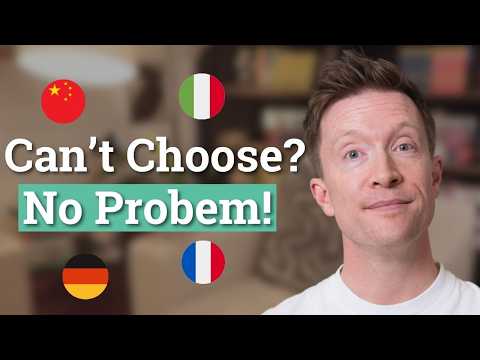
How to learn 2 languages without breaking your brain
0
Richard VT posted on 2026/03/06Ever wondered how polyglots manage to learn multiple languages without getting their wires crossed? This video dives into fascinating research-backed tips, especially for Romance languages, showing you how to avoid language interference and even switch between them like a pro! You'll pick up practical strategies for complex sentence structures and advanced vocabulary that make learning feel less like a chore and more like a superpower.
Learn this video on the APP!
The VoiceTube App has more in-depth practice for videos!