
agent
US /ˈedʒənt/
UK /'eɪdʒənt/
- Noun
- Chemical with the power to make chemical reactions
- Person who represents or decides for others
A2TOEICMoreannual
US /ˈænjuəl/
UK /ˈænjuəl/
- Adjective
- Happening once a year, or every year
- Noun
- Book (in a series) released each year
A2TOEICMorearound the world
US /əˈraʊnd ði wɜrld/
UK /əˈraund ðə wɜː(r)ld/
- Phrase
- In or to many countries.
- In various places throughout the world.
A2Moreas soon as
US /æz sun æz/
UK /æz su:n æz/
- Phrase
- In a short time after (something happens)
- Without any delay; immediately
- Conjunction
- At the moment that, or immediately after.
A1Moreat home
US /æt hom/
UK /æt həum/
- Phrase
- In one's own residence or country.
- Adjective
- Feeling comfortable and relaxed.
at school
US
UK
- Phrase
- Present and attending school.
A1Moreblame
US /blem/
UK /bleɪm/
- Transitive Verb
- To say someone is responsible for something bad
- Noun (Countable/Uncountable)
- Act of saying someone did something bad
A2TOEICMorebring out
US /brɪŋ aʊt/
UK /briŋ aut/
- Phrasal Verb
- To formally introduce a girl/ woman to society
- To nurture and develop or bring out a quality
A1Morecall about
US /kɔl əˈbaʊt/
UK /kɔ:l əˈbaut/
- Phrasal Verb
- To phone someone for a particular reason
A1Morecome around
US /kʌm əˈraʊnd/
UK /kʌm əˈraund/
- Phrasal Verb
- To eventually change your opinion or be persuaded to agree with someone else's.
- To visit someone at their house.
A1Morecommunity
US /kəˈmjunɪti/
UK /kə'mju:nətɪ/
- Noun (Countable/Uncountable)
- Group of people who share a common idea or area
- A feeling of fellowship with others, as a result of sharing common attitudes, interests, and goals.
- Adjective
- Relating to or shared by the people in a particular area.
- Shared or participated in by all members of a group
A2Moreconcept
US /ˈkɑnˌsɛpt/
UK /'kɒnsept/
- Noun (Countable/Uncountable)
- Abstract idea of something or how it works
- A plan or intention; a conception.
A2TOEICMoredisappointing
US /ˌdɪsəˈpɔɪntɪŋ/
UK /ˌdɪsəˈpɔɪntɪŋ/
- Verb (Transitive/Intransitive)
- To not meet the expectations of others or yourself
- Adjective
- Feeling you did not meet expectations
- Causing someone to feel unhappy because something did not happen or was not as good as expected.
B1Moredomestic
US /dəˈmɛstɪk/
UK /dəˈmestɪk/
- Noun
- Someone paid to help with housework in your house
- Adjective
- British informal fight between husband and wife
- Concerning your own home or house
A2TOEICMoredue to
US /du tu/
UK /dju: tu:/
- Preposition
- Because of; owing to
- Adjective
- Attributable to; caused by.
A1Moreembrace
US /ɛmˈbres/
UK /ɪm'breɪs/
- Noun (Countable/Uncountable)
- Act of holding someone closely
- An act of accepting or supporting something willingly and enthusiastically.
- Transitive Verb
- To hold closely; cuddle, kiss or hug
- To accept something enthusiastically.
B1TOEICMorefacilitate
US /fəˈsɪlɪˌtet/
UK /fə'sɪlɪteɪt/
- Transitive Verb
- To make an action or process easier
B1TOEICMorefascinating
US /ˈfæsəˌnetɪŋ/
UK /ˈfæsɪneɪtɪŋ/
- Transitive Verb
- To attract or interest greatly
- To hold someone captive with a gaze or other means.
- Adjective
- Having your attention fixated as though by a spell
B1Morefit into
US /fɪt ˈɪntu/
UK /fit ˈɪntuː/
- Phrasal Verb
- To be small enough to go inside something.
- To feel like you belong to a group.
A2Morefor sure
US /fɔr ʃʊr/
UK /fɔ: ʃuə/
- Adverb
- Definitely; certainly; without a doubt.
- Used to emphasize a statement.
- Interjection
- An expression of strong agreement or affirmation.
A2Morefor the world
US /fɚ ðə wɝld/
UK /fə ðə wɜ:ld/
- other
- Used to emphasize something would never happen.
B2Morefreak
US /friːk/
UK /friːk/
- Adjective
- (Of weather, etc.) unusual; unpredictable; amazing
- Noun
- A person, animal, or event that is physically abnormal, very unusual, or unlike others.
- A person with an unusual appearance or behaviour.
B2Moregiant
US /ˈdʒaɪənt/
UK /'dʒaɪənt/
- Countable Noun
- Tall, large, and powerful human-like creatures
- Very successful, powerful person or organization
- Adjective
- Very large, or much bigger than other things
A2Morehave to
US /hæv tu/
UK /ˈhæv tə/
- Auxiliary Verb
- Must do
A1Morehelp out
US /hɛlp aʊt/
UK /help aut/
- Phrasal Verb
- To assist someone
A1Morehistorian
US /hɪˈstɔriən/
UK /hɪˈstɔ:riən/
- Noun
- Someone who studies the course of history
B1Morehumanoid
US /ˈhjuməˌnɔɪd/
UK /ˈhju:mənɔɪd/
- Adjective
- Automaton that resembles a human being
B2Moreignite
US /ɪɡˈnaɪt/
UK /ɪɡ'naɪt/
- Intransitive Verb
- To catch fire
- Transitive Verb
- To cause something to start burning
- To give energy to something or someone
B2Morein mind
US /ɪn maɪnd/
UK /in maind/
- Phrase
- Being aware of or considering something.
- To remember or consider something.
A2Morein order to
US /ɪn ˈɔrdɚ tu/
UK /in ˈɔ:də tu:/
- Preposition
- For the purpose of; with the aim of.
- Phrase
- In a specific sequence or arrangement.
- With the aim of; for the purpose of.
C1Morein the future
US /ɪn ði ˈfjutʃɚ/
UK /in ðə ˈfju:tʃə/
- Phrase
- At a later time; in times to come.
A1Morein the middle of
US
UK
- Phrase
- In the central part or point of something.
- Engaged or occupied with something.
A2Morein turn
US
UK
- Adverb
- One after the other in a sequence or rotation.
A1Moreinstead of
US /ɪnˈstɛd ʌv/
UK /inˈsted ɔv/
- Preposition
- When one thing is replaced by another
- Adverb
- As a substitute or alternative.
A1Moreinsurance
US /ɪnˈʃʊrəns/
UK /ɪnˈʃʊərəns/
- Uncountable Noun
- Protection against loss/injury/death you pay for
A2TOEICMoreliability
US /ˌlaɪəˈbɪlɪti/
UK /ˌlaɪəˈbɪləti/
- Noun (Countable/Uncountable)
- Something that is owed to someone else, e.g. debt
- Person, thing that causes problems for someone
B1TOEICMoreliability insurance
US /ˌlaɪəˈbɪlɪti ɪnˈʃʊrəns/
UK /ˌlaiəˈbiliti inˈʃuərəns/
- Uncountable Noun
- Insurance that protects against claims resulting from injury or damage to other people or property.
C1Moremention
US /ˈmɛnʃən/
UK /'menʃn/
- Transitive Verb
- To refer to or talk or write about something
- Uncountable Noun
- Act of referring to or talking about something
- A formal acknowledgement of something
A2TOEICMoremicrophone
US /ˈmaɪkrəˌfon/
UK /ˈmaɪkrəfəʊn/
- Noun
- Device you speak in to record or amplify sounds
B1Moremove into
US /muv ˈɪntu/
UK /mu:v ˈɪntuː/
- Phrasal Verb
- To start living in a new house or building
- To start being involved in a new area of business or activity.
no go
US
UK
- Noun
- A failure; something that does not proceed as planned.
A1Moreof course
US /ʌv kɔː(r)s/
UK /ɔv kɔː(r)s/
- Adverb
- Sure ; Certainly
- Phrase
- For sure; certainly
A2Moreoff of
US /ɔf ʌv/
UK /ɔf ɔv/
- Preposition
- From a position on something; down from.
A1Moreon the other hand
US
UK
- Phrase
- Considering a different aspect of the matter; alternatively.
A1Moreon the phone
US
UK
- Phrase
- Talking on the telephone.
- Adjective
- Using a phone, especially a mobile phone.
A1Morephilosophical
US /ˌfɪləˈsɑ:fɪkl/
UK /ˌfɪləˈsɒfɪkl/
- Adjective
- Reacting calmly/reasonably if things are difficult
- Concerning philosophy
C1TOEICMorepractical
US /ˈpræktɪkəl/
UK /ˈpræktɪkl/
- Adjective
- Relating to what is sensible, real or useful
- Relating to experience, action, or practice; not theoretical or ideal.
- Noun
- A practical exam or lesson.
- A person concerned chiefly with the practice of something; a person with practical skills.
A2TOEICMorepracticality
US /ˌpræktɪˈkælətɪ/
UK /ˌpræktɪˈkæləti/
- Uncountable Noun
- State of being useful or realistically possible
C1Moreprogress
US /ˈprɑɡˌrɛs, -rəs, ˈproˌɡrɛs/
UK /'prəʊɡres/
- Verb (Transitive/Intransitive)
- To move forward or toward a place or goal
- To make progress; develop or improve.
- Uncountable Noun
- Act of moving forward
- The process of improving or developing something over a period of time.
A2TOEICMorerack
US /ræk/
UK /ræk/
- Noun
- A frame, stand, hook on which things are hung
- Transitive Verb
- To cause someone pain or suffering
B1Morereality
US /riˈælɪti/
UK /rɪ'ælətɪ/
- Noun (Countable/Uncountable)
- What is true, as opposed to what is imagined
- The state of things as they actually exist, rather than as they may appear or might be imagined.
A2Moreregulate
US /ˈrɛɡjəˌlet/
UK /ˈregjuleɪt/
- Transitive Verb
- To control something with rules or laws
- To set/adjust (a clock, etc.); restrict motion in
A2TOEICMoreresearch
US /rɪˈsɚtʃ, ˈriˌsɚtʃ/
UK /rɪ'sɜ:tʃ/
- Verb (Transitive/Intransitive)
- To study in order to discover new ideas and facts
- To study the market relating to marketing products and services.
- Noun (Countable/Uncountable)
- Study done to discover new ideas and facts
- A particular area or topic of study.
A2TOEICMoreresident
US /ˈrɛzɪdənt, -ˌdɛnt/
UK /ˈrezɪdənt/
- Noun (Countable/Uncountable)
- Trainee doctor who works/lives in a hospital
- A person who lives in a particular place.
- Adjective
- Someone who lives in a particular place
- (of a computer program) remaining in memory.
B1TOEICMorerobot
US /ˈroʊbɑ:t/
UK /ˈrəʊbɒt/
- Countable Noun
- Machine able perform more tasks that people can
- A person who acts in a mechanical or unemotional way.
B1Morerobotic
US /roʊˈbɑ:tɪk/
UK /rəʊˈbɒtɪk/
- Adjective
- Concerning mechanical robots
B1Morerun the gamut
US /rʌn ðə ˈɡæmət/
UK /rʌn ðə ˈɡæmət/
- other
- To experience or cover the full range of something.
C1Morerun to
US /rʌn tu/
UK /rʌn tu:/
- Phrasal Verb
- To have enough money; be able to pay; afford
- To go to some place
A1Morescan
US /skæn/
UK /skæn/
- Transitive Verb
- To look inside of the body with a special machine
- To look at something very quickly for information
- Noun
- A look inside the body with a special machine
B1TOEICMoresit down
US /sit daʊn/
UK /sit daun/
- Phrasal Verb
- To take a seat
A1Moresociety
US /səˈsaɪɪti/
UK /sə'saɪətɪ/
- Noun (Countable/Uncountable)
- A group who meet to share values or interests
- Group of people living together
A2TOEICMorethe bottom line
US /ði ˈbɑtəm laɪn/
UK /ðə ˈbɔtəm lain/
- Noun
- The most important thing; the essential point.
- The net income or profit of a company.
A2Morethe following
US
UK
- Adjective
- Next in order or sequence.
- Uncountable Noun
- What is about to be said or written.
B1Morethoughtfully
US
UK
- Adverb
- In a careful or considerate manner
B1Moretram
US /træm/
UK /træm/
- Noun
- Vehicle that runs on cables or rails
B2Moretransit
US /ˈtrænsɪt, -zɪt/
UK /ˈtrænzɪt/
- Noun (Countable/Uncountable)
- System of transportation, often in a city
- Process of changing planes at airports
- Adjective
- Concerning a transport system in a city
B1Moretrek
US /trɛk/
UK /trek/
- Noun
- Slow or difficult journey
- Intransitive Verb
- To make your way slowly and painfully
- To go on a difficult (often walking) journey
B1Moreturn to
US /tɚn tu/
UK /tə:n tu:/
- Phrasal Verb
- To go to someone for help, advice, or information.
- To start doing or using something, often something bad or undesirable.
A1Morewine glass
US /waɪn ɡlæs/
UK /wain ɡlɑ:s/
- Countable Noun
- A glass, typically stemmed, used for drinking wine.
A1More
Vocabulary
- at home: In one's own residence or country.
- have to: Must do
- help out: To assist someone
- fit into: To be small enough to go inside something.
- in order to: For the purpose of; with the aim of.
- around the world: In or to many countries.
- for the world: Used to emphasize something would never happen.
- in turn: One after the other in a sequence or rotation.
- wine glass: A glass, typically stemmed, used for drinking wine.
- liability insurance: Insurance that protects against claims resulting from injury or damage to other people or property.
- on the phone: Talking on the telephone.
- call about: To phone someone for a particular reason
- in mind: Being aware of or considering something.
- come around: To eventually change your opinion or be persuaded to agree with someone else's.
- as soon as: In a short time after (something happens)
- sit down: To take a seat
- run to: To have enough money; be able to pay; afford
- in the middle of: In the central part or point of something.
- of course: Sure ; Certainly
- on the other hand : Considering a different aspect of the matter; alternatively.
- no go: A failure; something that does not proceed as planned.
- in the future: At a later time; in times to come.
- bring out: To formally introduce a girl/ woman to society
- run the gamut: To experience or cover the full range of something.
- at school: Present and attending school.
- off of: From a position on something; down from.
- the following: Next in order or sequence.
- for sure: Definitely; certainly; without a doubt.
- the bottom line: The most important thing; the essential point.
- due to: Because of; owing to
- move into: To start living in a new house or building
- instead of: When one thing is replaced by another
- turn to: To go to someone for help, advice, or information.
- progress: To move forward or toward a place or goal
- fascinating: To attract or interest greatly
- embrace: Act of holding someone closely
- concept: Abstract idea of something or how it works
- practical: Relating to what is sensible, real or useful
- completely: In every way or as much as possible
- develop: To explain something in steps and in detail
- community: Group of people who share a common idea or area
- fear: Unpleasant feeling caused by being aware of danger
- research: To study in order to discover new ideas and facts
- reality: What is true, as opposed to what is imagined
- domestic: Someone paid to help with housework in your house
- freak: (Of weather, etc.) unusual; unpredictable; amazing
- blame: To say someone is responsible for something bad
- mention: To refer to or talk or write about something
- society: A group who meet to share values or interests
- regulate: To control something with rules or laws
- giant: Tall, large, and powerful human-like creatures
- pretty: Being attractive to the eye in a simple way
- insurance: Protection against loss/injury/death you pay for
- facilitate: To make an action or process easier
- project: To predict what will happen in the future
- shape: The outer form of something, what it looks like
- mind: To be bothered or upset by something
- annual: Happening once a year, or every year
- company: Good feeling from being with someone else
- moment: Very short or brief period of time
- agent: Chemical with the power to make chemical reactions
- ignite: To catch fire
- kind: In a caring and helpful manner
- learn: To get knowledge or skills by study or experience
- system: Set of organized, planned ideas that work together
- philosophical: Reacting calmly/reasonably if things are difficult
- build: Your physical shape; physique
- public: Owned by the government
- bring: To take or go with someone to a place
- rack: A frame, stand, hook on which things are hung
- resident: Trainee doctor who works/lives in a hospital
- liability: Something that is owed to someone else, e.g. debt
- scan: To look inside of the body with a special machine
- practicality: State of being useful or realistically possible
- transit: System of transportation, often in a city
- trek: Slow or difficult journey
- disappointing: To not meet the expectations of others or yourself
- robot: Machine able perform more tasks that people can
- historian: Someone who studies the course of history
- robotic: Concerning mechanical robots
- humanoid: Automaton that resembles a human being
- tram: Vehicle that runs on cables or rails
- thoughtfully: In a careful or considerate manner
- microphone: Device you speak in to record or amplify sounds
Get the full experience in the app
Learn anywhere with detailed sentence and usage analysis
01:03
She took a brave step forward, leaving behind her comfort zone to chase her dreams.
Vocabulary
- brave
adj. Having courage
- comfort zone
phr. A familiar situation where one feels safe
Explanation
a brave step is a noun phrase, where brave is an adjective modifying the noun step, meaning "a courageous step".
forward is an adverb modifying step, meaning "ahead".
The whole phrase serves as the object, answering the "what" of took (verb) — she took a brave step forward.
Get the full experience in the app
Look up words anytime with pronunciation, part of speech, and usage
brave
US/brev/
UK/breɪv/
adj.Brave
v.t.To bravely face
A2 Elementary
Get the full experience in the app
Practice speaking anytime and get instant pronunciation feedback
Try this speaking exercise.
Try practicing with this sentence.
80
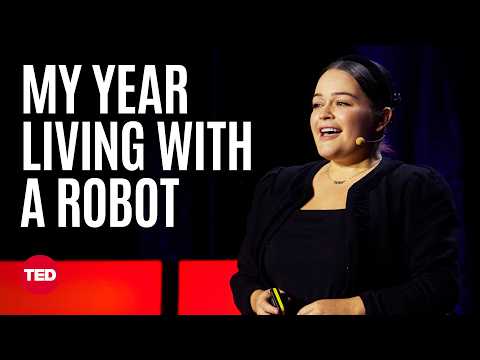
My Year Living with a Robot | Emily Kate Genatowski | TED
0
Richard VT posted on 2026/03/06Ever wondered what it's like to live with a humanoid robot? Emily Kate Genatowski shares her fascinating year with a Unitree G1, exploring practical lessons and the complex questions around robotics regulation and liability. You'll pick up advanced vocabulary and complex sentence structures while diving into the future of domestic robotics!
Learn this video on the APP!
The VoiceTube App has more in-depth practice for videos!