
all over the place
US
UK
- Phrase
- In a state of disorder; scattered everywhere.
- In many different locations; widely distributed.
- Adjective
- Mentally or emotionally disorganized; confused or erratic.
A1Moreany sort of
US
UK
- Determiner
- Any kind of; any type of
- Phrase
- Somewhat; to some extent
A2Moreas with
US /æz wɪð/
UK /æz wið/
- Preposition
- In the same way that something happens or is true of something else.
A1Moreat a time
US /æt e taɪm/
UK /æt ə taim/
- Phrase
- Separately; one by one
- Simultaneously; together
A1Moreat the moment
US
UK
- Adverb
- At this time; now
A1Moreattention
US /əˈtɛnʃən/
UK /əˈtenʃn/
- Noun (Countable/Uncountable)
- Taking notice of someone or something
- Noun
- (Soldiers) Standing with straight backs
A2TOEICMorebasically
US /ˈbesɪkəli,-kli/
UK /ˈbeɪsɪkli/
- Adverb
- Used before you explain something simply, clearly
- In essence; when you consider the most important aspects of something.
A2Morebathe
US /beð/
UK /beɪð/
- Verb (Transitive/Intransitive)
- To be covered completely in something, e.g. light
- To swim at the beach or in a river
B1Morebeat
US /bit/
UK /bi:t/
- Intransitive Verb
- To move in regular motions in order to push blood
- Transitive Verb
- To strike or hit repeatedly and with great force
- To mix ingredients together with a fork or machine
A2Morebest thing since sliced bread
US /ˈbɛst θɪŋ sɪns slaɪst ˈbrɛd/
UK /ˈbest θɪŋ sɪns slaɪst ˈbred/
- other
- An excellent invention or innovation considered very useful.
B2Morebutter up
US /ˈbʌtɚ ʌp/
UK /ˈbʌtə ʌp/
- Phrasal Verb
- To say nice things to get something you want
A2Morecalm
US /kɑm/
UK /kɑ:m/
- Adjective
- Without wind or storm; quiet; peaceful
- Relaxed and not worried or angry
- Verb (Transitive/Intransitive)
- To make or become relaxed and not worried or angry
A2Morecalm down
US /kɑm daʊn/
UK /kɑ:m daun/
- Phrasal Verb
- To make or become relaxed after being stressed
A2Morecarry on
US /ˈkæri ɑn/
UK /ˈkæri ɔn/
- Phrasal Verb
- To engage in an activity, e.g. a conversation
- To continue or keep doing something
- Verb (Transitive/Intransitive)
- To continue doing something
A1Morechew
US /tʃu:/
UK /tʃu:/
- Verb (Transitive/Intransitive)
- To bite something many times without swallowing it
- Noun
- Act of biting something many times
B1Morecome back
US /kʌm bæk/
UK /kʌm bæk/
- Phrasal Verb
- To reply to someone, often forcefully
- To be remembered
A1Morecome up
US /kʌm ʌp/
UK /kʌm ʌp/
- Phrasal Verb
- To come closer to someone; approach
- (Of sun) to rise into the sky in the morning
A1Morecommonly
US /ˈkɑmənlɪ/
UK /ˈkɒmənli/
- Adverb
- Typically, normally; not unusually
- Widely; by many people.
A2Moreconfrontation
US /ˌkɑ:nfrənˈteɪʃn/
UK /ˌkɒnfrʌnˈteɪʃn/
- Noun
- A disagreement or argument
B1Morecontext
US /ˈkɑnˌtɛkst/
UK /ˈkɒntekst/
- Noun (Countable/Uncountable)
- Set of facts surrounding a person or event
- The circumstances that form the setting for an event, statement, or idea, and in terms of which it can be fully understood and assessed.
A2Morecut off
US /kʌt ɔf/
UK /kʌt ɔf/
- Phrasal Verb
- To end a process, e.g. a phone call
- To cut the end of something
- Transitive Verb
- To isolate or prevent access to a place or person.
- To interrupt someone while they are speaking.
A1Moredepending on
US
UK
- Phrasal Verb
- To rely on for support (financial or emotional)
- Influenced or determined by.
- Preposition
- Subject to; contingent on
- Relying on someone or something for support or assistance.
A2Moredisagree
US /ˌdɪsəˈɡri/
UK /ˌdɪsə'ɡri:/
- Intransitive Verb
- To have a different opinion; to fail to agree
B2TOEICMoredown to earth
US /daʊn tu ɚθ/
UK /daun tu: ə:θ/
- Adjective
- Practical, realistic, and approachable.
B1Moreeverything but the kitchen sink
US /ˈɛvrɪθɪŋ bʌt ðə ˈkɪtʃɪn sɪŋk/
UK /ˈevriθɪŋ bʌt ðə ˈkɪtʃɪn sɪŋk/
- other
- Including almost everything imaginable; very many things.
B2Moreexaggerate
US /ɪgˈzædʒəreɪt/
UK /ɪgˈzædʒəreɪt/
- Verb (Transitive/Intransitive)
- To makes things seem more extreme than reality
- To speak or write about something in a way that overemphasizes or magnifies its qualities.
B1TOEICMoreexpression
US /ɪkˈsprɛʃən/
UK /ɪk'spreʃn/
- Noun (Countable/Uncountable)
- Act of making your thoughts and feelings known
- Group of words that have a specific meaning
A2TOEICMoreflatter
US /ˈflætɚ/
UK /'flætə(r)/
- Transitive Verb
- To praise in a rather false way, to get something
B2Morefor example
US
UK
- Phrase
- As an illustration or instance.
for some reason
US /fɔr sʌm ˈrizən/
UK /fɔ: sʌm ˈri:zən/
- Phrase
- For a reason that is not known or not easily explained.
A1Moregoing on
US /ˈɡoɪŋ ɑn/
UK /ˈgəʊɪŋ ɔn/
- Phrasal Verb
- To continue doing something
- To happen (usually negative)
A1Morehave to
US /hæv tu/
UK /ˈhæv tə/
- Auxiliary Verb
- Must do
A1Morehometown
US /ˈhomˈtaʊn/
UK /'həʊmtaʊn/
- Noun
- Town (or city) where you grew up or where you live
B2Morehuge
US /hjudʒ/
UK /hju:dʒ/
- Adjective
- Very very large
A2Morehumorous
US /ˈhjumərəs/
UK /ˈhju:mərəs/
- Adjective
- Being funny or causing someone to laugh
B1Morein writing
US
UK
- Phrase
- Expressed or presented in written form, rather than spoken.
- Officially recorded in a written document, especially for legal purposes.
A1Moreinexperienced
US /ˌɪnɪkˈspɪriənst/
UK /ˌɪnɪkˈspɪəriənst/
- Adjective
- Lacking knowledge or training
B1Moreinsult
US /ɪnˈsʌlt/
UK /ɪn'sʌlt/
- Transitive Verb
- To disrespect someone by being rude or impolite
- Noun (Countable/Uncountable)
- Act of disrespecting by being rude or impolite
B1TOEICMoreinvention
US /ɪnˈvɛnʃən/
UK /ɪnˈvenʃn/
- Noun (Countable/Uncountable)
- Something new that is different from other things
- Power or ability to create new things
A2TOEICMorelawn
US /lɔn/
UK /lɔ:n/
- Noun (Countable/Uncountable)
- Fine cotton cloth, either plain or printed
- Ground on which grass grows, as in a garden
B1Morelawnmower
US /ˈlɔːnmoʊər/
UK /ˈlɔ:nməʊə(r)/
- Noun (Countable/Uncountable)
- A device for cutting grass
C2Moreloaf
US /loʊf/
UK /ləʊf/
- Countable Noun
- Large piece of bread baked as a whole
- Intransitive Verb
- To spend time idly
B2Moreneck of the woods
US /nɛk ʌv ðə wʊdz/
UK /nek əv ðə wʊdz/
- other
- Refers to a particular area or region where someone lives.
B2Moreneighbour
US /ˈnebɚ/
UK /'neɪbə(r)/
- Countable Noun
- Person who lives, or is near, you
B1Morenext to
US /nɛkst tu/
UK /nekst tu:/
- Preposition
- Being located along side another
- In comparison with
- Adverb
- Almost; nearly
A1Moreobvious
US /ˈɑbviəs/
UK /ˈɒbviəs/
- Adjective
- Easily understood and clear; plain to see
- Easy to see or notice.
A2TOEICMoreon the ground
US
UK
- Phrase
- Located on the surface of the earth.
- Present and available in a particular place, especially to deal with a situation.
on the other hand
US
UK
- Phrase
- Considering a different aspect of the matter; alternatively.
A1Moreproperly
US /ˈprɑːpərli/
UK /ˈprɔpəlɪ/
- Adverb
- In an appropriate or correct manner
- In a way that is suitable or appropriate.
A2Morerub
US /rʌb/
UK /rʌb/
- Transitive Verb
- To spread a cream, etc., using a repeated motion
- To move something back and forth along a surface
- Noun
- Act of moving you hand forcefully along a surface
B1Morerub someone the wrong way
US /rʌb ˈsʌmwʌn ðə ˈrɔŋ weɪ/
UK /rʌb ˈsʌmwʌn ðə ˈrɒŋ weɪ/
- other
- To annoy or irritate someone.
B2Morerude
US /rud/
UK /ru:d/
- Adjective
- Being unkind or impolite to others; disrespectful
- Offensive; ill-mannered
A2Moresink
US /sɪŋk/
UK /sɪŋk/
- Transitive Verb
- To push something down into the ground
- To dig (a well)
- Countable Noun
- Large bowl in a kitchen or washroom for washing
A2TOEICMoresink in
US /sɪŋk ɪn/
UK /siŋk in/
- Phrasal Verb
- (Of an idea) to slowly be understood or felt
- To penetrate a surface.
A2Moreslice
US /slaɪs/
UK /slaɪs/
- Countable Noun
- Way of hitting the ball so the ball curves
- Piece or share of something
- Verb (Transitive/Intransitive)
- To hit a ball so that it curves to one side
- To cut a thin piece off something larger
A2TOEICMoresuitcase
US /ˈsutˌkes/
UK /ˈsu:tkeɪs/
- Countable Noun
- Container for carrying clothes when traveling
B2TOEICMoresupermarket
US /ˈsupɚˌmɑrkɪt/
UK /ˈsju:pəˌmɑ:kit/
- Noun (Countable/Uncountable)
- Self-service store selling groceries etc.
C2Moretalk about it
US /tɔk əˈbaʊt ɪt/
UK /tɔ:k əˈbaut it/
- Verb (Transitive/Intransitive)
- To discuss a particular subject.
A1Moretalking about
US
UK
- Phrasal Verb
- To discuss a particular topic.
- To be constantly mentioning or bringing up a subject.
A1Morethink about
US /θɪŋk əˈbaʊt/
UK /θiŋk əˈbaut/
- Phrasal Verb
- To consider something carefully.
- To remember or call to mind.
A1Morethink of
US /θɪŋk ʌv/
UK /θiŋk ɔv/
- Phrasal Verb
- To look on as (being something specific); consider
- To consider or remember something.
- Verb (Transitive/Intransitive)
- To imagine or call something to mind
A1Moretopic
US /ˈtɑpɪk/
UK /'tɒpɪk/
- Noun (Countable/Uncountable)
- Subject or issue people talk or write about
A2TOEICMorewet behind the ears
US /wɛt bɪˈhaɪnd ði ɪərz/
UK /wet biˈhaɪnd ðə ɪəz/
- other
- Inexperienced or immature, especially due to youth.
B2Morewhatnot
US /ˈwɑːt.nɑːt/
UK /ˈwɒt.nɒt/
- Noun
- Miscellaneous curios
- Uncountable Noun
- And other similar things
C1More
Vocabulary
- neck of the woods: Refers to a particular area or region where someone lives.
- wet behind the ears: Inexperienced or immature, especially due to youth.
- think about: To consider something carefully.
- cut off: To end a process, e.g. a phone call
- best thing since sliced bread: An excellent invention or innovation considered very useful.
- calm down: To make or become relaxed after being stressed
- have to: Must do
- everything but the kitchen sink: Including almost everything imaginable; very many things.
- as with: In the same way that something happens or is true of something else.
- in writing: Expressed or presented in written form, rather than spoken.
- butter up: To say nice things to get something you want
- next to: Being located along side another
- on the ground: Located on the surface of the earth.
- all over the place: In a state of disorder; scattered everywhere.
- any sort of: Any kind of; any type of
- at a time: Separately; one by one
- talk about it: To discuss a particular subject.
- for example: As an illustration or instance.
- depending on: To rely on for support (financial or emotional)
- talking about: To discuss a particular topic.
- going on: To continue doing something
- carry on: To engage in an activity, e.g. a conversation
- on the other hand : Considering a different aspect of the matter; alternatively.
- sink in: (Of an idea) to slowly be understood or felt
- down to earth: Practical, realistic, and approachable.
- at the moment: At this time; now
- think of: To look on as (being something specific); consider
- rub someone the wrong way: To annoy or irritate someone.
- for some reason: For a reason that is not known or not easily explained.
- come up: To come closer to someone; approach
- come back: To reply to someone, often forcefully
- sort: To organize things by putting them into groups
- obvious: Easily understood and clear; plain to see
- context: Set of facts surrounding a person or event
- situation: Place, position or area that something is in
- properly: In an appropriate or correct manner
- expression: Act of making your thoughts and feelings known
- basically: Used before you explain something simply, clearly
- exaggerate: To makes things seem more extreme than reality
- effective: Working efficiently to produce a desired result
- insult: To disrespect someone by being rude or impolite
- calm: Without wind or storm; quiet; peaceful
- bit: Device put in a horse's mouth to control it
- explain: To make clear or easy to understand by describing
- attention: Taking notice of someone or something
- huge: Very very large
- rub: To spread a cream, etc., using a repeated motion
- nervous: Concerning the system of nerves in the body
- reason: To think and make conclusions in a logical manner
- beat: To move in regular motions in order to push blood
- rude: Being unkind or impolite to others; disrespectful
- sink: To push something down into the ground
- topic: Subject or issue people talk or write about
- slice: Way of hitting the ball so the ball curves
- invention: Something new that is different from other things
- commonly: Typically, normally; not unusually
- place: To put someone in a particular type of situation
- hit: To have a negative impact on a person/place/thing
- chew: To bite something many times without swallowing it
- argue: To fight or disagree over something
- point: An item to be discussed
- wrong: Action that is harmful, unjust or illegal
- flatter: To praise in a rather false way, to get something
- lawn: Fine cotton cloth, either plain or printed
- head: To hit a ball with your head in a game
- suitcase: Container for carrying clothes when traveling
- pick: Sharp tool used for breaking the ground
- confrontation: A disagreement or argument
- person: Man, woman or child
- disagree: To have a different opinion; to fail to agree
- loaf: Large piece of bread baked as a whole
- whatnot: Miscellaneous curios
- humorous: Being funny or causing someone to laugh
- bathe: To be covered completely in something, e.g. light
- hometown: Town (or city) where you grew up or where you live
- inexperienced: Lacking knowledge or training
- neighbour: Person who lives, or is near, you
- supermarket: Self-service store selling groceries etc.
- lawnmower: A device for cutting grass
Get the full experience in the app
Learn anywhere with detailed sentence and usage analysis
01:03
She took a brave step forward, leaving behind her comfort zone to chase her dreams.
Vocabulary
- brave
adj. Having courage
- comfort zone
phr. A familiar situation where one feels safe
Explanation
a brave step is a noun phrase, where brave is an adjective modifying the noun step, meaning "a courageous step".
forward is an adverb modifying step, meaning "ahead".
The whole phrase serves as the object, answering the "what" of took (verb) — she took a brave step forward.
Get the full experience in the app
Look up words anytime with pronunciation, part of speech, and usage
brave
US/brev/
UK/breɪv/
adj.Brave
v.t.To bravely face
A2 Elementary
Get the full experience in the app
Practice speaking anytime and get instant pronunciation feedback
Try this speaking exercise.
Try practicing with this sentence.
80
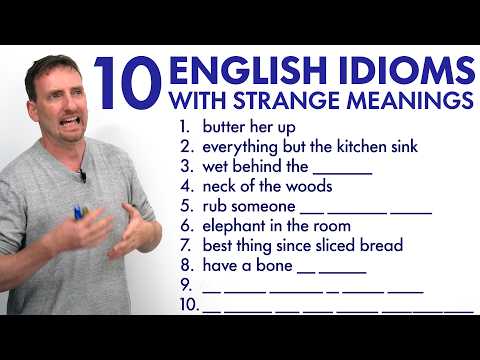
10 English Idioms with Meanings You CAN’T Guess
0
林宜悉 posted on 2026/03/04Ever heard an idiom and thought, 'What on earth does THAT mean?!' This video dives into 10 super common English idioms like 'butter up' and 'elephant in the room' that you absolutely can't guess, showing you exactly how to use them in everyday conversation. You'll pick up practical phrases that will make your English sound way more natural!
Learn this video on the APP!
The VoiceTube App has more in-depth practice for videos!