
abandon
US /əˈbændən/
UK /ə'bændən/
- Transitive Verb
- To discard or intentionally get rid of an item
- To withdraw your support, or leave someone
- Uncountable Noun
- Wild, carefree behavior
B1Moreabsolute
US /ˈæbsəˌlut/
UK /ˈæbsəlu:t/
- Adjective
- Complete; total; pure; not limited in any way
- Not capable of being doubted or questioned; certain.
- Noun (Countable/Uncountable)
- Something that is complete, total, pure, certain
- (in philosophy) a concept of an ultimate, unconditional reality
A2Moreabuse
US /əˈbjuz/
UK /ə'bju:s/
- Transitive Verb
- To mistreat or be cruel towards someone
- To use in an inappropriate or excessive way
- Noun (Countable/Uncountable)
- Improper/dishonest/excessive use of something
- Insulting someone, e.g. by swearing at them
A2TOEICMoreadmire
US /ædˈmaɪr/
UK /əd'maɪə(r)/
- Transitive Verb
- To feel respect or wonder toward someone
A2Moreassembly
US /əˈsɛmbli/
UK /ə'semblɪ/
- Noun (Countable/Uncountable)
- Process of putting the parts of something together
- Group of people gathered for a purpose
B1TOEICMoreat least
US /æt list/
UK /æt li:st/
- Adverb
- As a minimum
- Not less than
- Phrase
- No less than; at the minimum
- Used to indicate that something is positive in a bad situation.
C2Moreat risk
US
UK
- Phrase
- In danger; likely to be harmed
at war
US /æt wɔr/
UK /æt wɔ:/
- Phrase
- Engaged in a war; fighting
A2Moreauthority
US /əˈθɔrɪti, əˈθɑr-, ɔˈθɔr-, ɔˈθɑr-/
UK /ɔ:ˈθɒrəti/
- Noun (Countable/Uncountable)
- The power to give orders to people
- Person who is an expert on a particular topic
A2TOEICMoreayatollah
US /ˌaɪəˈtoʊlə/
UK /ˌaɪəˈtɒlə/
- Proper Noun
- Important religious or political leader in Iran
C1Morebasically
US /ˈbesɪkəli,-kli/
UK /ˈbeɪsɪkli/
- Adverb
- Used before you explain something simply, clearly
- In essence; when you consider the most important aspects of something.
A2Morebehind closed doors
US
UK
- Phrase
- In private; secretly or confidentially.
A1Morebetrayal
US /bɪ'treɪəl/
UK /bɪ'treɪəl/
- Uncountable Noun
- Act of giving knowledge or information to an enemy
B1Morebill
US /bɪl/
UK /bɪl/
- Noun
- Plan for a new law being discussed by a government
- Sign or poster advertising something
- Transitive Verb
- To request payment by handing over an invoice
A2TOEICMorecome before
US /kʌm bɪˈfɔr/
UK /kʌm biˈfɔ:/
- Phrasal Verb
- To happen or exist earlier in time than something else.
- To be considered more important than something else.
A1Morecommit
US /kəˈmɪt/
UK /kə'mɪt/
- Transitive Verb
- To do something bad, usually a crime
- To promise your permanent love or loyalty (to)
A2TOEICMorecongress
US /ˈkɑŋɡrɪs/
UK /'kɒŋɡres/
- Noun (Countable/Uncountable)
- Meeting of elected or appointed representatives
- Proper Noun
- American governing body of elected representatives
B1Morecongressman
US /ˈkɑŋɡrɪsmən/
UK /ˈkɔŋgrɪsmən/
- Countable Noun
- Member of the US House of Representatives
C2Moreconsistent
US /kənˈsɪstənt/
UK /kənˈsɪstənt/
- Adjective
- Agreeing with or being similar to another part
- In agreement; reliable
A2Moredecide on
US
UK
- Phrasal Verb
- To choose something, especially after thinking carefully about several possibilities
A2Moredemocrat
US /ˈdɛməˌkræt/
UK /'deməkræt/
- Noun (Countable/Uncountable)
- An advocate of democratic principles
B2Moredemocratic
US /ˌdɛməˈkrætɪk/
UK /ˌdeməˈkrætɪk/
- Adjective
- (Of government) giving the people power, a vote
- Based on the principle that all members have equal rights.
B2Moredescend
US /dɪˈsɛnd/
UK /dɪˈsend/
- Intransitive Verb
- To go down; to move from a higher to a lower place
B1Moredisaster
US /dɪˈzæstɚ, -ˈsæs-/
UK /dɪ'zɑ:stə(r)/
- Noun (Countable/Uncountable)
- State of extreme ruin and misfortune
- A complete failure.
- Uncountable Noun
- A situation that has gone terribly wrong.
A2Moredisastrous
US /dɪˈzæstrəs/
UK /dɪˈzɑ:strəs/
- Adjective
- Having very unfortunate or terrible consequences
- Having extremely negative or terrible consequences.
B1Moreeke out
US /ik aʊt/
UK /i:k aut/
- Phrasal Verb
- To manage to live with very little money or food.
- To make something such as a supply of food or money last longer by using it carefully.
escape
US /ɪˈskep/
UK /ɪ'skeɪp/
- Noun (Countable/Uncountable)
- Act to briefly ignoring boring or bad things
- The 'esc key' on a keyboard
- Verb (Transitive/Intransitive)
- To avoid something undesirable, dangerous or bad
- To get away from a place where you are being kept
A2Morefamily members
US
UK
- Noun (plural)
- People related by blood, marriage, or adoption.
A1Moreforeign
US /ˈfɔ:rən/
UK /ˈfɒrən/
- Adjective
- Being of a different place or country
- Strange; different from ones found at home
A2TOEICMoregot to
US /ɡɑt tu/
UK /gɔt tu:/
- Verb (Transitive/Intransitive)
- To arrive at some place
- To have the opportunity or permission to do something
- Phrasal Verb
- To appeal to the emotions of; move
- To finally begin to start something after a delay
A1Morehold the line
US /hold ði laɪn/
UK /həuld ðə lain/
- Verb (Transitive/Intransitive)
- To wait on the telephone.
- To maintain a defensive position.
A1Morein fact
US /ɪn fækt/
UK /in fækt/
- Adverb
- Used to emphasize the truth of a statement, especially one that contrasts with or contradicts something else.
- Used to introduce a more detailed or surprising piece of information.
- Phrase
- Used to emphasize the truth of a statement, especially one that is surprising or contrary to what might be expected.
C1Morein power
US /ɪn ˈpaʊɚ/
UK /in ˈpauə/
- Adjective
- Having control of a country or organization.
- Phrase
- During a period of holding authority or control.
B1Morein the house
US
UK
- Phrase
- Located inside a building used as a dwelling.
- Within a legislative body, such as a parliament or congress.
A1Moreintellectually
US
UK
- Adverb
- In a manner involving reasoning or complex ideas
B1Morekick in
US /kɪk ɪn/
UK /kik in/
- Phrasal Verb
- (Of a medicine, plan, etc.) to start to have an effect; become operative
- To contribute money to a common fund or purpose.
A1Morelive on
US /lɪv ɒn/
UK /lɪv ɒn/
- Phrasal Verb
- To continue to exist or be remembered.
- To eat a particular type of food as the main thing.
B2Morelook at
US /lʊk æt/
UK /luk æt/
- Phrasal Verb
- To use your eyes to focus on something
- To focus your eyes on something carefully
A1Moremansion
US /ˈmænʃən/
UK /ˈmænʃn/
- Noun (Countable/Uncountable)
- Very large, expensive home
- Historically, the main residence of a lord or wealthy person.
B2Morenumber of people
US /ˈnʌmbɚ ʌv ˈpipəl/
UK /ˈnʌmbə ɔv ˈpi:pl/
- Phrase
- The total count of individuals within a group or gathering.
- A statistical figure representing the population size or a subset thereof.
A1Moreoath
US /oθ/
UK /əʊθ/
- Noun
- Promise to do something
B2Moreof course
US /ʌv kɔː(r)s/
UK /ɔv kɔː(r)s/
- Adverb
- Sure ; Certainly
- Phrase
- For sure; certainly
A2Moreon the fence
US /ɑn ði fɛns/
UK /ɔn ðə fens/
- Phrase
- Undecided; wavering between two options.
- Remaining neutral; not taking sides in a dispute.
A1Moreoversight
US /ˈoʊvərsaɪt/
UK /ˈəʊvəsaɪt/
- Noun (Countable/Uncountable)
- A mistake; something you forget to do
- Supervision of someone or something
C2Morepolicy
US /ˈpɑlɪsi/
UK /'pɒləsɪ/
- Noun
- Document stating terms of an insurance agreement
- Course of action proposed by an organization, etc.
A2TOEICMoreprecedent
US /ˈprɛsɪdənt/
UK /ˈpresɪdənt/
- Countable Noun
- A similar action happening before now
B1Morerelease
US /rɪ'li:s/
UK /rɪ'li:s/
- Transitive Verb
- To free someone from a responsibility or burden
- To allow a film, music etc. to be sold/distributed
- Noun
- Act of freeing someone from a duty or burden
- Introduction of a new product, film, book, etc.
A2TOEICMorerepublican
US /rɪˈpʌblɪkən/
UK /rɪˈpʌblɪkən/
- Countable Noun
- Supporter of the conservative US political party
- Adjective
- Of a republic; not favoring a monarchy
B1Morerequire
US /rɪˈkwaɪr/
UK /rɪ'kwaɪə(r)/
- Transitive Verb
- To demand that someone does something
- To need to do something, to make it necessary
A2TOEICMoreresolution
US /ˌrɛzəˈluʃən/
UK /ˌrezə'lu:ʃn/
- Noun (Countable/Uncountable)
- End part of a story resolving the conflict
- Ability of a screen or camera to display pixels
C2Moresenator
US /ˈsɛnətɚ/
UK /ˈsenətə(r)/
- Noun
- An elected politician belonging to the senate
B2Moresponsor
US /ˈspɑ:nsə(r)/
UK /ˈspɒnsə(r)/
- Noun
- Person that supports the passage of a new law
- Person giving money for someone's education
- Transitive Verb
- To support the passage of a new law
- To help someone succeed by giving them money
B1TOEICMorestart off
US /stɑrt ɔf/
UK /stɑ:t ɔf/
- Phrasal Verb
- To begin or commence something.
- To begin a journey.
B2Moresubpoena
US /səˈpinə/
UK /səˈpi:nə/
- Noun
- Legal document forcing a witness to give evidence
- Transitive Verb
- To force a witness to give evidence in court
C2TOEICMoretake the fifth
US /teɪk ðə ˈfɪfθ/
UK /teɪk ðə ˈfɪfθ/
- other
- To refuse to answer questions to avoid self-incrimination.
C1Moretestify
US /'testɪfaɪ/
UK /'testɪfaɪ/
- Intransitive Verb
- To tell what you know (in court)
B2TOEICMoretough
US /tʌf/
UK /tʌf/
- Adjective
- (Of food) difficult to chew or bite through
- Very difficult to do or deal with
- Noun
- A rough and aggressive person.
A2Moreunder oath
US /ˈʌndɚ oθ/
UK /ˈʌndə əuθ/
- other
- Having promised legally to tell the truth in court.
B2Morevoluntarily
US /ˌvɑ:lənˈterəli/
UK /ˈvɒləntrəli/
- Adverb
- Of your own free will; not because you were forced
C1Morework on
US /wɚk ɑn/
UK /wə:k ɔn/
- Phrasal Verb
- To devote effort to improve or develop something
- To try to persuade or influence someone.
A1More
Vocabulary
- at war: Engaged in a war; fighting
- look at: To use your eyes to focus on something
- of course: Sure ; Certainly
- at least: As a minimum
- start off: To begin or commence something.
- in fact: Used to emphasize the truth of a statement, especially one that contrasts with or contradicts something else.
- in power: Having control of a country or organization.
- at risk: In danger; likely to be harmed
- number of people: The total count of individuals within a group or gathering.
- eke out: To manage to live with very little money or food.
- on the fence: Undecided; wavering between two options.
- hold the line: To wait on the telephone.
- got to: To arrive at some place
- work on: To devote effort to improve or develop something
- kick in: (Of a medicine, plan, etc.) to start to have an effect; become operative
- in the house: Located inside a building used as a dwelling.
- behind closed doors: In private; secretly or confidentially.
- take the fifth: To refuse to answer questions to avoid self-incrimination.
- decide on: To choose something, especially after thinking carefully about several possibilities
- come before: To happen or exist earlier in time than something else.
- under oath: Having promised legally to tell the truth in court.
- family members: People related by blood, marriage, or adoption.
- live on: To continue to exist or be remembered.
- tough: (Of food) difficult to chew or bite through
- basically: Used before you explain something simply, clearly
- consistent: Agreeing with or being similar to another part
- commit: To do something bad, usually a crime
- admire: To feel respect or wonder toward someone
- escape: Act to briefly ignoring boring or bad things
- abuse: To mistreat or be cruel towards someone
- authority: The power to give orders to people
- disaster: State of extreme ruin and misfortune
- resolution: End part of a story resolving the conflict
- require: To demand that someone does something
- congress: Meeting of elected or appointed representatives
- release: To free someone from a responsibility or burden
- democratic: (Of government) giving the people power, a vote
- abandon: To discard or intentionally get rid of an item
- absolute: Complete; total; pure; not limited in any way
- foreign: Being of a different place or country
- bill: Plan for a new law being discussed by a government
- policy: Document stating terms of an insurance agreement
- fact: Something that is known or proved to be true
- support: To give assistance or advice to someone
- sponsor: Person that supports the passage of a new law
- point: An item to be discussed
- middle: Place that is halfway between two things
- mansion: Very large, expensive home
- precedent: A similar action happening before now
- assembly: Process of putting the parts of something together
- intellectually: In a manner involving reasoning or complex ideas
- question: To ask for or try to get information
- hide: To go to, or put a thing where it can't be found
- descend: To go down; to move from a higher to a lower place
- disastrous: Having very unfortunate or terrible consequences
- voluntarily: Of your own free will; not because you were forced
- part: Division of a book
- betrayal: Act of giving knowledge or information to an enemy
- side: To decide to agree with one point, not the other
- senator: An elected politician belonging to the senate
- testify: To tell what you know (in court)
- hear: To be aware of sound; to perceive with the ear
- view: Opinion, belief, or idea about something
- oversight: A mistake; something you forget to do
- answer: To reply to a question someone asks
- people: Persons sharing culture, country, background, etc.
- republican: Supporter of the conservative US political party
- oath: Promise to do something
- close: Almost; near
- line: Border that divides two places or regions
- agree: To have the same opinion as someone else
- democrat: An advocate of democratic principles
- congressman: Member of the US House of Representatives
- subpoena: Legal document forcing a witness to give evidence
- ayatollah: Important religious or political leader in Iran
Get the full experience in the app
Learn anywhere with detailed sentence and usage analysis
01:03
She took a brave step forward, leaving behind her comfort zone to chase her dreams.
Vocabulary
- brave
adj. Having courage
- comfort zone
phr. A familiar situation where one feels safe
Explanation
a brave step is a noun phrase, where brave is an adjective modifying the noun step, meaning "a courageous step".
forward is an adverb modifying step, meaning "ahead".
The whole phrase serves as the object, answering the "what" of took (verb) — she took a brave step forward.
Get the full experience in the app
Look up words anytime with pronunciation, part of speech, and usage
brave
US/brev/
UK/breɪv/
adj.Brave
v.t.To bravely face
A2 Elementary
Get the full experience in the app
Practice speaking anytime and get instant pronunciation feedback
Try this speaking exercise.
Try practicing with this sentence.
80
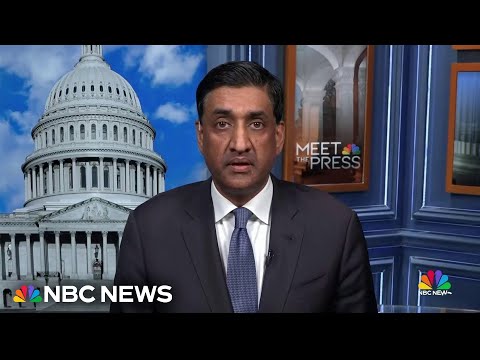
Ro Khanna says ‘Americans are not safer today’ after Iran’s Khamenei is killed: Full interview
0
Richard VT posted on 2026/03/01Ever wondered about the US stance on foreign policy and international conflicts? This in-depth interview with Ro Khanna dives into crucial topics like the War Powers Resolution and US foreign policy, offering advanced vocabulary and insights into complex policy debates. It's a fantastic opportunity to boost your knowledge and pick up specialized terms used in high-level discussions!
Learn this video on the APP!
The VoiceTube App has more in-depth practice for videos!