
analysis
US /əˈnælɪsɪs/
UK /əˈnæləsɪs/
- Uncountable Noun
- Careful study to better understand something
B1TOEICMoreappeal
US /əˈpil/
UK /ə'pi:l/
- Uncountable Noun
- Ability to attract interest, attention, or desire
- Verb (Transitive/Intransitive)
- To attract interest, attention, or desire
- To request a judge or others to change a decision
A2TOEICMoreat play here
US
UK
- Phrase
- Having an influence or effect in a particular situation.
- In operation or having an effect in a particular situation or context.
A1Moreaudience
US /ˈɔdiəns/
UK /ˈɔ:diəns/
- Noun (Countable/Uncountable)
- Group of people attending a play, movie etc.
A2TOEICMoreback into
US /bæk ˈɪntu/
UK /bæk ˈɪntuː/
- Phrasal Verb
- To drive a vehicle backwards into a space or area.
- To accidentally collide with something while moving backwards.
A1Morebias
US /ˈbaɪəs/
UK /'baɪəs/
- Noun (Countable/Uncountable)
- Preference to believe things even if incorrect
- A systematic error in a statistical result
- Transitive Verb
- To unfairly favor one view over another
- To cause someone to have prejudice
B1TOEICMoreblast
US /blæst/
UK /blɑ:st/
- Transitive Verb
- To attack someone with words
- To destroy something with explosives
- Noun (Countable/Uncountable)
- Destructive wave of air from an explosion
- Strong current of wind
B1Morebreak down
US /brek daʊn/
UK /breik daun/
- Phrasal Verb
- To forcibly break, destroy or make collapse
- (Machine) to stop working or become weaker
A1Morebrutal
US /ˈbrutl/
UK /'bru:tl/
- Adjective
- Extremely violent or mean
B1Morecall for
US /kɔl fɔr/
UK /kɔ:l fɔ:/
- Phrasal Verb
- To demand, need or require (an action or thing)
- To come to someone's house to take them somewhere
A1Moreclaim
US /klem/
UK /kleɪm/
- Noun (Countable/Uncountable)
- To say that something is true, often without proof.
- A statement that something is true.
- Transitive Verb
- To demand or ask for something that you believe is rightfully yours.
- To take or cause the loss of (e.g., a life, property).
A2Morecontent
US /ˈkɑnˌtɛnt/
UK /'kɒntent/
- Adjective
- Being happy or satisfied
- In a state of peaceful happiness.
- Noun (Countable/Uncountable)
- Information in something, e.g. book or computer
- The subject matter of a book, speech, etc.
A2Morecontrast
US /ˈkɑ:ntræst/
UK /'kɒntrɑ:st/
- Verb (Transitive/Intransitive)
- To compare; to show clear, obvious differences
- Noun (Countable/Uncountable)
- Comparison that shows obvious differences
- Difference in light and dark in photos, etc.
A2Morecritical
US /ˈkrɪtɪkəl/
UK /ˈkrɪtɪkl/
- Adjective
- Making a negative judgment of something
- Being important or serious; vital; dangerous
A2Morecriticize
US /ˈkrɪtɪˌsaɪz/
UK /ˈkrɪtɪsaɪz/
- Transitive Verb
- To assess the work of others
- To say that someone or something is bad
B1Morecurrent
US /ˈkɚrənt, ˈkʌr-/
UK /'kʌrənt/
- Uncountable Noun
- Electricity flowing through wires
- Movement of water in a river, or air in the sky
- Adjective
- Happening or being in the present time
- In general use or accepted by most people.
A2Moredisagree
US /ˌdɪsəˈɡri/
UK /ˌdɪsə'ɡri:/
- Intransitive Verb
- To have a different opinion; to fail to agree
B2TOEICMoredisagree with
US /ˌdɪsəˈɡri wɪð/
UK /ˌdisəˈɡri: wið/
- Phrasal Verb
- To have a different opinion from someone else.
- Intransitive Verb
- To cause someone to feel ill or uncomfortable.
A1Moredivide
US /dɪˈvaɪd/
UK /dɪ'vaɪd/
- Verb (Transitive/Intransitive)
- To split numbers by another number, e.g. 6 / 2 = 3
- To separate something into equal pieces
- Noun
- A separation or distinction.
A2TOEICMoreemphasize
US /ˈɛmfəˌsaɪz/
UK /'emfəsaɪz/
- Transitive Verb
- To stress the items that are important
B2TOEICMoreepisode
US /ˈɛpɪˌsod/
UK /'epɪsəʊd/
- Noun
- One separate event in a series of events
- Show which is part of a larger story
B1TOEICMoreframe
US /frem/
UK /freɪm/
- Transitive Verb
- To make a person that is not guilty appear guilty
- To put say or write something in a careful way
- Noun (Countable/Uncountable)
- Structure that holds a picture or photo
- A person's body shape determined by their skeleton
A2TOEICMorehave to
US /hæv tu/
UK /ˈhæv tə/
- Auxiliary Verb
- Must do
A1Moreheadline
US /ˈhedlaɪn/
UK /ˈhedlaɪn/
- Intransitive Verb
- To be the main performer at a show
- Noun
- Title summarizing a news story
B2Morein a nutshell
US
UK
- Phrase
- As a summary; including the main points concisely
C2Morein mind
US /ɪn maɪnd/
UK /in maind/
- Phrase
- Being aware of or considering something.
- To remember or consider something.
A2Morein terms of
US
UK
- Phrase
- With regard to; concerning a particular aspect.
A1Morein the house
US
UK
- Phrase
- Located inside a building used as a dwelling.
- Within a legislative body, such as a parliament or congress.
A1Morein the news
US
UK
- Phrase
- Being widely reported in the media.
A1Moreissue
US /ˈɪʃu/
UK /'ɪʃu:/
- Transitive Verb
- To make something available to be used or sold
- To deliver a statement, etc. in an official manner
- Noun (Countable/Uncountable)
- Important topic discussed, debated or argued over
- Single edition of a magazine
A2TOEICMorelean
US /lin/
UK /li:n/
- Verb (Transitive/Intransitive)
- To balance against or on something for support
- To have a tendency to do something; favor
- Adjective
- Having a low fat content
- Efficient; well-designed with no waste
A2Moreleft and right
US
UK
- Adverb
- In both the left and right directions.
- Everywhere; in all directions.
- Noun
- Referring to both liberal and conservative political viewpoints.
- Two opposing options or directions.
A1Moreleft out
US
UK
- Phrasal Verb
- To forget; omit
- To exclude someone or something; to not include.
A1Moremace
US /mes/
UK /meɪs/
- Noun
- Aerosol sprayed in the face to ward off attackers
B2Morenarrative
US /ˈnærətɪv/
UK /ˈnærətɪv/
- Noun (Countable/Uncountable)
- The telling of a story
- A spoken or written account of connected events; a story.
- Adjective
- Presented in the form of a story
B1Moreoccur
US /əˈkɚ/
UK /əˈkɜ:(r)/
- Intransitive Verb
- To come to pass or to happen
- To be found to exist; to be present.
A2TOEICMoreparagraph
US /ˈpærəgræf/
UK /ˈpærəgrɑ:f/
- Noun (Countable/Uncountable)
- Section of writing dealing with one point
- A section or clause in a legal document.
- Transitive Verb
- To organize a written work into paragraphs
B1TOEICMorepeel back
US
UK
- Phrasal Verb
- To gradually reveal or uncover something by removing layers or obstacles.
A1Moreperspective
US /pɚˈspɛktɪv/
UK /pə'spektɪv/
- Noun (Countable/Uncountable)
- Artistic method of creating a sense of distance
- Ability to understand what is important in life
B1TOEICMorepetition
US /pəˈtɪʃən/
UK /pə'tɪʃn/
- Noun
- Request to an authority to change something
- Transitive Verb
- To request an authority to make a change
B1Moreplenty
US /ˈplɛnti/
UK /'plentɪ/
- Pronoun
- When there is not too little of something; a lot
- Uncountable Noun
- A large or sufficient amount or quantity; abundance.
- A lot of something
A2Morepoint out
US /pɔɪnt aʊt/
UK /pɔint aut/
- Phrasal Verb
- To make others aware of an idea
- To draw attention to something or someone
A1Morepolitical
US /pəˈlɪtɪkəl/
UK /pəˈlɪtɪkl/
- Adjective
- Being active or interested in government matters
- Diplomatic
A2Moreprioritize
US /praɪˈɔ:rətaɪz/
UK /praɪˈɒrətaɪz/
- Transitive Verb
- To rank things in importance
B1TOEICMorerather than
US
UK
- Adverb
- More exactly; more correctly
- Preferably; instead
- Preposition
- Instead of
A1Morereel
US /ril/
UK /ri:l/
- Transitive Verb
- To wind something in on a reel; pull something in
C1Moreresponse
US /rɪˈspɑns/
UK /riˈspɔns/
- Noun
- Something said/written as an answer to something
- Reaction to something that has occurred
A2TOEICMoreseemingly
US /ˈsiːmɪŋli/
UK /ˈsi:mɪŋli/
- Adverb
- Appearing to be but may not actually be; probably
B1Moresmear
US /smɪr/
UK /smɪə(r)/
- Transitive Verb
- To cover a surface with something sticky
- To say bad things about (someone's reputation)
- Noun
- A mark or stain from something wet and dirty
B2Morespin
US /spɪn/
UK /spɪn/
- Verb (Transitive/Intransitive)
- To make a ball rotate when throwing it
- To move something in a rapid turning motion
- Intransitive Verb
- To feel dizzy/confused, as in my head is spinning
B1Morestay in
US /ste ɪn/
UK /stei in/
- Phrasal Verb
- To remain inside one's home.
- Intransitive Verb
- To remain as an inpatient in a hospital.
stir up
US /stɚ ʌp/
UK /stə: ʌp/
- Phrasal Verb
- To cause trouble; incite unrest.
- To evoke or awaken (emotions, memories).
A1Moresubjective
US /səbˈdʒɛktɪv/
UK /səbˈdʒektɪv/
- Adjective
- Using personal feelings and opinions not facts
C1Moresway
US /swe/
UK /sweɪ/
- Uncountable Noun
- Power or influence to control a person or group
- Action of moving slowly from side to side
- Verb (Transitive/Intransitive)
- To change your opinion or position often
- To influence a person's thoughts/opinion; persuade
B2TOEICMoretestimony
US /ˈtɛstəˌmoni/
UK /'testɪmənɪ/
- Noun
- Public statement of personal religious experiences
- Statement of evidence in court
C1Morethanks to
US /θæŋks tu/
UK /θæŋks tu:/
- Preposition
- Because of; as a result of.
A1Moreto the core
US
UK
- Phrase
- Completely; fundamentally; in every aspect.
- To the innermost part; to the very essence or center.
A1Moretogether with
US /təˈɡɛðɚ wɪð/
UK /təˈɡeðə wið/
- Preposition
- In addition to; along with.
- Including; as well as.
A1Moreundercut
US /ˌʌndər'kʌt/
UK /ˌʌndə'kʌt/
- Noun
- Material removed by a cut made underneath
- Transitive Verb
- To sell goods/services at lower price than others
B2TOEICMorevictim
US /ˈvɪktɪm/
UK /ˈvɪktɪm/
- Noun
- Person/thing affected by an unpleasant event
- Person feeling helpless in times of bad luck
B1TOEICMoreviewpoint
US /ˈvjuˌpɔɪnt/
UK /ˈvju:pɔɪnt/
- Noun
- Point of view; your opinion or attitude
C2TOEICMorewheat
US /hwit, wit/
UK /wi:t/
- Uncountable Noun
- A kind of grain that is used to make flour
B1More
Vocabulary
- left and right: In both the left and right directions.
- call for: To demand, need or require (an action or thing)
- disagree with: To have a different opinion from someone else.
- in terms of
- peel back: To gradually reveal or uncover something by removing layers or obstacles.
- in a nutshell: As a summary; including the main points concisely
- stir up: To cause trouble; incite unrest.
- back into: To drive a vehicle backwards into a space or area.
- together with: In addition to; along with.
- at play here: Having an influence or effect in a particular situation.
- left out: To forget; omit
- in the house: Located inside a building used as a dwelling.
- rather than: More exactly; more correctly
- point out: To make others aware of an idea
- to the core: Completely; fundamentally; in every aspect.
- have to: Must do
- stay in: To remain inside one's home.
- in the news: Being widely reported in the media.
- in mind: Being aware of or considering something.
- break down: To forcibly break, destroy or make collapse
- thanks to: Because of; as a result of.
- perspective: Artistic method of creating a sense of distance
- episode: One separate event in a series of events
- sort: To organize things by putting them into groups
- content: Being happy or satisfied
- critical: Making a negative judgment of something
- prioritize: To rank things in importance
- evidence: Factual proof that helps to establish the truth
- plenty: When there is not too little of something; a lot
- audience: Group of people attending a play, movie etc.
- bias: Preference to believe things even if incorrect
- claim: To say that something is true, often without proof.
- describe: To tell the appearance, sound, smell of something
- current: Electricity flowing through wires
- narrative: The telling of a story
- divide: To split numbers by another number, e.g. 6 / 2 = 3
- lean: To balance against or on something for support
- brutal: Extremely violent or mean
- victim: Person/thing affected by an unpleasant event
- political: Being active or interested in government matters
- occur: To come to pass or to happen
- issue: To make something available to be used or sold
- blast: To attack someone with words
- frame: To make a person that is not guilty appear guilty
- appeal: Ability to attract interest, attention, or desire
- contrast: To compare; to show clear, obvious differences
- response: Something said/written as an answer to something
- emphasize: To stress the items that are important
- seemingly: Appearing to be but may not actually be; probably
- form: Sports team or person's current winning record
- pretty: Being attractive to the eye in a simple way
- spin: To make a ball rotate when throwing it
- lead: Wire for electricity, computer, etc.; cable
- leave: To go away from; depart
- criticize: To assess the work of others
- lot: What happens to a person in life from chance; fate
- petition: Request to an authority to change something
- analysis: Careful study to better understand something
- wheat: A kind of grain that is used to make flour
- information: Collection of facts and details about something
- paragraph: Section of writing dealing with one point
- piece: A counter in a board game
- bring: To take or go with someone to a place
- subjective: Using personal feelings and opinions not facts
- point: An item to be discussed
- wrong: Action that is harmful, unjust or illegal
- daily: Happening every day
- testimony: Public statement of personal religious experiences
- sway: Power or influence to control a person or group
- quick: Using very little time; moving far in little time
- disagree: To have a different opinion; to fail to agree
- smear: To cover a surface with something sticky
- reel: To wind something in on a reel; pull something in
- headline: To be the main performer at a show
- undercut: Material removed by a cut made underneath
- viewpoint: Point of view; your opinion or attitude
- mace: Aerosol sprayed in the face to ward off attackers
Get the full experience in the app
Learn anywhere with detailed sentence and usage analysis
01:03
She took a brave step forward, leaving behind her comfort zone to chase her dreams.
Vocabulary
- brave
adj. Having courage
- comfort zone
phr. A familiar situation where one feels safe
Explanation
a brave step is a noun phrase, where brave is an adjective modifying the noun step, meaning "a courageous step".
forward is an adverb modifying step, meaning "ahead".
The whole phrase serves as the object, answering the "what" of took (verb) — she took a brave step forward.
Get the full experience in the app
Look up words anytime with pronunciation, part of speech, and usage
brave
US/brev/
UK/breɪv/
adj.Brave
v.t.To bravely face
A2 Elementary
Get the full experience in the app
Practice speaking anytime and get instant pronunciation feedback
Try this speaking exercise.
Try practicing with this sentence.
80
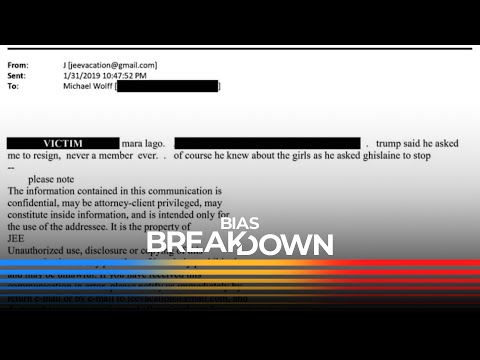
Epstein emails expose media political bias: Choose sources carefully | Bias Breakdown
0
みかん posted on 2026/02/28Ever wonder how headlines can twist a story? This video dives into the Epstein emails to show you exactly how media outlets frame news and place viewpoints, helping you become a smarter news consumer. You'll pick up key vocabulary for understanding political reporting and media bias!
Learn this video on the APP!
The VoiceTube App has more in-depth practice for videos!