
alert
US /əˈlɚt/
UK /ə'lɜ:t/
- Adjective
- Being aware and able to respond quickly
- Transitive Verb
- To warn someone so they can respond to it
B1TOEICMoreapproach
US /əˈprəʊtʃ/
UK /ə'prəʊtʃ/
- Verb (Transitive/Intransitive)
- To get close to reaching something or somewhere
- To request someone to do something specific
- Noun (Countable/Uncountable)
- Means of reaching a place, often a road or path
- Request of someone with a specific goal in mind
A2TOEICMoreback up
US /bæk ʌp/
UK /bæk ʌp/
- Phrasal Verb
- To save a copy of your computer data
- To confirm the truth of what someone says
A1Moreborder
US /ˈbɔrdɚ/
UK /'bɔ:də(r)/
- Verb (Transitive/Intransitive)
- To be right next to another country or state
- To form the edge of something
- Noun
- Outer part or edge of something
- Line separating one country, state from another
A2TOEICMorebring in
US /brɪŋ ɪn/
UK /briŋ in/
- Phrasal Verb
- To earn a certain amount of money or profits
- To add person into existing group, e.g. phone call
A1Morebuildup
US /'bɪldˌʌp/
UK /'bɪldˌʌp/
- Noun
- Making people feel excited about some new event
C2Morecapture
US /ˈkæptʃɚ/
UK /'kæptʃə(r)/
- Transitive Verb
- To attract and hold e.g. interest, attention
- To record, tape, or film something
- Noun
- The act of seizing or taking control of something.
B1Morecelebrity
US /səˈlɛbrɪti/
UK /sə'lebrətɪ/
- Countable Noun
- A (famous) entertainer known by many people
- Uncountable Noun
- The state of being well-known or famous.
B2Morecommander
US /kəˈmændə(r)/
UK /kəˈmɑ:ndə(r)/
- Countable Noun
- Person with authority who commands or controls
B1Morecommunist
US /ˈkɑmjənɪst/
UK /ˈkɒmjənɪst/
- Adjective
- Believer in communism
- Noun
- A person who supports or believes in communism.
B1Moreconfrontation
US /ˌkɑ:nfrənˈteɪʃn/
UK /ˌkɒnfrʌnˈteɪʃn/
- Noun
- A disagreement or argument
B1Morecorrespondent
US /ˌkɔrɪˈspɑndənt, ˌkɑr-/
UK /ˌkɒrəˈspɒndənt/
- Countable Noun
- Journalist, as one reporting from other countries
B1Moredeadly
US /ˈdɛdli/
UK /ˈdedli/
- Adjective
- Causing or capable of causing death
- Being very accurate
- Adverb
- Extremely; intensely.
A2Moredot
US /dɑt/
UK /dɒt/
- Transitive Verb
- To place small amounts/things in various places
- To mark something by placing a small, round spot
- Noun
- Small round mark
B1TOEICMoredrop off
US /drɑp ɔf/
UK /drɒp ɒf/
- Phrasal Verb
- To leave someone, something somewhere
- To fall asleep
- Verb (Transitive/Intransitive)
- To take someone or something to a particular place and leave them there.
A1Moredrug
US /drʌɡ/
UK /drʌɡ/
- Noun (Countable/Uncountable)
- Illegal substance taken for effect on the mind
- Chemical used as a medicine
- Transitive Verb
- To give drugs to someone to make them sleep
A2Moreescalate
US /ˈɛskəˌlet/
UK /ˈeskəleɪt/
- Verb (Transitive/Intransitive)
- To increase in size, intensity, or scope
- To become much worse or more severe
B2Moreessentially
US /ɪˈsenʃəli/
UK /ɪˈsenʃəli/
- Adverb
- Basically; (said when stating the basic facts)
- Used to emphasize the basic truth or fact of a situation.
A2Moreflee
US /fli/
UK /fli:/
- Intransitive Verb
- To leave somewhere urgently, to avoid danger
B1Morefuel
US /ˈfjuəl/
UK /'fju:əl/
- Transitive Verb
- To give power to (a mob, anger, etc.); incite
- To provide gas or petrol for something
- Uncountable Noun
- Material used to produce heat or power when burned
A2TOEICMoreguard
US /ɡɑrd/
UK /ɡɑ:d/
- Transitive Verb
- To keep watch over something to protect it
- Noun (Countable/Uncountable)
- Someone who watches a place or prevents escapes
- A player in basketball whose primary role is to handle the ball and initiate the offense.
A2Morehave to
US /hæv tu/
UK /ˈhæv tə/
- Auxiliary Verb
- Must do
A1Moreidentification
US /aɪˌdɛntəfɪˈkeʃən/
UK /aɪˌdentɪfɪˈkeɪʃn/
- Noun (Countable/Uncountable)
- (Card or paper) that proves who a person is
- The act of discovering exactly what something is
B2TOEICMoreincident
US / ˈɪnsɪdənt/
UK /ˈɪnsɪdənt/
- Noun (Countable/Uncountable)
- Event, usually unusual or important; accident
- A political event that causes difficulties.
A2Moreinterior
US /ɪnˈtɪriɚ/
UK /ɪn'tɪərɪə(r)/
- Noun (Countable/Uncountable)
- Part of country that is far from the border, coast
- Remote central area of a continent
- Adjective
- Being the inside part of a building, car etc.
B1TOEICMorelive on
US /lɪv ɒn/
UK /lɪv ɒn/
- Phrasal Verb
- To continue to exist or be remembered.
- To eat a particular type of food as the main thing.
B2Morelocation
US /loʊˈkeɪʃn/
UK /ləʊˈkeɪʃn/
- Noun (Countable/Uncountable)
- Particular position or area of place, event, etc.
- A place away from a studio where film or television shots are made.
B1TOEICMorelook at
US /lʊk æt/
UK /luk æt/
- Phrasal Verb
- To use your eyes to focus on something
- To focus your eyes on something carefully
A1Morenautical
US /ˈnɔtɪkəl/
UK /ˈnɔ:tɪkl/
- Adjective
- Concerning ships, sailing or sailors
C1Moreof course
US /ʌv kɔː(r)s/
UK /ɔv kɔː(r)s/
- Adverb
- Sure ; Certainly
- Phrase
- For sure; certainly
A2Moreon alert
US
UK
- Adjective
- In a state of readiness or vigilance; watchful and prepared for potential danger or action.
- Attentive and responsive to changes in a patient's condition; ready to provide immediate care if needed.
- Phrase
- In a state of heightened security or readiness to respond to potential threats or emergencies.
C1Moreon the other side of
US /ɑn ði ˈʌðɚ ˈsaɪd ʌv/
UK /ɒn ði ˈʌðə ˈsaɪd ɒv/
- Preposition
- Located across something from a given point.
A2Moreoppression
US /əˈprɛʃən/
UK /ə'preʃn/
- Uncountable Noun
- Treatment of people to limit their freedom
- A sense of being heavily burdened, mentally or physically.
B2Moreorganization
US /ˌɔrɡənɪˈzeʃən/
UK /ˌɔ:gənaɪˈzeɪʃn/
- Noun (Countable/Uncountable)
- Group of people with a particular purpose
- The way in which something is structured or arranged.
A2Moreout there
US /aʊt ðɛr/
UK /aut ðɛə/
- Adverb
- In or to a place that is far away
- Existing in the universe
- Adjective
- Unconventional; strange; avant-garde
- Existing or available.
A1Morepolitical
US /pəˈlɪtɪkəl/
UK /pəˈlɪtɪkl/
- Adjective
- Being active or interested in government matters
- Diplomatic
A2Morepresident
US /ˈprɛzɪdənt,-ˌdɛnt/
UK /ˈprezɪdənt/
- Noun
- Person in charge of a country, or organization
- The highest-ranking executive in a corporation or organization.
A2TOEICMoreproximity
US /prɑkˈsɪmɪti/
UK /prɒk'sɪmətɪ/
- Uncountable Noun
- State of being near or close to something
B2TOEICMoreramp
US /ræmp/
UK /ræmp/
- Noun
- Path that increases in height as you walk up it
- Transitive Verb
- To slope or incline; (phrasal: ramp up) to increase the level or amount of something sharply; to furnish with a sloping surface.
B2Moreregime
US /reˈʒim, rɪ-/
UK /reɪˈʒi:m/
- Noun
- A system of management; a form of government
B1Moreregister
US /ˈrɛdʒɪstɚ/
UK /'redʒɪstə(r)/
- Transitive Verb
- To record your name on an official list; sign up
- To show an amount on a measurement device
- Noun
- Till; machine used add up things you buy
- Range of notes of a person's (singing) voice
A2Morerequest
US /rɪˈkwɛst/
UK /rɪ'kwest/
- Transitive Verb
- To ask for, usually politely and formally
- Noun
- Thing that has been asked for
- A signal to a computer system or program to perform a task.
A2TOEICMoreresident
US /ˈrɛzɪdənt, -ˌdɛnt/
UK /ˈrezɪdənt/
- Noun (Countable/Uncountable)
- Trainee doctor who works/lives in a hospital
- A person who lives in a particular place.
- Adjective
- Someone who lives in a particular place
- (of a computer program) remaining in memory.
B1TOEICMorerhetoric
US /ˈrɛtərɪk/
UK /ˈretərɪk/
- Uncountable Noun
- The study of public speaking or writing techniques
B2TOEICMoreskip
US /skɪp/
UK /skɪp/
- Countable Noun
- Very large waste disposal bin
- Intransitive Verb
- To move forward by taking fast steps and jumps
- To move rapidly, from one topic to another
B2Morestrike
US /straɪk/
UK /straɪk/
- Transitive Verb
- To hit something
- To remove or erase.
- Noun (Countable/Uncountable)
- A punch or hit
- Fact of not hitting the ball when playing baseball
A2TOEICMoreto the rescue
US /tu ðə ˈrɛskju/
UK /tə ðə ˈreskju:/
- other
- Arriving in time to help or save someone from danger.
B1Moretopple
US /ˈtɑ:pl/
UK /ˈtɒpl/
- Transitive Verb
- To cause a government/leader to be overthrown
- To (cause to) become unstable and fall, e.g. ruler
- Intransitive Verb
- To fall over from being unstable
B2TOEICMoretroop
US /trup/
UK /tru:p/
- Countable Noun
- Group of people
- Group of mammals or birds
- Intransitive Verb
- To walk past in a group or large number
B1Moreutilize
US /ˈjutlˌaɪz/
UK /ˈju:təlaɪz/
- Transitive Verb
- To use something for a particular purpose
B1TOEICMorevessel
US /ˈvɛsəl/
UK /ˈvesl/
- Countable Noun
- Container, such as a cup, for holding liquids
- A ship or boat; something that carries things
B1TOEICMorewound
US /waʊnd/
UK /waʊnd/
- Transitive Verb
- To rotate a part of say a watch to make it work
- To hurt someone emotionally
- Noun (Countable/Uncountable)
- Sadness or displeasure caused by a bad memory
- Physical injury, especially that suffered in war
A2More
Vocabulary
- bring in: To earn a certain amount of money or profits
- on alert: In a state of readiness or vigilance; watchful and prepared for potential danger or action.
- out there: In or to a place that is far away
- on the other side of: Located across something from a given point.
- of course: Sure ; Certainly
- look at: To use your eyes to focus on something
- back up: To save a copy of your computer data
- drop off: To leave someone, something somewhere
- to the rescue: Arriving in time to help or save someone from danger.
- have to: Must do
- live on: To continue to exist or be remembered.
- essentially: Basically; (said when stating the basic facts)
- approach: To get close to reaching something or somewhere
- treat: To pay for the food or enjoyment of someone else
- expect: To believe something is probably going to happen
- strike: To hit something
- fuel: To give power to (a mob, anger, etc.); incite
- alert: Being aware and able to respond quickly
- celebrity: A (famous) entertainer known by many people
- political: Being active or interested in government matters
- proximity: State of being near or close to something
- state: Region within a country, with its own government
- regime: A system of management; a form of government
- vessel: Container, such as a cup, for holding liquids
- register: To record your name on an official list; sign up
- rhetoric: The study of public speaking or writing techniques
- capture: To attract and hold e.g. interest, attention
- incident: Event, usually unusual or important; accident
- break: To create a new record e.g. running the 100m dash
- communist: Believer in communism
- flee: To leave somewhere urgently, to avoid danger
- correspondent: Journalist, as one reporting from other countries
- request: To ask for, usually politely and formally
- guard: To keep watch over something to protect it
- ramp: Path that increases in height as you walk up it
- wound: To rotate a part of say a watch to make it work
- utilize: To use something for a particular purpose
- lot: What happens to a person in life from chance; fate
- escalate: To increase in size, intensity, or scope
- interior: Part of country that is far from the border, coast
- border: To be right next to another country or state
- troop: Group of people
- president: Person in charge of a country, or organization
- organization: Group of people with a particular purpose
- information: Collection of facts and details about something
- government: Group of people and system that rule a nation
- bring: To take or go with someone to a place
- oppression: Treatment of people to limit their freedom
- resident: Trainee doctor who works/lives in a hospital
- confrontation: A disagreement or argument
- remember: To give someone a gift, e.g. birthday, wedding
- drug: Illegal substance taken for effect on the mind
- secretary: Office worker who makes appointments, etc.
- deadly: Causing or capable of causing death
- type: Printed letters or blocks used for printing them
- side: To decide to agree with one point, not the other
- skip: Very large waste disposal bin
- happen: To take place or occur
- topple: To cause a government/leader to be overthrown
- location: Particular position or area of place, event, etc.
- dot: To place small amounts/things in various places
- commander: Person with authority who commands or controls
- come: To arrive at a place
- people: Persons sharing culture, country, background, etc.
- identification: (Card or paper) that proves who a person is
- nautical: Concerning ships, sailing or sailors
- buildup: Making people feel excited about some new event
Get the full experience in the app
Learn anywhere with detailed sentence and usage analysis
01:03
She took a brave step forward, leaving behind her comfort zone to chase her dreams.
Vocabulary
- brave
adj. Having courage
- comfort zone
phr. A familiar situation where one feels safe
Explanation
a brave step is a noun phrase, where brave is an adjective modifying the noun step, meaning "a courageous step".
forward is an adverb modifying step, meaning "ahead".
The whole phrase serves as the object, answering the "what" of took (verb) — she took a brave step forward.
Get the full experience in the app
Look up words anytime with pronunciation, part of speech, and usage
brave
US/brev/
UK/breɪv/
adj.Brave
v.t.To bravely face
A2 Elementary
Get the full experience in the app
Practice speaking anytime and get instant pronunciation feedback
Try this speaking exercise.
Try practicing with this sentence.
80
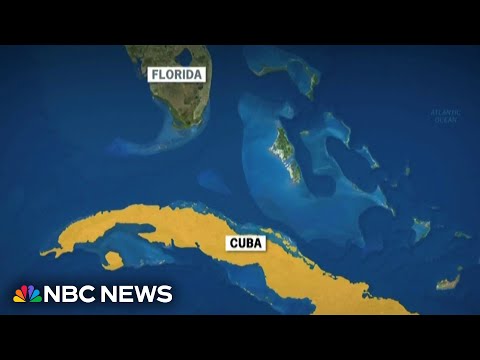
Cuban officials: Multiple killed after armed confrontation in Cuba's waters
0
Richard VT posted on 2026/02/25Dive into a tense maritime clash with this breaking news report about a confrontation in Cuban waters! You'll pick up key vocabulary related to international incidents and border security, plus gain insights into US-Cuba relations.
Learn this video on the APP!
The VoiceTube App has more in-depth practice for videos!