
advocacy
US /ˈædvəkəsi/
UK /ˈædvəkəsi/
- Uncountable Noun
- Request for change
- Public support for a belief
B1Moreamounted to
US
UK
- Phrasal Verb
- To have reached a total of; to be equal to.
- To have been the same as, or have had the same effect as.
A1Morearab
US
UK
- Noun
- Citizen of an Arabic speaking nation
C2Moreas a result of
US
UK
- Phrase
- Because of something; owing to.
A1Moreat least
US /æt list/
UK /æt li:st/
- Adverb
- As a minimum
- Not less than
- Phrase
- No less than; at the minimum
- Used to indicate that something is positive in a bad situation.
C2Moreat night
US /æt naɪt/
UK /æt nait/
- Phrase
- During the night; in the nighttime.
A1Moreatrocity
US /əˈtrɑsɪti/
UK /ə'trɒsətɪ/
- Noun
- Shockingly cruel or inhumane act
B2Moreawful
US /ˈɔfəl/
UK /ˈɔ:fl/
- Adjective
- Very bad; horrible; terrible
A2Morebackbone
US /ˈbækˌbon/
UK /'bækbəʊn/
- Uncountable Noun
- Strength and determination
B2Morebasically
US /ˈbesɪkəli,-kli/
UK /ˈbeɪsɪkli/
- Adverb
- Used before you explain something simply, clearly
- In essence; when you consider the most important aspects of something.
A2Morebureaucratic
US /ˌbjʊrəˈkrætɪk/
UK /ˌbjʊərəˈkrætɪk/
- Adjective
- Characterized by too many rules or officials
B2Morecare of
US /kɛr ʌv/
UK /kɛə ɔv/
- Preposition
- Used in an address to indicate the person who will receive the mail for someone else.
A2Morecommit
US /kəˈmɪt/
UK /kə'mɪt/
- Transitive Verb
- To do something bad, usually a crime
- To promise your permanent love or loyalty (to)
A2TOEICMorecommunity
US /kəˈmjunɪti/
UK /kə'mju:nətɪ/
- Noun (Countable/Uncountable)
- Group of people who share a common idea or area
- A feeling of fellowship with others, as a result of sharing common attitudes, interests, and goals.
- Adjective
- Relating to or shared by the people in a particular area.
- Shared or participated in by all members of a group
A2Moreconflict
US /ˈkɑnˌflɪkt/
UK /'kɒnflɪkt/
- Noun (Countable/Uncountable)
- Argument or struggle between two or more parties
- A serious disagreement or argument.
- Verb (Transitive/Intransitive)
- To have opposite ideas; to disagree; To not match
A2Morecouncil
US /ˈkaʊnsəl/
UK /'kaʊnsl/
- Noun (Countable/Uncountable)
- Group chosen to make decisions about something
- A body of people elected or appointed to manage the affairs of a city, county, or other administrative district.
- Transitive Verb
- To advise or recommend.
A2Moredecimate
US /ˈdɛsəˌmet/
UK /'desɪmeɪt/
- Transitive Verb
- to kill a large number of something, or to reduce something severely
C1Moredefinition
US /ˌdɛfəˈnɪʃən/
UK /ˌdefɪˈnɪʃn/
- Noun (Countable/Uncountable)
- Explanation of word's meaning, as in dictionaries
- The sharpness of an image on a screen
A2TOEICMoredeliberate
US /dɪˈlɪbərɪt/
UK /dɪ'lɪbərət/
- Adjective
- Carefully thought out in advance
- Done purposely
- Verb (Transitive/Intransitive)
- To consider a problem or decision carefully
B2Moredestroy
US /dɪˈstrɔɪ/
UK /dɪ'strɔɪ/
- Transitive Verb
- To damage so badly that something no longer exists
- To defeat someone or something easily
A2TOEICMoredetain
US /dɪˈten/
UK /dɪ'teɪn/
- Transitive Verb
- To keep someone somewhere, e.g. in jail
B2Moredistinguish
US /dɪˈstɪŋɡwɪʃ/
UK /dɪˈstɪŋgwɪʃ/
- Transitive Verb
- To make something clearly different from others
- To make noticeable or different; to set apart.
A2TOEICMoreethnic
US /ˈɛθnɪk/
UK /ˈeθnɪk/
- Adjective
- Of people who share the same culture, traditions
- Belonging to a minority group that differs in culture, religion, or origin from the dominant group of a society.
B1Moreexpel
US /ɪkˈspɛl/
UK /ɪk'spel/
- Transitive Verb
- To force a person to leave a place or organization
- To release or push something (e.g. air) out
B2TOEICMorefactor in
US /ˈfæktɚ ɪn/
UK /ˈfæktə in/
- Phrasal Verb
- To include something as an important element when making a decision or calculation.
B2Morefamine
US /ˈfæmɪn/
UK /ˈfæmɪn/
- Noun (Countable/Uncountable)
- Long-lasting period of little food in an area
- A drastic food shortage in a large area or country.
B2Moreflee
US /fli/
UK /fli:/
- Intransitive Verb
- To leave somewhere urgently, to avoid danger
B1Moregenocide
US /ˈdʒɛnəˌsaɪd/
UK /ˈdʒenəsaɪd/
- Noun
- Deliberate destruction of a group of people
B2Morego out
US /ɡo aʊt/
UK /ɡəu aut/
- Phrase
- To leave a building (e.g. a house)
- Phrasal Verb
- (Of a fire) to burn out; be extinguished
- Go out of fashion to stop being fashionable
A1Moregrim
US /ɡrɪm/
UK /ɡrɪm/
- Adjective
- Being very serious or determined
- Causing someone to worry or feel sad or hopeless
B1Moreharrowing
US /ˈhæroɪŋ/
UK /'hærəʊɪŋ/
- Adjective
- Extremely shocking or upsetting
- Transitive Verb
- To be extremely upsetting
C1TOEICMorehumanitarian
US /hju:ˌmænɪˈteriən/
UK /hju:ˌmænɪˈteəriən/
- Noun
- Person who tries to help those in a crisis
- Adjective
- Concerned with or seeking to promote human welfare.
B2Moreimmense
US /ɪˈmɛns/
UK /ɪˈmens/
- Adjective
- Very great in size or amount
- Extremely great in degree; vast.
B1Morein particular
US /ɪn pɚˈtɪkjəlɚ/
UK /in pəˈtikjulə/
- Phrase
- Specifically; especially.
- Detailed or precise.
A1Morein terms of
US
UK
- Phrase
- With regard to; concerning a particular aspect.
A1Moreinvestigative
US /ɪnˈvestɪgeɪtɪv/
UK /ɪnˈvestɪgətɪv/
- Adjective
- Searching for information or truth
B1Moreloot
US /lut/
UK /lu:t/
- Transitive Verb
- To steal things after riots or disasters
- Noun (Countable/Uncountable)
- Things stolen after robbery, riots, disasters etc.
B2Moremass
US /mæs/
UK /mæs/
- Noun (Countable/Uncountable)
- Religious ceremony in some Christian churches
- Large amount or number of something
- Transitive Verb
- To gather people or things into a large group
B1Moremention
US /ˈmɛnʃən/
UK /'menʃn/
- Transitive Verb
- To refer to or talk or write about something
- Uncountable Noun
- Act of referring to or talking about something
- A formal acknowledgement of something
A2TOEICMoremission
US /ˈmɪʃən/
UK /'mɪʃn/
- Noun (Countable/Uncountable)
- A task or role someone is given to do
- Special assignment given to a person or group
B1TOEICMoremove back
US /muv bæk/
UK /mu:v bæk/
- Phrasal Verb
- To retreat or withdraw from a position.
- To reposition or shift something to a previous location.
A2Moreon the ground
US
UK
- Phrase
- Located on the surface of the earth.
- Present and available in a particular place, especially to deal with a situation.
out there
US /aʊt ðɛr/
UK /aut ðɛə/
- Adverb
- In or to a place that is far away
- Existing in the universe
- Adjective
- Unconventional; strange; avant-garde
- Existing or available.
A1Moreprevent
US /prɪˈvɛnt/
UK /prɪ'vent/
- Transitive Verb
- To stop something from happening or existing
A2TOEICMoreput together
US /pʊt təˈɡɛðɚ/
UK /put təˈɡeðə/
- Phrasal Verb
- To build or assemble something small, e.g. a toy
- To organize or arrange something.
A1Morerape
US /rep/
UK /reɪp/
- Transitive Verb
- To force someone to have sex against their will
- Noun (Countable/Uncountable)
- Act of forcing someone to have sex
- Plant used as a source of an edible oil
B1Morerefugee
US /ˌrɛfjʊˈdʒi/
UK /ˌrefjuˈdʒi:/
- Countable Noun
- Person forced to leave their home e.g. due to war
B2Morerely
US /rɪˈlaɪ/
UK /rɪ'laɪ/
- Intransitive Verb
- Depend on with full trust or confidence
- To trust or have confidence in someone.
B2TOEICMorerespond
US /rɪˈspɑnd/
UK /rɪ'spɒnd/
- Verb (Transitive/Intransitive)
- To answer something or someone
- To have a good reaction to e.g. medical treatment
A2TOEICMoresanction
US /ˈsæŋkʃən/
UK /'sæŋkʃn/
- Noun (Countable/Uncountable)
- Official support or approval
- Action taken to force a country to obey laws
- Transitive Verb
- To allow or approve something
B2TOEICMoresecurity
US /sɪˈkjʊrɪti/sə'kjurətɪ/
UK /sɪ'kjʊərətɪ/
- Noun
- Department in a company in charge of protection
- Financial document, like stocks, bonds and notes
A2TOEICMoresiege
US /sidʒ/
UK /si:dʒ/
- Noun
- Surrounding an enemy to prevent them getting food
C2TOEICMoresinge
US /sɪndʒ/
UK /sɪndʒ/
- Transitive Verb
- To burn lightly, often to remove hair
C2Morespeak to
US /spik tu/
UK /spi:k tu:/
- Verb (Transitive/Intransitive)
- To address or communicate with someone.
- To indicate or suggest something; to be relevant to.
A1Morespread
US /sprɛd/
UK /spred/
- Noun (Countable/Uncountable)
- A big meal, often laid out as a buffet
- The distance between two things
- Verb (Transitive/Intransitive)
- To place over a large area; to cover a large area
- (Of ideas, gossip) to pass to and affect others
A2TOEICMorestarvation
US /stɑ:rˈveɪʃn/
UK /stɑ:ˈveɪʃn/
- Uncountable Noun
- Extreme hunger; death from lack of food
B1Moretarget
US /ˈtɑrɡɪt/
UK /'tɑ:ɡɪt/
- Noun (Countable/Uncountable)
- A goal or amount you are trying to achieve
- Group you are trying to sell to or influence
- Transitive Verb
- To try to influence; direct a message toward
- (Army) to aim an attack at something
A2TOEICMorethink of
US /θɪŋk ʌv/
UK /θiŋk ɔv/
- Phrasal Verb
- To look on as (being something specific); consider
- To consider or remember something.
- Verb (Transitive/Intransitive)
- To imagine or call something to mind
A1Moretrauma
US /ˈtraʊmə/
UK /'trɔ:mə/
- Noun (Countable/Uncountable)
- A very severe or upsetting experience
- Serious injury to part of the body
B2Moretribe
US /traɪb/
UK /traɪb/
- Noun
- Racial group united by language, religion, customs
B1Moretruce
US /trus/
UK /tru:s/
- Noun
- Agreement between opponents to stop fighting
B2TOEICMoreunfold
US /ʌnˈfold/
UK /ʌn'fəʊld/
- Verb (Transitive/Intransitive)
- (Of a situation) to be told or revealed
- To open something that was folded
- Intransitive Verb
- To happen, be told or be revealed
B1Moreviolence
US /ˈvaɪələns/
UK /ˈvaɪələns/
- Uncountable Noun
- Strong physical force of nature
- Use of physical force to harm someone
B1More
Vocabulary
- in terms of
- speak to: To address or communicate with someone.
- at least: As a minimum
- amounted to: To have reached a total of; to be equal to.
- put together: To build or assemble something small, e.g. a toy
- in particular: Specifically; especially.
- as a result of: Because of something; owing to.
- on the ground: Located on the surface of the earth.
- factor in: To include something as an important element when making a decision or calculation.
- out there: In or to a place that is far away
- think of: To look on as (being something specific); consider
- move back: To retreat or withdraw from a position.
- at night: During the night; in the nighttime.
- go out: To leave a building (e.g. a house)
- care of: Used in an address to indicate the person who will receive the mail for someone else.
- present: Being in attendance; being there; having turned up
- deliberate: Carefully thought out in advance
- situation: Place, position or area that something is in
- evidence: Factual proof that helps to establish the truth
- trauma: A very severe or upsetting experience
- basically: Used before you explain something simply, clearly
- conflict: Argument or struggle between two or more parties
- community: Group of people who share a common idea or area
- awful: Very bad; horrible; terrible
- commit: To do something bad, usually a crime
- spread: A big meal, often laid out as a buffet
- prevent: To stop something from happening or existing
- definition: Explanation of word's meaning, as in dictionaries
- mention: To refer to or talk or write about something
- immense: Very great in size or amount
- famine: Long-lasting period of little food in an area
- address: Exact street location of a place
- distinguish: To make something clearly different from others
- security: Department in a company in charge of protection
- ethnic: Of people who share the same culture, traditions
- mass: Religious ceremony in some Christian churches
- refugee: Person forced to leave their home e.g. due to war
- economy: Using money, resources in a careful, effective way
- respond: To answer something or someone
- flee: To leave somewhere urgently, to avoid danger
- rely: Depend on with full trust or confidence
- fall: Season after summer and before winter; Autumn
- target: A goal or amount you are trying to achieve
- grim: Being very serious or determined
- violence: Strong physical force of nature
- destroy: To damage so badly that something no longer exists
- place: To put someone in a particular type of situation
- council: Group chosen to make decisions about something
- kind: In a caring and helpful manner
- sanction: Official support or approval
- fact: Something that is known or proved to be true
- mission: A task or role someone is given to do
- information: Collection of facts and details about something
- support: To give assistance or advice to someone
- unfold: (Of a situation) to be told or revealed
- genocide: Deliberate destruction of a group of people
- humanitarian: Person who tries to help those in a crisis
- bring: To take or go with someone to a place
- tribe: Racial group united by language, religion, customs
- siege: Surrounding an enemy to prevent them getting food
- expel: To force a person to leave a place or organization
- include: To make someone, something part of a group
- rape: To force someone to have sex against their will
- part: Division of a book
- hold: To agree to keep something for someone
- bureaucratic: Characterized by too many rules or officials
- atrocity: Shockingly cruel or inhumane act
- starvation: Extreme hunger; death from lack of food
- backbone: Strength and determination
- advocacy: Request for change
- harrowing: Extremely shocking or upsetting
- detain: To keep someone somewhere, e.g. in jail
- truce: Agreement between opponents to stop fighting
- loot: To steal things after riots or disasters
- decimate: to kill a large number of something, or to reduce something severely
- singe: To burn lightly, often to remove hair
- arab: Citizen of an Arabic speaking nation
- investigative: Searching for information or truth
Get the full experience in the app
Learn anywhere with detailed sentence and usage analysis
01:03
She took a brave step forward, leaving behind her comfort zone to chase her dreams.
Vocabulary
- brave
adj. Having courage
- comfort zone
phr. A familiar situation where one feels safe
Explanation
a brave step is a noun phrase, where brave is an adjective modifying the noun step, meaning "a courageous step".
forward is an adverb modifying step, meaning "ahead".
The whole phrase serves as the object, answering the "what" of took (verb) — she took a brave step forward.
Get the full experience in the app
Look up words anytime with pronunciation, part of speech, and usage
brave
US/brev/
UK/breɪv/
adj.Brave
v.t.To bravely face
A2 Elementary
Get the full experience in the app
Practice speaking anytime and get instant pronunciation feedback
Try this speaking exercise.
Try practicing with this sentence.
80
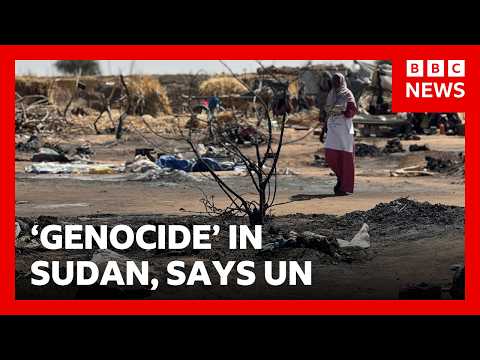
Sudan atrocities 'hallmarks of genocide', UN says | BBC News
0
林宜悉 posted on 2026/02/19Dive into a crucial UN report on the Sudan conflict, where findings suggest 'hallmarks of genocide' in Darfur. You'll encounter advanced vocabulary related to international affairs and humanitarian crises, making this a powerful opportunity to deepen your understanding and language skills.
Learn this video on the APP!
The VoiceTube App has more in-depth practice for videos!