
administration
US / ædˌmɪnɪˈstreʃən/
UK /ədˌmɪnɪˈstreɪʃn/
- Uncountable Noun
- Act of giving e.g. medicine to a patient
- The work of running something, e.g. a business
B1TOEICMoreafford
US /əˈfɔrd, əˈford/
UK /ə'fɔ:d/
- Transitive Verb
- To make available, to provide
- To have enough money to pay for something
A2TOEICMoreannual
US /ˈænjuəl/
UK /ˈænjuəl/
- Adjective
- Happening once a year, or every year
- Noun
- Book (in a series) released each year
A2TOEICMoreassociation
US /əˌsoʊʃi'eɪʃn/
UK /əˌsəʊʃɪ'eɪʃn/
- Noun
- Organization of people with the same interest
B1TOEICMoreat least
US /æt list/
UK /æt li:st/
- Adverb
- As a minimum
- Not less than
- Phrase
- No less than; at the minimum
- Used to indicate that something is positive in a bad situation.
C2Moreattend
US /əˈtɛnd/
UK /əˈtend/
- Transitive Verb
- To take care of someone in need
- Verb (Transitive/Intransitive)
- To listen or watch carefully; to concentrate
- To be present at an event
B1TOEICMorebarge
US /bɑ:rdʒ/
UK /bɑ:dʒ/
- Noun
- Large low boat with a flat bottom
- Intransitive Verb
- To push your way into a place or conversation
B2Morebarge into
US /bɑrdʒ ˈɪntu/
UK /bɑ:dʒ ˈɪntu/
- other
- To enter a place suddenly and roughly or interrupt.
B2Moreblock
US /blɑk/
UK /blɒk/
- Noun (Countable/Uncountable)
- Solid piece of material used for building
- A piece of wood, chocolate etc.
- Transitive Verb
- To stop from going forward or making progress
- To obstruct or prevent the movement or passage of.
A2Morebring in
US /brɪŋ ɪn/
UK /briŋ in/
- Phrasal Verb
- To earn a certain amount of money or profits
- To add person into existing group, e.g. phone call
A1Morecall for
US /kɔl fɔr/
UK /kɔ:l fɔ:/
- Phrasal Verb
- To demand, need or require (an action or thing)
- To come to someone's house to take them somewhere
A1Morecommonwealth
US /ˈkɑmənˌwɛlθ/
UK /ˈkɒmənwelθ/
- Noun
- Group of countries connected politically
B2Moredemocracy
US /dɪˈmɑkrəsi/
UK /dɪ'mɒkrəsɪ/
- Noun (Countable/Uncountable)
- System of government in which everyone is equal
- Principles of social equality and respect for the individual within a society.
B1Moredemocratic
US /ˌdɛməˈkrætɪk/
UK /ˌdeməˈkrætɪk/
- Adjective
- (Of government) giving the people power, a vote
- Based on the principle that all members have equal rights.
B2Moredeny
US /dɪˈnaɪ/
UK /dɪ'naɪ/
- Transitive Verb
- To refuse to allow or accept something
A2TOEICMoredetermine
US /dɪˈtɚmɪn/
UK /dɪ'tɜ:mɪn/
- Transitive Verb
- To control exactly how something will be or act
- To establish the facts about; discover
A2TOEICMoredomestic
US /dəˈmɛstɪk/
UK /dəˈmestɪk/
- Noun
- Someone paid to help with housework in your house
- Adjective
- British informal fight between husband and wife
- Concerning your own home or house
A2TOEICMoredrama
US /ˈdrɑmə, ˈdræmə/
UK /'drɑ:mə/
- Noun (Countable/Uncountable)
- Play that is performed on stage, theater, or TV
- Exciting, emotional event or series of events
A2Moreexpand
US /ɪkˈspænd/
UK /ɪk'spænd/
- Verb (Transitive/Intransitive)
- To make something larger in size, number, amount
A2TOEICMorefeel like
US
UK
- Intransitive Verb
- To have a desire or inclination for something.
- To have a particular quality or sensation; resemble.
A1Morefocus
US /ˈfokəs/
UK /'fəʊkəs/
- Verb (Transitive/Intransitive)
- To see clearly by adjusting your eyes or a camera
- To keep your attention, concentration on one thing
- Noun (Countable/Uncountable)
- Main purpose or center of interest or activity
- The clarity of an image produced by a lens.
A2TOEICMorefor now
US /fɔr naʊ/
UK /fɔ: nau/
- Phrase
- Temporarily; for the present time.
- In the short term; for the immediate future.
A1Morefor the record
US /fɔr ði rɪˈkɚd/
UK /fɔ: ðə riˈkɔ:d/
- Phrase
- Said to ensure something is officially noted or remembered.
- To state something to ensure the correct information is known.
A1Morefoundational
US /faʊn'deɪʃənəl/
UK /faʊn'deɪʃənəl/
- Adjective
- Being the base or important starting point
C1Moregovernor
US /ˈgʌvərnə(r)/
UK /ˈgʌvənə(r)/
- Noun
- Person who leads a state or province
B2Morehave to
US /hæv tu/
UK /ˈhæv tə/
- Auxiliary Verb
- Must do
A1Morein fact
US /ɪn fækt/
UK /in fækt/
- Adverb
- Used to emphasize the truth of a statement, especially one that contrasts with or contradicts something else.
- Used to introduce a more detailed or surprising piece of information.
- Phrase
- Used to emphasize the truth of a statement, especially one that is surprising or contrary to what might be expected.
C1Morein the aggregate
US /ɪn ði ˈæɡrəɡɪt/
UK /ɪn ði ˈægrɪgət/
- other
- Considering the whole or total amount combined.
C1Moreincredibly important
US
UK
- Adjective
- Extremely significant or crucial.
A1Moreintimidate
US /ɪnˈtɪmɪˌdet/
UK /ɪnˈtɪmɪdeɪt/
- Transitive Verb
- To make someone feel afraid
B2Moreinvestigate
US /ɪnˈvɛstɪˌɡet/
UK /ɪn'vestɪɡeɪt/
- Verb (Transitive/Intransitive)
- To try to find out facts; to carry out research
A2Moreinvite
US /ɪnˈvaɪt/
UK /ɪnˈvaɪt/
- Transitive Verb
- To ask someone to go somewhere or do something
- Noun
- An invitation
A2TOEICMoreleadership
US /ˈli:dərʃɪp/
UK /ˈli:dəʃɪp/
- Uncountable Noun
- Quality of being able to guide or influence others
B1Morelegislature
US /ˈlɛdʒɪˌsletʃɚ/
UK /ˈledʒɪsleɪtʃə(r)/
- Noun
- Official group with the authority to make laws
B2Morelevel
US /ˈlɛvəl/
UK /'levl/
- Noun (Countable/Uncountable)
- Specific height of something
- Amount of ability you have compared to others
- Transitive Verb
- To aim a gun at someone
- To destroy a building; flatten an area completely
A2TOEICMorelook at
US /lʊk æt/
UK /luk æt/
- Phrasal Verb
- To use your eyes to focus on something
- To focus your eyes on something carefully
A1Moremajority
US /məˈdʒɔrɪti, -ˈdʒɑr-/
UK /mə'dʒɒrətɪ/
- Noun (Countable/Uncountable)
- Amount that is more than half of a group
- The age at which a person is legally considered an adult.
B1TOEICMorenationwide
US /ˌneʃənˈwaɪd/
UK /ˌneɪʃnˈwaɪd/
- Adjective
- Including or existing in every part of a country
B1Moreneighbor
US /ˈnebɚ/
UK /'neɪbə/
- Noun (Countable/Uncountable)
- Person who lives, or is near, you
- A country or area next to another.
- Adjective
- Situated near or next to something.
B1Moreof a sudden
US
UK
- Phrase
- Quickly and unexpectedly; suddenly.
B2Moreof course
US /ʌv kɔː(r)s/
UK /ɔv kɔː(r)s/
- Adverb
- Sure ; Certainly
- Phrase
- For sure; certainly
A2Moreon the ground
US
UK
- Phrase
- Located on the surface of the earth.
- Present and available in a particular place, especially to deal with a situation.
op
US
UK
- Noun
- Shortened form of of 'medical operation'
B2Moreout of control
US /aʊt ʌv kənˈtrol/
UK /aut ɔv kənˈtrəul/
- Adjective
- Impossible to manage or control.
- Not able to be directed or steered.
A1Morependulum
US /ˈpɛndʒələm, ˈpɛndjə-, ˈpɛndə-/
UK /'pendjələm/
- Countable Noun
- Weight on chain/cord swinging from a fixed point
B2Morepoint out
US /pɔɪnt aʊt/
UK /pɔint aut/
- Phrasal Verb
- To make others aware of an idea
- To draw attention to something or someone
A1Morepolicy
US /ˈpɑlɪsi/
UK /'pɒləsɪ/
- Noun
- Document stating terms of an insurance agreement
- Course of action proposed by an organization, etc.
A2TOEICMorepresident
US /ˈprɛzɪdənt,-ˌdɛnt/
UK /ˈprezɪdənt/
- Noun
- Person in charge of a country, or organization
- The highest-ranking executive in a corporation or organization.
A2TOEICMorerepublican
US /rɪˈpʌblɪkən/
UK /rɪˈpʌblɪkən/
- Countable Noun
- Supporter of the conservative US political party
- Adjective
- Of a republic; not favoring a monarchy
B1Morerun in
US /rʌn ɪn/
UK /rʌn in/
- Phrasal Verb
- To arrest person and take them to police station
- To drive engine slowly until ready for normal use
A1Morestand up against
US /stænd ʌp əˈɡenst/
UK /stænd ʌp əˈɡenst/
- Phrasal Verb
- To resist or oppose someone or something; to defend oneself against an attack or injustice.
A2Morestand up for
US /stænd ʌp fɔr/
UK /stænd ʌp fɔ:/
- Phrasal Verb
- To support someone or an idea, e.g. human rights
A1Morestreak
US /strik/
UK /stri:k/
- Noun (Countable/Uncountable)
- An continuous amount of something, e.g. luck
- Act of running naked in public as an act of daring
- Intransitive Verb
- To run naked in public as an act of daring
B2TOEICMoresum up
US
UK
- Phrase
- Phrasal Verb
- To state the main points of (something) in a concise way.
A2Moretake over
US /tek ˈovɚ/
UK /teik ˈəuvə/
- Phrasal Verb
- To gain control of (a company) from someone else
- To assume control or possession of something.
A1Moretalking about
US
UK
- Phrasal Verb
- To discuss a particular topic.
- To be constantly mentioning or bringing up a subject.
A1Moretilt
US /tɪlt/
UK /tɪlt/
- Verb (Transitive/Intransitive)
- To change to a newly preferred idea or opinion
- To move something away from the upright
- Noun
- Position in which one side is above the other
B2Moreto do with
US
UK
- Phrasal Verb
- To be about something; concern
A1Moretoss
US /tɔ:s/
UK /tɒs/
- Transitive Verb
- To throw something into the air, e.g. casually
- To mix ingredients lightly.
- Intransitive Verb
- To move about restlessly; to writhe or fidget.
- To be thrown about violently.
B1Moretoss up
US /tɔs ʌp/
UK /tɔs ʌp/
- Noun
- A situation in which either of two possibilities is equally likely.
- Verb (Transitive/Intransitive)
- To decide something by throwing a coin in the air.
- To prepare or mix (food) quickly and casually.
A1Moretradition
US /trəˈdɪʃən/
UK /trəˈdɪʃn/
- Noun (Countable/Uncountable)
- An event, custom or way common to a people or race
- Way of thinking or behaving used for a long time
B1TOEICMoreup against
US /ʌp əˈɡenst/
UK /ʌp əˈɡenst/
- Phrase
- Facing or contending with something difficult or challenging.
- In close proximity or contact with something.
vote
US /vot/
UK /vəʊt/
- Verb (Transitive/Intransitive)
- To make a choice for or against, as in an election
- Noun
- Act of deciding who to choose in an election
A2Morevoter
US /ˈvotɚ/
UK /ˈvəʊtə(r)/
- Countable Noun
- Person who can vote in an election
B1Morewake up
US /wek ʌp/
UK /weik ʌp/
- Phrasal Verb
- To stop sleeping
- To become fully aware and alert to a situation.
A1More
Vocabulary
- at least: As a minimum
- wake up: To stop sleeping
- talking about: To discuss a particular topic.
- look at: To use your eyes to focus on something
- in fact: Used to emphasize the truth of a statement, especially one that contrasts with or contradicts something else.
- have to: Must do
- call for: To demand, need or require (an action or thing)
- of course: Sure ; Certainly
- for the record: Said to ensure something is officially noted or remembered.
- toss up: A situation in which either of two possibilities is equally likely.
- sum up
- in the aggregate: Considering the whole or total amount combined.
- point out: To make others aware of an idea
- of a sudden: Quickly and unexpectedly; suddenly.
- to do with: To be about something; concern
- for now: Temporarily; for the present time.
- bring in: To earn a certain amount of money or profits
- stand up against: To resist or oppose someone or something; to defend oneself against an attack or injustice.
- up against: Facing or contending with something difficult or challenging.
- take over: To gain control of (a company) from someone else
- on the ground: Located on the surface of the earth.
- incredibly important: Extremely significant or crucial.
- out of control: Impossible to manage or control.
- barge into: To enter a place suddenly and roughly or interrupt.
- stand up for: To support someone or an idea, e.g. human rights
- run in: To arrest person and take them to police station
- feel like: To have a desire or inclination for something.
- majority: Amount that is more than half of a group
- improve: To make, or become, something better
- determine: To control exactly how something will be or act
- expect: To believe something is probably going to happen
- domestic: Someone paid to help with housework in your house
- intimidate: To make someone feel afraid
- afford: To make available, to provide
- state: Region within a country, with its own government
- association: Organization of people with the same interest
- toss: To throw something into the air, e.g. casually
- democracy: System of government in which everyone is equal
- expand: To make something larger in size, number, amount
- administration: Act of giving e.g. medicine to a patient
- create: To make, cause, or bring into existence
- democratic: (Of government) giving the people power, a vote
- deny: To refuse to allow or accept something
- record: Highest or most extreme level achieved
- tilt: To change to a newly preferred idea or opinion
- investigate: To try to find out facts; to carry out research
- annual: Happening once a year, or every year
- lot: What happens to a person in life from chance; fate
- century: Period of 100 years
- policy: Document stating terms of an insurance agreement
- president: Person in charge of a country, or organization
- fact: Something that is known or proved to be true
- block: Solid piece of material used for building
- streak: An continuous amount of something, e.g. luck
- continue: To do something without stopping, or after pausing
- information: Collection of facts and details about something
- public: Owned by the government
- stand: To be a candidate in an election
- point: An item to be discussed
- natural: Being as one would expect; being usual or normal
- turn: To become (a particular age)
- attend: To take care of someone in need
- focus: To see clearly by adjusting your eyes or a camera
- invite: To ask someone to go somewhere or do something
- drama: Play that is performed on stage, theater, or TV
- nationwide: Including or existing in every part of a country
- tradition: An event, custom or way common to a people or race
- level: Specific height of something
- vote: To make a choice for or against, as in an election
- pendulum: Weight on chain/cord swinging from a fixed point
- republican: Supporter of the conservative US political party
- leadership: Quality of being able to guide or influence others
- governor: Person who leads a state or province
- neighbor: Person who lives, or is near, you
- commonwealth: Group of countries connected politically
- legislature: Official group with the authority to make laws
- barge: Large low boat with a flat bottom
- foundational: Being the base or important starting point
- voter: Person who can vote in an election
- op: Shortened form of of 'medical operation'
Get the full experience in the app
Learn anywhere with detailed sentence and usage analysis
01:03
She took a brave step forward, leaving behind her comfort zone to chase her dreams.
Vocabulary
- brave
adj. Having courage
- comfort zone
phr. A familiar situation where one feels safe
Explanation
a brave step is a noun phrase, where brave is an adjective modifying the noun step, meaning "a courageous step".
forward is an adverb modifying step, meaning "ahead".
The whole phrase serves as the object, answering the "what" of took (verb) — she took a brave step forward.
Get the full experience in the app
Look up words anytime with pronunciation, part of speech, and usage
brave
US/brev/
UK/breɪv/
adj.Brave
v.t.To bravely face
A2 Elementary
Get the full experience in the app
Practice speaking anytime and get instant pronunciation feedback
Try this speaking exercise.
Try practicing with this sentence.
80
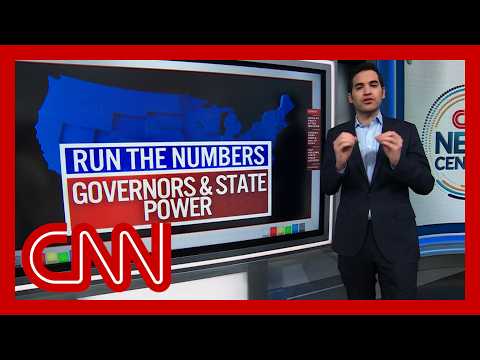
‘Massive problem' for Dems: Enten on governor elections
0
林宜悉 posted on 2026/02/18Ever wondered about the real power behind governor elections? This video dives deep into why these races are a 'massive problem' for Democrats, packed with advanced vocabulary about state legislatures and voter access. You'll pick up key terms and understand the dynamics of U.S. political news like a pro!
Learn this video on the APP!
The VoiceTube App has more in-depth practice for videos!