
as soon as
US /æz sun æz/
UK /æz su:n æz/
- Phrase
- In a short time after (something happens)
- Without any delay; immediately
- Conjunction
- At the moment that, or immediately after.
A1Morebe with
US /bi wɪð/
UK /bi: wið/
- Phrasal Verb
- To accompany someone; to be in someone's presence.
- To support someone's opinion or cause.
A1Morechannel
US /ˈtʃænəl/
UK /'tʃænl/
- Noun (Countable/Uncountable)
- Long hole dug in the ground, e.g. to move water
- TV or radio station or its programs
- Transitive Verb
- To dig a long hole for carrying water
- To send (e.g. money) to a certain place or person
B1Morecharge
US /tʃɑrdʒ/
UK /tʃɑ:dʒ/
- Verb (Transitive/Intransitive)
- To run quickly toward someone to attack them
- To ask for money as a price for a service or goods
- Noun (Countable/Uncountable)
- An attack by running quickly toward someone
- A price for a service or goods
A2Moreclause
US /klɔz/
UK /klɔ:z/
- Noun
- Part of a sentence that has its own verb
- Specific term or demand in a legal agreement
B1Morecome back
US /kʌm bæk/
UK /kʌm bæk/
- Phrasal Verb
- To reply to someone, often forcefully
- To be remembered
A1Morecommonly
US /ˈkɑmənlɪ/
UK /ˈkɒmənli/
- Adverb
- Typically, normally; not unusually
- Widely; by many people.
A2Moreconference
US /ˈkɑnfərəns, -frəns/
UK /ˈkɒnfərəns/
- Noun (Countable/Uncountable)
- Series of lectures held as an event
- An association of US sports teams
- Intransitive Verb
- To hold a discussion; consult.
A2Moreconnotation
US /ˌkɑnəˈteʃən/
UK /ˌkɒnəˈteɪʃn/
- Noun
- Idea associated with another one
C1TOEICMorecontext
US /ˈkɑnˌtɛkst/
UK /ˈkɒntekst/
- Noun (Countable/Uncountable)
- Set of facts surrounding a person or event
- The circumstances that form the setting for an event, statement, or idea, and in terms of which it can be fully understood and assessed.
A2Morecontrast
US /ˈkɑ:ntræst/
UK /'kɒntrɑ:st/
- Verb (Transitive/Intransitive)
- To compare; to show clear, obvious differences
- Noun (Countable/Uncountable)
- Comparison that shows obvious differences
- Difference in light and dark in photos, etc.
A2Morecouple
US /ˈkʌpəl/
UK /'kʌpl/
- Transitive Verb
- To join something to something else
- (Two animals) to engage in sexual relations
- Noun (Countable/Uncountable)
- Two people in a romantic relationship
- Two of something; two people; a pair
A2Morecurious
US /ˈkjʊriəs/
UK /ˈkjʊəriəs/
- Adjective
- Wanting to know more about something
- Attracting interest by being strange or unusual
A2Moredeliver
US /dɪˈlɪvɚ/
UK /dɪ'lɪvə(r)/
- Transitive Verb
- To give birth to a child; help a woman give birth
- To save someone from a problem or crisis
A2TOEICMoreemphasis
US /ˈɛmfəsɪs/
UK /ˈemfəsɪs/
- Uncountable Noun
- Special attention, importance, or force
- Stress placed on part of a word or phrase
A2TOEICMoreemphasize
US /ˈɛmfəˌsaɪz/
UK /'emfəsaɪz/
- Transitive Verb
- To stress the items that are important
B2TOEICMorefor example
US
UK
- Phrase
- As an illustration or instance.
formal
US / ˈfɔrməl/
UK /'fɔ:ml/
- Adjective
- Observing rules and procedures strictly
- Behaving well, politely; wearing your best clothes
A2TOEICMoreget onto
US /ɡɛt ˈɑnˌtu/
UK /ɡet ˈɔntu/
- Phrasal Verb
- To board or mount a vehicle, such as a bus, train, or bicycle.
- To start talking or dealing with a new subject.
A1Moregrammar
US /ˈɡræmɚ/
UK /ˈgræmə(r)/
- Uncountable Noun
- Book describing the syntactic rules of a language
- Rules explaining how words are used in a language
B1Morehave to
US /hæv tu/
UK /ˈhæv tə/
- Auxiliary Verb
- Must do
A1Morein charge
US /ɪn tʃɑrdʒ/
UK /in tʃɑ:dʒ/
- Adverb
- To be responsible for
A1Morein writing
US
UK
- Phrase
- Expressed or presented in written form, rather than spoken.
- Officially recorded in a written document, especially for legal purposes.
A1Moreinfinitive
US /ɪnˈfɪnɪtɪv/
UK /ɪnˈfɪnətɪv/
- Noun
- A verb in its base form, e.g. 'to run'
B2Moreinstead of
US /ɪnˈstɛd ʌv/
UK /inˈsted ɔv/
- Preposition
- When one thing is replaced by another
- Adverb
- As a substitute or alternative.
A1Morekeynote
US /ˈki:noʊt/
UK /ˈki:nəʊt/
- Noun
- Fundamental/central idea, point of a speech, etc.
- Adjective
- Main; central; basic; most important
C2Morekeynote speech
US
UK
- Noun
- A significant speech that sets out the central theme of a conference or meeting.
B1Morelook at
US /lʊk æt/
UK /luk æt/
- Phrasal Verb
- To use your eyes to focus on something
- To focus your eyes on something carefully
A1Moremix up
US /mɪks ʌp/
UK /miks ʌp/
- Phrasal Verb
- To put various things together so they become one
- To cause things to become confused
- Verb (Transitive/Intransitive)
- To confuse (two or more things or people).
- To stir or agitate something.
A1Morepassive
US /ˈpæsɪv/
UK /ˈpæsɪv/
- Adjective
- Allowing things to happen with quiet acceptance
- With sentence's subject being what verb acts on
- Noun
- A person who is passive; one who does not actively participate or resist.
B1Morequiz
US /kwɪz/
UK /kwɪz/
- Noun (Countable/Uncountable)
- A game in which players answer questions on topics
- Brief spoken or written test, given to students
- Transitive Verb
- To ask a person many questions about something
B1Moreregular
US /ˈrɛɡjəlɚ/
UK /ˈregjələ(r)/
- Adjective
- Having an equal amount of space or time in between
- Occurring or being done frequently
- Noun (Countable/Uncountable)
- Customers who frequently visit a place
- Soldier who has a permanent job in the army
A2TOEICMorestatement
US / ˈstetmənt/
UK /ˈsteɪtmənt/
- Noun (Countable/Uncountable)
- Record of activity in a bank account over time
- Act or process of saying something formally
A2TOEICMorestraightforward
US /stretˈfɔrwəd/
UK /ˌstreɪtˈfɔ:wəd/
- Adjective
- Easy to do or understand; not complicated
- Honest and open; not trying to hide anything.
B1TOEICMorestructure
US /ˈstrʌk.tʃɚ/
UK /ˈstrʌk.tʃə/
- Noun (Countable/Uncountable)
- The way in which the parts of a system or object are arranged or organized, or a system arranged in this way
- A building or other man-made object.
- Transitive Verb
- To plan, organize, or arrange the parts of something
A2TOEICMoresubscribe
US /səbˈskraɪb/
UK /səb'skraɪb/
- Verb (Transitive/Intransitive)
- To regularly pay to receive a service
B1TOEICMoresuppose
US /səˈpoʊz/
UK /sə'pəʊz/
- Verb (Transitive/Intransitive)
- To imagine or guess what might happen
- Conjunction
- What if
A2TOEICMoretake over
US /tek ˈovɚ/
UK /teik ˈəuvə/
- Phrasal Verb
- To gain control of (a company) from someone else
- To assume control or possession of something.
A1Moretalking about
US
UK
- Phrasal Verb
- To discuss a particular topic.
- To be constantly mentioning or bringing up a subject.
A1Moretopic
US /ˈtɑpɪk/
UK /'tɒpɪk/
- Noun (Countable/Uncountable)
- Subject or issue people talk or write about
A2TOEICMoreunknown
US /ˌʌnˈnoʊn/
UK /ˌʌnˈnəʊn/
- Adjective
- Not being known or famous
- Being unfamiliar or not known
- Countable Noun
- Person who is not famous or known by many
B1Morewithdraw
US /wɪðˈdrɔ, wɪθ-/
UK /wɪð'drɔ:/
- Verb (Transitive/Intransitive)
- To take money out of a bank account
- To pull back; move away or backward from something
B1TOEICMore
Vocabulary
- in charge: To be responsible for
- have to: Must do
- talking about: To discuss a particular topic.
- keynote speech: A significant speech that sets out the central theme of a conference or meeting.
- look at: To use your eyes to focus on something
- for example: As an illustration or instance.
- instead of: When one thing is replaced by another
- take over: To gain control of (a company) from someone else
- be with: To accompany someone; to be in someone's presence.
- mix up: To put various things together so they become one
- get onto: To board or mount a vehicle, such as a bus, train, or bicycle.
- as soon as: In a short time after (something happens)
- in writing: Expressed or presented in written form, rather than spoken.
- come back: To reply to someone, often forcefully
- subscribe: To regularly pay to receive a service
- context: Set of facts surrounding a person or event
- present: Being in attendance; being there; having turned up
- situation: Place, position or area that something is in
- matter: To be of great importance; to count
- realize: To become aware of or understand mentally
- structure: The way in which the parts of a system or object are arranged or organized, or a system arranged in this way
- general: Widespread, normal or usual
- curious: Wanting to know more about something
- straightforward: Easy to do or understand; not complicated
- express: To send something by fast mail
- sentence: (Of a judge) to decide the punishment of
- suppose: To imagine or guess what might happen
- bit: Device put in a horse's mouth to control it
- statement: Record of activity in a bank account over time
- conference: Series of lectures held as an event
- passive: Allowing things to happen with quiet acceptance
- regular: Having an equal amount of space or time in between
- contrast: To compare; to show clear, obvious differences
- explain: To make clear or easy to understand by describing
- grammar: Book describing the syntactic rules of a language
- emphasize: To stress the items that are important
- charge: To run quickly toward someone to attack them
- deliver: To give birth to a child; help a woman give birth
- couple: To join something to something else
- emphasis: Special attention, importance, or force
- topic: Subject or issue people talk or write about
- quiz: A game in which players answer questions on topics
- mind: To be bothered or upset by something
- formal: Observing rules and procedures strictly
- suggest: To mention something that could be done; propose
- stage: To organize an event to gain public interest
- withdraw: To take money out of a bank account
- notice: To become aware by sight, touch, or hearing
- moment: Very short or brief period of time
- commonly: Typically, normally; not unusually
- lot: What happens to a person in life from chance; fate
- channel: Long hole dug in the ground, e.g. to move water
- clause: Part of a sentence that has its own verb
- connotation: Idea associated with another one
- infinitive: A verb in its base form, e.g. 'to run'
- unknown: Not being known or famous
- keynote: Fundamental/central idea, point of a speech, etc.
Get the full experience in the app
Learn anywhere with detailed sentence and usage analysis
01:03
She took a brave step forward, leaving behind her comfort zone to chase her dreams.
Vocabulary
- brave
adj. Having courage
- comfort zone
phr. A familiar situation where one feels safe
Explanation
a brave step is a noun phrase, where brave is an adjective modifying the noun step, meaning "a courageous step".
forward is an adverb modifying step, meaning "ahead".
The whole phrase serves as the object, answering the "what" of took (verb) — she took a brave step forward.
Get the full experience in the app
Look up words anytime with pronunciation, part of speech, and usage
brave
US/brev/
UK/breɪv/
adj.Brave
v.t.To bravely face
A2 Elementary
Get the full experience in the app
Practice speaking anytime and get instant pronunciation feedback
Try this speaking exercise.
Try practicing with this sentence.
80
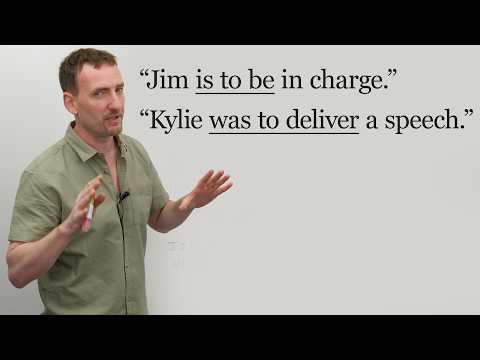
Advanced English: “She is to be...”, “He was to go...”
0
林宜悉 posted on 2026/02/16Ever wondered about those tricky "be to infinitive" structures like 'She is to be...' or 'He was to go...'? This video breaks down how to use them for future arrangements and even formal commands, giving you a boost in your English grammar and workplace vocabulary!
Learn this video on the APP!
The VoiceTube App has more in-depth practice for videos!