
accent
US /ˈækˌsɛnt/
UK /'æksent/
- Transitive Verb
- To give emphasis to (a point you are making)
- Noun
- Feature of a design, e.g. a stripe on a shirt
- Correct spoken emphasis on a part of a word
A2Moreaffect
US /əˈfɛkt/
UK /ə'fekt/
- Transitive Verb
- To cause a change in something else
- To pretend to have or feel (something).
- Noun
- (Psychology) Emotion or feeling.
A2TOEICMoreanswer to
US
UK
- Phrasal Verb
- To be responsible to someone and have to explain your actions to them.
- To correspond to or match a description or requirement.
A1Moreas long as
US /æz lɔŋ æz/
UK /æz lɔŋ æz/
- Conjunction
- For the period that; provided that.
- For the length of time that
- Preposition
- On the condition that; providing that.
- Having the same length as.
A1Moreas opposed to
US
UK
- Preposition
- In contrast to; rather than.
- Instead of; in place of.
A1Moreat the same time
US
UK
- Phrase
- Simultaneously; at the identical moment.
- Nevertheless; however; used to introduce a contrasting or qualifying statement.
A1Moreblockade
US /blɑ:ˈkeɪd/
UK /blɒˈkeɪd/
- Transitive Verb
- To block or impede the movement of people, objects
- Noun
- Arrangement that blocks or impedes movement
B2Morebreak it down
US
UK
- Phrasal Verb
- To simplify something complex into smaller, more manageable parts.
- To explain something in a detailed and understandable way.
A2Morebreak out
US /brek aʊt/
UK /breik aut/
- Phrasal Verb
- To isolate some information from other data
A1Morecivil
US /ˈsɪvəl/
UK /ˈsɪvl/
- Adjective
- Of citizens of a country; not military, criminal
- Acting in a polite, but not truly friendly manner
B1Moreclarity
US /ˈklærɪti/
UK /'klærətɪ/
- Uncountable Noun
- Being easy to be seen through, heard or understood
- The quality of an image being sharp and clear
B1Morecommunist
US /ˈkɑmjənɪst/
UK /ˈkɒmjənɪst/
- Adjective
- Believer in communism
- Noun
- A person who supports or believes in communism.
B1Morecompete in
US
UK
- Phrasal Verb
- To take part in a contest or competition.
B1Moreconflict
US /ˈkɑnˌflɪkt/
UK /'kɒnflɪkt/
- Noun (Countable/Uncountable)
- Argument or struggle between two or more parties
- A serious disagreement or argument.
- Verb (Transitive/Intransitive)
- To have opposite ideas; to disagree; To not match
A2Moredig into
US
UK
- Phrasal Verb
- To start eating food enthusiastically.
- To investigate or research something thoroughly.
B1Morediplomatic
US /ˌdɪpləˈmætɪk/
UK /ˌdɪpləˈmætɪk/
- Adjective
- Concerning formal relationships between countries
- Not being offensive
B1Moredivide
US /dɪˈvaɪd/
UK /dɪ'vaɪd/
- Verb (Transitive/Intransitive)
- To split numbers by another number, e.g. 6 / 2 = 3
- To separate something into equal pieces
- Noun
- A separation or distinction.
A2TOEICMoredrag
US /dræɡ/
UK /dræɡ/
- Transitive Verb
- To reluctantly move or go somewhere
- To pull something heavy or difficult along the ground
- Noun (Countable/Uncountable)
- Force of air pushing back against a plane car etc.
- Boring or annoying thing/activity
A2Morefake
US /fek/
UK /feɪk/
- Adjective
- Not real; made to look like something real
- Countable Noun
- A copy of something made to trick people
B1Morefor example
US
UK
- Phrase
- As an illustration or instance.
for now
US /fɔr naʊ/
UK /fɔ: nau/
- Phrase
- Temporarily; for the present time.
- In the short term; for the immediate future.
A1Morefor sure
US /fɔr ʃʊr/
UK /fɔ: ʃuə/
- Adverb
- Definitely; certainly; without a doubt.
- Used to emphasize a statement.
- Interjection
- An expression of strong agreement or affirmation.
A2Morefor the sake of
US /fɔr ði sek ʌv/
UK /fɔ: ðə seik ɔv/
- Phrase
- For the purpose of; in the interest of.
A1Moregenerational
US /ˌdʒenəˈreɪʃənl/
UK /ˌdʒenəˈreɪʃənl/
- Adjective
- Concerning people born at about the same time
B1Moreget back to
US /ɡɛt bæk tu/
UK /ɡet bæk tu:/
- Phrasal Verb
- To get in contact with someone again
- To return to someone or something; to respond at a later time.
A1Morego back to
US /ɡo bæk tu/
UK /ɡəu bæk tu:/
- Phrasal Verb
- To return to a starting point
A1Moregoing on
US /ˈɡoɪŋ ɑn/
UK /ˈgəʊɪŋ ɔn/
- Phrasal Verb
- To continue doing something
- To happen (usually negative)
A1Moregovern
US /ˈgʌvərn/
UK /ˈgʌvn/
- Transitive Verb
- To officially control land and make policies
- To control the actions or behaviour of someone
B1Morehang out
US /hæŋ aʊt/
UK /hæŋ aut/
- Phrasal Verb
- To spend time with your friends
- To spend times with friends or relax doing nothing
A2Morehave to
US /hæv tu/
UK /ˈhæv tə/
- Auxiliary Verb
- Must do
A1Morehuge
US /hjudʒ/
UK /hju:dʒ/
- Adjective
- Very very large
A2Morein general
US /ɪn ˈdʒɛnərəl/
UK /in ˈdʒenərəl/
- Phrase
- Typically; usually; on the whole.
- Not specific or detailed; broadly.
- Adjective
- Not detailed or specific; overall.
C2Morein order to
US /ɪn ˈɔrdɚ tu/
UK /in ˈɔ:də tu:/
- Preposition
- For the purpose of; with the aim of.
- Phrase
- In a specific sequence or arrangement.
- With the aim of; for the purpose of.
C1Morein terms of
US
UK
- Phrase
- With regard to; concerning a particular aspect.
A1Morein the world
US /ɪn ði wɜrld/
UK /in ðə wɜː(r)ld/
- Phrase
- Used to emphasize a question expressing surprise, confusion, disbelief
- Used to indicate the extent or degree of something, often in a superlative sense
A1Moreindependent
US /ˌɪndɪˈpɛndənt/
UK /ˌɪndɪˈpendənt/
- Adjective
- Making your own decisions; acting by yourself
- Not connected with or influenced by something else.
- Noun
- A person not connected to a political party
- Someone who is independent, especially in politics or business.
A2TOEICMoreinstead of
US /ɪnˈstɛd ʌv/
UK /inˈsted ɔv/
- Preposition
- When one thing is replaced by another
- Adverb
- As a substitute or alternative.
A1Moreinvade
US /ɪnˈved/
UK /ɪnˈveɪd/
- Transitive Verb
- To enter something causing a harmful result
- To enter (a country or region) so as to subjugate or occupy it.
B1Moreinvasion
US /ɪnˈveʒən/
UK /ɪnˈveɪʒn/
- Uncountable Noun
- Entry into a place to cause harm
- An unwelcome intrusion into another's domain.
B1Moreissue
US /ˈɪʃu/
UK /'ɪʃu:/
- Transitive Verb
- To make something available to be used or sold
- To deliver a statement, etc. in an official manner
- Noun (Countable/Uncountable)
- Important topic discussed, debated or argued over
- Single edition of a magazine
A2TOEICMoremajor
US /ˈmedʒɚ/
UK /'meɪdʒə(r)/
- Countable Noun
- High-ranking officer in the army
- Main subject you study at university
- Adjective
- Main league; esp. referring to American baseball
- Important, serious, or large in scope, size
A2TOEICMoremilitary
US /ˈmɪlɪˌtɛri/
UK /'mɪlətrɪ/
- Noun
- Army or armed forces
- Adjective
- Concerning the army or navy
B1Morenationalist
US /ˈnæʃɵnəlɪst/
UK /ˈnæʃnəlɪst/
- Noun
- Person who strongly loves their country
B1Moreof course
US /ʌv kɔː(r)s/
UK /ɔv kɔː(r)s/
- Adverb
- Sure ; Certainly
- Phrase
- For sure; certainly
A2Moreof the century
US /ʌv ðə ˈsɛnʧəri/
UK /əv ðə ˈsenʧəri/
- other
- The most notable or important in a hundred-year period.
B2Moreoff the table
US
UK
- Phrase
- No longer being considered or discussed.
- Removed from the table.
A1Moreout there
US /aʊt ðɛr/
UK /aut ðɛə/
- Adverb
- In or to a place that is far away
- Existing in the universe
- Adjective
- Unconventional; strange; avant-garde
- Existing or available.
A1Morepoint out
US /pɔɪnt aʊt/
UK /pɔint aut/
- Phrasal Verb
- To make others aware of an idea
- To draw attention to something or someone
A1Morepolitic
US /ˈpɑlɪtɪk/
UK /ˈpɒlətɪk/
- Adjective
- Careful what you say; diplomatic
B2Moreprinciple
US /ˈprɪnsəpəl/
UK /ˈprɪnsəpl/
- Noun (Countable/Uncountable)
- Moral rule or belief governing a person's behavior
- Natural law that explains how things work
A2TOEICMorerecognize
US /ˈrek.əɡ.naɪz/
UK /ˈrek.əɡ.naɪz/
- Transitive Verb
- To accept the truth or reality of something
- To consider something as important or special
A2TOEICMorerelationship
US /rɪˈleʃənˌʃɪp/
UK /rɪˈleɪʃnʃɪp/
- Noun (Countable/Uncountable)
- Connection between two or more people or things
- Way people interact or live with each other
A2TOEICMoreretain
US /rɪˈten/
UK /rɪ'teɪn/
- Transitive Verb
- To continue to have or use; keep the quality of
- To keep one thing inside another for a time
A2Moresame time
US
UK
- Phrase
- Occurring simultaneously or at the same point in time.
- At the identical time as before; recurring at a fixed hour.
- Noun
- An equal duration or period.
A1Moresemiconductor
US /sɛmikənˈdʌktɚ/
UK /ˌsemikənˈdʌktə(r)/
- Noun
- Silicon chip used in computers
B1Moreset up
US /sɛt ʌp/
UK /set ʌp/
- Phrasal Verb
- To make arrangements for something; establish
- Verb (Transitive/Intransitive)
- To arrange or prepare something for use.
- To start a business, organization, etc.
A1Moreshow up
US /ʃo ʌp/
UK /ʃəu ʌp/
- Phrasal Verb
- To arrive or be seen at a place, e.g. a party
- To be noticeably better than (someone else)
A1Moreside against
US /saɪd əˈgɛnst/
UK /saɪd əˈgenst/
- other
- To support one party in opposition to another.
B2Morespeak to
US /spik tu/
UK /spi:k tu:/
- Verb (Transitive/Intransitive)
- To address or communicate with someone.
- To indicate or suggest something; to be relevant to.
A1Morestatus
US /ˈstetəs, ˈstætəs/
UK /'steɪtəs/
- Uncountable Noun
- Position or rank relative to others in a society
- Legal position of a person or thing
A2TOEICMorestay away
US /ste əˈwe/
UK /stei əˈwei/
- Phrasal Verb
- To keep a distance from something or someone; to avoid approaching.
- To remain absent from a place or event.
C2Morestrait
US /stret/
UK /streɪt/
- Noun
- Channel joining large bodies of water
C2Moresubscribe
US /səbˈskraɪb/
UK /səb'skraɪb/
- Verb (Transitive/Intransitive)
- To regularly pay to receive a service
B1TOEICMoretalking about
US
UK
- Phrasal Verb
- To discuss a particular topic.
- To be constantly mentioning or bringing up a subject.
A1Moreterritory
US /ˈtɛrɪˌtɔri, -ˌtori/
UK /'terətrɪ/
- Noun (Countable/Uncountable)
- Area of land defended by an animal
- Area of particular knowledge or experience
B1TOEICMorethink about
US /θɪŋk əˈbaʊt/
UK /θiŋk əˈbaut/
- Phrasal Verb
- To consider something carefully.
- To remember or call to mind.
A1Moretrade
US /treid/
UK /treɪd/
- Noun (Countable/Uncountable)
- A specific industry, e.g. shoe making
- Action of buying and selling things in business
- Transitive Verb
- To buy, sell and exchange goods in business
- To give something in return for something else
A2TOEICMoreunification
US /ˌju:nɪfɪ'keɪʃn/
UK /ˌju:nɪfɪ'keɪʃn/
- Uncountable Noun
- The state of being joined or united or linked
C2Morewith it
US /wɪð ɪt/
UK /wið it/
- Adjective
- Intelligent, alert, and up-to-date.
- Understanding and knowledgeable about current trends or information.
A1More
Vocabulary
- for example: As an illustration or instance.
- at the same time: Simultaneously; at the identical moment.
- same time: Occurring simultaneously or at the same point in time.
- talking about: To discuss a particular topic.
- going on: To continue doing something
- break out
- in the world: Used to emphasize a question expressing surprise, confusion, disbelief
- break it down: To simplify something complex into smaller, more manageable parts.
- in general: Typically; usually; on the whole.
- have to: Must do
- instead of: When one thing is replaced by another
- of course: Sure ; Certainly
- of the century: The most notable or important in a hundred-year period.
- side against: To support one party in opposition to another.
- set up
- point out: To make others aware of an idea
- for the sake of: For the purpose of; in the interest of.
- answer to: To be responsible to someone and have to explain your actions to them.
- for now: Temporarily; for the present time.
- think about: To consider something carefully.
- for sure: Definitely; certainly; without a doubt.
- stay away: To keep a distance from something or someone; to avoid approaching.
- as long as: For the period that; provided that.
- hang out: To spend time with your friends
- off the table: No longer being considered or discussed.
- speak to: To address or communicate with someone.
- as opposed to: In contrast to; rather than.
- get back to: To get in contact with someone again
- compete in: To take part in a contest or competition.
- show up: To arrive or be seen at a place, e.g. a party
- dig into: To start eating food enthusiastically.
- go back to: To return to a starting point
- with it: Intelligent, alert, and up-to-date.
- in order to: For the purpose of; with the aim of.
- in terms of
- out there: In or to a place that is far away
- subscribe: To regularly pay to receive a service
- sort: To organize things by putting them into groups
- recognize: To accept the truth or reality of something
- accent: To give emphasis to (a point you are making)
- conflict: Argument or struggle between two or more parties
- force: Group of persons trained for military action; army
- general: Widespread, normal or usual
- territory: Area of land defended by an animal
- relationship: Connection between two or more people or things
- divide: To split numbers by another number, e.g. 6 / 2 = 3
- status: Position or rank relative to others in a society
- military: Army or armed forces
- affect: To cause a change in something else
- issue: To make something available to be used or sold
- series: Set of stories or articles on a particular subject
- huge: Very very large
- principle: Moral rule or belief governing a person's behavior
- retain: To continue to have or use; keep the quality of
- independent: Making your own decisions; acting by yourself
- drag: To reluctantly move or go somewhere
- clarity: Being easy to be seen through, heard or understood
- break: To create a new record e.g. running the 100m dash
- communist: Believer in communism
- trade: A specific industry, e.g. shoe making
- economy: Using money, resources in a careful, effective way
- major: High-ranking officer in the army
- produce: Fresh foods such as fruits and vegetables
- diplomatic: Concerning formal relationships between countries
- civil: Of citizens of a country; not military, criminal
- invasion: Entry into a place to cause harm
- fake: Not real; made to look like something real
- lot: What happens to a person in life from chance; fate
- important: Having power or authority
- kind: In a caring and helpful manner
- invade: To enter something causing a harmful result
- government: Group of people and system that rule a nation
- question: To ask for or try to get information
- grow: To get bigger and more mature; make plants do this
- strait: Channel joining large bodies of water
- nation: Area or region controlled by a government and army
- part: Division of a book
- govern: To officially control land and make policies
- politic: Careful what you say; diplomatic
- semiconductor: Silicon chip used in computers
- blockade: To block or impede the movement of people, objects
- unification: The state of being joined or united or linked
- nationalist: Person who strongly loves their country
- generational: Concerning people born at about the same time
Get the full experience in the app
Learn anywhere with detailed sentence and usage analysis
01:03
She took a brave step forward, leaving behind her comfort zone to chase her dreams.
Vocabulary
- brave
adj. Having courage
- comfort zone
phr. A familiar situation where one feels safe
Explanation
a brave step is a noun phrase, where brave is an adjective modifying the noun step, meaning "a courageous step".
forward is an adverb modifying step, meaning "ahead".
The whole phrase serves as the object, answering the "what" of took (verb) — she took a brave step forward.
Get the full experience in the app
Look up words anytime with pronunciation, part of speech, and usage
brave
US/brev/
UK/breɪv/
adj.Brave
v.t.To bravely face
A2 Elementary
Get the full experience in the app
Practice speaking anytime and get instant pronunciation feedback
Try this speaking exercise.
Try practicing with this sentence.
80
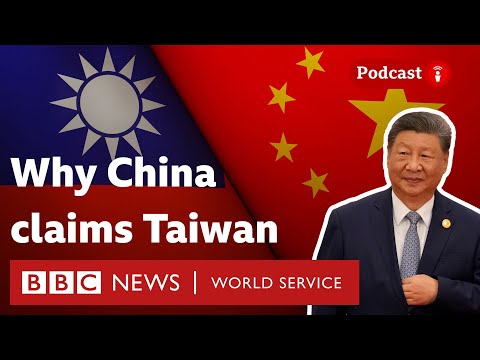
Could China actually invade Taiwan? - What in the World podcast, BBC World Service
0
妮娜 posted on 2026/02/12Ever wondered if China might invade Taiwan? This BBC World Service podcast dives deep into the geopolitics, exploring the semiconductor supply chain and the tensions in the Taiwan Strait. You'll pick up advanced vocabulary related to international relations and gain a richer understanding of this critical global issue!
Learn this video on the APP!
The VoiceTube App has more in-depth practice for videos!