Vocabulary

  • except for: Not including; excluding.
  • almost all of: Nearly the entire quantity or number of something.
  • in order to: For the purpose of; with the aim of.
  • to do with: To be about something; concern
  • do in: To make completely tired out and exhausted
  • as well as: Also; in addition to
  • in the meantime: During the time between two events; meanwhile.
  • for example: As an illustration or instance.
  • have to: Must do
  • sift through: To examine something very carefully in order to find something important or useful.
  • in places: In some locations but not others
  • other than: Except for; apart from.
  • pay off: To give money to get person to do something; bribe
  • round up: To bring together; gather; collect
  • search for: To try to find someone or something.
  • medical research: Scientific investigation to improve medical knowledge and treatments.
  • constantly: Frequently, or without pause
  • potential: Capable of happening or becoming reality
  • approach: To get close to reaching something or somewhere
  • process: To organize and use data in a computer
  • figure: To appear in a game, play or event
  • thrive: To be or become healthy or successful
  • potentially: That could happen or become reality
  • completely: In every way or as much as possible
  • evolve: To develop certain features
  • necessarily: In a way that is needed/required/is unavoidable
  • develop: To explain something in steps and in detail
  • exact: Completely correct; accurate; specific
  • fancy: To want to have or do something; feel like
  • identify: To indicate who or what someone or something is
  • bacteria: The very small creatures that can cause disease
  • capable: Being able to do something very well; proficient
  • research: To study in order to discover new ideas and facts
  • protein: Group of molecules made from amino acids
  • awareness: Having knowledge of something
  • simply: In an easy or clear manner
  • require: To demand that someone does something
  • observe: To celebrate a particular holiday/religious event
  • scientific: Concerning academic study of the physical world
  • breed: Kind of / sort of
  • resistance: Force that stops or slows movement of something
  • switch: A change or shift from one method to another
  • project: To predict what will happen in the future
  • shape: The outer form of something, what it looks like
  • produce: Fresh foods such as fruits and vegetables
  • soil: Conditions in which something develops
  • leave: To go away from; depart
  • drought: Long period of dry weather
  • notoriously: So as to be well-known for being something bad
  • haven: Place where people can feel safe and happy
  • lot: What happens to a person in life from chance; fate
  • single: One run in cricket or a hit baseball
  • opt: To choose one thing rather than other choices
  • order: Religious or social group, as of nuns
  • learn: To get knowledge or skills by study or experience
  • sift: To look through and remove less valuable things
  • multiply: To increase in number by reproducing/having babies
  • bring: To take or go with someone to a place
  • natural: Being as one would expect; being usual or normal
  • prescribe: (Of doctors) to say what medicine should be taken
  • reproduce: To make a copy of something
  • antibiotic: (Drug) used to fight certain kinds of diseases
  • confine: To hold or imprison someone in a place
  • molecular: About or caused by molecules
  • captivity: State of being held against your will (in prison)
  • synthesize: To combine different things into a new form
  • lab: Short for 'laboratory'
  • microbial: Concerning, involving or caused by being microbes
  • snapshot: A photograph, especially an informal one
  • unknown: Not being known or famous
  • dna: Chemical in living cells with genetic information
Placeholder Image

Preparing usage notes, please check back later

  • not found vocabularyNo vocabulary matches your filters
    • almost all of

      US

      UK

      • Determiner
      • Nearly the entire quantity or number of something.
      • Pronoun
      • Nearly every person in a group.
      A1
      More
    • antibiotic

      US /ˌæntibaɪˈɑ:tɪk/

      UK /ˌæntibaɪˈɒtɪk/

      • Adjective
      • (Drug) used to fight certain kinds of diseases
      • Noun
      • Medicine that kills bacteria to fight infections
      B1
      More
    • approach

      US /əˈprəʊtʃ/

      UK /ə'prəʊtʃ/

      • Verb (Transitive/Intransitive)
      • To get close to reaching something or somewhere
      • To request someone to do something specific
      • Noun (Countable/Uncountable)
      • Means of reaching a place, often a road or path
      • Request of someone with a specific goal in mind
      A2TOEIC
      More
    • as well as

      US /æz wɛl æz/

      UK /æz wel æz/

      • Adverb
      • Also; in addition to
      • Preposition
      • In addition to; and also.
      A1
      More
    • awareness

      US /əˈwɛrnɪs/

      UK /əˈweənəs/

      • Uncountable Noun
      • Having knowledge of something
      A2TOEIC
      More
    • bacteria

      US /bækˈtɪriə/

      UK /bæk'tɪərɪə/

      • Noun (plural)
      • The very small creatures that can cause disease
      B2
      More
    • breed

      US /brid/

      UK /bri:d/

      • Noun
      • Kind of / sort of
      • Particular kind of animal, e.g. a Labrador dog
      • Verb (Transitive/Intransitive)
      • To create situations for a (bad) thing to happen
      • To produce baby animals of specific kinds
      A2
      More
    • capable

      US /ˈkepəbəl/

      UK /'keɪpəbl/

      • Adjective
      • Being able to do something very well; proficient
      • Having the ability, fitness, or quality necessary to do or achieve a specified thing.
      A2
      More
    • captivity

      US /kæpˈtɪvɪti/

      UK /kæp'tɪvətɪ/

      • Uncountable Noun
      • State of being held against your will (in prison)
      B1
      More
    • confine

      US /kənˈfaɪn/

      UK /kənˈfaɪn/

      • Transitive Verb
      • To hold or imprison someone in a place
      • Limit to your movements or behavior s
      B1
      More
    • constantly

      US /ˈkɑnstəntlɪ/

      UK /ˈkɒnstəntli/

      • Adverb
      • Frequently, or without pause
      • In a way that is unchanging or faithful
      B1
      More
    • dna

      US

      UK

      • Noun (Countable/Uncountable)
      • Chemical in living cells with genetic information
      B2
      More
    • do in

      US

      UK

      • Phrasal Verb
      • To make completely tired out and exhausted
      • To destroy or cause damage to someone
      A1
      More
    • drought

      US /draʊt/

      UK /draʊt/

      • Noun (Countable/Uncountable)
      • Long period of dry weather
      • A prolonged absence or shortage of something specified.
      B1
      More
    • evolve

      US /ɪˈvɑlv/

      UK /ɪ'vɒlv/

      • Verb (Transitive/Intransitive)
      • To develop certain features
      • To develop or change slowly over time
      B1
      More
    • exact

      US /ɪɡˈzækt/

      UK /ɪɡ'zækt/

      • Adjective
      • Completely correct; accurate; specific
      • Transitive Verb
      • To get something, sometimes using force
      A2TOEIC
      More
    • except for

      US /ɪkˈsɛpt fɔr/

      UK /ikˈsept fɔ:/

      • Preposition
      • Not including; excluding.
      More
    • fancy

      US /ˈfænsi/

      UK /'fænsɪ/

      • Verb (Transitive/Intransitive)
      • To want to have or do something; feel like
      • To imagine or suppose that something will happen
      • Adjective
      • Unusual and attractive in design
      A2TOEIC
      More
    • for example

      US

      UK

      • Phrase
      • As an illustration or instance.
      More
    • have to

      US /hæv tu/

      UK /ˈhæv tə/

      • Auxiliary Verb
      • Must do
      A1
      More
    • identify

      US /aɪˈdɛntəˌfaɪ/

      UK /aɪ'dentɪfaɪ/

      • Transitive Verb
      • To indicate who or what someone or something is
      • To say exactly what something is
      B1TOEIC
      More
    • in order to

      US /ɪn ˈɔrdɚ tu/

      UK /in ˈɔ:də tu:/

      • Preposition
      • For the purpose of; with the aim of.
      • Phrase
      • In a specific sequence or arrangement.
      • With the aim of; for the purpose of.
      C1
      More
    • in places

      US

      UK

      • Phrase
      • In some locations but not others
      A1
      More
    • in the meantime

      US /ɪn ði ˈminˌtaɪm/

      UK /in ðə ˈmi:ntaim/

      • Phrase
      • During the time between two events; meanwhile.
      A1
      More
    • lab

      US /læb/

      UK /læb/

      • Noun (Countable/Uncountable)
      • Short for 'laboratory'
      B1
      More
    • medical research

      US

      UK

      • Uncountable Noun
      • Scientific investigation to improve medical knowledge and treatments.
      B2
      More
    • microbial

      US /maɪ'kroʊbɪrl/

      UK /maɪ'krəʊbɪəl/

      • Adjective
      • Concerning, involving or caused by being microbes
      C1
      More
    • molecular

      US /məˈlɛkjəlɚ/

      UK /mə'lekjələ(r)/

      • Adjective
      • About or caused by molecules
      B2
      More
    • multiply

      US /ˈmʌltəˌplaɪ/

      UK /ˈmʌltɪplaɪ/

      • Verb (Transitive/Intransitive)
      • To increase in number by reproducing/having babies
      • To increase something by a large quantity
      B1
      More
    • necessarily

      US /ˌnɛsɪˈsɛrəli, -ˈsɛr-/

      UK /ˌnesəˈserəli/

      • Adverb
      • In a way that is needed/required/is unavoidable
      A2TOEIC
      More
    • notoriously

      US /noˈtɔrɪəslɪ/

      UK /nəʊ'tɔ:rɪəslɪ/

      • Adverb
      • So as to be well-known for being something bad
      B2
      More
    • observe

      US /əbˈzɜ:rv/

      UK /əbˈzɜ:v/

      • Verb (Transitive/Intransitive)
      • To celebrate a particular holiday/religious event
      • To obey or follow laws, rules, or customs
      A2TOEIC
      More
    • opt

      US /ɑ:pt/

      UK /ɒpt/

      • Intransitive Verb
      • To choose one thing rather than other choices
      B1
      More
    • other than

      US

      UK

      • Preposition
      • Except for; apart from.
      • Conjunction
      • Different from.
      A1
      More
    • pay off

      US /pe ɔf/

      UK /pei ɔf/

      • Phrasal Verb
      • To give money to get person to do something; bribe
      • To give money to settle a debt
      • Transitive Verb
      • To bribe someone.
      • To pay a debt in full.
      A1
      More
    • potential

      US /pəˈtɛnʃəl/

      UK /pəˈtenʃl/

      • Adjective
      • Capable of happening or becoming reality
      • Having or showing the capacity to develop into something in the future.
      • Uncountable Noun
      • someone's or something's ability to develop, achieve, or succeed
      A2TOEIC
      More
    • potentially

      US /pəˈtɛnʃəlɪ/

      UK /pə'tenʃəlɪ/

      • Adverb
      • That could happen or become reality
      B1
      More
    • prescribe

      US /prɪˈskraɪb/

      UK /prɪ'skraɪb/

      • Transitive Verb
      • (Of doctors) to say what medicine should be taken
      • To set down rules or guidelines
      B2
      More
    • process

      US /ˈprɑsˌɛs, ˈproˌsɛs/

      UK /prə'ses/

      • Transitive Verb
      • To organize and use data in a computer
      • To deal with official forms in the way required
      • Noun (Countable/Uncountable)
      • Dealing with official forms in the way required
      • Set of changes that occur slowly and naturally
      A2TOEIC
      More
    • protein

      US /ˈprəʊˌtiːn/

      UK /ˈprəʊti:n/

      • Noun (Countable/Uncountable)
      • Group of molecules made from amino acids
      B1
      More
    • reproduce

      US /ˌriprəˈdus, -ˈdjus/

      UK /ˌri:prə'dju:s/

      • Verb (Transitive/Intransitive)
      • To make a copy of something
      • To have children/young; grow roots/new plants
      B1
      More
    • require

      US /rɪˈkwaɪr/

      UK /rɪ'kwaɪə(r)/

      • Transitive Verb
      • To demand that someone does something
      • To need to do something, to make it necessary
      A2TOEIC
      More
    • research

      US /rɪˈsɚtʃ, ˈriˌsɚtʃ/

      UK /rɪ'sɜ:tʃ/

      • Verb (Transitive/Intransitive)
      • To study in order to discover new ideas and facts
      • To study the market relating to marketing products and services.
      • Noun (Countable/Uncountable)
      • Study done to discover new ideas and facts
      • A particular area or topic of study.
      A2TOEIC
      More
    • resistance

      US /rɪˈzɪstəns/

      UK /rɪ'zɪstəns/

      • Noun (Countable/Uncountable)
      • Force that stops or slows movement of something
      • Refusal to accept something new or different
      A2TOEIC
      More
    • round up

      US /raʊnd ʌp/

      UK /raund ʌp/

      • Phrasal Verb
      • To bring together; gather; collect
      • Transitive Verb
      • To gather together; to collect or assemble.
      • To increase a number to the next highest whole number.
      A1
      More
    • scientific

      US /ˌsaɪənˈtɪfɪk/

      UK /ˌsaɪənˈtɪfɪk/

      • Adjective
      • Concerning academic study of the physical world
      • Systematic and precise, following a methodology.
      • Noun
      • Relating to or used in science.
      A2
      More
    • search for

      US /sɚtʃ fɔr/

      UK /sə:tʃ fɔ:/

      • Phrasal Verb
      • To try to find someone or something.
      B1
      More
    • sift

      US /sɪft/

      UK /sɪft/

      • Verb (Transitive/Intransitive)
      • To look through and remove less valuable things
      • To remove lumps from/add air to flour with a sieve
      B2
      More
    • sift through

      US

      UK

      • Phrasal Verb
      • To examine something very carefully in order to find something important or useful.
      A2
      More
    • snapshot

      US /ˈsnæpʃɑ:t/

      UK /ˈsnæpʃɒt/

      • Countable Noun
      • A photograph, especially an informal one
      B2
      More
    • soil

      US /sɔɪl/

      UK /sɔɪl/

      • Uncountable Noun
      • Conditions in which something develops
      • Mix of natural material in which plants grow
      • Transitive Verb
      • To get or become dirty
      B1
      More
    • switch

      US /swɪtʃ/

      UK /swɪtʃ/

      • Noun
      • A change or shift from one method to another
      • Thing you move to turn electrical items on or off
      • Transitive Verb
      • To exchange or replace something for another thing
      A2TOEIC
      More
    • synthesize

      US /ˈsɪnθɪˌsaɪz/

      UK /'sɪnθəsaɪz/

      • Transitive Verb
      • To combine different things into a new form
      • To combine different things into a new form
      B2
      More
    • thrive

      US /θraɪv/

      UK /θraɪv/

      • Intransitive Verb
      • To be or become healthy or successful
      • To grow or develop well; to flourish.
      B2TOEIC
      More
    • to do with

      US

      UK

      • Phrasal Verb
      • To be about something; concern
      A1
      More
    • unknown

      US /ˌʌnˈnoʊn/

      UK /ˌʌnˈnəʊn/

      • Adjective
      • Not being known or famous
      • Being unfamiliar or not known
      • Countable Noun
      • Person who is not famous or known by many
      B1
      More
    Video not in English?
    Video not in English?

    Get the full experience in the app

    Learn anywhere with detailed sentence and usage analysis

    preview
    01:03

    She took a brave step forward, leaving behind her comfort zone to chase her dreams.

    Vocabulary
    • brave

      adj. Having courage

    • comfort zone

      phr. A familiar situation where one feels safe

    Explanation
    a brave step is a noun phrase, where brave is an adjective modifying the noun step, meaning "a courageous step". forward is an adverb modifying step, meaning "ahead". The whole phrase serves as the object, answering the "what" of took (verb) — she took a brave step forward.

    Get the full experience in the app

    Look up words anytime with pronunciation, part of speech, and usage

    preview

    brave

    US/brev/
    UK/breɪv/
    adj.Brave
    v.t.To bravely face
    A2 Elementary

    Get the full experience in the app

    Practice speaking anytime and get instant pronunciation feedback

    preview

    Try this speaking exercise.

    Try practicing with this sentence.

    80
    B1US
    #antibiotic#petri#bacteria#chemical#breeding#captivity

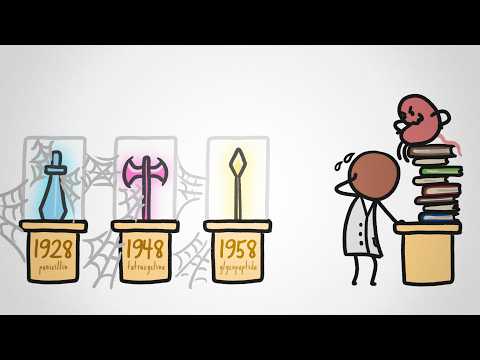
    40 Years Without A New Antibiotic. Why?

    0
    Minjane posted on 2026/02/07
    Did you know we haven't discovered a new antibiotic in almost 100 years? This fascinating MinuteEarth video dives into why that is and explores exciting new methods like metagenomics and molecular lassos that are helping us find them again! You'll pick up some advanced vocabulary related to microbiology and public health along the way.

    Learn this video on the APP!

    The VoiceTube App has more in-depth practice for videos!

    Recommended Videos

    Auto Next Video

    Footer

    Download on the App StoreGet it on Google Play

    About

    • About Us
    • Our Learning Services
    • Join Us
    • FAQ
    • Hot Tags

    Services

    • Pronunciation Challenge
    • Saved
    • Search Vocabulary
    • Blog

    Channels

    Levels

    • A1
    • A2
    • B1
    • B2
    • C1
    • C2

    Privacy˙Terms˙
    ©2026 VoiceTube Corporation. All rights reserved