
be with
US /bi wɪð/
UK /bi: wið/
- Phrasal Verb
- To accompany someone; to be in someone's presence.
- To support someone's opinion or cause.
A1Moreblack and white
US /blæk ənd hwaɪt/
UK /blæk ænd hwait/
- Phrase
- Adjective
- Showing images only in black, grey, and white, not in colour.
A1Moreblunt
US /blʌnt/
UK /blʌnt/
- Adjective
- Without a sharp edge or point
- Speaking directly; without trying to be polite or kind
- Transitive Verb
- To make dull or lessen the sharpness of something
B1Morebrutal
US /ˈbrutl/
UK /'bru:tl/
- Adjective
- Extremely violent or mean
B1Morecane
US /ken/
UK /keɪn/
- Transitive Verb
- To beat someone with a stick as punishment
- Noun (Countable/Uncountable)
- Stick used to beat someone as punishment
- Long, woody plant stem producing sugar
B2Morecombination
US /ˌkɑmbəˈneʃən/
UK /ˌkɒmbɪ'neɪʃn/
- Noun
- Series of letters or numbers needed to open a lock
- Act or result of mixing things together
B1Moreconclude
US /kənˈklud/
UK /kənˈklu:d/
- Verb (Transitive/Intransitive)
- To finish or cause to finish; end
- To arrive at a judgment or opinion
A2Morecorpse
US /kɔrps/
UK /kɔ:ps/
- Countable Noun
- A dead body
B2Morecraft
US /kræft/
UK /krɑ:ft/
- Transitive Verb
- To make by hand and with much skill
- Noun (Countable/Uncountable)
- Job requiring a worker to have specific skills
- Vehicle that travels on water or through the air
B1Morecrave
US /krev/
UK /kreɪv/
- Verb (Transitive/Intransitive)
- To have a very strong desire for something
B2Morecreative
US /kriˈetɪv/
UK /krɪ'eɪtɪv/
- Adjective
- Having the ability to make something new
- Having the ability to create; imaginative and original.
- Noun
- A person whose job involves creative work.
A2Morecrew
US /kru/
UK /kru:/
- Countable Noun
- Organized group of workers (e.g. on a ship)
- Skilled group of people working together on a task
- Intransitive Verb
- To work as part of a crew.
A2TOEICMorecritique
US /krɪˈtik/
UK /krɪˈti:k/
- Noun
- A review of the quality of a work
- Transitive Verb
- To review the quality of a work
B2Moreculture
US /ˈkʌltʃɚ/
UK /'kʌltʃə(r)/
- Noun (Countable/Uncountable)
- Beliefs and customs of a particular group
- The customs, beliefs, art, and all the other things that a group of people share and consider important.
- Transitive Verb
- To grow cells, tissues, bacteria, etc. in a controlled environment.
A2Moredawn
US /dɔn/
UK /dɔ:n/
- Uncountable Noun
- First light of day
- Intransitive Verb
- To begin to grow light as the sun rises
- To begin to be understood for the first time
B1Moredescendant
US /dɪˈsɛndənt/
UK /dɪˈsendənt/
- Countable Noun
- Family member from generations following you
C1Moredevour
US /dɪˈvaʊr/
UK /dɪˈvaʊə(r)/
- Transitive Verb
- To eat quickly and hungrily
B2Moredumb
US /dʌm/
UK /dʌm/
- Adjective
- Senseless; stupid
B1Moreeager
US /ˈiɡɚ/
UK /ˈi:gə(r)/
- Adjective
- Very excited and interested
A2TOEICMoreeccentric
US /ɪkˈsɛntrɪk, ɛk-/
UK /ɪkˈsentrɪk/
- Adjective
- Out of the ordinary; acting unusually or oddly
- Noun
- Person who acts unusually or bizarrely
B1Moreenslave
US /ɛnˈslev/
UK /ɪn'sleɪv/
- Transitive Verb
- To make someone live like a slave
C2Morefascination
US /ˌfæsəˈneʃən/
UK /ˌfæsɪˈneɪʃn/
- Uncountable Noun
- Quality that attracts attention
- The state of being fascinated
- Countable Noun
- A thing that fascinates
B1Morefilm
US /fɪlm/
UK /fɪlm/
- Noun (Countable/Uncountable)
- Thin layer that covers something
- Movie
- Transitive Verb
- To record moving action with a camera
A2Morefirmly
US /ˈfə:mlɪ/
UK /ˈfɜ:mli/
- Adverb
- In a hard, steady, unchanging way
B1Moreflesh
US /flɛʃ/
UK /fleʃ/
- Noun (Countable/Uncountable)
- Soft part of fruit, vegetable that can be eaten
- The soft tissues of your body covering the bones
- Transitive Verb
- To clean the skin e.g. of scales from a fish
A2Morefolklore
US /ˈfoʊklɔ:(r)/
UK /ˈfəʊklɔ:(r)/
- Uncountable Noun
- Traditional beliefs and stories of a people
C1Moreforemost
US /ˈfɔrˌmost,ˈfor-/
UK /'fɔ:məʊst/
- Adjective
- Being the best or most important
- Adverb
- In the most prominent or important position.
B1TOEICMoregrave
US /ɡrev/
UK /ɡreɪv/
- Countable Noun
- Hole in the ground in which you place a dead body
- Uncountable Noun
- Poetic death; being dead
A2TOEICMorehostility
US /hɑ:ˈstɪləti/
UK /hɒˈstɪləti/
- Uncountable Noun
- Hostile action; an act of war
B1Moreimpact
US /ˈɪmˌpækt/
UK /'ɪmpækt/
- Noun
- A striking effect or result to hit with force
- Act or force of one thing hitting something else
- Verb (Transitive/Intransitive)
- To hit or strike someone or something with force
- To have a strong effect on someone or something.
A2TOEICMorein other words
US
UK
- Phrase
- Stating something in a different way, often to make it clearer or more understandable.
in particular
US /ɪn pɚˈtɪkjəlɚ/
UK /in pəˈtikjulə/
- Phrase
- Specifically; especially.
- Detailed or precise.
A1Moreinstinct
US /ˈɪnˌstɪŋkt/
UK /'ɪnstɪŋkt/
- Noun
- Natural way of thinking; intuition
- Natural way (person or animal) thinks, behaves
B1Moreinvention
US /ɪnˈvɛnʃən/
UK /ɪnˈvenʃn/
- Noun (Countable/Uncountable)
- Something new that is different from other things
- Power or ability to create new things
A2TOEICMorelumber
US /ˈlʌmbɚ/
UK /'lʌmbə(r)/
- Uncountable Noun
- Pieces of wood cut ready for use in building
- Intransitive Verb
- To move heavily, slowly, and awkwardly
B2TOEICMoremall
US /mɔl, mæl/
UK /mɔ:l/
- Noun (Countable/Uncountable)
- Large public area often covered with grass
- Large shopping center with many individual stores
B2TOEICMoremaster
US /ˈmæstɚ/
UK /'mɑ:stə(r)/
- Transitive Verb
- To gain control over something
- To learn to do something very well
- Adjective
- Being very skilled at doing something
- Being the main or most important thing or part
A2Moreminor
US /ˈmaɪnɚ/
UK /'maɪnə(r)/
- Adjective
- Not so large in size; not important or valuable
- An interval a half tone smaller than its major
- Noun
- Subject studied in college, but not the main one
- Someone too young to be legally responsible
B1Morenowadays
US /ˈnaʊəˌdez/
UK /ˈnaʊədeɪz/
- Adverb
- At the present time; now
- Noun
- The current period of time; the present.
A2Moreoccupation
US /ˌɑkjəˈpeʃən/
UK /ˌɒkjuˈpeɪʃn/
- Noun
- A career or regular job
- Act of entering and taking control of an area
A2TOEICMoreon a shoestring
US /ɑn ə ˈʃustrɪŋ/
UK /ɒn ə ˈʃu:striŋ/
- other
- Doing something with very little money.
B2Moreoutline
US /ˈaʊtˌlaɪn/
UK /ˈaʊtlaɪn/
- Noun (Countable/Uncountable)
- Line around the outer edge of something
- A summary of the important points of a plan, etc.
- Transitive Verb
- To draw around the outer edges of something
- To summarize the important points of a plan, etc.
A2Moreover to
US
UK
- Preposition
- Used to hand over to someone else to speak
- The responsibility is now yours
plantation
US /plænˈteɪʃn/
UK /plɑ:nˈteɪʃn/
- Noun (Countable/Uncountable)
- A large area of plants, usually in a hot climate
B2Moreprejudice
US /ˈprɛdʒədɪs/
UK /'predʒʊdɪs/
- Transitive Verb
- Law to make ineffective, e.g. evidence in a trial
- To cause to hold unreasonable or unfair beliefs
- Noun (Countable/Uncountable)
- Dislike based only on which race people are of
- Unfairness due to dislike of a different group
B2TOEICMoreprimal
US /ˈpraɪməl/
UK /ˈpraɪml/
- Adjective
- Existing from the beginning of known time
C1Moreracist
US /'reɪsɪst/
UK /'reɪsɪst/
- Adjective
- Believing that people of other races are inferior
- Noun
- Person who judges others negatively based on race
B2Morerelentlessly
US /rɪˈlɛntlɪslɪ/
UK /rɪ'lentləslɪ/
- Adverb
- Continuing without slowing or losing strength
- In a harsh or inflexible manner; without ceasing.
C1Morereligious
US /rɪˈlɪdʒəs/
UK /rɪˈlɪdʒəs/
- Adjective
- Following the rules and beliefs of a faith
- Relating to or manifesting faithful devotion to an acknowledged ultimate reality or deity.
B1Moreresemble
US /rɪˈzɛmbəl/
UK /rɪˈzembl/
- Verb (Transitive/Intransitive)
- To be similar to in looks or manner
B1TOEICMoreseek
US /sik/
UK /si:k/
- Transitive Verb
- To ask someone for help
- To search for; try to find or do; look for
A2TOEICMoresemblance
US /ˈsɛmbləns/
UK /ˈsembləns/
- Noun
- Outward appearance
C1TOEICMoresensational
US /sɛnˈseʃənəl/
UK /senˈseɪʃənl/
- Adjective
- Causing intense interest
B2Moresequel
US /ˈsikwəl/
UK /'si:kwəl/
- Countable Noun
- Story, movie etc. that follows another similar one
B2Moreserpent
US /ˈsə:pənt/
UK /ˈsɜ:pənt/
- Countable Noun
- Very big snake
B2Morespawn
US /spɔn/
UK /spɔ:n/
- Noun
- Product or result of something
- The young of some fish and animals
- Transitive Verb
- To produce something or make something happen
B2Moretangle
US /ˈtæŋɡəl/
UK /ˈtæŋgl/
- Transitive Verb
- To involve in troubles that are hard to escape
- Intransitive Verb
- (Of string, etc.) to be knotted up and hard to undo
B2Morethanks to
US /θæŋks tu/
UK /θæŋks tu:/
- Preposition
- Because of; as a result of.
A1Morethe following
US
UK
- Adjective
- Next in order or sequence.
- Uncountable Noun
- What is about to be said or written.
B1Morethink of
US /θɪŋk ʌv/
UK /θiŋk ɔv/
- Phrasal Verb
- To look on as (being something specific); consider
- To consider or remember something.
- Verb (Transitive/Intransitive)
- To imagine or call something to mind
A1Moretv show
US /ˈtiˈvi ʃo/
UK /ˈti:ˈvi: ʃəu/
- Noun
- A television program.
up and running
US /ʌp ənd ˈrʌnɪŋ/
UK /ʌp ænd ˈrʌnɪŋ/
- Adjective
- Fully operational; functioning correctly.
- Active and operating successfully.
A1Morework on
US /wɚk ɑn/
UK /wə:k ɔn/
- Phrasal Verb
- To devote effort to improve or develop something
- To try to persuade or influence someone.
A1Morezombie
US /ˈzɑmbi/
UK /ˈzɔmbi/
- Noun (Countable/Uncountable)
- Dead person who exists among the living
- A fictional undead being, typically depicted as a reanimated corpse.
- Adjective
- Resembling or characteristic of a zombie.
C1More
Vocabulary
- in particular: Specifically; especially.
- be with: To accompany someone; to be in someone's presence.
- the following: Next in order or sequence.
- thanks to: Because of; as a result of.
- tv show: A television program.
- think of: To look on as (being something specific); consider
- on a shoestring: Doing something with very little money.
- black and white
- in other words: Stating something in a different way, often to make it clearer or more understandable.
- up and running: Fully operational; functioning correctly.
- work on: To devote effort to improve or develop something
- over to: Used to hand over to someone else to speak
- instinct: Natural way of thinking; intuition
- crave: To have a very strong desire for something
- impact: A striking effect or result to hit with force
- combination: Series of letters or numbers needed to open a lock
- dumb: Senseless; stupid
- foremost: Being the best or most important
- brutal: Extremely violent or mean
- field: Area of study, such as physics or biology
- craft: To make by hand and with much skill
- prejudice: Law to make ineffective, e.g. evidence in a trial
- seek: To ask someone for help
- racist: Believing that people of other races are inferior
- religious: Following the rules and beliefs of a faith
- crew: Organized group of workers (e.g. on a ship)
- reason: To think and make conclusions in a logical manner
- film: Thin layer that covers something
- dawn: First light of day
- blunt: Without a sharp edge or point
- minor: Not so large in size; not important or valuable
- resemble: To be similar to in looks or manner
- firmly: In a hard, steady, unchanging way
- eccentric: Out of the ordinary; acting unusually or oddly
- culture: Beliefs and customs of a particular group
- invention: Something new that is different from other things
- master: To gain control over something
- devour: To eat quickly and hungrily
- fascination: Quality that attracts attention
- eager: Very excited and interested
- hostility: Hostile action; an act of war
- grave: Hole in the ground in which you place a dead body
- control: A device designed to operate a machine
- corpse: A dead body
- creative: Having the ability to make something new
- flesh: Soft part of fruit, vegetable that can be eaten
- folklore: Traditional beliefs and stories of a people
- sequel: Story, movie etc. that follows another similar one
- bring: To take or go with someone to a place
- occupation: A career or regular job
- nowadays: At the present time; now
- last: Final; with nothing following; after all others
- descendant: Family member from generations following you
- conclude: To finish or cause to finish; end
- change: To exchange one set of clothes for another
- outline: Line around the outer edge of something
- popular: Liked or enjoyed by many people
- spawn: Product or result of something
- think: To have an idea about something without certainty
- relentlessly: Continuing without slowing or losing strength
- human: A person; a man, woman or child
- zombie: Dead person who exists among the living
- post: To send a letter or package using stamps
- live: To be alive
- critique: A review of the quality of a work
- primal: Existing from the beginning of known time
- dead: Not alive
- story: One of many floors or levels in a building
- tangle: To involve in troubles that are hard to escape
- website: Collection of webpages in one location
- cane: To beat someone with a stick as punishment
- sensational: Causing intense interest
- chapter: Small local group forming part of a larger one
- plantation: A large area of plants, usually in a hot climate
- serpent: Very big snake
- semblance: Outward appearance
- lumber: Pieces of wood cut ready for use in building
- mall: Large public area often covered with grass
- enslave: To make someone live like a slave
Get the full experience in the app
Learn anywhere with detailed sentence and usage analysis
01:03
She took a brave step forward, leaving behind her comfort zone to chase her dreams.
Vocabulary
- brave
adj. Having courage
- comfort zone
phr. A familiar situation where one feels safe
Explanation
a brave step is a noun phrase, where brave is an adjective modifying the noun step, meaning "a courageous step".
forward is an adverb modifying step, meaning "ahead".
The whole phrase serves as the object, answering the "what" of took (verb) — she took a brave step forward.
Get the full experience in the app
Look up words anytime with pronunciation, part of speech, and usage
brave
US/brev/
UK/breɪv/
adj.Brave
v.t.To bravely face
A2 Elementary
Get the full experience in the app
Practice speaking anytime and get instant pronunciation feedback
Try this speaking exercise.
Try practicing with this sentence.
80
0
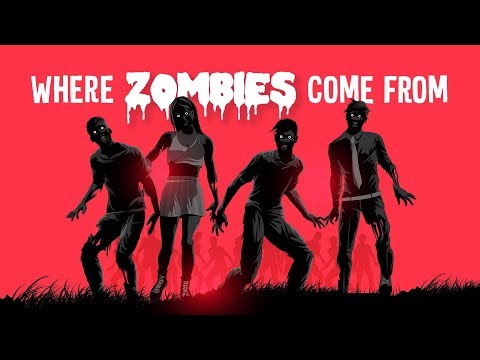
林宜悉 posted on 2026/02/06Ever wondered where the zombie craze really began? Dive into the fascinating history of zombies, from Haitian voodoo and early films like 'White Zombie' to George Romero's iconic 'Dawn of the Dead' and its critique of consumerism. You'll pick up advanced vocabulary and gain a deeper cultural understanding of this enduring horror trope!
Learn this video on the APP!
The VoiceTube App has more in-depth practice for videos!