
administration
US / ædˌmɪnɪˈstreʃən/
UK /ədˌmɪnɪˈstreɪʃn/
- Uncountable Noun
- Act of giving e.g. medicine to a patient
- The work of running something, e.g. a business
B1TOEICMoreaim
US /em/
UK /eɪm/
- Noun (Countable/Uncountable)
- Act of pointing something at a target
- Purpose or goal
- Transitive Verb
- To point something at a target
- To intend to get a thing or for a thing to happen
A2TOEICMorealong with
US /əˈlɔŋ wɪð/
UK /əˈlɔŋ wið/
- Preposition
- In addition to; together with.
- Adverb
- In company or together with someone or something.
- Including; in addition to.
A2Moreas well as
US /æz wɛl æz/
UK /æz wel æz/
- Adverb
- Also; in addition to
- Preposition
- In addition to; and also.
A1Moreat a time
US /æt e taɪm/
UK /æt ə taim/
- Phrase
- Separately; one by one
- Simultaneously; together
A1Moreat some point
US /æt sʌm pɔɪnt/
UK /æt sʌm pɔint/
- Phrase
- At an unspecified time, usually in the future.
A1Moreat the moment
US
UK
- Adverb
- At this time; now
A1Moreattempt
US /əˈtɛmpt/
UK /ə'tempt/
- Verb (Transitive/Intransitive)
- To try to do something challenging or difficult
- Noun
- Effort made to try to do or accomplish something
A2TOEICMorebattalion
US /bəˈtæljən/
UK /bəˈtæliən/
- Countable Noun
- Military unit of 300-800 soldiers
B2Morebilateral
US /baɪˈlætərəl/
UK /ˌbaɪˈlætərəl/
- Adjective
- Involving two groups of people or two countries
B1Moreblockade
US /blɑ:ˈkeɪd/
UK /blɒˈkeɪd/
- Transitive Verb
- To block or impede the movement of people, objects
- Noun
- Arrangement that blocks or impedes movement
B2Morechain of events
US
UK
- Noun (Countable/Uncountable)
- A sequence of occurrences, where each event causes or influences the next.
- Phrase
- A series of happenings linked by cause and effect.
A1Morechoke
US /tʃoʊk/
UK /tʃəʊk/
- Transitive Verb
- To cause someone not to breathe
- To suppress or restrain.
- Intransitive Verb
- To be unable to breath due to a blockage
B2Morecollapse
US /kəˈlæps/
UK /kə'læps/
- Verb (Transitive/Intransitive)
- To fold (e.g. a stroller) down to make it smaller
- To suddenly fall down or break apart into pieces
- Noun
- The sudden failure of a structure or system.
- The sudden failure of a bodily organ or function.
B1Morecontrary to
US /ˈkɑnˌtrɛri tu/
UK /ˈkɔntrəri tu:/
- Preposition
- In opposition to; against.
- Differing from; not in agreement with.
A1Morecrime
US /kraɪm/
UK /kraɪm/
- Noun (Countable/Uncountable)
- Act that is believed to be a mistake or foolish
- Act that is against the law; murder, theft etc.
A2Moredeal out
US /dil aʊt/
UK /di:l aut/
- Phrasal Verb
- To distribute something, especially playing cards or portions of something.
B1Moredeal with
US /dil wɪð/
UK /di:l wið/
- Verb (Transitive/Intransitive)
- To buy or sell goods or services.
- Phrasal Verb
- To take action to solve a problem or manage a situation.
- To be about; concern.
A1Moredemand
US /dɪˈmænd/
UK /dɪ'mɑ:nd/
- Noun (Countable/Uncountable)
- Desire customers have to buy product, service
- A strong request for someone to do something
- Transitive Verb
- To strongly request someone to do something
- To need something.
A2TOEICMoredialogue
US /ˈdaɪəˌlɔɡ, -ˌlɑɡ/
UK /'daɪəlɒɡ/
- Noun (Countable/Uncountable)
- Conversation between two or more individuals
- A discussion or series of discussions between people or groups, especially ones aimed at resolving a problem.
B1Moreemergency
US /ɪˈmɚdʒənsi/
UK /ɪ'mɜ:dʒənsɪ/
- Noun (Countable/Uncountable)
- Sudden event needing an immediate action
- A medical condition manifesting itself by acute symptoms of sufficient severity such that the absence of immediate medical attention could reasonably be expected to result in placing the patient's health in serious jeopardy.
- Adjective
- Used in an emergency; for use when something dangerous happens.
- Designed for use in an emergency.
A2TOEICMoreequivalent
US /ɪˈkwɪvələnt/
UK /ɪˈkwɪvələnt/
- Adjective
- Equal to something in value, use or meaning
- Having the same meaning or significance.
- Noun
- Thing like another in quality, quantity or degree
B1TOEICMoreexecutive
US /ɪɡˈzɛkjətɪv/
UK /ɪɡ'zekjətɪv/
- Noun (Countable/Uncountable)
- A senior manager in a business or organization
- The branch of government responsible for enforcing laws.
- Adjective
- Of a high ranking job in a company
- Relating to the management of a business or organization.
A2TOEICMoreexplicitly
US /ɪk'splɪsɪtlɪ/
UK /ɪk'splɪsɪtlɪ/
- Adverb
- Clearly; specifically
- Directly and unambiguously expressed or stated.
B1Morefallout
US /ˈfɔlˌaʊt/
UK /'fɔ:laʊt/
- Noun (Countable/Uncountable)
- Radioactive particles after a nuclear explosion
- The adverse results of a situation or action.
C2Moreforeign
US /ˈfɔ:rən/
UK /ˈfɒrən/
- Adjective
- Being of a different place or country
- Strange; different from ones found at home
A2TOEICMorefuel
US /ˈfjuəl/
UK /'fju:əl/
- Transitive Verb
- To give power to (a mob, anger, etc.); incite
- To provide gas or petrol for something
- Uncountable Noun
- Material used to produce heat or power when burned
A2TOEICMoregoal
US /ɡol/
UK /ɡəʊl/
- Noun (Countable/Uncountable)
- Something you try to do or achieve; an aim
- (Sports) net into which you put a ball to score
A2TOEICMoreharbor
US /ˈhɑrbɚ/
UK /'hɑ:bə/
- Noun (Countable/Uncountable)
- Area of water protected by land and used by ships
- Place providing comfort and shelter from danger
- Transitive Verb
- To contain, have, hide or protect something
- To feel certain thoughts/emotions for a long time
B1Morehave to
US /hæv tu/
UK /ˈhæv tə/
- Auxiliary Verb
- Must do
A1Morehostile
US /ˈhɑstəl, -ˌtaɪl/
UK /ˈhɔstail/
- Adjective
- Unwelcoming; showing ill will, as to an enemy
- Very difficult to live due to harsh conditions
B1Morehumanitarian
US /hju:ˌmænɪˈteriən/
UK /hju:ˌmænɪˈteəriən/
- Noun
- Person who tries to help those in a crisis
- Adjective
- Concerned with or seeking to promote human welfare.
B2Moreillegitimate
US /ˌɪlɪˈdʒɪtəmɪt/
UK /ˌɪləˈdʒɪtəmət/
- Adjective
- Contrary to or forbidden by law
B2Morein power
US /ɪn ˈpaʊɚ/
UK /in ˈpauə/
- Adjective
- Having control of a country or organization.
- Phrase
- During a period of holding authority or control.
B1Morein terms of
US
UK
- Phrase
- With regard to; concerning a particular aspect.
A1Morein use
US /ɪn juz/
UK /in ju:z/
- Adjective
- Being used at the present time.
A2Moreinside of
US /ɪnˈsaɪd ʌv/
UK /inˈsaid ɔv/
- Preposition
- Within; in the inner part of.
- Within a certain period of time.
A1Moremeaningful
US /ˈminɪŋfəl/
UK /'mi:nɪŋfl/
- Adjective
- Having importance; showing someone's intention
- Having importance or value.
A2Moremilitary
US /ˈmɪlɪˌtɛri/
UK /'mɪlətrɪ/
- Noun
- Army or armed forces
- Adjective
- Concerning the army or navy
B1Moreof course
US /ʌv kɔː(r)s/
UK /ɔv kɔː(r)s/
- Adverb
- Sure ; Certainly
- Phrase
- For sure; certainly
A2Moreof yours
US /ʌv jʊɚz/
UK /əv jɔ:z/
- other
- Belonging to you; your possession or property.
A1Moreon the brink of
US /ɑːn ðiː brɪŋk ɑːv/
UK
- Phrase
- Very near to experiencing something, usually something unpleasant.
- About to happen; imminent.
A1Moreout there
US /aʊt ðɛr/
UK /aut ðɛə/
- Adverb
- In or to a place that is far away
- Existing in the universe
- Adjective
- Unconventional; strange; avant-garde
- Existing or available.
A1Morepersonnel
US /ˌpɜ:rsəˈnel/
UK /ˌpɜ:səˈnel/
- Noun (Countable/Uncountable)
- Group of people who work for a company or group
- A group of people employed in an organization or for a specific task.
- Adjective
- Relating to the staff or employees of an organization.
B1TOEICMorepose
US /poʊz/
UK /pəʊz/
- Verb (Transitive/Intransitive)
- To be or exist as (a problem, threat etc.)
- To suggest an idea, question or solution
- Noun
- False behavior to gain respect or liking
B1TOEICMoreprecise
US /prɪˈsaɪs/
UK /prɪ'saɪs/
- Adjective
- (Of language details etc.) Very accurate and exact
- (Of a time, place, quality) exact
A2TOEICMorepressure
US /ˈprɛʃɚ/
UK /'preʃə(r)/
- Noun (Countable/Uncountable)
- Anxiety caused by difficult problems
- Force, weight when pressing against a thing
- Transitive Verb
- To apply force to something
- To persuade or force someone to do something
A2TOEICMoreprior to
US /ˈpraɪɚ tu/
UK /ˈpraiə tu:/
- Preposition
- Before a particular time or event.
C1Moreprohibit
US /proˈhɪbɪt/
UK /prə'hɪbɪt/
- Transitive Verb
- To make something impossible
- To prevent, forbid to use or do something
B1TOEICMoreproposal
US /prəˈpozəl/
UK /prəˈpəʊzl/
- Noun
- Act of asking someone to marry you
- Offer or plan to people who can decide about it
B1TOEICMorerationale
US /ˌræʃəˈnæl/
UK /ˌræʃəˈnɑ:l/
- Noun
- Explanation of justification for something
B2Moreregime
US /reˈʒim, rɪ-/
UK /reɪˈʒi:m/
- Noun
- A system of management; a form of government
B1Moresecurity
US /sɪˈkjʊrɪti/sə'kjurətɪ/
UK /sɪ'kjʊərətɪ/
- Noun
- Department in a company in charge of protection
- Financial document, like stocks, bonds and notes
A2TOEICMoreseize
US /siz/
UK /si:z/
- Transitive Verb
- To take a place with force, as by military action
- To arrest or catch someone
B1Moreseizure
US /ˈsiʒɚ/
UK /'si:ʒə(r)/
- Noun (Countable/Uncountable)
- Act of taking control of something by force
- (Medical) sudden attack of illness, e.g. epileptic fit
B2Moresit down
US /sit daʊn/
UK /sit daun/
- Phrasal Verb
- To take a seat
A1Morespeak of
US /spik ʌv/
UK /spi:k ɔv/
- Phrasal Verb
- To mention someone or something in conversation.
B1Morestagflation
US
UK
- Noun (Countable/Uncountable)
- Period of slow economic growth while prices rise
C2Morestatement
US / ˈstetmənt/
UK /ˈsteɪtmənt/
- Noun (Countable/Uncountable)
- Record of activity in a bank account over time
- Act or process of saying something formally
A2TOEICMoretake out
US /tek aʊt/
UK /teik aut/
- Phrasal Verb
- To apply for and get a license
- To take someone on a date
- Uncountable Noun
- Food purchased at a restaurant to eat elsewhere.
A1Morethreat
US /θrɛt/
UK /θret/
- Noun
- Warning of probable trouble
- A warning that you may be harmed
A2TOEICMorethreat to
US
UK
- Phrase
- A person or thing likely to cause damage or danger.
- A statement of an intention to inflict pain, injury, damage, or other hostile action on someone in retribution for or opposition to something done or not done.
B2Morewith the exception of
US
UK
- Phrase
- Excluding; not including.
A1More
Vocabulary
- threat to: A person or thing likely to cause damage or danger.
- in use: Being used at the present time.
- of course: Sure ; Certainly
- at some point: At an unspecified time, usually in the future.
- speak of: To mention someone or something in conversation.
- chain of events: A sequence of occurrences, where each event causes or influences the next.
- at a time: Separately; one by one
- on the brink of: Very near to experiencing something, usually something unpleasant.
- deal with
- at the moment: At this time; now
- as well as: Also; in addition to
- contrary to: In opposition to; against.
- with the exception of: Excluding; not including.
- sit down: To take a seat
- inside of: Within; in the inner part of.
- of yours: Belonging to you; your possession or property.
- deal out: To distribute something, especially playing cards or portions of something.
- prior to: Before a particular time or event.
- in power: Having control of a country or organization.
- take out: To apply for and get a license
- along with: In addition to; together with.
- out there: In or to a place that is far away
- in terms of
- have to: Must do
- equivalent: Equal to something in value, use or meaning
- attempt: To try to do something challenging or difficult
- executive: A senior manager in a business or organization
- expect: To believe something is probably going to happen
- demand: Desire customers have to buy product, service
- measure: Plan to achieve a desired result
- pressure: Anxiety caused by difficult problems
- precise: (Of language details etc.) Very accurate and exact
- fuel: To give power to (a mob, anger, etc.); incite
- statement: Record of activity in a bank account over time
- military: Army or armed forces
- collapse: To fold (e.g. a stroller) down to make it smaller
- dialogue: Conversation between two or more individuals
- deal: To cope with something - usually troubles
- state: Region within a country, with its own government
- regime: A system of management; a form of government
- security: Department in a company in charge of protection
- raise: To increase a bet above another when playing cards
- threat: Warning of probable trouble
- administration: Act of giving e.g. medicine to a patient
- reason: To think and make conclusions in a logical manner
- meaningful: Having importance; showing someone's intention
- emergency: Sudden event needing an immediate action
- economy: Using money, resources in a careful, effective way
- explicitly: Clearly; specifically
- crime: Act that is believed to be a mistake or foolish
- aim: Act of pointing something at a target
- hostile: Unwelcoming; showing ill will, as to an enemy
- harbor: Area of water protected by land and used by ships
- foreign: Being of a different place or country
- goal: Something you try to do or achieve; an aim
- moment: Very short or brief period of time
- seize: To take a place with force, as by military action
- system: Set of organized, planned ideas that work together
- public: Owned by the government
- detail: Small part of something; tiny fact
- government: Group of people and system that rule a nation
- proposal: Act of asking someone to marry you
- choke: To cause someone not to breathe
- humanitarian: Person who tries to help those in a crisis
- seizure: Act of taking control of something by force
- protect: To defend someone or something from harm or danger
- last: Final; with nothing following; after all others
- change: To exchange one set of clothes for another
- pose: To be or exist as (a problem, threat etc.)
- prohibit: To make something impossible
- personnel: Group of people who work for a company or group
- bilateral: Involving two groups of people or two countries
- fallout: Radioactive particles after a nuclear explosion
- rationale: Explanation of justification for something
- blockade: To block or impede the movement of people, objects
- illegitimate: Contrary to or forbidden by law
- stagflation: Period of slow economic growth while prices rise
- battalion: Military unit of 300-800 soldiers
Get the full experience in the app
Learn anywhere with detailed sentence and usage analysis
01:03
She took a brave step forward, leaving behind her comfort zone to chase her dreams.
Vocabulary
- brave
adj. Having courage
- comfort zone
phr. A familiar situation where one feels safe
Explanation
a brave step is a noun phrase, where brave is an adjective modifying the noun step, meaning "a courageous step".
forward is an adverb modifying step, meaning "ahead".
The whole phrase serves as the object, answering the "what" of took (verb) — she took a brave step forward.
Get the full experience in the app
Look up words anytime with pronunciation, part of speech, and usage
brave
US/brev/
UK/breɪv/
adj.Brave
v.t.To bravely face
A2 Elementary
Get the full experience in the app
Practice speaking anytime and get instant pronunciation feedback
Try this speaking exercise.
Try practicing with this sentence.
80
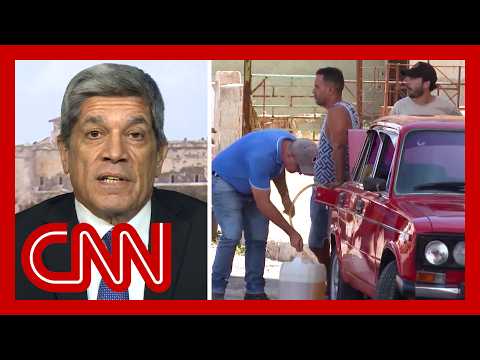
US 'attempting to choke Cuba economically': Cuban dep. foreign minister
0
林宜悉 posted on 2026/02/05Ever wondered about the complex relationship between the US and Cuba? This video dives into the accusations of economic pressure and sanctions, giving you a chance to pick up advanced vocabulary related to international relations and understand cultural nuances. It's a fantastic way to boost your knowledge and practice complex sentence structures!
Learn this video on the APP!
The VoiceTube App has more in-depth practice for videos!