
abolish
US /əˈbɑ:lɪʃ/
UK /əˈbɒlɪʃ/
- Transitive Verb
- To officially stop (a law or practice)
B1TOEICMoreat least
US /æt list/
UK /æt li:st/
- Adverb
- As a minimum
- Not less than
- Phrase
- No less than; at the minimum
- Used to indicate that something is positive in a bad situation.
C2Moreat times
US /æt taɪmz/
UK /æt taɪmz/
- Phrase
- Sometimes; occasionally.
A1Morebond
US /bɑnd/
UK /bɒnd/
- Noun (Countable/Uncountable)
- Rope, chain or other thing used to tie someone up
- Closeness that is shared between people or groups
- Verb (Transitive/Intransitive)
- To develop a close relationship with
- To become joined or connected, e.g. using glue
A2TOEICMoreboost
US /bust/
UK /bu:st/
- Transitive Verb
- To increase something; to make something better
- To push someone or something up from beneath them
- Noun (Countable/Uncountable)
- An increase in something
B1TOEICMorebring down
US /brɪŋ daʊn/
UK /briŋ daun/
- Phrasal Verb
- To destroy (government, etc.) forcefully
- To kill someone, often with a gun
A1Morecause
US /kɔz/
UK /kɔ:z/
- Noun
- Belief, goal or organization that people support
- Reason for
- Transitive Verb
- To make something happen; create effect or result
A2Morecheck out
US /tʃɛk aʊt/
UK /tʃek aut/
- Phrase
- Phrasal Verb
- To find out information about something
- To take books out of a library
A1Morecrisis
US /ˈkraɪsɪs/
UK /'kraɪsɪs/
- Noun (Countable/Uncountable)
- Unstable situation of extreme danger or difficulty
- A turning point in a disease.
B1Moredebt
US /dɛt/
UK /det/
- Noun (Countable/Uncountable)
- Sum of money owed to someone that is not yet paid
- A moral or social obligation.
A2TOEICMoredemand
US /dɪˈmænd/
UK /dɪ'mɑ:nd/
- Noun (Countable/Uncountable)
- Desire customers have to buy product, service
- A strong request for someone to do something
- Transitive Verb
- To strongly request someone to do something
- To need something.
A2TOEICMoredo in
US
UK
- Phrasal Verb
- To make completely tired out and exhausted
- To destroy or cause damage to someone
A1Moredump
US /dʌmp/
UK /dʌmp/
- Transitive Verb
- To end a romantic relationship
- To put something somewhere without care
- Noun
- A place where waste or garbage is left.
- A copy of data from one part of a computer system to another.
B1Moreease
US /iz/
UK /i:z/
- Verb (Transitive/Intransitive)
- To make something less difficult, tight, stressed
- To move slowly and purposely to get in small space
- Uncountable Noun
- State of being comfortable or relaxed
A2Moreentire
US /ɛnˈtaɪr/
UK /ɪn'taɪə(r)/
- Adjective
- Complete or full; with no part left out; whole
- Undivided; not shared or distributed.
A2TOEICMoreexpire
US /ɪkˈspaɪr/
UK /ɪk'spaɪə(r)/
- Intransitive Verb
- To breathe out
- To die
B2TOEICMorefederal
US /ˈfɛdərəl, ˈfɛdrəl/
UK /'fedərəl/
- Adjective
- Consisting of several united states
- Relating to a system of government in which power is divided between a central authority and constituent political units.
- Proper Noun
- The central banking system of the United States.
B1Morefinancial
US /faɪˈnænʃ(ə)l/
UK /faɪˈnænʃl/
- Adjective
- Involving money
- Relating to investments.
- Countable Noun
- A person who provides advice on financial matters.
A2TOEICMorefor example
US
UK
- Phrase
- As an illustration or instance.
framework
US /ˈfreɪmwɜ:rk/
UK /ˈfreɪmwɜ:k/
- Noun
- Skeleton structure of a building or construction
- Basic structure of something
B1TOEICMorehave to
US /hæv tu/
UK /ˈhæv tə/
- Auxiliary Verb
- Must do
A1Morein debt
US /ɪn dɛt/
UK /in det/
- Phrase
- State of owing money to a person or institution
- Adjective
- Owing money.
A2Morein fact
US /ɪn fækt/
UK /in fækt/
- Adverb
- Used to emphasize the truth of a statement, especially one that contrasts with or contradicts something else.
- Used to introduce a more detailed or surprising piece of information.
- Phrase
- Used to emphasize the truth of a statement, especially one that is surprising or contrary to what might be expected.
C1Morein the world
US /ɪn ði wɜrld/
UK /in ðə wɜː(r)ld/
- Phrase
- Used to emphasize a question expressing surprise, confusion, disbelief
- Used to indicate the extent or degree of something, often in a superlative sense
A1Moreinflation
US /ɪnˈfleʃən/
UK /ɪn'fleɪʃn/
- Noun (Countable/Uncountable)
- Act of filling something with air or gas
- Continual rise in the prices of products
B1TOEICMoreinstantly
US /ˈɪnstəntli/
UK /ˈɪnstəntli/
- Adverb
- In a manner without delay; immediately
A2Moreinstead of
US /ɪnˈstɛd ʌv/
UK /inˈsted ɔv/
- Preposition
- When one thing is replaced by another
- Adverb
- As a substitute or alternative.
A1Moreintervene
US /ˌɪntərˈvi:n/
UK /ˌɪntəˈvi:n/
- Intransitive Verb
- To get involved to try to prevent trouble
- To interrupt a situation, argument, etc.
B1Moreinvest
US /ɪnˈvɛst/
UK /ɪn'vest/
- Transitive Verb
- To use resources to build for the future
A2TOEICMoreissue
US /ˈɪʃu/
UK /'ɪʃu:/
- Transitive Verb
- To make something available to be used or sold
- To deliver a statement, etc. in an official manner
- Noun (Countable/Uncountable)
- Important topic discussed, debated or argued over
- Single edition of a magazine
A2TOEICMorelook at
US /lʊk æt/
UK /luk æt/
- Phrasal Verb
- To use your eyes to focus on something
- To focus your eyes on something carefully
A1Moremassive
US /ˈmæsɪv/
UK /ˈmæsɪv/
- Adjective
- Very big; large; too big
- Large or imposing in scale or scope.
B1Moremassively
US /'mæsɪvlɪ/
UK /'mæsɪvlɪ/
- Adverb
- To a very large degree or in a large manner
B1Moremention
US /ˈmɛnʃən/
UK /'menʃn/
- Transitive Verb
- To refer to or talk or write about something
- Uncountable Noun
- Act of referring to or talking about something
- A formal acknowledgement of something
A2TOEICMoreon top of that
US
UK
- Phrase
- In addition to something already mentioned; furthermore.
A1Moreperspective
US /pɚˈspɛktɪv/
UK /pə'spektɪv/
- Noun (Countable/Uncountable)
- Artistic method of creating a sense of distance
- Ability to understand what is important in life
B1TOEICMorepre
US
UK
- Prefix
- A prefix meaning 'before'
B2Morerecession
US /rɪˈsɛʃən/
UK /rɪˈseʃn/
- Uncountable Noun
- Act of moving backward gradually
- Decreased business activity, when work is scarce
- Noun
- a period of low economic activity
- period of economic decline
B2TOEICMorereduce
US /rɪˈdus, -ˈdjus/
UK /rɪ'dju:s/
- Verb (Transitive/Intransitive)
- To try to decrease, e.g. your weight if overweight
- To boil a liquid until it has decreased in amount
A2TOEICMoreregime
US /reˈʒim, rɪ-/
UK /reɪˈʒi:m/
- Noun
- A system of management; a form of government
B1Morerely on
US /rɪˈlaɪ ɑn/
UK /riˈlai ɔn/
- Phrasal Verb
- To depend on someone or something
A2Morereserve
US /rɪˈzɚv/
UK /rɪ'zɜ:v/
- Transitive Verb
- To arrange for a room or table be kept for you
- To not use all of, so you can use it later
- Noun (Countable/Uncountable)
- Area of land set aside as for a people
- Park or area for wildlife to roam free
A2Morereset
US /riˈsɛt/
UK /ˌri:'set/
- Transitive Verb
- To return to the original start or formation
- Verb (Transitive/Intransitive)
- To return to the original start or formation
C1Moreresign
US /rɪ'zaɪn/
UK /rɪ'zaɪn/
- Intransitive Verb
- To leave a job because you want to
- Verb (Transitive/Intransitive)
- To accept something unpleasant that one cannot do anything about.
B1TOEICMoreshrink
US /ʃrɪŋk/
UK /ʃrɪŋk/
- Intransitive Verb
- To become smaller
- Noun
- A rude name for a psychiatrist
B1Moreskeptical
US /'skeptɪkəl/
UK /'skeptɪkəl/
- Adjective
- Doubting that something is true/probable/useful
C2Moresubsidize
US /'sʌbsɪdaɪz/
UK /ˈsʌbsɪdaɪz/
- Transitive Verb
- To aid, assist, or help pay a cost or price
B1TOEICMoresubstantially
US /səbˈstænʃəlɪ/
UK /səbˈstænʃəli/
- Adverb
- In a basic, general manner
- To a very large, significant degree
C2Moretrack
US /træk/
UK /træk/
- Transitive Verb
- To use marks to follow a wild animal
- To move a certain way/follow a particular course
- Noun
- A circular course for running
- Course or way someone takes, e.g. in education
A2TOEICMoreworth
US /wɚθ/
UK /wɜ:θ/
- Noun (Countable/Uncountable)
- the financial, practical or moral value of somebody/something
- having a particular value, especially in money
- Adjective
- Having a specified value.
A2More
Vocabulary
- look at: To use your eyes to focus on something
- instead of: When one thing is replaced by another
- in the world: Used to emphasize a question expressing surprise, confusion, disbelief
- have to: Must do
- at times: Sometimes; occasionally.
- in fact: Used to emphasize the truth of a statement, especially one that contrasts with or contradicts something else.
- for example: As an illustration or instance.
- bring down: To destroy (government, etc.) forcefully
- rely on: To depend on someone or something
- in debt: State of owing money to a person or institution
- do in: To make completely tired out and exhausted
- at least: As a minimum
- on top of that: In addition to something already mentioned; furthermore.
- check out
- perspective: Artistic method of creating a sense of distance
- entire: Complete or full; with no part left out; whole
- massive: Very big; large; too big
- situation: Place, position or area that something is in
- boost: To increase something; to make something better
- crisis: Unstable situation of extreme danger or difficulty
- completely: In every way or as much as possible
- skeptical: Doubting that something is true/probable/useful
- demand: Desire customers have to buy product, service
- track: To use marks to follow a wild animal
- increase: To make or become larger in size or amount
- dump: To end a romantic relationship
- financial: Involving money
- debt: Sum of money owed to someone that is not yet paid
- bond: Rope, chain or other thing used to tie someone up
- worth: the financial, practical or moral value of somebody/something
- recession: Act of moving backward gradually
- shrink: To become smaller
- issue: To make something available to be used or sold
- mention: To refer to or talk or write about something
- instantly: In a manner without delay; immediately
- inflation: Act of filling something with air or gas
- regime: A system of management; a form of government
- ease: To make something less difficult, tight, stressed
- federal: Consisting of several united states
- cause: Belief, goal or organization that people support
- raise: To increase a bet above another when playing cards
- suddenly: In an unexpected or very quick manner
- expire: To breathe out
- reason: To think and make conclusions in a logical manner
- interest: Best or most advantageous thing for someone
- break: To create a new record e.g. running the 100m dash
- invest: To use resources to build for the future
- economy: Using money, resources in a careful, effective way
- record: Highest or most extreme level achieved
- reduce: To try to decrease, e.g. your weight if overweight
- framework: Skeleton structure of a building or construction
- reserve: To arrange for a room or table be kept for you
- single: One run in cricket or a hit baseball
- control: A device designed to operate a machine
- system: Set of organized, planned ideas that work together
- fact: Something that is known or proved to be true
- continue: To do something without stopping, or after pausing
- substantially: In a basic, general manner
- resign: To leave a job because you want to
- intervene: To get involved to try to prevent trouble
- massively: To a very large degree or in a large manner
- subsidize: To aid, assist, or help pay a cost or price
- abolish: To officially stop (a law or practice)
- pre: A prefix meaning 'before'
- reset: To return to the original start or formation
Get the full experience in the app
Learn anywhere with detailed sentence and usage analysis
01:03
She took a brave step forward, leaving behind her comfort zone to chase her dreams.
Vocabulary
- brave
adj. Having courage
- comfort zone
phr. A familiar situation where one feels safe
Explanation
a brave step is a noun phrase, where brave is an adjective modifying the noun step, meaning "a courageous step".
forward is an adverb modifying step, meaning "ahead".
The whole phrase serves as the object, answering the "what" of took (verb) — she took a brave step forward.
Get the full experience in the app
Look up words anytime with pronunciation, part of speech, and usage
brave
US/brev/
UK/breɪv/
adj.Brave
v.t.To bravely face
A2 Elementary
Get the full experience in the app
Practice speaking anytime and get instant pronunciation feedback
Try this speaking exercise.
Try practicing with this sentence.
80
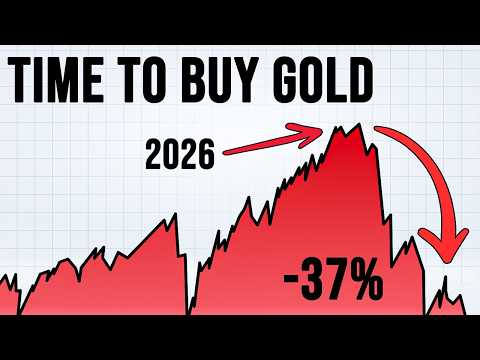
It Started: Trump Will Reset The Fed - Gold & Silver Crashing
0
林宜悉 posted on 2026/02/03Ever wondered how the Federal Reserve's actions impact gold and silver prices? This video dives deep into potential shifts under new leadership, explaining complex terms like 'quantitative tightening' and 'Fed balance sheet' so you can boost your financial vocabulary and understanding!
Learn this video on the APP!
The VoiceTube App has more in-depth practice for videos!