
advance
US /ædˈvæns/
UK /əd'vɑ:ns/
- Noun
- Forward movement by an army
- An attempt to seduce someone
- Verb (Transitive/Intransitive)
- (Of an army) to move forward
- To change or improve
A2TOEICMoreat least
US /æt list/
UK /æt li:st/
- Adverb
- As a minimum
- Not less than
- Phrase
- No less than; at the minimum
- Used to indicate that something is positive in a bad situation.
C2Moreat the same time
US
UK
- Phrase
- Simultaneously; at the identical moment.
- Nevertheless; however; used to introduce a contrasting or qualifying statement.
A1Morebased on
US
UK
- Phrasal Verb
- To use something as the foundation or starting point for something else.
- Preposition
- Using something as the main idea or foundation.
- Relying on something as evidence or justification.
A1Morebrilliant
US /ˈbrɪljənt/
UK /'brɪlɪənt/
- Adjective
- Having a great amount of intelligence or talent
- Being very bright, like a diamond; shining
- Noun
- A diamond or other gem cut in a particular form with many facets to have exceptional brilliance.
A2Morecheck out
US /tʃɛk aʊt/
UK /tʃek aut/
- Phrase
- Phrasal Verb
- To find out information about something
- To take books out of a library
A1Morecome back
US /kʌm bæk/
UK /kʌm bæk/
- Phrasal Verb
- To reply to someone, often forcefully
- To be remembered
A1Morecommunicate
US /kəˈmjunɪˌket/
UK /kə'mju:nɪkeɪt/
- Verb (Transitive/Intransitive)
- To give and exchange information
- To convey or make known (information, feelings, etc.)
A2Morecommunication
US /kəˌmjunɪˈkeʃən/
UK /kəˌmju:nɪ'keɪʃn/
- Noun (Countable/Uncountable)
- Talking to people; giving information to people
- The process of conveying information, ideas, or feelings through language or other means.
A2Morecrazy
US /ˈkrezi/
UK /'kreɪzɪ/
- Adjective
- Mentally ill; mad
- Not being sensible or practical
- Noun
- Person acting in a manner that is strange and odd
A2Moreculture
US /ˈkʌltʃɚ/
UK /'kʌltʃə(r)/
- Noun (Countable/Uncountable)
- Beliefs and customs of a particular group
- The customs, beliefs, art, and all the other things that a group of people share and consider important.
- Transitive Verb
- To grow cells, tissues, bacteria, etc. in a controlled environment.
A2Moredeeply
US /ˈdiplɪ/
UK /ˈdi:pli/
- Adverb
- To a significant degree
- To a great, intense or extreme extent
A2Moredo in
US
UK
- Phrasal Verb
- To make completely tired out and exhausted
- To destroy or cause damage to someone
A1Moreelectricity
US /ɪlɛkˈtrɪsɪti,ˌilɛk-/
UK /ɪˌlekˈtrɪsəti/
- Uncountable Noun
- Energy generated positive and negative charges
- The study or science of electric charges and currents.
A2Moreessay
US /ˈɛsˌe, ɛˈse/
UK /'eseɪ/
- Noun (Countable/Uncountable)
- Short piece of written opinion on a subject
- A test of the quality of a metal or ore.
- Verb (Transitive/Intransitive)
- To attempt or try.
- To test or evaluate the quality of something.
B1Moreevolution
US /ˌɛvəˈluʃən, ˌivə-/
UK /ˌi:və'lu:ʃn/
- Uncountable Noun
- Theory that living things change over time
- Process by which something develops over time
B1Morefor example
US
UK
- Phrase
- As an illustration or instance.
for the sake of
US /fɔr ði sek ʌv/
UK /fɔ: ðə seik ɔv/
- Phrase
- For the purpose of; in the interest of.
A1Morefree up
US
UK
- Phrasal Verb
- To make something available for a particular use.
- To make time or resources available.
A1Moreget it on
US /ɡɛt ɪt ɑn/
UK /ɡet it ɔn/
- Phrasal Verb
- To start doing what you say you will do
- To start something.
A1Moregive away
US /ɡɪv əˈwe/
UK /ɡiv əˈwei/
- Phrase
- Phrasal Verb
- To let others have something you own
- To tell (a secret)
A1Moregive it to someone
US /ɡɪv ɪt tə ˈsʌmwʌn/
UK /ɡiv ɪt tuː ˈsʌmwʌn/
- other
- Criticize or confront someone firmly.
- Punish or reprimand someone severely.
B2Morego away
US /ɡo əˈwe/
UK /ɡəu əˈwei/
- Phrasal Verb
- To go on vacation
- To leave; depart.
A1Morego back to
US /ɡo bæk tu/
UK /ɡəu bæk tu:/
- Phrasal Verb
- To return to a starting point
A1Moregoing on
US /ˈɡoɪŋ ɑn/
UK /ˈgəʊɪŋ ɔn/
- Phrasal Verb
- To continue doing something
- To happen (usually negative)
A1Moregot to
US /ɡɑt tu/
UK /gɔt tu:/
- Verb (Transitive/Intransitive)
- To arrive at some place
- To have the opportunity or permission to do something
- Phrasal Verb
- To appeal to the emotions of; move
- To finally begin to start something after a delay
A1Moregrade
US /ɡred/
UK /ɡreɪd/
- Transitive Verb
- To give a road the required angle of slope
- To determine the level or quality of something
- Noun
- Level or quality of something e.g. a diamond
- Mark that shows the quality of a student's work
B1TOEICMorehave to
US /hæv tu/
UK /ˈhæv tə/
- Auxiliary Verb
- Must do
A1Morehomeless
US /ˈhomlɪs/
UK /ˈhəʊmləs/
- Adjective
- Having no home; living on the streets
- Noun (plural)
- People who do not have a home.
A2Morehorror
US /ˈhɔrɚ, ˈhɑr-/
UK /ˈhɒrə(r)/
- Noun (Countable/Uncountable)
- Feeling of great shock or fear; thing causing it
B1Morein the long run
US
UK
- Phrase
- Eventually; over a long period of time.
A1Morein the world
US /ɪn ði wɜrld/
UK /in ðə wɜː(r)ld/
- Phrase
- Used to emphasize a question expressing surprise, confusion, disbelief
- Used to indicate the extent or degree of something, often in a superlative sense
A1Morein writing
US
UK
- Phrase
- Expressed or presented in written form, rather than spoken.
- Officially recorded in a written document, especially for legal purposes.
A1Moreinstead of
US /ɪnˈstɛd ʌv/
UK /inˈsted ɔv/
- Preposition
- When one thing is replaced by another
- Adverb
- As a substitute or alternative.
A1Morejournal
US /ˈdʒɚnəl/
UK /ˈdʒə:nl/
- Noun (Countable/Uncountable)
- A diary; record of what you do every day
- Magazine of academic papers
B1TOEICMorejust kind of
US
UK
- Phrase
- Used to express a feeling or state in a vague or hesitant way.
- Used to indicate something is approximately or generally similar to something else.
A2Morelevel
US /ˈlɛvəl/
UK /'levl/
- Noun (Countable/Uncountable)
- Specific height of something
- Amount of ability you have compared to others
- Transitive Verb
- To aim a gun at someone
- To destroy a building; flatten an area completely
A2TOEICMorelook at
US /lʊk æt/
UK /luk æt/
- Phrasal Verb
- To use your eyes to focus on something
- To focus your eyes on something carefully
A1Morelook for
US /lʊk fɔr/
UK /luk fɔ:/
- Phrasal Verb
- To try to find a thing or person that is lost
- To expect or anticipate something.
A1Morenew level
US
UK
- Noun
- A higher or improved stage of achievement or quality.
- A different or more advanced degree of expertise or understanding.
A1Moreof course
US /ʌv kɔː(r)s/
UK /ɔv kɔː(r)s/
- Adverb
- Sure ; Certainly
- Phrase
- For sure; certainly
A2Moreon paper
US /ɑn ˈpeɪpər/
UK /ɔn ˈpeipə/
- Phrase
- In theory or as a plan, but not necessarily in reality.
- Recorded in writing; documented.
A1Moreout of it
US /aʊt ʌv ɪt/
UK /aut ɔv it/
- Adjective
- Unconscious or not completely alert; dazed or confused.
- Not able to think clearly or react quickly; not with it.
A1Moreout of the way
US /aʊt ʌv ði we/
UK /aut ɔv ðə wei/
- Adjective
- Remote; isolated.
- No longer obstructing or hindering.
- Phrase
- Not obstructing or impeding progress; in a position where one does not cause an obstruction.
- Completed; finished; no longer needing attention.
B1Morepassive
US /ˈpæsɪv/
UK /ˈpæsɪv/
- Adjective
- Allowing things to happen with quiet acceptance
- With sentence's subject being what verb acts on
- Noun
- A person who is passive; one who does not actively participate or resist.
B1Morephone number
US
UK
- Countable Noun
- A sequence of digits assigned to a telephone subscriber, used to make a call to that phone.
A1Moreprocess
US /ˈprɑsˌɛs, ˈproˌsɛs/
UK /prə'ses/
- Transitive Verb
- To organize and use data in a computer
- To deal with official forms in the way required
- Noun (Countable/Uncountable)
- Dealing with official forms in the way required
- Set of changes that occur slowly and naturally
A2TOEICMoreprogress
US /ˈprɑɡˌrɛs, -rəs, ˈproˌɡrɛs/
UK /'prəʊɡres/
- Verb (Transitive/Intransitive)
- To move forward or toward a place or goal
- To make progress; develop or improve.
- Uncountable Noun
- Act of moving forward
- The process of improving or developing something over a period of time.
A2TOEICMoreproperly
US /ˈprɑːpərli/
UK /ˈprɔpəlɪ/
- Adverb
- In an appropriate or correct manner
- In a way that is suitable or appropriate.
A2Moreput it down
US
UK
- Phrasal Verb
- To place something on a surface.
- To write something down.
A1Morerule
US /ruːl/
UK /ruːl/
- Noun (Countable/Uncountable)
- Something that is normal and usually happens
- Governmental control or power over a region
- Verb (Transitive/Intransitive)
- To decide legally, especially in court
- To have control or influence
A2TOEICMoresame time
US
UK
- Phrase
- Occurring simultaneously or at the same point in time.
- At the identical time as before; recurring at a fixed hour.
- Noun
- An equal duration or period.
A1Moresee in
US /si ɪn/
UK /si: in/
- Phrasal Verb
- To accompany someone to the entrance of a building or room.
A1Morespeak to
US /spik tu/
UK /spi:k tu:/
- Verb (Transitive/Intransitive)
- To address or communicate with someone.
- To indicate or suggest something; to be relevant to.
A1Morestep out
US
UK
- Phrasal Verb
- To go outside for a short time
- To begin a romantic relationship with someone.
A1Morestupid
US /ˈstu:pɪd/
UK /ˈstju:pɪd/
- Adjective
- Not intelligent; lacking ability to learn easily
- Noun
- A stupid person.
A2Moretake it out of
US /teɪk ɪt aʊt əv/
UK /teɪk ɪt aʊt ɒv/
- other
- To cause someone to feel very tired or exhausted.
B2Moretalking about
US
UK
- Phrasal Verb
- To discuss a particular topic.
- To be constantly mentioning or bringing up a subject.
A1Moretherapy
US /ˈθɛrəpi/
UK /'θerəpɪ/
- Noun (Countable/Uncountable)
- Treatment to help cure an illness
- Psychological counseling to help resolve personal or emotional problems.
B2Morethink about
US /θɪŋk əˈbaʊt/
UK /θiŋk əˈbaut/
- Phrasal Verb
- To consider something carefully.
- To remember or call to mind.
A1Morethink of
US /θɪŋk ʌv/
UK /θiŋk ɔv/
- Phrasal Verb
- To look on as (being something specific); consider
- To consider or remember something.
- Verb (Transitive/Intransitive)
- To imagine or call something to mind
A1Moreto the point
US /tu ði pɔɪnt/
UK /tu: ðə pɔint/
- Adjective
- Expressing something directly and without unnecessary detail.
- Phrase
- Relevant and pertinent to the matter at hand.
A2Moreused to
US /juzd tu/
UK /ˈju:st tə/
- Adjective
- Did regularly before, but don't do now
- Auxiliary Verb
- Have done before, but do not do now
A1Morevocabulary
US /voˈkæbjəˌlɛri/
UK /və'kæbjələrɪ/
- Uncountable Noun
- Words that have to do with a particular subject
- The words that a person knows
B1TOEICMorewalk around
US
UK
- Phrasal Verb
- To stroll or wander in a leisurely way.
- To move about in order to inspect something.
A2Morewith it
US /wɪð ɪt/
UK /wið it/
- Adjective
- Intelligent, alert, and up-to-date.
- Understanding and knowledgeable about current trends or information.
A1Morework on
US /wɚk ɑn/
UK /wə:k ɔn/
- Phrasal Verb
- To devote effort to improve or develop something
- To try to persuade or influence someone.
A1Morewrite down
US /raɪt daʊn/
UK /rait daun/
- Phrasal Verb
- To record in writing
A1Morewrite out
US /raɪt aʊt/
UK /rait aut/
- Phrasal Verb
- To write something in full instead of using abbreviations or symbols.
- To copy something by writing it.
A1More
Vocabulary
- have to: Must do
- look at: To use your eyes to focus on something
- talking about: To discuss a particular topic.
- on paper: In theory or as a plan, but not necessarily in reality.
- got to: To arrive at some place
- think about: To consider something carefully.
- used to: Did regularly before, but don't do now
- give it to someone: Criticize or confront someone firmly.
- write down: To record in writing
- write out: To write something in full instead of using abbreviations or symbols.
- instead of: When one thing is replaced by another
- look for: To try to find a thing or person that is lost
- at least: As a minimum
- do in: To make completely tired out and exhausted
- walk around: To stroll or wander in a leisurely way.
- with it: Intelligent, alert, and up-to-date.
- in the world: Used to emphasize a question expressing surprise, confusion, disbelief
- see in: To accompany someone to the entrance of a building or room.
- just kind of: Used to express a feeling or state in a vague or hesitant way.
- in writing: Expressed or presented in written form, rather than spoken.
- for example: As an illustration or instance.
- phone number: A sequence of digits assigned to a telephone subscriber, used to make a call to that phone.
- free up: To make something available for a particular use.
- think of: To look on as (being something specific); consider
- at the same time: Simultaneously; at the identical moment.
- same time: Occurring simultaneously or at the same point in time.
- going on: To continue doing something
- get it on: To start doing what you say you will do
- give away
- out of it: Unconscious or not completely alert; dazed or confused.
- of course: Sure ; Certainly
- out of the way: Remote; isolated.
- step out: To go outside for a short time
- based on: To use something as the foundation or starting point for something else.
- take it out of: To cause someone to feel very tired or exhausted.
- to the point: Expressing something directly and without unnecessary detail.
- for the sake of: For the purpose of; in the interest of.
- speak to: To address or communicate with someone.
- go away: To go on vacation
- come back: To reply to someone, often forcefully
- put it down: To place something on a surface.
- in the long run: Eventually; over a long period of time.
- go back to: To return to a starting point
- work on: To devote effort to improve or develop something
- check out
- new level: A higher or improved stage of achievement or quality.
- process: To organize and use data in a computer
- properly: In an appropriate or correct manner
- progress: To move forward or toward a place or goal
- vocabulary: Words that have to do with a particular subject
- therapy: Treatment to help cure an illness
- sense: Certain mental feeling or emotion
- brilliant: Having a great amount of intelligence or talent
- bit: Device put in a horse's mouth to control it
- passive: Allowing things to happen with quiet acceptance
- brain: To strike someone forcefully on the head
- series: Set of stories or articles on a particular subject
- journal: A diary; record of what you do every day
- evolution: Theory that living things change over time
- advance: Forward movement by an army
- board: Surface for posting or showing information
- communicate: To give and exchange information
- subject: The person, thing, or idea that is being discussed, described, or studied.
- record: Highest or most extreme level achieved
- essay: Short piece of written opinion on a subject
- organize: To arrange and plan things, e.g. a party
- activity: An action or task, e.g. sports, washing clothes
- culture: Beliefs and customs of a particular group
- communication: Talking to people; giving information to people
- lot: What happens to a person in life from chance; fate
- important: Having power or authority
- kind: In a caring and helpful manner
- learn: To get knowledge or skills by study or experience
- simple: Not hard to understand or do; not complex
- information: Collection of facts and details about something
- horror: Feeling of great shock or fear; thing causing it
- electricity: Energy generated positive and negative charges
- rule: Something that is normal and usually happens
- grade: To give a road the required angle of slope
- stupid: Not intelligent; lacking ability to learn easily
- deeply: To a significant degree
- level: Specific height of something
- homeless: Having no home; living on the streets
- crazy: Mentally ill; mad
Get the full experience in the app
Learn anywhere with detailed sentence and usage analysis
01:03
She took a brave step forward, leaving behind her comfort zone to chase her dreams.
Vocabulary
- brave
adj. Having courage
- comfort zone
phr. A familiar situation where one feels safe
Explanation
a brave step is a noun phrase, where brave is an adjective modifying the noun step, meaning "a courageous step".
forward is an adverb modifying step, meaning "ahead".
The whole phrase serves as the object, answering the "what" of took (verb) — she took a brave step forward.
Get the full experience in the app
Look up words anytime with pronunciation, part of speech, and usage
brave
US/brev/
UK/breɪv/
adj.Brave
v.t.To bravely face
A2 Elementary
Get the full experience in the app
Practice speaking anytime and get instant pronunciation feedback
Try this speaking exercise.
Try practicing with this sentence.
80
0
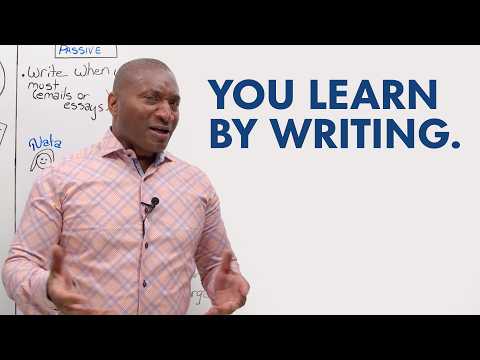
林宜悉 posted on 2026/02/03Want to boost your English skills? This video reveals why WRITING is your secret weapon for deeper learning and vocabulary expansion, inspired by Tim Ferriss's methods! You'll discover practical daily techniques like active rewriting and smart note-taking that will supercharge your language journey.
Learn this video on the APP!
The VoiceTube App has more in-depth practice for videos!