Vocabulary
- at home: In one's own residence or country.
- out there: In or to a place that is far away
- stay home: To remain in one's house or residence.
- going on: To continue doing something
- too heavy: Having excessive weight; difficult to lift or move.
- spot on: Exactly right; perfectly accurate.
- on the couch: Receiving psychotherapy or psychological treatment.
- anxiety: A feeling of worry, nervousness, or unease about something that might happen, especially when the outcome is uncertain.
- depression: Medical condition of a lack of vitality
- genuinely: In a real, actual, not false or artificial way
- routine: Happening or done regularly or habitually
- trauma: A very severe or upsetting experience
- tend: To move or act in a certain manner
- chaos: State of utter confusion or disorder
- spot: A certain place or area
- fear: Unpleasant feeling caused by being aware of danger
- psychology: The study of the mind and how it affects behavior
- environment: Natural world in which plants and animals live
- awareness: Having knowledge of something
- arousal: Being woken up from sleep; sexual excitement
- theory: Ideas or principles that explain facts or events
- solitude: State of preferring to be alone
- avoid: To prevent from happening
- interaction: Process of people or things affecting each other
- vibe: Distinct emotional aura experienced instinctively
- crowd: To force too many things, people into
- optimal: Best or most desirable; best possible
- society: A group who meet to share values or interests
- comfort: To try to make distressed person feel better
- nervous: Concerning the system of nerves in the body
- performance: Act of doing something
- break: To create a new record e.g. running the 100m dash
- click: To work well with someone or something
- honest: Good, truthful, sincere, or faithful; trustworthy
- rush: To attack someone suddenly in a group
- energy: Physical or mental strength
- social: Involving activity with people, e.g. in free time
- spiral: A continuous curve round a central point
- documentary: Supported by written evidence
- hit: To have a negative impact on a person/place/thing
- couch: To formulate in a particular style or language
- control: A device designed to operate a machine
- prefer: To like something better than something else
- refuge: Somewhere you can find safety or hide
- unpredictable: Difficult to guess about (the future)
- protect: To defend someone or something from harm or danger
- stimulation: Arousal of interest or emotions
- hide: To go to, or put a thing where it can't be found
- hard: Difficult to do; difficult to understand
- introversion: the quality of being shy and quiet and preferring to spend time alone
- minute: Notes taken at a meeting to record what was said
- bore: To accept (responsibilities or duties)
- world: All the humans, events, activities on the earth
- recharge: To refill a battery, etc. with electricity
- cage: Box made of wire or metal bars, e.g. for a bird
- battery: Portable device that stores electricity
- tired: Without energy so you want to rest or fall asleep
- sunset: Daily disappearance of the sun
- solo: Being performed or done alone
Get the full experience in the app
Learn anywhere with detailed sentence and usage analysis
01:03
She took a brave step forward, leaving behind her comfort zone to chase her dreams.
Vocabulary
- brave
adj. Having courage
- comfort zone
phr. A familiar situation where one feels safe
Explanation
a brave step is a noun phrase, where brave is an adjective modifying the noun step, meaning "a courageous step".
forward is an adverb modifying step, meaning "ahead".
The whole phrase serves as the object, answering the "what" of took (verb) — she took a brave step forward.
Get the full experience in the app
Look up words anytime with pronunciation, part of speech, and usage
brave
US/brev/
UK/breɪv/
adj.Brave
v.t.To bravely face
A2 Elementary
Get the full experience in the app
Practice speaking anytime and get instant pronunciation feedback
Try this speaking exercise.
Try practicing with this sentence.
80
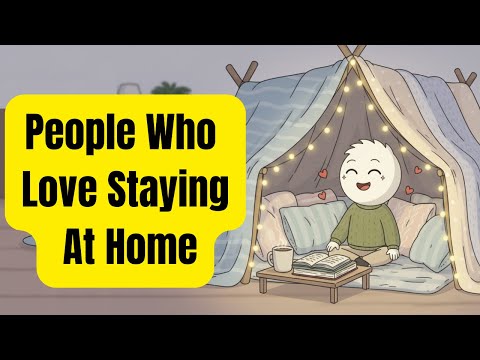
The Psychology of People Who Love Staying At Home
0
Jenny posted on 2026/02/01Ever wonder why some people absolutely love staying home? This video dives into the psychology behind being a 'homebody,' exploring concepts like low stimulation preference and optimal arousal theory. You'll pick up some great vocabulary related to introversion and personal rituals, all while learning about different ways people find happiness and recharge!
Learn this video on the APP!
The VoiceTube App has more in-depth practice for videos!