
at a time
US /æt e taɪm/
UK /æt ə taim/
- Phrase
- Separately; one by one
- Simultaneously; together
A1Moreat least
US /æt list/
UK /æt li:st/
- Adverb
- As a minimum
- Not less than
- Phrase
- No less than; at the minimum
- Used to indicate that something is positive in a bad situation.
C2Moreat work
US /æt wɚk/
UK /æt wə:k/
- Phrase
- Located at one's place of employment
A1Moreblack and white
US /blæk ənd hwaɪt/
UK /blæk ænd hwait/
- Phrase
- Adjective
- Showing images only in black, grey, and white, not in colour.
A1Morebreak it down
US
UK
- Phrasal Verb
- To simplify something complex into smaller, more manageable parts.
- To explain something in a detailed and understandable way.
A2Moreby now
US /baɪ naʊ/
UK /bai nau/
- Phrase
- At the present time or already; before the present.
A2Morecome back
US /kʌm bæk/
UK /kʌm bæk/
- Phrasal Verb
- To reply to someone, often forcefully
- To be remembered
A1Moredefinition
US /ˌdɛfəˈnɪʃən/
UK /ˌdefɪˈnɪʃn/
- Noun (Countable/Uncountable)
- Explanation of word's meaning, as in dictionaries
- The sharpness of an image on a screen
A2TOEICMorefault
US /fɔlt/
UK /fɔ:lt/
- Noun (Countable/Uncountable)
- A failure or negative aspect of
- Crack in the earth where earthquakes can happen
- Transitive Verb
- To blame someone, something for a negative result
A2Morefor instance
US /fɔr ˈɪnstəns/
UK /fɔ: ˈinstəns/
- Adverb
- As an example.
- Phrase
- As an example.
- As an illustration or case in point
B1Morefull picture
US
UK
- Noun
- A complete and comprehensive understanding of a situation or issue.
- A detailed and comprehensive view or representation of something.
get the picture
US
UK
- Verb (Transitive/Intransitive)
- To understand a situation or idea.
A1Morego away
US /ɡo əˈwe/
UK /ɡəu əˈwei/
- Phrasal Verb
- To go on vacation
- To leave; depart.
A1Morego back to
US /ɡo bæk tu/
UK /ɡəu bæk tu:/
- Phrasal Verb
- To return to a starting point
A1Moregrammar
US /ˈɡræmɚ/
UK /ˈgræmə(r)/
- Uncountable Noun
- Book describing the syntactic rules of a language
- Rules explaining how words are used in a language
B1Morehave to
US /hæv tu/
UK /ˈhæv tə/
- Auxiliary Verb
- Must do
A1Morein business
US /ɪn ˈbɪznɪs/
UK /in ˈbiznis/
- Phrase
- Actively operating as a commercial enterprise.
- Having a commercial partnership or association.
A1Morein color
US
UK
- Phrase
- Displayed or produced using all colors; not black and white.
- Adjective
- Full of vivid colors; bright and vibrant.
A1Morein other words
US
UK
- Phrase
- Stating something in a different way, often to make it clearer or more understandable.
limit
US /ˈlɪmɪt/
UK /'lɪmɪt/
- Noun (Countable/Uncountable)
- Point beyond which it is not possible to go
- A line or edge marking the boundary of an area.
- Transitive Verb
- To stop or prevent an increase past a point
A2TOEICMorelook at
US /lʊk æt/
UK /luk æt/
- Phrasal Verb
- To use your eyes to focus on something
- To focus your eyes on something carefully
A1Moremaster
US /ˈmæstɚ/
UK /'mɑ:stə(r)/
- Transitive Verb
- To gain control over something
- To learn to do something very well
- Adjective
- Being very skilled at doing something
- Being the main or most important thing or part
A2Morepick it up
US
UK
- Phrasal Verb
- To lift something from a surface.
- To collect something or someone.
A2Morepronounce
US /prəˈnaʊns/
UK /prə'naʊns/
- Transitive Verb
- To state something in a legal or official way
- To give your opinion or decision about something
B1Moreput it together
US
UK
- Phrasal Verb
- To assemble or construct something from separate parts.
- To organize or create something, such as a plan or presentation.
A1Moresix times
US
UK
- Adverb
- Multiplied by six; a factor of six.
- On six occasions; six instances.
spell
US /spɛl/
UK /spel/
- Transitive Verb
- To lead to future trouble
- To be able to write (or say) the letters of a word
- Noun (Countable/Uncountable)
- Making some magic happen; form of words to do this
- Period of time; time when an action is being done
A2Morespell it out
US /spɛl ɪt aʊt/
UK /spel ɪt aʊt/
- other
- To explain something clearly and in detail.
B1Morestress
US / strɛs/
UK /stres/
- Transitive Verb
- To emphasize one or more parts of a word, sentence
- To put pressure on something or someone
- Noun (Countable/Uncountable)
- Emphasis on part of a word or sentence
- Pressure on something or someone
A2TOEICMoresuch as
US /sʌtʃ æz/
UK /sʌtʃ æz/
- Preposition
- For example; like
A1Moretalking about
US
UK
- Phrasal Verb
- To discuss a particular topic.
- To be constantly mentioning or bringing up a subject.
A1Morethumbs up
US
UK
- Noun
- A gesture of approval or agreement, indicated by holding a fist with the thumb extended upwards.
- A positive rating or vote on social media or online platforms.
- Noun (plural)
- Multiple gestures of approval or agreement made by extending the thumbs upward.
A1Moreto do with
US
UK
- Phrasal Verb
- To be about something; concern
A1Morevocabulary
US /voˈkæbjəˌlɛri/
UK /və'kæbjələrɪ/
- Uncountable Noun
- Words that have to do with a particular subject
- The words that a person knows
B1TOEICMorewrite down
US /raɪt daʊn/
UK /rait daun/
- Phrasal Verb
- To record in writing
A1Morewrite out
US /raɪt aʊt/
UK /rait aut/
- Phrasal Verb
- To write something in full instead of using abbreviations or symbols.
- To copy something by writing it.
A1More
Vocabulary
- look at: To use your eyes to focus on something
- have to: Must do
- write out: To write something in full instead of using abbreviations or symbols.
- black and white
- for instance: As an example.
- break it down: To simplify something complex into smaller, more manageable parts.
- go away: To go on vacation
- come back: To reply to someone, often forcefully
- thumbs up: A gesture of approval or agreement, indicated by holding a fist with the thumb extended upwards.
- full picture: A complete and comprehensive understanding of a situation or issue.
- in color: Displayed or produced using all colors; not black and white.
- six times: Multiplied by six; a factor of six.
- in business: Actively operating as a commercial enterprise.
- at work: Located at one's place of employment
- go back to: To return to a starting point
- get the picture: To understand a situation or idea.
- at a time: Separately; one by one
- put it together: To assemble or construct something from separate parts.
- spell it out: To explain something clearly and in detail.
- such as: For example; like
- talking about: To discuss a particular topic.
- pick it up: To lift something from a surface.
- at least: As a minimum
- in other words: Stating something in a different way, often to make it clearer or more understandable.
- to do with: To be about something; concern
- write down: To record in writing
- by now: At the present time or already; before the present.
- stress: To emphasize one or more parts of a word, sentence
- vocabulary: Words that have to do with a particular subject
- work: The product of some artistic or literary endeavor
- master: To gain control over something
- definition: Explanation of word's meaning, as in dictionaries
- word: Unit of language that has a meaning
- understand: To know the meaning of language, what someone says
- pronounce: To state something in a legal or official way
- grammar: Book describing the syntactic rules of a language
- picture: General situation or state of being
- limit: Point beyond which it is not possible to go
- rise: To wake up and get out of bed after sleeping
- lesson: Something done to learn or teach something; class
- fault: A failure or negative aspect of
- spell: To lead to future trouble
Get the full experience in the app
Learn anywhere with detailed sentence and usage analysis
01:03
She took a brave step forward, leaving behind her comfort zone to chase her dreams.
Vocabulary
- brave
adj. Having courage
- comfort zone
phr. A familiar situation where one feels safe
Explanation
a brave step is a noun phrase, where brave is an adjective modifying the noun step, meaning "a courageous step".
forward is an adverb modifying step, meaning "ahead".
The whole phrase serves as the object, answering the "what" of took (verb) — she took a brave step forward.
Get the full experience in the app
Look up words anytime with pronunciation, part of speech, and usage
brave
US/brev/
UK/breɪv/
adj.Brave
v.t.To bravely face
A2 Elementary
Get the full experience in the app
Practice speaking anytime and get instant pronunciation feedback
Try this speaking exercise.
Try practicing with this sentence.
80
How to MASTER your vocabulary
0
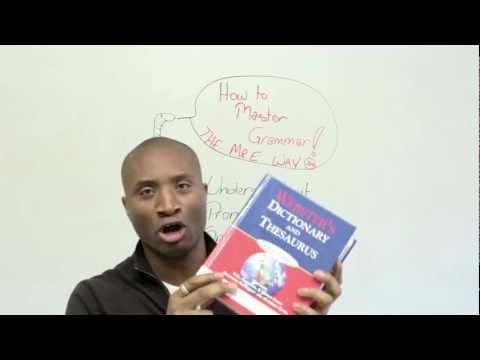
Go Tutor posted on 2015/01/05Struggling to remember new English words? This video breaks down the "3U method" to help you master vocabulary, covering pronunciation and spelling strategies step-by-step! You'll pick up tons of useful words and learn how to make them stick with practical example sentences.
Learn this video on the APP!
The VoiceTube App has more in-depth practice for videos!