
abide
US /əˈbaɪd/
UK /ə'baɪd/
- Intransitive Verb
- To live somewhere (formal, old-fashioned)
B2TOEICMoreaccent
US /ˈækˌsɛnt/
UK /'æksent/
- Transitive Verb
- To give emphasis to (a point you are making)
- Noun
- Feature of a design, e.g. a stripe on a shirt
- Correct spoken emphasis on a part of a word
A2Moreadministration
US / ædˌmɪnɪˈstreʃən/
UK /ədˌmɪnɪˈstreɪʃn/
- Uncountable Noun
- Act of giving e.g. medicine to a patient
- The work of running something, e.g. a business
B1TOEICMoreassume
US /əˈsum/
UK /ə'sju:m/
- Transitive Verb
- To act in a false manner to mislead others
- To believe, based on the evidence; suppose
A2TOEICMoreattorney
US /əˈtɚni/
UK /ə'tɜ:nɪ/
- Countable Noun
- Person giving legal advice; a lawyer
B2TOEICMoreborder
US /ˈbɔrdɚ/
UK /'bɔ:də(r)/
- Verb (Transitive/Intransitive)
- To be right next to another country or state
- To form the edge of something
- Noun
- Outer part or edge of something
- Line separating one country, state from another
A2TOEICMorebrush
US /brʌʃ/
UK /brʌʃ/
- Verb (Transitive/Intransitive)
- To touch against a thing very lightly when moving
- To clean, paint, or apply something with a brush
- Noun (Countable/Uncountable)
- Quick and gentle movement
- Thing with hairs used to apply paint, etc.
A2Morebuild up
US /bɪld ʌp/
UK /bild ʌp/
- Phrasal Verb
- To increase the amount; collect something
- To develop or increase something in stages
- Verb (Transitive/Intransitive)
- To increase or develop something gradually.
- To praise or encourage someone.
A1Morecalm
US /kɑm/
UK /kɑ:m/
- Adjective
- Without wind or storm; quiet; peaceful
- Relaxed and not worried or angry
- Verb (Transitive/Intransitive)
- To make or become relaxed and not worried or angry
A2Morechaos
US /ˈkeˌɑs/
UK /'keɪɒs/
- Noun (plural)
- State of utter confusion or disorder
- Uncountable Noun
- Complete disorder and confusion.
- Behavior so unpredictable as to appear random, owing to great sensitivity to small changes in conditions.
B1Morechaotic
US /keɪˈɒtɪk/
UK /keɪ'ɒtɪk/
- Adjective
- Utterly confused
B1Morechief
US /tʃif/
UK /tʃi:f/
- Noun
- Leader of a race or group of people
- The one highest in authority or importance
- Adjective
- The one highest in authority or importance
A2Morecommonwealth
US /ˈkɑmənˌwɛlθ/
UK /ˈkɒmənwelθ/
- Noun
- Group of countries connected politically
B2Morecommunity
US /kəˈmjunɪti/
UK /kə'mju:nətɪ/
- Noun (Countable/Uncountable)
- Group of people who share a common idea or area
- A feeling of fellowship with others, as a result of sharing common attitudes, interests, and goals.
- Adjective
- Relating to or shared by the people in a particular area.
- Shared or participated in by all members of a group
A2Moreconsideration
US /kənˌsɪdəˈreʃən/
UK /kənˌsɪdəˈreɪʃn/
- Uncountable Noun
- Careful thought; thinking about something
- Careful thought, typically over a period of time.
A2Moreconstitutional
US /ˌkɑnstɪˈtuʃənəl, -ˈtju-/
UK /ˌkɒnstɪˈtju:ʃənl/
- Adjective
- Regarding laws that govern a nation and its people
- Regarding the basic health, character of a person
B2Moreenforcement
US /ɪn'fɔ:smənt/
UK /ɪn'fɔ:smənt/
- Uncountable Noun
- Process of making sure that rules are followed
- The act of compelling observance of or compliance with a law, rule, or obligation.
B1Moreevidently
US /ˈɛvɪdəntli, ˌɛvɪˈdɛntli/
UK /ˈevɪdəntli/
- Adverb
- In a manner that is easy to see, notice, or sense
B1Moreevil
US /ˈivəl/
UK /'i:vl/
- Countable Noun
- Act considered morally bad
- Adjective
- Morally bad; causing harm to people
- Profoundly immoral and wicked.
A2Morefederal
US /ˈfɛdərəl, ˈfɛdrəl/
UK /'fedərəl/
- Adjective
- Consisting of several united states
- Relating to a system of government in which power is divided between a central authority and constituent political units.
- Proper Noun
- The central banking system of the United States.
B1Moreforce for good
US
UK
- Noun
- A person or thing that has a positive and beneficial influence.
B1Moreget out of
US /ɡɛt aʊt ʌv/
UK /ɡet aut ɔv/
- Phrasal Verb
- To leave or escape responsibilities, troubles
- To leave a small, enclosed vehicle
A1Morego out
US /ɡo aʊt/
UK /ɡəu aut/
- Phrase
- To leave a building (e.g. a house)
- Phrasal Verb
- (Of a fire) to burn out; be extinguished
- Go out of fashion to stop being fashionable
A1Moregovernor
US /ˈgʌvərnə(r)/
UK /ˈgʌvənə(r)/
- Noun
- Person who leads a state or province
B2Moreguest
US /ɡɛst/
UK /ɡest/
- Noun (Countable/Uncountable)
- Person invited to visit or stay in someone's home
- Paying customer at a hotel or restaurant
- Adjective
- Referring to people visiting or staying at a place
- Provided for or used by a guest.
A2Morehard to say
US
UK
- Phrase
- Difficult to know or predict; uncertain.
A1Morehave to
US /hæv tu/
UK /ˈhæv tə/
- Auxiliary Verb
- Must do
A1Morehavoc
US /'hævək/
UK /ˈhævək/
- Uncountable Noun
- Situation with destruction, damage and confusion
B2Morehomeland
US /ˈhoʊmlænd/
UK /ˈhəʊmlænd/
- Noun
- Country where you were born
C1Morehorrify
US /ˈhɔ:rɪfaɪ/
UK /ˈhɒrɪfaɪ/
- Transitive Verb
- To cause someone to feel horror or shock
B2Moreidentify
US /aɪˈdɛntəˌfaɪ/
UK /aɪ'dentɪfaɪ/
- Transitive Verb
- To indicate who or what someone or something is
- To say exactly what something is
B1TOEICMorein the face of
US //ɪn ðə feɪs ɑv//
UK
- Phrase
- When confronted with something difficult or challenging.
- Despite; in defiance of; when confronted with.
A1Moreincitement
US /ɪnˈsaɪtmənt/
UK /ɪnˈsaɪtmənt/
- Uncountable Noun
- Rousing people to action, e.g. a riot
B2Moreinstead of
US /ɪnˈstɛd ʌv/
UK /inˈsted ɔv/
- Preposition
- When one thing is replaced by another
- Adverb
- As a substitute or alternative.
A1Morelaw enforcement officer
US
UK
- Countable Noun
- A member of an agency responsible for enforcing laws.
B1Moremask
US /mæsk/
UK /mɑ:sk/
- Transitive Verb
- To hide something so that it cannot be seen
- To hide something so that it cannot be seen
- Noun (Countable/Uncountable)
- Covering to hide or disguise the face
- Way of pretending to behave that is not real
B1Moremission
US /ˈmɪʃən/
UK /'mɪʃn/
- Noun (Countable/Uncountable)
- A task or role someone is given to do
- Special assignment given to a person or group
B1TOEICMoreno matter
US
UK
- Conjunction
- Regardless of; it does not matter.
- Adverb
- Regardless of; it is not important
A1Moreof course
US /ʌv kɔː(r)s/
UK /ɔv kɔː(r)s/
- Adverb
- Sure ; Certainly
- Phrase
- For sure; certainly
A2Moreofficer
US /ˈɔ:fɪsə(r)/
UK /ˈɒfɪsə(r)/
- Noun (Countable/Uncountable)
- Person of high position in an organization
- Person of high position in the military
B1Moreonslaught
US /ˈɑnˌslɔt,ˈɔn-/
UK /ˈɒnslɔ:t/
- Noun
- Violent attack; a sudden rush of something
C1Moreoutrage
US /ˈaʊtˌredʒ/
UK /'aʊtreɪdʒ/
- Noun
- Very wrong or cruel act which causes great anger
- Transitive Verb
- To cause anger to due to wrong or cruel acts
B1Morepolicy
US /ˈpɑlɪsi/
UK /'pɒləsɪ/
- Noun
- Document stating terms of an insurance agreement
- Course of action proposed by an organization, etc.
A2TOEICMorerely
US /rɪˈlaɪ/
UK /rɪ'laɪ/
- Intransitive Verb
- Depend on with full trust or confidence
- To trust or have confidence in someone.
B2TOEICMorerift
US /rɪft/
UK /rɪft/
- Noun
- Opening made by splitting; a major disagreement
B2TOEICMoreright back
US /raɪt bæk/
UK /rait bæk/
- Interjection
- Said when someone says they will return soon, indicating you expect their prompt return.
- Adverb
- Immediately; very soon after going.
A1Morespend
US /spɛnd/
UK /spend/
- Transitive Verb
- To use money to pay for something
- To use time in order to do something
A2TOEICMorespirit
US /ˈspɪrɪt/
UK /'spɪrɪt/
- Noun
- Person's strong determination or attitude
- Unique qualities of person, place, or time
- Transitive Verb
- To take someone away as if by magic
A2Morestand up to
US /stænd ʌp tu/
UK /stænd ʌp tu:/
- Phrasal Verb
- To resist or fight someone who is being aggressive
A1Moretabletop
US /ˈtebəlˌtɑp/
UK /ˈteɪbltɒp/
- Noun
- Top horizontal work surface of a table
C2Moreterminate
US /ˈtɚməˌnet/
UK /'tɜ:mɪneɪt/
- Transitive Verb
- To bring something to and end or finish
- To (cause to) finish in a particular way or place
B1Morethink about
US /θɪŋk əˈbaʊt/
UK /θiŋk əˈbaut/
- Phrasal Verb
- To consider something carefully.
- To remember or call to mind.
A1Moretransportation
US /ˌtrænspɔ:rˈteɪʃn/
UK /ˌtrænspɔ:ˈteɪʃn/
- Noun (Countable/Uncountable)
- Act of moving people or goods between places
- A system or means of transport, especially public transport.
B1Moretrust
US /trʌst/
UK /trʌst/
- Verb (Transitive/Intransitive)
- To expect confidently
- To have confidence or faith
- Uncountable Noun
- Wealth or property held by one person for another
- The belief that someone is honest
A2TOEICMoreundercover
US /ˌʌndərˈkʌvə(r)/
UK /ˌʌndəˈkʌvə(r)/
- Adverb
- Operating in disguise; incognito
- Adjective
- Involving secret work within an organization, especially for the police or government.
B2Moreundermine
US /ˌʌndərˈmaɪn/
UK /ˌʌndəˈmaɪn/
- Transitive Verb
- To weaken or destroy secretly and usually slowly
- To excavate the foundation or supporting material of (a building, cliff, etc.).
B2TOEICMoreuniform
US /ˈju:nɪfɔ:rm/
UK /ˈju:nɪfɔ:m/
- Noun
- Set of clothes showing you belong to an army, etc.
- Verb (Transitive/Intransitive)
- To dress in formal clothes like the army wear
- To make a group of things the same
A2Morevideotape
US /ˈvɪdioˌtep/
UK /'vɪdɪəʊteɪp/
- Noun
- Magnetic tape for recording live images and sound
- Transitive Verb
- To record something using a video camera.
C2Moreviolate
US /ˈvaɪəˌlet/
UK /ˈvaɪəleɪt/
- Transitive Verb
- To abuse, damage or disrespect
- To break rules or laws; disregard important rights
B1Morevirtue
US /ˈvɜ:rtʃu:/
UK /'vɜ:tʃu:/
- Noun (Countable/Uncountable)
- Benefit, advantage, or good result of something
- Morally good quality
B1Moreway up here
US
UK
- Phrase
- At a high or elevated location, often emphasizing the distance or effort to reach it.
- In a high-ranking position or status, often implying a distance from everyday realities.
A1Morewithout question
US
UK
- Phrase
- Undoubtedly; certainly; definitely.
- In a manner indicating full acceptance or obedience.
A2More
Vocabulary
- force for good: A person or thing that has a positive and beneficial influence.
- have to: Must do
- way up here: At a high or elevated location, often emphasizing the distance or effort to reach it.
- of course: Sure ; Certainly
- hard to say: Difficult to know or predict; uncertain.
- no matter: Regardless of; it does not matter.
- law enforcement officer: A member of an agency responsible for enforcing laws.
- instead of: When one thing is replaced by another
- without question: Undoubtedly; certainly; definitely.
- go out: To leave a building (e.g. a house)
- build up: To increase the amount; collect something
- get out of: To leave or escape responsibilities, troubles
- in the face of: When confronted with something difficult or challenging.
- think about: To consider something carefully.
- stand up to: To resist or fight someone who is being aggressive
- right back: Said when someone says they will return soon, indicating you expect their prompt return.
- assume: To act in a false manner to mislead others
- accent: To give emphasis to (a point you are making)
- force: Group of persons trained for military action; army
- common: Area in a city or town that is open to everyone
- chaos: State of utter confusion or disorder
- general: Widespread, normal or usual
- sense: Certain mental feeling or emotion
- community: Group of people who share a common idea or area
- identify: To indicate who or what someone or something is
- fear: Unpleasant feeling caused by being aware of danger
- chaotic: Utterly confused
- calm: Without wind or storm; quiet; peaceful
- state: Region within a country, with its own government
- federal: Consisting of several united states
- virtue: Benefit, advantage, or good result of something
- spirit: Person's strong determination or attitude
- havoc: Situation with destruction, damage and confusion
- administration: Act of giving e.g. medicine to a patient
- create: To make, cause, or bring into existence
- undermine: To weaken or destroy secretly and usually slowly
- reason: To think and make conclusions in a logical manner
- rely: Depend on with full trust or confidence
- attorney: Person giving legal advice; a lawyer
- border: To be right next to another country or state
- policy: Document stating terms of an insurance agreement
- spend: To use money to pay for something
- enforcement: Process of making sure that rules are followed
- build: Your physical shape; physique
- mission: A task or role someone is given to do
- abide: To live somewhere (formal, old-fashioned)
- chief: Leader of a race or group of people
- government: Group of people and system that rule a nation
- transportation: Act of moving people or goods between places
- rumor: To gossip; to tell a story about other people
- stand: To be a candidate in an election
- violate: To abuse, damage or disrespect
- protect: To defend someone or something from harm or danger
- outrage: Very wrong or cruel act which causes great anger
- great: Very good; better than before
- consideration: Careful thought; thinking about something
- person: Man, woman or child
- trust: To expect confidently
- evil: Act considered morally bad
- onslaught: Violent attack; a sudden rush of something
- brush: To touch against a thing very lightly when moving
- constitutional: Regarding laws that govern a nation and its people
- rift: Opening made by splitting; a major disagreement
- guest: Person invited to visit or stay in someone's home
- undercover: Operating in disguise; incognito
- uniform: Set of clothes showing you belong to an army, etc.
- terminate: To bring something to and end or finish
- governor: Person who leads a state or province
- commonwealth: Group of countries connected politically
- evidently: In a manner that is easy to see, notice, or sense
- mask: To hide something so that it cannot be seen
- officer: Person of high position in an organization
- homeland: Country where you were born
- horrify: To cause someone to feel horror or shock
- incitement: Rousing people to action, e.g. a riot
- videotape: Magnetic tape for recording live images and sound
- tabletop: Top horizontal work surface of a table
Get the full experience in the app
Learn anywhere with detailed sentence and usage analysis
01:03
She took a brave step forward, leaving behind her comfort zone to chase her dreams.
Vocabulary
- brave
adj. Having courage
- comfort zone
phr. A familiar situation where one feels safe
Explanation
a brave step is a noun phrase, where brave is an adjective modifying the noun step, meaning "a courageous step".
forward is an adverb modifying step, meaning "ahead".
The whole phrase serves as the object, answering the "what" of took (verb) — she took a brave step forward.
Get the full experience in the app
Look up words anytime with pronunciation, part of speech, and usage
brave
US/brev/
UK/breɪv/
adj.Brave
v.t.To bravely face
A2 Elementary
Get the full experience in the app
Practice speaking anytime and get instant pronunciation feedback
Try this speaking exercise.
Try practicing with this sentence.
80
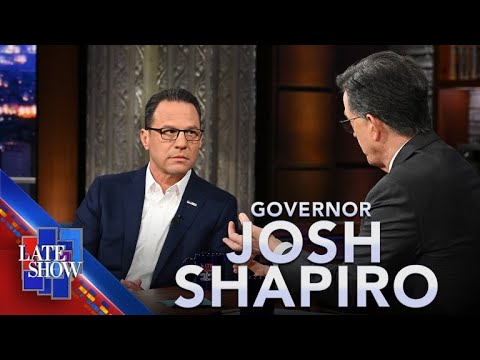
How Gov. Shapiro Is Preparing To Defend Pennsylvanians From Federal Government Overreach
0
林宜悉 posted on 2026/01/27Ever wondered how a governor tackles federal overreach and builds community trust? This video dives into Governor Josh Shapiro's approach, giving you a fantastic chance to pick up advanced vocabulary related to law enforcement and constitutional rights. You'll also get a taste of real-world dialogue, making it perfect for understanding complex issues while boosting your English!
Learn this video on the APP!
The VoiceTube App has more in-depth practice for videos!