
accent
US /ˈækˌsɛnt/
UK /'æksent/
- Transitive Verb
- To give emphasis to (a point you are making)
- Noun
- Feature of a design, e.g. a stripe on a shirt
- Correct spoken emphasis on a part of a word
A2Moreaffect
US /əˈfɛkt/
UK /ə'fekt/
- Transitive Verb
- To cause a change in something else
- To pretend to have or feel (something).
- Noun
- (Psychology) Emotion or feeling.
A2TOEICMorebasically
US /ˈbesɪkəli,-kli/
UK /ˈbeɪsɪkli/
- Adverb
- Used before you explain something simply, clearly
- In essence; when you consider the most important aspects of something.
A2Morecoast
US /kost/
UK /kəʊst/
- Noun
- Land near the sea or ocean
- Intransitive Verb
- To progress in something without trying hard
- (Of a vehicle) to move forward without power
A2TOEICMoredecide
US /dɪˈsaɪd/
UK /dɪ'saɪd/
- Verb (Transitive/Intransitive)
- To make a choice or choose after thinking about it
- To make a legal judgment in court
A2TOEICMoredecrease
US /dɪˈkris/
UK /dɪˈkri:s/
- Verb (Transitive/Intransitive)
- To reduce the size, amount or number of something
- Uncountable Noun
- Amount by which something has been reduced
B1TOEICMoredefault
US /dɪˈfɔlt/
UK /dɪ'fɔ:lt/
- Noun (Countable/Uncountable)
- Automatic setting when no indicated preference
- Failure to meet an agreement or make a payment
- Verb (Transitive/Intransitive)
- To fail to meet as agreed; failure to pay
- To return to a previously determined state
B2TOEICMoredialect
US /ˈdaɪəˌlɛkt/
UK /ˈdaɪəlekt/
- Noun
- Way of speaking used by a group or in a region
B2Moredominance
US /ˈdɑmənəns/
UK /'dɒmɪnəns/
- Uncountable Noun
- Having more power, success than others
- Power and influence over others.
B1Moreencounter
US /ɛnˈkaʊntɚ/
UK /ɪn'kaʊntə(r)/
- Verb (Transitive/Intransitive)
- To come up against a problem or trouble; meet
- To meet someone or something unexpectedly
- Noun
- A chance meeting; unexpected or unplanned meeting
B1TOEICMoreestablish
US /ɪˈstæblɪʃ/
UK /ɪˈstæblɪʃ/
- Transitive Verb
- To set or create something to last for a long time
- To use facts, evidence to show truth or clarity
A2TOEICMoreeventually
US /ɪˈvɛntʃuəli/
UK /ɪˈventʃuəli/
- Adverb
- After a long time; after many attempts; in the end
- At some later time; in the future
A2Moreexception
US /ɪkˈsɛpʃən/
UK /ɪkˈsepʃn/
- Noun (Countable/Uncountable)
- Something different or not included
- An objection or feeling of disapproval.
B1TOEICMorefashionable
US /ˈfæʃənəbəl/
UK /ˈfæʃnəbl/
- Adjective
- Behaving and dressing as is currently popular
- Trend that is popular at a given time
B1Moregen
US /dʒen/
UK /dʒen/
- Uncountable Noun
- (UK old-fashioned, informal) Information about a particular subject
- Noun
- a group of people born around the same time who share a similar age
B2Moregeneration
US /ˌdʒɛnəˈreʃən/
UK /ˌdʒenəˈreɪʃn/
- Noun (Countable/Uncountable)
- Act or process of producing or causing something
- People born and living at about the same time
A2TOEICMoregoing on
US /ˈɡoɪŋ ɑn/
UK /ˈgəʊɪŋ ɔn/
- Phrasal Verb
- To continue doing something
- To happen (usually negative)
A1Moregrandma
US /ˈɡrændˌmɑ,/
UK /ˈgrænmɑ:/
- Noun
- Mother of your father or mother
B2Moregrandmother
US /ˈɡrændˌmʌðɚ, ˈɡræn-/
UK /ˈgrænmʌðə(r)/
- Noun
- Your mother or father's mother
B2Moreidentify
US /aɪˈdɛntəˌfaɪ/
UK /aɪ'dentɪfaɪ/
- Transitive Verb
- To indicate who or what someone or something is
- To say exactly what something is
B1TOEICMoreimitate
US /ˈɪmɪˌtet/
UK /ˈɪmɪteɪt/
- Transitive Verb
- To act, speak like someone or something else
B2Moreimpersonation
US /ɪmˌpɜ:sə'neɪʃn/
UK /ɪmˌpɜ:sə'neɪʃn/
- Uncountable Noun
- Imitating the mannerisms of another person
- The act of pretending to be another person.
C1Moreinfluence
US / ˈɪnfluəns/
UK /'ɪnflʊəns/
- Verb (Transitive/Intransitive)
- To affect or change something indirectly
- To persuade someone to do something.
- Noun (Countable/Uncountable)
- The power to affect what happens, to persuade etc.
- A person or thing that affects someone or something in an important way.
A2TOEICMoreinstead of
US /ɪnˈstɛd ʌv/
UK /inˈsted ɔv/
- Preposition
- When one thing is replaced by another
- Adverb
- As a substitute or alternative.
A1Moreinvade
US /ɪnˈved/
UK /ɪnˈveɪd/
- Transitive Verb
- To enter something causing a harmful result
- To enter (a country or region) so as to subjugate or occupy it.
B1Morejust kind of
US
UK
- Phrase
- Used to express a feeling or state in a vague or hesitant way.
- Used to indicate something is approximately or generally similar to something else.
A2Moremaintain
US /menˈten/
UK /meɪn'teɪn/
- Transitive Verb
- To keep saying something a certain way
- To keep (machine) working by checking, repairing
A2TOEICMoremidwest
US
UK
- Adjective
- North central region of the United States
B1Moremillennial
US /mɪ'lenɪrl/
UK /mɪ'lenɪəl/
- Adjective
- Concerning a millennium (a thousand years)
- Relating to the millennial generation.
- Noun
- A person born between the early 1980s and the mid-1990s to early 2000s.
- A person reaching young adulthood around the year 2000.
B2Moreneutral
US /ˈnu:trəl/
UK /ˈnju:trəl/
- Adjective
- Something with pH value of 7
- Having no positive or negative electrical charge
- Noun (Countable/Uncountable)
- Color that is dull and not bright, such as gray
- The rest position for gears in a car or vehicle
B1Morenowadays
US /ˈnaʊəˌdez/
UK /ˈnaʊədeɪz/
- Adverb
- At the present time; now
- Noun
- The current period of time; the present.
A2Moreobvious
US /ˈɑbviəs/
UK /ˈɒbviəs/
- Adjective
- Easily understood and clear; plain to see
- Easy to see or notice.
A2TOEICMoreof course
US /ʌv kɔː(r)s/
UK /ɔv kɔː(r)s/
- Adverb
- Sure ; Certainly
- Phrase
- For sure; certainly
A2Moreon the internet
US
UK
- Phrase
- Located or available on the internet.
- Using the internet as a medium or platform.
A1Moreoriginal
US /əˈrɪdʒənəl/
UK /ə'rɪdʒənl/
- Adjective
- Being first made, thought or performed; fresh
- Being unique or thinking differently from others
- Noun (Countable/Uncountable)
- A work of art, writing, or music that is not a copy.
- A person of fresh initiative or inventiveness.
A2TOEICMoreover to
US
UK
- Preposition
- Used to hand over to someone else to speak
- The responsibility is now yours
pronounce
US /prəˈnaʊns/
UK /prə'naʊns/
- Transitive Verb
- To state something in a legal or official way
- To give your opinion or decision about something
B1Morepronunciation
US /prəˌnʌnsiˈeʃən/
UK /prəˌnʌnsiˈeɪʃn/
- Noun (Countable/Uncountable)
- How a word is said; how a word sounds
- The manner in which someone utters a word.
B1Morerandomly
US /'rændəmlɪ/
UK /'rændəmlɪ/
- Adverb
- With no pattern or clear purpose; by chance
B1TOEICMoreregional
US /ˈridʒənəl/
UK /ˈri:dʒənl/
- Adjective
- Of a particular area, not the whole of a country
- Characteristic of a particular region.
B1Moresophisticated
US /səˈfɪstɪˌketɪd/
UK /səˈfɪstɪkeɪtɪd/
- Adjective
- Making a good sounding but misleading argument
- Wise in the way of the world; having refined taste
- Transitive Verb
- To make someone more worldly and experienced
B1TOEICMorestandard
US /ˈstændəd/
UK /'stændəd/
- Noun
- Official unit of measuring something
- Principle of behaving in a moral way
- Adjective
- Being the accepted normal level of quality
- (Of a language) being the most accepted in a place
A2TOEICMoreupper
US /ˈʌpɚ/
UK /ˈʌpə(r)/
- Noun (Countable/Uncountable)
- Drug that improves mood or increases energy
- Something happy or encouraging
- Adjective
- Located above others of the same kind
- Being the northern part of a region
B1Moreversion
US /ˈvɚʒən, -ʃən/
UK /ˈvə:ʃən/
- Noun
- Different way that someone interprets something
- New or different form of something
A2TOEICMorewith it
US /wɪð ɪt/
UK /wið it/
- Adjective
- Intelligent, alert, and up-to-date.
- Understanding and knowledgeable about current trends or information.
A1More
Vocabulary
- over to: Used to hand over to someone else to speak
- instead of: When one thing is replaced by another
- with it: Intelligent, alert, and up-to-date.
- on the internet: Located or available on the internet.
- just kind of: Used to express a feeling or state in a vague or hesitant way.
- of course: Sure ; Certainly
- going on: To continue doing something
- eventually: After a long time; after many attempts; in the end
- pronunciation: How a word is said; how a word sounds
- obvious: Easily understood and clear; plain to see
- sophisticated: Making a good sounding but misleading argument
- accent: To give emphasis to (a point you are making)
- imitate: To act, speak like someone or something else
- basically: Used before you explain something simply, clearly
- encounter: To come up against a problem or trouble; meet
- identify: To indicate who or what someone or something is
- default: Automatic setting when no indicated preference
- version: Different way that someone interprets something
- influence: To affect or change something indirectly
- neutral: Something with pH value of 7
- pronounce: To state something in a legal or official way
- establish: To set or create something to last for a long time
- affect: To cause a change in something else
- maintain: To keep saying something a certain way
- compare: To consider how similar and different things are
- drop: Distance between a higher and a lower level
- reason: To think and make conclusions in a logical manner
- generation: Act or process of producing or causing something
- standard: Official unit of measuring something
- dominance: Having more power, success than others
- exception: Something different or not included
- strange: Unusual or odd; surprising because unexpected
- randomly: With no pattern or clear purpose; by chance
- dialect: Way of speaking used by a group or in a region
- lot: What happens to a person in life from chance; fate
- millennial: Concerning a millennium (a thousand years)
- original: Being first made, thought or performed; fresh
- coast: Land near the sea or ocean
- british: Concerning the culture and people of British
- kind: In a caring and helpful manner
- decrease: To reduce the size, amount or number of something
- fact: Something that is known or proved to be true
- invade: To enter something causing a harmful result
- simple: Not hard to understand or do; not complex
- prefer: To like something better than something else
- decide: To make a choice or choose after thinking about it
- language: Words or signs used to communicate messages
- nowadays: At the present time; now
- land: Region or country
- person: Man, woman or child
- grow: To get bigger and more mature; make plants do this
- hard: Difficult to do; difficult to understand
- regional: Of a particular area, not the whole of a country
- upper: Drug that improves mood or increases energy
- impersonation: Imitating the mannerisms of another person
- fashionable: Behaving and dressing as is currently popular
- gen: (UK old-fashioned, informal) Information about a particular subject
- grandmother: Your mother or father's mother
- grandma: Mother of your father or mother
- midwest: North central region of the United States
Get the full experience in the app
Learn anywhere with detailed sentence and usage analysis
01:03
She took a brave step forward, leaving behind her comfort zone to chase her dreams.
Vocabulary
- brave
adj. Having courage
- comfort zone
phr. A familiar situation where one feels safe
Explanation
a brave step is a noun phrase, where brave is an adjective modifying the noun step, meaning "a courageous step".
forward is an adverb modifying step, meaning "ahead".
The whole phrase serves as the object, answering the "what" of took (verb) — she took a brave step forward.
Get the full experience in the app
Look up words anytime with pronunciation, part of speech, and usage
brave
US/brev/
UK/breɪv/
adj.Brave
v.t.To bravely face
A2 Elementary
Get the full experience in the app
Practice speaking anytime and get instant pronunciation feedback
Try this speaking exercise.
Try practicing with this sentence.
80
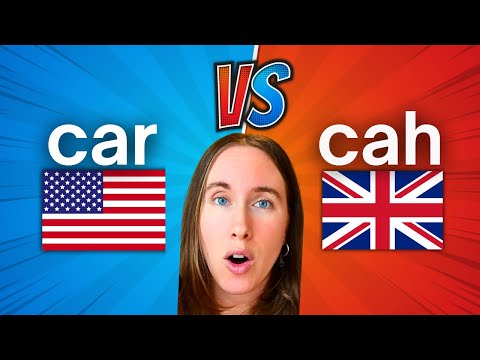
Why Americans Say the R and the British Don't
0
kuma posted on 2026/01/26Ever wondered why Americans roll their 'R's and Brits don't? This video dives into the fascinating origins of this pronunciation difference, giving you a taste of cultural depth and practical knowledge. You'll pick up on key pronunciation tips and understand more about the accents you hear every day!
Learn this video on the APP!
The VoiceTube App has more in-depth practice for videos!