
activate
US /ˈæktəˌvet/
UK /ˈæktɪveɪt/
- Transitive Verb
- To cause to happen; cause a chemical reaction
- To make something start working
B1Moreamino
US /ə'miːnəʊ/
UK /ə'miːnəʊ/
- Noun
- Of some substances that form proteins
C2Moreas well as
US /æz wɛl æz/
UK /æz wel æz/
- Adverb
- Also; in addition to
- Preposition
- In addition to; and also.
A1Morebacterial
US /bæk'tɪərɪrl/
UK /bæk'tɪərɪəl/
- Adjective
- Concerning or caused by bacteria
B2Moreblack eye
US /blæk aɪ/
UK /blæk ai/
- Noun
- A bruise around the eye, typically caused by a blow.
A1Morecarbon
US /ˈkɑrbən/
UK /'kɑ:bən/
- Uncountable Noun
- Chemical element with an atomic number of 6
B1Morecare of
US /kɛr ʌv/
UK /kɛə ɔv/
- Preposition
- Used in an address to indicate the person who will receive the mail for someone else.
A2Morecause
US /kɔz/
UK /kɔ:z/
- Noun
- Belief, goal or organization that people support
- Reason for
- Transitive Verb
- To make something happen; create effect or result
A2Morecement
US /sɪˈmɛnt/
UK /sɪ'ment/
- Uncountable Noun
- Building material made from gray powder, water
- Transitive Verb
- To bind or hold together strongly
- To make something more stable or stronger
B1Morecheck out
US /tʃɛk aʊt/
UK /tʃek aut/
- Phrase
- Phrasal Verb
- To find out information about something
- To take books out of a library
A1Morecivilian
US /sɪˈvɪljən/
UK /sə'vɪlɪən/
- Countable Noun
- Ordinary person who is not in the army
- Adjective
- Relating to civilians; not military.
B2Moreclimate
US /ˈklaɪmɪt/
UK /ˈklaɪmət/
- Noun (Countable/Uncountable)
- Typical weather conditions in a particular place
- The general attitudes, feelings, or opinions that people have at a particular time.
A2Morecomplement
US /ˈkɑ:mplɪment/
UK /ˈkɒmplɪment/
- Transitive Verb
- To go with so as to make the whole complete
- To combine genetically to produce a normal phenotype.
- Noun
- (Linguistics) set of words completing a sentence
- Something needed to complete or make perfect
B1Moreconsume
US /kənˈsum/
UK /kən'sju:m/
- Transitive Verb
- To eat, drink, buy or use up something
- To take all your energy; focus the attention
A2TOEICMoredefend
US /dɪˈfɛnd/
UK /dɪ'fend/
- Transitive Verb
- To protect and explain your position in court
- To protect against an attack
B1TOEICMoredefense
US /dɪˈfɛns/
UK /dɪ'fens/
- Noun (Countable/Uncountable)
- Argument in support of something
- The process of protecting something from attack
B1TOEICMoredepress
US /dɪˈprɛs/
UK /dɪ'pres/
- Transitive Verb
- To make someone feel sad or miserable
- To push something down
B2Moredigestion
US /daɪˈdʒɛstʃən, dɪ-/
UK /daɪˈdʒestʃən/
- Uncountable Noun
- Process of changing eaten food for use in the body
- The process of understanding new information
B2Moredisease
US /dɪˈziz/
UK /dɪˈzi:z/
- Noun (Countable/Uncountable)
- Illness that affects a person, animal, or plant
- A disorder of structure or function in a plant, especially one caused by a pathogen.
- Transitive Verb
- To affect with disease; to corrupt or sicken.
A2TOEICMoreenergy level
US
UK
- Noun (Countable/Uncountable)
- A measure of a person's physical or mental vitality.
- A person's overall state of mind and enthusiasm.
B1Moreevolutionary
US /ˌiːvəˈluːʃəneri/
UK /ˌi:vəˈlu:ʃənri/
- Adjective
- Concerning gradual change over time
B2Moreextensively
US /ɪkˈstɛnsɪvlɪ/
UK /ɪk'stensɪvlɪ/
- Adverb
- Very much or often; to a large degree
- In a widespread manner; to a great extent.
B2Moreflu
US /flu/
UK /flu:/
- Noun (Countable/Uncountable)
- Illness causing headache, fever etc.
- A specific instance or bout of influenza.
B2Morefootprint
US /ˈfʊtˌprɪnt/
UK /ˈfʊtprɪnt/
- Noun (Countable/Uncountable)
- Mark left by a foot of an animal or human
- The effect a person or community has on the environment, expressed as the amount of carbon dioxide produced.
C1Morefor example
US
UK
- Phrase
- As an illustration or instance.
fragile
US /ˈfrædʒəl, -ˌaɪl/
UK /'frædʒaɪl/
- Adjective
- Easily affected, broken, or harmed
- Weak or delicate; easily damaged in health
B2TOEICMorefrom time to time
US
UK
- Phrase
- Occasionally; sometimes but not regularly.
- At intervals; now and then.
A1Moreget after
US /ɡɛt ˈæftɚ/
UK /ɡet ˈɑ:ftə/
- Phrasal Verb
- To talk to in order to get someone to do something
A1Morehack
US /hæk/
UK /hæk/
- Transitive Verb
- To illegally access someone else's computer
- To cut away plants and branches to make a path
- Noun (Countable/Uncountable)
- Dry cough
- Horse for hire to work or pull a vehicle for a fee
B1TOEICMorehumanity
US /hjuˈmænɪti/
UK /hju:ˈmænəti/
- Uncountable Noun
- Quality of being understanding or sympathetic
- Compassionate behavior, especially towards those suffering.
- Noun (Countable/Uncountable)
- All human beings collectively; the human race.
A2Moreimmune
US /ɪˈmjoon/
UK /ɪˈmju:n/
- Adjective
- Having a special protection from, e.g. the law
- Protected against a particular disease or condition because of antibodies or vaccination.
B1Moreimpact
US /ˈɪmˌpækt/
UK /'ɪmpækt/
- Noun
- A striking effect or result to hit with force
- Act or force of one thing hitting something else
- Verb (Transitive/Intransitive)
- To hit or strike someone or something with force
- To have a strong effect on someone or something.
A2TOEICMorein detail
US /ɪn dɪˈtel/
UK /in ˈdi:teil/
- Phrase
- Thoroughly and completely; giving full particulars.
A2Morein the end
US /ɪn ði ɛnd/
UK /in ðə end/
- Phrase
- Finally; after a period of time or series of events.
- Ultimately; as the final result or consequence.
A1Morein the future
US /ɪn ði ˈfjutʃɚ/
UK /in ðə ˈfju:tʃə/
- Phrase
- At a later time; in times to come.
A1Moreinfection
US /ɪnˈfɛkʃən/
UK /ɪnˈfekʃn/
- Noun
- (Computers) Having a computer virus
- Making or becoming sick with a bacteria/virus
A2Moreinvasion
US /ɪnˈveʒən/
UK /ɪnˈveɪʒn/
- Uncountable Noun
- Entry into a place to cause harm
- An unwelcome intrusion into another's domain.
B1Moreliterally
US /ˈlɪtərəli/
UK
- Adverb
- In a literal manner or sense; exactly as stated.
- Used for emphasis to describe something that is actually true, often to highlight surprise or intensity.
B1Morelook at
US /lʊk æt/
UK /luk æt/
- Phrasal Verb
- To use your eyes to focus on something
- To focus your eyes on something carefully
A1Moremake up
US /mek ʌp/
UK /meik ʌp/
- Phrasal Verb
- To invent or create a story
- To add up to
- Verb (Transitive/Intransitive)
- To invent a story, excuse, etc.
- To compensate for something lost, missed, or deficient.
A1Moremild
US /maɪld/
UK /maɪld/
- Adjective
- Gentle in nature or behavior
- Being neither too cold nor too hot
A2Moremobilization
US /ˌmoʊbɪlaɪ'zeɪʃn/
UK /ˌməʊbɪlaɪ'zeɪʃn/
- Uncountable Noun
- (Of army) act of getting ready for action
B2Moreof course
US /ʌv kɔː(r)s/
UK /ɔv kɔː(r)s/
- Adverb
- Sure ; Certainly
- Phrase
- For sure; certainly
A2Moreoffset
US /ˈɔ:fset/
UK /ˈɒfset/
- Transitive Verb
- To compensate for or counterbalance the effect of
- Noun
- Compensation or counterbalance
- A printing technique in which the image is transferred to a rubber surface and then to paper.
B1TOEICMoreon the line
US /ɑn ði laɪn/
UK /ɔn ðə lain/
- Phrase
- At risk; in a situation where something could be lost.
- Having a great deal of responsibility.
A1Moreon the other hand
US
UK
- Phrase
- Considering a different aspect of the matter; alternatively.
A1Moreon top of that
US
UK
- Phrase
- In addition to something already mentioned; furthermore.
A1Morepermanent
US /ˈpɚmənənt/
UK /'pɜ:mənənt/
- Adjective
- Lasting forever; not temporary or changing
- Intended to last or remain for an unlimited period
- Noun
- A person who is a permanent employee.
- A chemical treatment to create lasting curls or waves in the hair.
B1TOEICMorepermanently
US /ˈpəmənəntlɪ/
UK /'pɜ:mənəntlɪ/
- Adverb
- For a long time; always
- In a way that is firmly or securely fixed in place.
B1Morerelease
US /rɪ'li:s/
UK /rɪ'li:s/
- Transitive Verb
- To free someone from a responsibility or burden
- To allow a film, music etc. to be sold/distributed
- Noun
- Act of freeing someone from a duty or burden
- Introduction of a new product, film, book, etc.
A2TOEICMorerequire
US /rɪˈkwaɪr/
UK /rɪ'kwaɪə(r)/
- Transitive Verb
- To demand that someone does something
- To need to do something, to make it necessary
A2TOEICMoreresilient
US /rɪˈzɪljənt/
UK /rɪ'zɪlɪənt/
- Adjective
- Recovering quickly from something bad
- Able to withstand or recover quickly from difficult conditions.
B2Morerespond
US /rɪˈspɑnd/
UK /rɪ'spɒnd/
- Verb (Transitive/Intransitive)
- To answer something or someone
- To have a good reaction to e.g. medical treatment
A2TOEICMorescar
US /skɑr/
UK /skɑ:(r)/
- Noun (Countable/Uncountable)
- Long lasting emotional pain from a bad experience
- A mark on something made by scratching it
- Transitive Verb
- To cause long lasting emotional pain
- To leave a mark on something by scratching it
B1Moreseek out
US /sik aʊt/
UK /si:k aut/
- Phrasal Verb
- To look for and find someone or something, especially when it is not easy to find.
B2Moresign up to
US
UK
- Phrasal Verb
- To register for something, like a service or a course.
A1Morespecific
US /spɪˈsɪfɪk/
UK /spəˈsɪfɪk/
- Adjective
- Precise; particular; just about that thing
- Concerning one particular thing or kind of thing
A2Morespectrum
US /ˈspɛktrəm/
UK /'spektrəm/
- Noun
- The wavelengths of colors from red to violet
- a range of different positions, opinions, etc. between two extreme points
B1Moresuffer from
US /ˈsʌfɚ frʌm/
UK /ˈsʌfə frɔm/
- Intransitive Verb
- To experience pain or distress; to be badly affected by.
A1Moresurvive
US /sɚˈvaɪv/
UK /sə'vaɪv/
- Intransitive Verb
- To continue to live despite illness or trouble
A2TOEICMorethink of
US /θɪŋk ʌv/
UK /θiŋk ɔv/
- Phrasal Verb
- To look on as (being something specific); consider
- To consider or remember something.
- Verb (Transitive/Intransitive)
- To imagine or call something to mind
A1Moretiny
US /ˈtaɪni/
UK /'taɪnɪ/
- Adjective
- Very, very small
A2Moretissue
US /ˈtɪʃu/
UK /ˈtɪʃu:/
- Noun (Countable/Uncountable)
- Substance formed by cells of living thing; flesh
- Kind of thin, light paper used to pack objects
A2Morevaccine
US /vækˈsin,ˈvækˌsin/
UK /'væksi:n/
- Noun (Countable/Uncountable)
- Shot using weak disease cells to stop same disease
- A preparation of weakened or killed microorganisms, or of antigenic proteins derived from them, used to induce protective immunity in animals.
B2Morework out
US /wɚk aʊt/
UK /wə:k aut/
- Phrasal Verb
- To find a way to do something, by thinking
A1Morework together
US /wɚk təˈɡɛðɚ/
UK /wə:k təˈɡeðə/
- Verb (Transitive/Intransitive)
- To collaborate or cooperate with others to achieve a common goal.
A1Morewren
US
UK
- Proper Noun
- Person's name
- Noun
- A small brown songbird from the Americas
B2More
Vocabulary
- on top of that: In addition to something already mentioned; furthermore.
- in the future: At a later time; in times to come.
- think of: To look on as (being something specific); consider
- energy level: A measure of a person's physical or mental vitality.
- seek out: To look for and find someone or something, especially when it is not easy to find.
- make up: To invent or create a story
- suffer from: To experience pain or distress; to be badly affected by.
- for example: As an illustration or instance.
- on the line: At risk; in a situation where something could be lost.
- get after: To talk to in order to get someone to do something
- black eye: A bruise around the eye, typically caused by a blow.
- in detail: Thoroughly and completely; giving full particulars.
- on the other hand : Considering a different aspect of the matter; alternatively.
- work out
- from time to time: Occasionally; sometimes but not regularly.
- as well as: Also; in addition to
- of course: Sure ; Certainly
- look at: To use your eyes to focus on something
- in the end: Finally; after a period of time or series of events.
- care of: Used in an address to indicate the person who will receive the mail for someone else.
- work together: To collaborate or cooperate with others to achieve a common goal.
- sign up to: To register for something, like a service or a course.
- check out
- literally: In a literal manner or sense; exactly as stated.
- specific: Precise; particular; just about that thing
- immune: Having a special protection from, e.g. the law
- permanent: Lasting forever; not temporary or changing
- fragile: Easily affected, broken, or harmed
- impact: A striking effect or result to hit with force
- spectrum: The wavelengths of colors from red to violet
- sense: Certain mental feeling or emotion
- resilient: Recovering quickly from something bad
- consume: To eat, drink, buy or use up something
- disease: Illness that affects a person, animal, or plant
- climate: Typical weather conditions in a particular place
- imagine: To think creatively about; form mental picture of
- evolutionary: Concerning gradual change over time
- tiny: Very, very small
- cause: Belief, goal or organization that people support
- require: To demand that someone does something
- digestion: Process of changing eaten food for use in the body
- release: To free someone from a responsibility or burden
- vaccine: Shot using weak disease cells to stop same disease
- survive: To continue to live despite illness or trouble
- permanently: For a long time; always
- humanity: Quality of being understanding or sympathetic
- rest: Time when one relaxes, sleeps, or is inactive
- tissue: Substance formed by cells of living thing; flesh
- respond: To answer something or someone
- infection: (Computers) Having a computer virus
- project: To predict what will happen in the future
- mild: Gentle in nature or behavior
- coronavirus: Any of a group of RNA viruses that cause a variety of diseases in humans and other animals.
- invasion: Entry into a place to cause harm
- activate: To cause to happen; cause a chemical reaction
- cement: Building material made from gray powder, water
- notice: To become aware by sight, touch, or hearing
- hack: To illegally access someone else's computer
- lot: What happens to a person in life from chance; fate
- defense: Argument in support of something
- carbon: Chemical element with an atomic number of 6
- sign: Indication that something exists or will happen
- complement: To go with so as to make the whole complete
- scar: Long lasting emotional pain from a bad experience
- learn: To get knowledge or skills by study or experience
- system: Set of organized, planned ideas that work together
- civilian: Ordinary person who is not in the army
- defend: To protect and explain your position in court
- natural: Being as one would expect; being usual or normal
- offset: To compensate for or counterbalance the effect of
- fill: To make something full
- protect: To defend someone or something from harm or danger
- footprint: Mark left by a foot of an animal or human
- fast: In a way that is difficult to move or change
- collagen: Type of protein that is often used in skin cream and in plastic surgery because it makes skin look younger
- amino: Of some substances that form proteins
- extensively: Very much or often; to a large degree
- flu: Illness causing headache, fever etc.
- depress: To make someone feel sad or miserable
- bacterial: Concerning or caused by bacteria
- mobilization: (Of army) act of getting ready for action
- wren: Person's name
Get the full experience in the app
Learn anywhere with detailed sentence and usage analysis
01:03
She took a brave step forward, leaving behind her comfort zone to chase her dreams.
Vocabulary
- brave
adj. Having courage
- comfort zone
phr. A familiar situation where one feels safe
Explanation
a brave step is a noun phrase, where brave is an adjective modifying the noun step, meaning "a courageous step".
forward is an adverb modifying step, meaning "ahead".
The whole phrase serves as the object, answering the "what" of took (verb) — she took a brave step forward.
Get the full experience in the app
Look up words anytime with pronunciation, part of speech, and usage
brave
US/brev/
UK/breɪv/
adj.Brave
v.t.To bravely face
A2 Elementary
Get the full experience in the app
Practice speaking anytime and get instant pronunciation feedback
Try this speaking exercise.
Try practicing with this sentence.
80
What Actually Happens When You Are Sick?
0
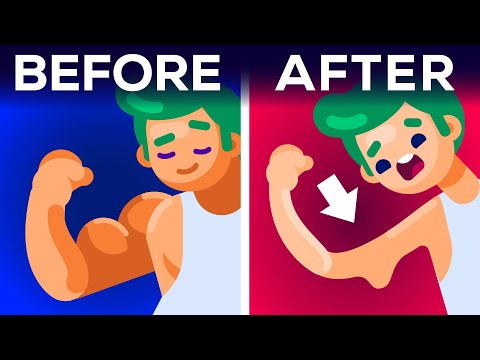
林宜悉 posted on 2026/01/24Ever wondered what's *really* going on inside your body when you get sick? This fascinating video from Kurzgesagt breaks down the science behind your immune system's battle, explaining everything from cytokine storms to immune memory. You'll pick up some awesome advanced vocabulary while learning exactly how your body fights off invaders!
Learn this video on the APP!
The VoiceTube App has more in-depth practice for videos!