
all the things
US
UK
- Pronoun
- Everything; all items or aspects
- Determiner
- Every item or object being considered or discussed.
A1Morealliance
US /əˈlaɪəns/
UK /əˈlaɪəns/
- Noun
- Group of people/organizations working together
B1TOEICMoreally
US /'ælaɪ/
UK /'ælaɪ/
- Noun
- Someone who supports, helps, or defends you
- Verb (Transitive/Intransitive)
- To join a group to offer or receive support
B1Moreannexation
US /ˌænɛksˈeʃən/
UK /ˌænek'seɪʃn/
- Uncountable Noun
- Incorporation of land from a country
B2Moreanswer to
US
UK
- Phrasal Verb
- To be responsible to someone and have to explain your actions to them.
- To correspond to or match a description or requirement.
A1Moreas well as
US /æz wɛl æz/
UK /æz wel æz/
- Adverb
- Also; in addition to
- Preposition
- In addition to; and also.
A1Moreat the moment
US
UK
- Adverb
- At this time; now
A1Morebalance
US /ˈbæləns/
UK /ˈbæləns/
- Noun
- Instrument for weighing things
- Being stable; having equal weight on both sides
- Verb (Transitive/Intransitive)
- To be steady by having equal weight on both sides
- To make two or more things equal
A2TOEICMorebasically
US /ˈbesɪkəli,-kli/
UK /ˈbeɪsɪkli/
- Adverb
- Used before you explain something simply, clearly
- In essence; when you consider the most important aspects of something.
A2Morebuild up
US /bɪld ʌp/
UK /bild ʌp/
- Phrasal Verb
- To increase the amount; collect something
- To develop or increase something in stages
- Verb (Transitive/Intransitive)
- To increase or develop something gradually.
- To praise or encourage someone.
A1Morechancellor
US /ˈtʃænsəlɚ, -slɚ/
UK /'tʃɑ:nsələ(r)/
- Noun
- High government official
B2Morecohesion
US /koˈhiʒən/
UK /kəʊˈhi:ʒn/
- Uncountable Noun
- State of being logical and well-organized
B1Morecome at
US /kʌm æt/
UK /kʌm æt/
- Phrasal Verb
- To approach someone to attack them
A1Morecommander
US /kəˈmændə(r)/
UK /kəˈmɑ:ndə(r)/
- Countable Noun
- Person with authority who commands or controls
B1Morecompared with
US /kəmˈpɛrd wɪð/
UK /kəmˈpeəd wið/
- Preposition
- In relation to
- Verb (Transitive/Intransitive)
- To have examined the differences or similarities between two or more things.
A1Moreconfrontation
US /ˌkɑ:nfrənˈteɪʃn/
UK /ˌkɒnfrʌnˈteɪʃn/
- Noun
- A disagreement or argument
B1Morecredibility
US /ˌkrɛdəˈbɪlɪti/
UK /ˌkredəˈbɪləti/
- Uncountable Noun
- Quality of being believable or deserving of trust
B2Morecrisis
US /ˈkraɪsɪs/
UK /'kraɪsɪs/
- Noun (Countable/Uncountable)
- Unstable situation of extreme danger or difficulty
- A turning point in a disease.
B1Moredeal with
US /dil wɪð/
UK /di:l wið/
- Verb (Transitive/Intransitive)
- To buy or sell goods or services.
- Phrasal Verb
- To take action to solve a problem or manage a situation.
- To be about; concern.
A1Moredefend
US /dɪˈfɛnd/
UK /dɪ'fend/
- Transitive Verb
- To protect and explain your position in court
- To protect against an attack
B1TOEICMoredelight
US /dɪˈlaɪt/
UK /dɪ'laɪt/
- Uncountable Noun
- Strong feeling of great pleasure
- Transitive Verb
- To give someone pleasure or joy
B1Moredeterrence
US /dɪˈtɚrəns, -ˈtʌr-/
UK /dɪ'terəns/
- Uncountable Noun
- Negative motivational influence
B2Morediplomacy
US /dɪˈploməsi/
UK /dɪˈpləʊməsi/
- Uncountable Noun
- Tactful handling of sensitive relationships
- The art and practice of conducting negotiations between nations; skill in handling affairs without arousing hostility.
B2Moredivide
US /dɪˈvaɪd/
UK /dɪ'vaɪd/
- Verb (Transitive/Intransitive)
- To split numbers by another number, e.g. 6 / 2 = 3
- To separate something into equal pieces
- Noun
- A separation or distinction.
A2TOEICMoredoctrine
US /ˈdɑktrɪn/
UK /ˈdɒktrɪn/
- Noun (Countable/Uncountable)
- Rules or principles taught in a system of beliefs
B1Moreeconomic
US /ˌɛkəˈnɑmɪk, ˌikə-/
UK /ˌi:kəˈnɒmɪk/
- Adjective
- Concerning trade, industry, and money
- Financially worthwhile; profitable.
- Noun
- A system relating to economics
- A factor relating to economics
A2Moreexpert
US /ˈɛkˌspɚt/
UK /'ekspɜ:t/
- Countable Noun
- Skillful person with special knowledge
- Adjective
- Having special knowledge or skill
A2TOEICMoreflank
US /flæŋk/
UK /flæŋk/
- Noun
- Middle area on the side of an animal
- Right or left side of a group of soldiers
- Transitive Verb
- To be on either side of a person or thing
B2Morefor example
US
UK
- Phrase
- As an illustration or instance.
gap
US /ɡæp/
UK /ɡæp/
- Noun (Countable/Uncountable)
- Distance between two objects
- A difference or disparity.
- Verb (Transitive/Intransitive)
- To make an opening or gap in something.
- To bridge or close a gap.
A2TOEICMorego ahead
US /ɡo əˈhɛd/
UK /ɡəu əˈhed/
- Phrasal Verb
- To start an activity; start doing, working etc.
- To give permission to do something
- Intransitive Verb
- To start or proceed with something
- To proceed despite potential obstacles or doubts.
A1Morehave to
US /hæv tu/
UK /ˈhæv tə/
- Auxiliary Verb
- Must do
A1Morehighly unlikely
US
UK
- Adjective
- Not likely to happen or be true; improbable.
B1Morein fact
US /ɪn fækt/
UK /in fækt/
- Adverb
- Used to emphasize the truth of a statement, especially one that contrasts with or contradicts something else.
- Used to introduce a more detailed or surprising piece of information.
- Phrase
- Used to emphasize the truth of a statement, especially one that is surprising or contrary to what might be expected.
C1Morein order to
US /ɪn ˈɔrdɚ tu/
UK /in ˈɔ:də tu:/
- Preposition
- For the purpose of; with the aim of.
- Phrase
- In a specific sequence or arrangement.
- With the aim of; for the purpose of.
C1Morein terms of
US
UK
- Phrase
- With regard to; concerning a particular aspect.
A1Morein the end
US /ɪn ði ɛnd/
UK /in ðə end/
- Phrase
- Finally; after a period of time or series of events.
- Ultimately; as the final result or consequence.
A1Morein with
US /ɪn wɪð/
UK /in wið/
- Phrase
- Fashionable or popular at the moment.
- Having influence or favor with someone.
- Phrasal Verb
- To introduce or bring something new into a system or organization.
A1Moreleverage
US /ˈlɛvərɪdʒ, ˈlivə-/
UK /'li:vərɪdʒ/
- Noun (Countable/Uncountable)
- An advantage which gives you influence or power
- An advantage gained through the use of resources or a strategic position
- Transitive Verb
- To use an advantage which gives you influence
B2TOEICMorelook at
US /lʊk æt/
UK /luk æt/
- Phrasal Verb
- To use your eyes to focus on something
- To focus your eyes on something carefully
A1Moremilitary
US /ˈmɪlɪˌtɛri/
UK /'mɪlətrɪ/
- Noun
- Army or armed forces
- Adjective
- Concerning the army or navy
B1Moremineral
US /ˈmɪnərəl/
UK /'mɪnərəl/
- Noun (Countable/Uncountable)
- Substance naturally formed in the ground
B1Moremoderate
US /ˈmɑdərɪt/
UK /ˈmɒdərət/
- Verb (Transitive/Intransitive)
- To host a meeting or panel discussion
- To make something less violent, severe, or strong
- Adjective
- Being average in quantity or size
B1Morenegotiate
US /nɪˈgoʊʃieɪt/
UK /nɪˈgəʊʃieɪt/
- Verb (Transitive/Intransitive)
- To have a formal discussion to reach an agreement
- To manage a difficult task or path successfully
B1TOEICMorenegotiation
US /nɪˌɡoʃiˈeʃən/
UK /nɪˌgəʊʃiˈeɪʃn/
- Uncountable Noun
- A formal discussion to reach an agreement
B1Morenuclear
US /ˈnukliɚ, ˈnju-/
UK /ˈnju:kliə(r)/
- Adjective
- Concerning or involving the center of an atom
A2Moreof course
US /ʌv kɔː(r)s/
UK /ɔv kɔː(r)s/
- Adverb
- Sure ; Certainly
- Phrase
- For sure; certainly
A2Moreoff the table
US
UK
- Phrase
- No longer being considered or discussed.
- Removed from the table.
A1Moreon behalf of
US /ɑn bɪˈhæf ʌv/
UK /ɔn biˈhɑ:f ɔv/
- Phrase
- As the representative of someone
- Acting as a representative of.
B1Moreout of it
US /aʊt ʌv ɪt/
UK /aut ɔv it/
- Adjective
- Unconscious or not completely alert; dazed or confused.
- Not able to think clearly or react quickly; not with it.
A1Moreplenty
US /ˈplɛnti/
UK /'plentɪ/
- Pronoun
- When there is not too little of something; a lot
- Uncountable Noun
- A large or sufficient amount or quantity; abundance.
- A lot of something
A2Morepolitical
US /pəˈlɪtɪkəl/
UK /pəˈlɪtɪkl/
- Adjective
- Being active or interested in government matters
- Diplomatic
A2Morepresident
US /ˈprɛzɪdənt,-ˌdɛnt/
UK /ˈprezɪdənt/
- Noun
- Person in charge of a country, or organization
- The highest-ranking executive in a corporation or organization.
A2TOEICMorepressure
US /ˈprɛʃɚ/
UK /'preʃə(r)/
- Noun (Countable/Uncountable)
- Anxiety caused by difficult problems
- Force, weight when pressing against a thing
- Transitive Verb
- To apply force to something
- To persuade or force someone to do something
A2TOEICMorepull the plug
US /pʊl ðə plʌg/
UK /pʊl ðə plʌg/
- other
- To stop or end an activity or project.
B2Morepush back
US /pʊʃ bæk/
UK /puʃ bæk/
- Phrasal Verb
- To force someone to withdraw or retreat
- Verb (Transitive/Intransitive)
- To resist or oppose something.
- To move something to a later time or date; to postpone.
A1Morerely
US /rɪˈlaɪ/
UK /rɪ'laɪ/
- Intransitive Verb
- Depend on with full trust or confidence
- To trust or have confidence in someone.
B2TOEICMorerely on
US /rɪˈlaɪ ɑn/
UK /riˈlai ɔn/
- Phrasal Verb
- To depend on someone or something
A2Moreresult
US /rɪˈzʌlt/
UK /rɪ'zʌlt/
- Noun
- Something produced through tests or experiments
- Final score of a competition, election or game
- Intransitive Verb
- To be the outcome of other causes and effects
- To happen or exist as a consequence of something.
A2Morerule
US /ruːl/
UK /ruːl/
- Noun (Countable/Uncountable)
- Something that is normal and usually happens
- Governmental control or power over a region
- Verb (Transitive/Intransitive)
- To decide legally, especially in court
- To have control or influence
A2TOEICMorerule in
US
UK
- Phrasal Verb
- To make an official decision in favor of someone in a legal case.
B1Moresecurity
US /sɪˈkjʊrɪti/sə'kjurətɪ/
UK /sɪ'kjʊərətɪ/
- Noun
- Department in a company in charge of protection
- Financial document, like stocks, bonds and notes
A2TOEICMoreshore up
US /ʃɔr ʌp/
UK /ʃɔ: ʌp/
- Phrasal Verb
- To support to stop it bursting/being ruined
B1Moresovereign
US /ˈsɑ:vrən/
UK /ˈsɒvrɪn/
- Countable Noun
- King, queen, emperor etc. of a country
B2Moresubstitute
US /ˈsʌbstɪˌtut, -ˌtjut/
UK /'sʌbstɪtju:t/
- Transitive Verb
- To perform the tasks instead of someone else
- To replace one person or thing for another
- Noun
- A person or thing acting in place of another
B2TOEICMoresuperpower
US /ˈsu:pərpaʊə(r)/
UK /ˈsu:pəpaʊə(r)/
- Noun
- State powerful enough to influence world events
C2Moretake over
US /tek ˈovɚ/
UK /teik ˈəuvə/
- Phrasal Verb
- To gain control of (a company) from someone else
- To assume control or possession of something.
A1Moretalking about
US
UK
- Phrasal Verb
- To discuss a particular topic.
- To be constantly mentioning or bringing up a subject.
A1Morethink of
US /θɪŋk ʌv/
UK /θiŋk ɔv/
- Phrasal Verb
- To look on as (being something specific); consider
- To consider or remember something.
- Verb (Transitive/Intransitive)
- To imagine or call something to mind
A1Moretusk
US /tʌsk/
UK /tʌsk/
- Countable Noun
- Long curved pointed tooth, e.g. like an elephant
C1Moreunion
US /ˈjunjən/
UK /'ju:nɪən/
- Noun (Countable/Uncountable)
- Act of joining two or more things into one
- Marriage
- Proper Noun
- The United States of America, especially during the Civil War.
A2TOEICMoreunity
US /ˈjunɪti/
UK /'ju:nətɪ/
- Uncountable Noun
- Being in full agreement; being joined together
- Quality of having parts that fit or work together
B2Morewithdrawal
US /wɪðˈdrɔəl, wɪθ-/
UK /wɪðˈdrɔ:əl/
- Noun (Countable/Uncountable)
- Action of pulling back or move away or backward
- Pain of coming off drugs
- Adjective
- Feeling pain and suffering when coming off drugs
B1Morework out
US /wɚk aʊt/
UK /wə:k aut/
- Phrasal Verb
- To find a way to do something, by thinking
A1More
Vocabulary
- deal with
- have to: Must do
- for example: As an illustration or instance.
- look at: To use your eyes to focus on something
- rely on: To depend on someone or something
- in order to: For the purpose of; with the aim of.
- compared with: In relation to
- rule in: To make an official decision in favor of someone in a legal case.
- of course: Sure ; Certainly
- answer to: To be responsible to someone and have to explain your actions to them.
- work out
- highly unlikely: Not likely to happen or be true; improbable.
- all the things: Everything; all items or aspects
- in with: Fashionable or popular at the moment.
- in terms of
- out of it: Unconscious or not completely alert; dazed or confused.
- think of: To look on as (being something specific); consider
- go ahead: To start an activity; start doing, working etc.
- at the moment: At this time; now
- on behalf of: As the representative of someone
- in the end: Finally; after a period of time or series of events.
- off the table: No longer being considered or discussed.
- build up: To increase the amount; collect something
- in fact: Used to emphasize the truth of a statement, especially one that contrasts with or contradicts something else.
- shore up: To support to stop it bursting/being ruined
- push back: To force someone to withdraw or retreat
- as well as: Also; in addition to
- pull the plug: To stop or end an activity or project.
- talking about: To discuss a particular topic.
- take over: To gain control of (a company) from someone else
- come at: To approach someone to attack them
- sort: To organize things by putting them into groups
- basically: Used before you explain something simply, clearly
- improve: To make, or become, something better
- crisis: Unstable situation of extreme danger or difficulty
- plenty: When there is not too little of something; a lot
- pressure: Anxiety caused by difficult problems
- bit: Device put in a horse's mouth to control it
- divide: To split numbers by another number, e.g. 6 / 2 = 3
- leverage: An advantage which gives you influence or power
- expert: Skillful person with special knowledge
- military: Army or armed forces
- substitute: To perform the tasks instead of someone else
- political: Being active or interested in government matters
- deal: To cope with something - usually troubles
- moderate: To host a meeting or panel discussion
- security: Department in a company in charge of protection
- compare: To consider how similar and different things are
- result: Something produced through tests or experiments
- ally: Someone who supports, helps, or defends you
- rely: Depend on with full trust or confidence
- lot: What happens to a person in life from chance; fate
- delight: Strong feeling of great pleasure
- withdrawal: Action of pulling back or move away or backward
- mineral: Substance naturally formed in the ground
- british: Concerning the culture and people of British
- president: Person in charge of a country, or organization
- economic: Concerning trade, industry, and money
- support: To give assistance or advice to someone
- defend: To protect and explain your position in court
- government: Group of people and system that rule a nation
- fill: To make something full
- negotiate: To have a formal discussion to reach an agreement
- fail: To be unsuccessful in passing a class or exam
- sovereign: King, queen, emperor etc. of a country
- pull: Act of breathing in smoke, as from a pipe
- confrontation: A disagreement or argument
- front: Behavior not showing a person's true feelings
- nuclear: Concerning or involving the center of an atom
- question: To ask for or try to get information
- union: Act of joining two or more things into one
- rule: Something that is normal and usually happens
- alliance: Group of people/organizations working together
- gap: Distance between two objects
- negotiation: A formal discussion to reach an agreement
- diplomacy: Tactful handling of sensitive relationships
- balance: Instrument for weighing things
- atlantic: Of the ocean between Africa and the Americas
- credibility: Quality of being believable or deserving of trust
- commander: Person with authority who commands or controls
- unity: Being in full agreement; being joined together
- cohesion: State of being logical and well-organized
- doctrine: Rules or principles taught in a system of beliefs
- deterrence: Negative motivational influence
- chancellor: High government official
- flank: Middle area on the side of an animal
- annexation: Incorporation of land from a country
- tusk: Long curved pointed tooth, e.g. like an elephant
- superpower: State powerful enough to influence world events
Get the full experience in the app
Learn anywhere with detailed sentence and usage analysis
01:03
She took a brave step forward, leaving behind her comfort zone to chase her dreams.
Vocabulary
- brave
adj. Having courage
- comfort zone
phr. A familiar situation where one feels safe
Explanation
a brave step is a noun phrase, where brave is an adjective modifying the noun step, meaning "a courageous step".
forward is an adverb modifying step, meaning "ahead".
The whole phrase serves as the object, answering the "what" of took (verb) — she took a brave step forward.
Get the full experience in the app
Look up words anytime with pronunciation, part of speech, and usage
brave
US/brev/
UK/breɪv/
adj.Brave
v.t.To bravely face
A2 Elementary
Get the full experience in the app
Practice speaking anytime and get instant pronunciation feedback
Try this speaking exercise.
Try practicing with this sentence.
80
British security expert Edward Lucas: 'We can't rely on the United States' | DW News
0
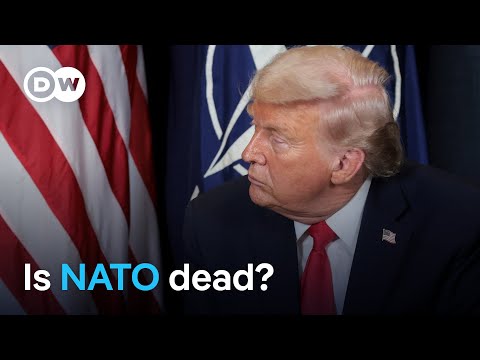
林宜悉 posted on 2026/01/24Ever wondered if Europe can truly stand on its own two feet without US support? This hard-hitting interview with security expert Edward Lucas dives deep into NATO credibility and European rearmament, offering a fascinating look at global policy. You'll pick up some advanced vocabulary related to international affairs and complex sentence structures that will really boost your English!
Learn this video on the APP!
The VoiceTube App has more in-depth practice for videos!