
alliance
US /əˈlaɪəns/
UK /əˈlaɪəns/
- Noun
- Group of people/organizations working together
B1TOEICMorearticle
US /ˈɑrtɪkəl/
UK /'ɑ:tɪkl/
- Noun (Countable/Uncountable)
- Word such as 'a', 'an', or 'the' used before nouns
- Piece of writing about a particular subject
A2TOEICMoreas well as
US /æz wɛl æz/
UK /æz wel æz/
- Adverb
- Also; in addition to
- Preposition
- In addition to; and also.
A1Moreat the moment
US
UK
- Adverb
- At this time; now
A1Moreattempt
US /əˈtɛmpt/
UK /ə'tempt/
- Verb (Transitive/Intransitive)
- To try to do something challenging or difficult
- Noun
- Effort made to try to do or accomplish something
A2TOEICMoreconflict
US /ˈkɑnˌflɪkt/
UK /'kɒnflɪkt/
- Noun (Countable/Uncountable)
- Argument or struggle between two or more parties
- A serious disagreement or argument.
- Verb (Transitive/Intransitive)
- To have opposite ideas; to disagree; To not match
A2Morecriticism
US /ˈkrɪtɪˌsɪzəm/
UK /ˈkrɪtɪsɪzəm/
- Noun (Countable/Uncountable)
- Article or essay that judges quality
- Negative judgment of something
A2Moredefiant
US /dɪˈfaɪənt/
UK /dɪˈfaɪənt/
- Adjective
- Refusing to obey (rules, parent); resistant
B1Moredisagree
US /ˌdɪsəˈɡri/
UK /ˌdɪsə'ɡri:/
- Intransitive Verb
- To have a different opinion; to fail to agree
B2TOEICMoredismiss
US /dɪsˈmɪs/
UK /dɪsˈmɪs/
- Transitive Verb
- To consider that something is at an end
- To end someone's employment; fire someone
A2TOEICMoredispute
US /dɪˈspjut/
UK /dɪ'spju:t/
- Verb (Transitive/Intransitive)
- To argue with someone about something
- To disagree about who owns or controls something
- Noun (Countable/Uncountable)
- Argument with someone about something
- A question or doubt about something
B1TOEICMoreedge
US /ɛdʒ/
UK /edʒ/
- Noun (Countable/Uncountable)
- An advantage you have over others
- Cutting side of a sharp object
- Transitive Verb
- To cut something to make the blade sharp
- To go around the boundary of something
A2TOEICMoreepisode
US /ˈɛpɪˌsod/
UK /'epɪsəʊd/
- Noun
- One separate event in a series of events
- Show which is part of a larger story
B1TOEICMoreexplosion
US /ɪkˈsploʒən/
UK /ɪkˈspləʊʒn/
- Noun (Countable/Uncountable)
- Loud and sudden expression of emotion
- Sudden increase of something
B1Moreexpression
US /ɪkˈsprɛʃən/
UK /ɪk'spreʃn/
- Noun (Countable/Uncountable)
- Act of making your thoughts and feelings known
- Group of words that have a specific meaning
A2TOEICMorefinancial
US /faɪˈnænʃ(ə)l/
UK /faɪˈnænʃl/
- Adjective
- Involving money
- Relating to investments.
- Countable Noun
- A person who provides advice on financial matters.
A2TOEICMorefor example
US
UK
- Phrase
- As an illustration or instance.
for now
US /fɔr naʊ/
UK /fɔ: nau/
- Phrase
- Temporarily; for the present time.
- In the short term; for the immediate future.
A1Morefor someone
US /fɚ ˈsʌmwʌn/
UK /fə ˈsʌmwʌn/
- other
- On behalf of or intended for a particular person.
A1Moreformal
US / ˈfɔrməl/
UK /'fɔ:ml/
- Adjective
- Observing rules and procedures strictly
- Behaving well, politely; wearing your best clothes
A2TOEICMoregive in
US /ɡɪv ɪn/
UK /ɡiv in/
- Phrasal Verb
- To submit work; hand in
- To stop resisting; to surrender
A1Morehave to
US /hæv tu/
UK /ˈhæv tə/
- Auxiliary Verb
- Must do
A1Moreheadline
US /ˈhedlaɪn/
UK /ˈhedlaɪn/
- Intransitive Verb
- To be the main performer at a show
- Noun
- Title summarizing a news story
B2Morehurricane
US /ˈhɚrɪˌken, ˈhʌr-/
UK /'hʌrɪkən/
- Noun
- Very severe storm usually occurs near the ocean
B1Morelead to
US /lid tu/
UK /li:d tu:/
- Phrasal Verb
- To result in some action
- Verb (Transitive/Intransitive)
- To have something as a consequence or result.
A1Moreliteral
US /ˈlɪtərəl/
UK /ˈlɪtərəl/
- Adjective
- Being the basic exact meaning of a word/expression
- Being real and true and without exaggerating
B1Morelocation
US /loʊˈkeɪʃn/
UK /ləʊˈkeɪʃn/
- Noun (Countable/Uncountable)
- Particular position or area of place, event, etc.
- A place away from a studio where film or television shots are made.
B1TOEICMorelook at
US /lʊk æt/
UK /luk æt/
- Phrasal Verb
- To use your eyes to focus on something
- To focus your eyes on something carefully
A1Moremetaphor
US /ˈmɛtəˌfɔr, -fɚ/
UK /ˈmetəfə(r)/
- Noun
- Imaginative use of words to reveal a similarity
B1Moremilitary
US /ˈmɪlɪˌtɛri/
UK /'mɪlətrɪ/
- Noun
- Army or armed forces
- Adjective
- Concerning the army or navy
B1Morenegative
US /ˈnɛɡətɪv/
UK /'neɡətɪv/
- Noun
- The opposite to a positive electrical charge
- In grammar, containing words such as 'no' or 'not'
- Adjective
- Being harmful, unwanted or unhelpful
- In mathematics, being less than zero
A2Moreoften seen
US
UK
- Adjective
- Frequently observed; commonly encountered.
- Frequently observed, especially due to popularity or prevalence.
A1Moreon the other hand
US
UK
- Phrase
- Considering a different aspect of the matter; alternatively.
A1Moreopposition
US /ˌɑ:pəˈzɪʃn/
UK /ˌɒpəˈzɪʃn/
- Uncountable Noun
- Act of disagreeing or trying to stop something
- Group that you are fighting or competing against
B1Morepositive
US /ˈpɑzɪtɪv/
UK /ˈpɒzətɪv/
- Adjective
- Showing agreement or support for something
- Being sure about something; knowing the truth
- Noun
- A photograph in which light areas are light and dark areas are dark
A2Morepressure
US /ˈprɛʃɚ/
UK /'preʃə(r)/
- Noun (Countable/Uncountable)
- Anxiety caused by difficult problems
- Force, weight when pressing against a thing
- Transitive Verb
- To apply force to something
- To persuade or force someone to do something
A2TOEICMorerebuke
US /rɪˈbjuk/
UK /rɪ'bju:k/
- Transitive Verb
- To tell someone off for what they did wrong
C1TOEICMorerespond
US /rɪˈspɑnd/
UK /rɪ'spɒnd/
- Verb (Transitive/Intransitive)
- To answer something or someone
- To have a good reaction to e.g. medical treatment
A2TOEICMoresplit
US /splɪt/
UK /splɪt/
- Adjective
- No longer married or in a relationship
- (Injured) by cutting it open, as in someone's lip
- Verb (Transitive/Intransitive)
- To become divided or broken along a straight line
- To cause a cut in (lip, etc.)
A2Moresuch as
US /sʌtʃ æz/
UK /sʌtʃ æz/
- Preposition
- For example; like
A1Moreswim in
US
UK
- Phrasal Verb
- To move through water by using your arms and legs.
- Intransitive Verb
- To have a lot of something.
A1Moresword
US /sɔrd/
UK /sɔ:d/
- Countable Noun
- A long metal weapon with a sharp point and edge
B1Moretaken over
US
UK
- Phrasal Verb
- To gain control of (a company) from someone else
- To gain control of something.
A1Moretalking about
US
UK
- Phrasal Verb
- To discuss a particular topic.
- To be constantly mentioning or bringing up a subject.
A1Moretariff
US /ˈtærɪf/
UK /'tærɪf/
- Noun (Countable/Uncountable)
- List of fixed prices at hotel
- Tax that a government collects on imported goods
B2Moreterritory
US /ˈtɛrɪˌtɔri, -ˌtori/
UK /'terətrɪ/
- Noun (Countable/Uncountable)
- Area of land defended by an animal
- Area of particular knowledge or experience
B1TOEICMoretrade
US /treid/
UK /treɪd/
- Noun (Countable/Uncountable)
- A specific industry, e.g. shoe making
- Action of buying and selling things in business
- Transitive Verb
- To buy, sell and exchange goods in business
- To give something in return for something else
A2TOEICMoreturn out
US /tɚn aʊt/
UK /tə:n aut/
- Phrasal Verb
- To arrive for a public event or entertainment
- To happen to be in the end
A1Moreused to
US /juzd tu/
UK /ˈju:st tə/
- Adjective
- Did regularly before, but don't do now
- Auxiliary Verb
- Have done before, but do not do now
A1Morevocabulary
US /voˈkæbjəˌlɛri/
UK /və'kæbjələrɪ/
- Uncountable Noun
- Words that have to do with a particular subject
- The words that a person knows
B1TOEICMoreworksheet
US
UK
- Noun
- Piece of paper showing work planned or done
C2More
Vocabulary
- for example: As an illustration or instance.
- used to: Did regularly before, but don't do now
- have to: Must do
- talking about: To discuss a particular topic.
- on the other hand : Considering a different aspect of the matter; alternatively.
- turn out: To arrive for a public event or entertainment
- look at: To use your eyes to focus on something
- as well as: Also; in addition to
- at the moment: At this time; now
- taken over: To gain control of (a company) from someone else
- such as: For example; like
- lead to: To result in some action
- for someone: On behalf of or intended for a particular person.
- swim in: To move through water by using your arms and legs.
- give in: To submit work; hand in
- often seen: Frequently observed; commonly encountered.
- for now: Temporarily; for the present time.
- episode: One separate event in a series of events
- expression: Act of making your thoughts and feelings known
- vocabulary: Words that have to do with a particular subject
- positive: Showing agreement or support for something
- negative: The opposite to a positive electrical charge
- conflict: Argument or struggle between two or more parties
- attempt: To try to do something challenging or difficult
- split: No longer married or in a relationship
- metaphor: Imaginative use of words to reveal a similarity
- territory: Area of land defended by an animal
- pressure: Anxiety caused by difficult problems
- financial: Involving money
- criticism: Article or essay that judges quality
- military: Army or armed forces
- state: Region within a country, with its own government
- edge: An advantage you have over others
- literal: Being the basic exact meaning of a word/expression
- dispute: To argue with someone about something
- lead: Wire for electricity, computer, etc.; cable
- ground: To break (coffee, etc.) into tiny bits with machine
- article: Word such as 'a', 'an', or 'the' used before nouns
- trade: A specific industry, e.g. shoe making
- respond: To answer something or someone
- formal: Observing rules and procedures strictly
- dismiss: To consider that something is at an end
- tariff: List of fixed prices at hotel
- learn: To get knowledge or skills by study or experience
- control: A device designed to operate a machine
- hurricane: Very severe storm usually occurs near the ocean
- government: Group of people and system that rule a nation
- program: To make someone act or think in a certain way
- great: Very good; better than before
- turn: To become (a particular age)
- alliance: Group of people/organizations working together
- sword: A long metal weapon with a sharp point and edge
- opposition: Act of disagreeing or trying to stop something
- explosion: Loud and sudden expression of emotion
- defiant: Refusing to obey (rules, parent); resistant
- behaviour: The way a person or thing acts; manner
- disagree: To have a different opinion; to fail to agree
- worksheet: Piece of paper showing work planned or done
- location: Particular position or area of place, event, etc.
- headline: To be the main performer at a show
- strong: (Of tea or beer) dark or thick
- soviet: Elected government council in a communist country
- story: One of many floors or levels in a building
- hand: Cards given to a player in a card game
- website: Collection of webpages in one location
- rebuke: To tell someone off for what they did wrong
Get the full experience in the app
Learn anywhere with detailed sentence and usage analysis
01:03
She took a brave step forward, leaving behind her comfort zone to chase her dreams.
Vocabulary
- brave
adj. Having courage
- comfort zone
phr. A familiar situation where one feels safe
Explanation
a brave step is a noun phrase, where brave is an adjective modifying the noun step, meaning "a courageous step".
forward is an adverb modifying step, meaning "ahead".
The whole phrase serves as the object, answering the "what" of took (verb) — she took a brave step forward.
Get the full experience in the app
Look up words anytime with pronunciation, part of speech, and usage
brave
US/brev/
UK/breɪv/
adj.Brave
v.t.To bravely face
A2 Elementary
Get the full experience in the app
Practice speaking anytime and get instant pronunciation feedback
Try this speaking exercise.
Try practicing with this sentence.
80
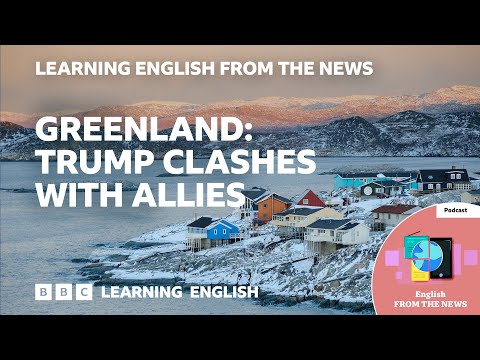
Greenland: Trump clashes with allies: BBC Learning English from the News
0
Minjane posted on 2026/01/23Ever wondered about Greenland's strategic importance and President Trump's surprising comments on buying it? This BBC Learning English video dives into Arctic geopolitics, explaining terms like 'ground zero' and 'double-edged sword' with real-world news context. You'll boost your vocabulary and understanding of international relations!
Learn this video on the APP!
The VoiceTube App has more in-depth practice for videos!