
affect
US /əˈfɛkt/
UK /ə'fekt/
- Transitive Verb
- To cause a change in something else
- To pretend to have or feel (something).
- Noun
- (Psychology) Emotion or feeling.
A2TOEICMoreat least
US /æt list/
UK /æt li:st/
- Adverb
- As a minimum
- Not less than
- Phrase
- No less than; at the minimum
- Used to indicate that something is positive in a bad situation.
C2Morebroadly
US /ˈbrɔdlɪ/
UK /ˈbrɔ:dli/
- Adverb
- In a general (not detailed) manner
B1Morecause
US /kɔz/
UK /kɔ:z/
- Noun
- Belief, goal or organization that people support
- Reason for
- Transitive Verb
- To make something happen; create effect or result
A2Morecollision
US /kəˈlɪʒən/
UK /kəˈlɪʒn/
- Noun
- Act of crashing into someone or something else
- A clash of opposing ideas or interests.
B2Morederail
US /diˈrel/
UK /dɪˈreɪl/
- Intransitive Verb
- (Of a train) to come off the railway tracks
- Verb (Transitive/Intransitive)
- To change the subject; to change from a course
C2Moredetermine
US /dɪˈtɚmɪn/
UK /dɪ'tɜ:mɪn/
- Transitive Verb
- To control exactly how something will be or act
- To establish the facts about; discover
A2TOEICMoredisaster
US /dɪˈzæstɚ, -ˈsæs-/
UK /dɪ'zɑ:stə(r)/
- Noun (Countable/Uncountable)
- State of extreme ruin and misfortune
- A complete failure.
- Uncountable Noun
- A situation that has gone terribly wrong.
A2Moredna
US
UK
- Noun (Countable/Uncountable)
- Chemical in living cells with genetic information
B2Moreemergency
US /ɪˈmɚdʒənsi/
UK /ɪ'mɜ:dʒənsɪ/
- Noun (Countable/Uncountable)
- Sudden event needing an immediate action
- A medical condition manifesting itself by acute symptoms of sufficient severity such that the absence of immediate medical attention could reasonably be expected to result in placing the patient's health in serious jeopardy.
- Adjective
- Used in an emergency; for use when something dangerous happens.
- Designed for use in an emergency.
A2TOEICMoreholding out hope
US
UK
- Intransitive Verb
- To continue to hope that something will happen, even if it seems unlikely.
A2Moreidentification
US /aɪˌdɛntəfɪˈkeʃən/
UK /aɪˌdentɪfɪˈkeɪʃn/
- Noun (Countable/Uncountable)
- (Card or paper) that proves who a person is
- The act of discovering exactly what something is
B2TOEICMoreidentify
US /aɪˈdɛntəˌfaɪ/
UK /aɪ'dentɪfaɪ/
- Transitive Verb
- To indicate who or what someone or something is
- To say exactly what something is
B1TOEICMoreinitial
US /ɪˈnɪʃəl/
UK /ɪ'nɪʃl/
- Noun
- First letter of your given name
- The beginning or commencement of something.
- Transitive Verb
- To authorize something by writing your initials
- To mark or sign with one's initials.
A2TOEICMoreinterior
US /ɪnˈtɪriɚ/
UK /ɪn'tɪərɪə(r)/
- Noun (Countable/Uncountable)
- Part of country that is far from the border, coast
- Remote central area of a continent
- Adjective
- Being the inside part of a building, car etc.
B1TOEICMorejoint
US /dʒɔɪnt/
UK /dʒɔɪnt/
- Noun (Countable/Uncountable)
- Body parts where bones meet and can move together
- Point at which two things meet (e.g. a road)
- Adjective
- Shared; involving working together; in common
A2Morelay
US /le/
UK /leɪ/
- Adjective
- Amateur; not being a trained priest
- Transitive Verb
- To place a bet on a game outcome
- (Of a bird, etc.) to produce eggs from its body
A2Morelifetime
US /ˈlaɪfˌtaɪm/
UK /ˈlaɪftaɪm/
- Noun (Countable/Uncountable)
- The time between birth and death
- An opportunity that is unlikely to occur again.
- Adjective
- Lasting for the duration of someone's life or the existence of something.
B1Morelift
US /lɪft/
UK /lɪft/
- Noun
- Picking someone up in a car and taking to a place
- Machine carrying people up or down to other floors
- Transitive Verb
- To stop or cancel something, such as a rule
- To move something to higher position
A2Moremakeshift
US /ˈmekˌʃɪft/
UK /ˈmeɪkʃɪft/
- Adjective
- That only serves as something temporarily
- Noun
- A temporary substitute.
B2TOEICMoreminister
US /ˈmɪnɪstɚ/
UK /'mɪnɪstə(r)/
- Noun
- An official who heads a government department
- Person who performs Christian services
A2Moreoccur
US /əˈkɚ/
UK /əˈkɜ:(r)/
- Intransitive Verb
- To come to pass or to happen
- To be found to exist; to be present.
A2TOEICMoreprovince
US /ˈprɑvɪns/
UK /'prɒvɪns/
- Noun
- Subject that a person has a good knowledge of
- Area a country is divided into outside the capital
B1Morerail
US /rel/
UK /reɪl/
- Intransitive Verb
- To complain or object forcefully
- Noun (Countable/Uncountable)
- Long thin piece of metal, wood as part of a fence
- One of two metal tracks along which a train runs
B1TOEICMoreregional
US /ˈridʒənəl/
UK /ˈri:dʒənl/
- Adjective
- Of a particular area, not the whole of a country
- Characteristic of a particular region.
B1Moreremain
US /rɪˈmen/
UK /rɪˈmeɪn/
- Intransitive Verb
- To be left behind; to continue to exist
- To stay in a place when other people have gone
A2TOEICMorerescue
US /ˈrɛskju/
UK /'reskju:/
- Transitive Verb
- To save someone who is in danger or in trouble
- To provide financial assistance to save a company or economy from collapse.
- Noun (Countable/Uncountable)
- Act of saving someone in danger or in trouble
- An act of saving someone or something from a dangerous or difficult situation.
A2TOEICMoreseek
US /sik/
UK /si:k/
- Transitive Verb
- To ask someone for help
- To search for; try to find or do; look for
A2TOEICMoreset up
US /sɛt ʌp/
UK /set ʌp/
- Phrasal Verb
- To make arrangements for something; establish
- Verb (Transitive/Intransitive)
- To arrange or prepare something for use.
- To start a business, organization, etc.
A1Morestrand
US /strænd/
UK /strænd/
- Countable Noun
- Long part of a rope, someone's hair, etc.
- Transitive Verb
- To cause to be stuck or trapped somewhere
B2Moretoll
US /tol/
UK /təʊl/
- Noun (Countable/Uncountable)
- Sound that a big bell makes, when it is rung
- Number of people hurt or killed in a disaster
- Intransitive Verb
- (Bell) to ring in a slow, loud and repeated way
B2TOEICMoretrap
US /træp/
UK /træp/
- Countable Noun
- Device used for catching animals
- Vehicle pulled by a single horse
- Transitive Verb
- To use a device to catch animals or people
- To hold, e.g. a nerve, so that it cannot move
A2Morevictor
US /ˈvɪktər/
UK /'vɪktə(r)/
- Countable Noun
- Person who wins a game or other competition
B2Morewreckage
US /ˈrɛkɪdʒ/
UK /ˈrekɪdʒ/
- Uncountable Noun
- Remaining parts of something that has been wrecked
B2More
Vocabulary
- at least: As a minimum
- set up
- holding out hope: To continue to hope that something will happen, even if it seems unlikely.
- determine: To control exactly how something will be or act
- identify: To indicate who or what someone or something is
- initial: First letter of your given name
- affect: To cause a change in something else
- toll: Sound that a big bell makes, when it is rung
- occur: To come to pass or to happen
- state: Region within a country, with its own government
- remain: To be left behind; to continue to exist
- disaster: State of extreme ruin and misfortune
- cause: Belief, goal or organization that people support
- private: Being away from others and quiet
- trap: Device used for catching animals
- account: An advantage
- complete: To finish or reach the end of doing something
- seek: To ask someone for help
- lift: Picking someone up in a car and taking to a place
- lead: Wire for electricity, computer, etc.; cable
- emergency: Sudden event needing an immediate action
- leave: To go away from; depart
- rescue: To save someone who is in danger or in trouble
- collision: Act of crashing into someone or something else
- receive: To get something someone has given or sent to you
- interior: Part of country that is far from the border, coast
- operate: To control or handle something, such as a machine
- joint: Body parts where bones meet and can move together
- makeshift: That only serves as something temporarily
- minister: An official who heads a government department
- government: Group of people and system that rule a nation
- accident: Sudden unplanned event causing damage, injury etc.
- bring: To take or go with someone to a place
- set: Prepared for something; ready
- lay: Amateur; not being a trained priest
- province: Subject that a person has a good knowledge of
- minute: Notes taken at a meeting to record what was said
- hold: To agree to keep something for someone
- train: Line of people, animals moving the same direction
- strand: Long part of a rope, someone's hair, etc.
- broadly: In a general (not detailed) manner
- derail: (Of a train) to come off the railway tracks
- wreckage: Remaining parts of something that has been wrecked
- lifetime: The time between birth and death
- regional: Of a particular area, not the whole of a country
- rail: To complain or object forcefully
- identification: (Card or paper) that proves who a person is
- dna: Chemical in living cells with genetic information
- victor: Person who wins a game or other competition
Get the full experience in the app
Learn anywhere with detailed sentence and usage analysis
01:03
She took a brave step forward, leaving behind her comfort zone to chase her dreams.
Vocabulary
- brave
adj. Having courage
- comfort zone
phr. A familiar situation where one feels safe
Explanation
a brave step is a noun phrase, where brave is an adjective modifying the noun step, meaning "a courageous step".
forward is an adverb modifying step, meaning "ahead".
The whole phrase serves as the object, answering the "what" of took (verb) — she took a brave step forward.
Get the full experience in the app
Look up words anytime with pronunciation, part of speech, and usage
brave
US/brev/
UK/breɪv/
adj.Brave
v.t.To bravely face
A2 Elementary
Get the full experience in the app
Practice speaking anytime and get instant pronunciation feedback
Try this speaking exercise.
Try practicing with this sentence.
80
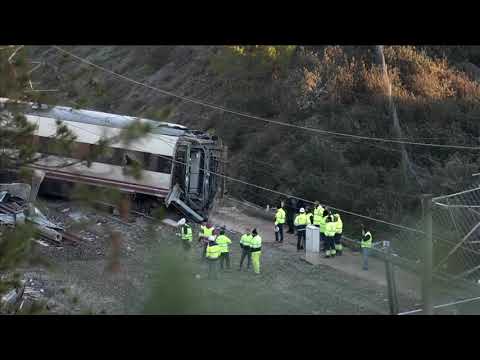
Spain deploys cranes to find bodies in train wreckage | REUTERS
0
林宜悉 posted on 2026/01/20Ever wondered how authorities identify victims after a major disaster? This video dives into the intense efforts to recover and identify victims from a Spanish train crash, using DNA identification and highlighting the families' wait. You'll gain insight into complex sentence structures and cultural depth as you follow this real-world news report.
Learn this video on the APP!
The VoiceTube App has more in-depth practice for videos!