
administration
US / ædˌmɪnɪˈstreʃən/
UK /ədˌmɪnɪˈstreɪʃn/
- Uncountable Noun
- Act of giving e.g. medicine to a patient
- The work of running something, e.g. a business
B1TOEICMoreany sort of
US
UK
- Determiner
- Any kind of; any type of
- Phrase
- Somewhat; to some extent
A2Moreappetite
US /ˈæpɪˌtaɪt/
UK /'æpɪtaɪt/
- Noun
- Feeling of hunger or desire for something
B1Moreargument
US /ˈɑrɡjəmənt/
UK /ˈɑ:gjumənt/
- Noun (Countable/Uncountable)
- Discussion in which you disagree with someone
- A presentation of reasons for or against an idea
A2TOEICMoreat least
US /æt list/
UK /æt li:st/
- Adverb
- As a minimum
- Not less than
- Phrase
- No less than; at the minimum
- Used to indicate that something is positive in a bad situation.
C2Moreauthor
US /ˈɔθɚ/
UK /'ɔ:θə(r)/
- Noun (Countable/Uncountable)
- Person who writes books, plays, poems etc.
- Transitive Verb
- To write book or articles
B1Morebasically
US /ˈbesɪkəli,-kli/
UK /ˈbeɪsɪkli/
- Adverb
- Used before you explain something simply, clearly
- In essence; when you consider the most important aspects of something.
A2Morecanal
US /kəˈnæl/
UK /kəˈnæl/
- Noun (Countable/Uncountable)
- Channel cut through land for boats or ships
- A tubular passage in the body.
B1Morecapture
US /ˈkæptʃɚ/
UK /'kæptʃə(r)/
- Transitive Verb
- To attract and hold e.g. interest, attention
- To record, tape, or film something
- Noun
- The act of seizing or taking control of something.
B1Morecommittee
US /kəˈmɪti/
UK /kəˈmɪti/
- Countable Noun
- Group of people who do or decide something
- A body of people formally appointed to consider or take action on a particular matter.
A2Morecrawl
US /krɔl/
UK /krɔ:l/
- Verb (Transitive/Intransitive)
- To move very slowly or cautiously
- To move along with the body close to the ground
- Uncountable Noun
- Very slow progress (e.g. traffic)
B1Moredemocracy
US /dɪˈmɑkrəsi/
UK /dɪ'mɒkrəsɪ/
- Noun (Countable/Uncountable)
- System of government in which everyone is equal
- Principles of social equality and respect for the individual within a society.
B1Moredo in
US
UK
- Phrasal Verb
- To make completely tired out and exhausted
- To destroy or cause damage to someone
A1Moreessentially
US /ɪˈsenʃəli/
UK /ɪˈsenʃəli/
- Adverb
- Basically; (said when stating the basic facts)
- Used to emphasize the basic truth or fact of a situation.
A2Moreextremely
US /ɪk'strimlɪ/
UK /ɪkˈstri:mli/
- Adverb
- In a way that is much more than usual or expected
- Remarkably; unusually.
B1Morefamiliar
US /fəˈmɪljɚ/
UK /fəˈmɪliə(r)/
- Adjective
- Well-known or easily recognized
- Having a good knowledge of something.
- Noun
- A close friend or associate.
- (In folklore) a spirit, often in animal form, believed to attend and serve a witch.
A2TOEICMorefocus
US /ˈfokəs/
UK /'fəʊkəs/
- Verb (Transitive/Intransitive)
- To see clearly by adjusting your eyes or a camera
- To keep your attention, concentration on one thing
- Noun (Countable/Uncountable)
- Main purpose or center of interest or activity
- The clarity of an image produced by a lens.
A2TOEICMorefor instance
US /fɔr ˈɪnstəns/
UK /fɔ: ˈinstəns/
- Adverb
- As an example.
- Phrase
- As an example.
- As an illustration or case in point
B1Morefor long
US
UK
- Phrase
- For a considerable period of time.
- For a significant duration in the future.
A1Morefor now
US /fɔr naʊ/
UK /fɔ: nau/
- Phrase
- Temporarily; for the present time.
- In the short term; for the immediate future.
A1Morefor the rest
US /fɔr ði rɛst/
UK /fɔ: ðə rest/
- Phrase
- Concerning the remaining people or things.
- During the remaining part of a period of time.
A1Moreforeign
US /ˈfɔ:rən/
UK /ˈfɒrən/
- Adjective
- Being of a different place or country
- Strange; different from ones found at home
A2TOEICMoregot to
US /ɡɑt tu/
UK /gɔt tu:/
- Verb (Transitive/Intransitive)
- To arrive at some place
- To have the opportunity or permission to do something
- Phrasal Verb
- To appeal to the emotions of; move
- To finally begin to start something after a delay
A1Morehave to
US /hæv tu/
UK /ˈhæv tə/
- Auxiliary Verb
- Must do
A1Morein places
US
UK
- Phrase
- In some locations but not others
A1Morein terms of
US
UK
- Phrase
- With regard to; concerning a particular aspect.
A1Moremeaningful
US /ˈminɪŋfəl/
UK /'mi:nɪŋfl/
- Adjective
- Having importance; showing someone's intention
- Having importance or value.
A2Moremedal
US /ˈmɛdl/
UK /'medl/
- Noun (Countable/Uncountable)
- Metal award, often round, usually for courage
- An emblem or badge of honor.
B1Moremilitary
US /ˈmɪlɪˌtɛri/
UK /'mɪlətrɪ/
- Noun
- Army or armed forces
- Adjective
- Concerning the army or navy
B1Moreof course
US /ʌv kɔː(r)s/
UK /ɔv kɔː(r)s/
- Adverb
- Sure ; Certainly
- Phrase
- For sure; certainly
A2Moreon the ground
US
UK
- Phrase
- Located on the surface of the earth.
- Present and available in a particular place, especially to deal with a situation.
political
US /pəˈlɪtɪkəl/
UK /pəˈlɪtɪkl/
- Adjective
- Being active or interested in government matters
- Diplomatic
A2Moreprecedent
US /ˈprɛsɪdənt/
UK /ˈpresɪdənt/
- Countable Noun
- A similar action happening before now
B1Morepresence
US /ˈprɛzəns/
UK /ˈprezns/
- Noun
- The same place or area that a person is
- Ability to reach a market, group of people etc.
A2Morepresident
US /ˈprɛzɪdənt,-ˌdɛnt/
UK /ˈprezɪdənt/
- Noun
- Person in charge of a country, or organization
- The highest-ranking executive in a corporation or organization.
A2TOEICMorepressure
US /ˈprɛʃɚ/
UK /'preʃə(r)/
- Noun (Countable/Uncountable)
- Anxiety caused by difficult problems
- Force, weight when pressing against a thing
- Transitive Verb
- To apply force to something
- To persuade or force someone to do something
A2TOEICMoreprioritize
US /praɪˈɔ:rətaɪz/
UK /praɪˈɒrətaɪz/
- Transitive Verb
- To rank things in importance
B1TOEICMorerather than
US
UK
- Adverb
- More exactly; more correctly
- Preferably; instead
- Preposition
- Instead of
A1Moreregime
US /reˈʒim, rɪ-/
UK /reɪˈʒi:m/
- Noun
- A system of management; a form of government
B1Morerhetorical
US /rɪˈtɔrɪkəl/
UK /rɪˈtɒrɪkl/
- Adjective
- Of public speaking or writing techniques
B2Morerole
US /rol/
UK /rəʊl/
- Noun
- Character played by an actor
- Part you play in an activity; job; responsibility
A2Morestatus
US /ˈstetəs, ˈstætəs/
UK /'steɪtəs/
- Uncountable Noun
- Position or rank relative to others in a society
- Legal position of a person or thing
A2TOEICMorestick around
US /stɪk əˈraʊnd/
UK /stik əˈraund/
- Phrasal Verb
- To remain in place; not leave or go
A2Moreterrific
US /təˈrɪfɪk/
UK /təˈrɪfɪk/
- Adjective
- Spoken excellent; wonderful
- Very great or intense.
B1Morethink about
US /θɪŋk əˈbaʊt/
UK /θiŋk əˈbaut/
- Phrasal Verb
- To consider something carefully.
- To remember or call to mind.
A1Moretrigger
US /ˈtrɪɡɚ/
UK /'trɪɡə(r)/
- Noun
- Lever on a gun that you pull to fire
- Device that starts a process
- Transitive Verb
- To start a process off e.g. a memory
- To cause something to begin or happen.
B1Moreurge
US /ɚdʒ/
UK /ɜ:dʒ/
- Noun (Countable/Uncountable)
- A strong desire for something
- Strong pressure on someone to do something
- Transitive Verb
- To drive something forward
- To ask or encourage someone to do something
A2Moreusher in
US
UK
- Phrasal Verb
- To mark the start of something new; to introduce or initiate.
A1Morevice
US /ˌvaɪ.sə/
UK /ˌvaɪs/
- Noun
- used as part of the title of particular positions. The person who holds one of these positions is next below in authority to the person who holds the full position and can act for them
- Noun (Countable/Uncountable)
- a moral fault or weakness in someone's character
- illegal and immoral activities, especially involving illegal sex, drugs, etc.
B2More
Vocabulary
- got to: To arrive at some place
- for now: Temporarily; for the present time.
- of course: Sure ; Certainly
- have to: Must do
- think about: To consider something carefully.
- in places: In some locations but not others
- for the rest: Concerning the remaining people or things.
- at least: As a minimum
- any sort of: Any kind of; any type of
- in terms of
- stick around: To remain in place; not leave or go
- usher in: To mark the start of something new; to introduce or initiate.
- on the ground: Located on the surface of the earth.
- do in: To make completely tired out and exhausted
- for instance: As an example.
- rather than: More exactly; more correctly
- for long: For a considerable period of time.
- essentially: Basically; (said when stating the basic facts)
- extremely: In a way that is much more than usual or expected
- prioritize: To rank things in importance
- trigger: Lever on a gun that you pull to fire
- basically: Used before you explain something simply, clearly
- term: Conditions applying to an agreement, contract
- presence: The same place or area that a person is
- urge: A strong desire for something
- appetite: Feeling of hunger or desire for something
- familiar: Well-known or easily recognized
- pressure: Anxiety caused by difficult problems
- status: Position or rank relative to others in a society
- military: Army or armed forces
- political: Being active or interested in government matters
- vice: used as part of the title of particular positions. The person who holds one of these positions is next below in authority to the person who holds the full position and can act for them
- state: Region within a country, with its own government
- regime: A system of management; a form of government
- crawl: To move very slowly or cautiously
- democracy: System of government in which everyone is equal
- administration: Act of giving e.g. medicine to a patient
- capture: To attract and hold e.g. interest, attention
- reason: To think and make conclusions in a logical manner
- lead: Wire for electricity, computer, etc.; cable
- meaningful: Having importance; showing someone's intention
- ground: To break (coffee, etc.) into tiny bits with machine
- argument: Discussion in which you disagree with someone
- role: Character played by an actor
- author: Person who writes books, plays, poems etc.
- foreign: Being of a different place or country
- lot: What happens to a person in life from chance; fate
- terrific: Spoken excellent; wonderful
- kind: In a caring and helpful manner
- president: Person in charge of a country, or organization
- canal: Channel cut through land for boats or ships
- committee: Group of people who do or decide something
- build: Your physical shape; physique
- act: To behave in a certain way
- support: To give assistance or advice to someone
- government: Group of people and system that rule a nation
- precedent: A similar action happening before now
- make: To arrange or prepare something e.g. dinner
- secretary: Office worker who makes appointments, etc.
- focus: To see clearly by adjusting your eyes or a camera
- nation: Area or region controlled by a government and army
- part: Division of a book
- medal: Metal award, often round, usually for courage
- rhetorical: Of public speaking or writing techniques
Get the full experience in the app
Learn anywhere with detailed sentence and usage analysis
01:03
She took a brave step forward, leaving behind her comfort zone to chase her dreams.
Vocabulary
- brave
adj. Having courage
- comfort zone
phr. A familiar situation where one feels safe
Explanation
a brave step is a noun phrase, where brave is an adjective modifying the noun step, meaning "a courageous step".
forward is an adverb modifying step, meaning "ahead".
The whole phrase serves as the object, answering the "what" of took (verb) — she took a brave step forward.
Get the full experience in the app
Look up words anytime with pronunciation, part of speech, and usage
brave
US/brev/
UK/breɪv/
adj.Brave
v.t.To bravely face
A2 Elementary
Get the full experience in the app
Practice speaking anytime and get instant pronunciation feedback
Try this speaking exercise.
Try practicing with this sentence.
80
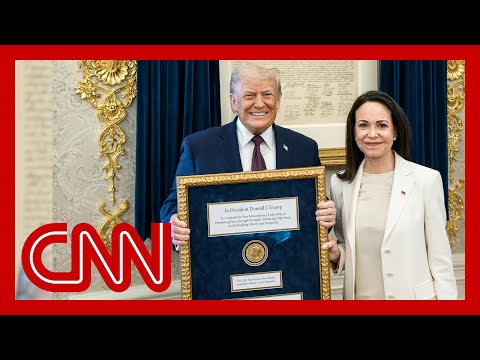
Venezuela's Machado gives Trump her Nobel Peace Prize medal
0
林宜悉 posted on 2026/01/16Ever wondered about international politics and a Nobel Peace Prize medal? This video dives into the fascinating story of Venezuela's Machado and her connection to Trump, offering a unique look at US foreign policy and diplomatic pressure. You'll pick up advanced vocabulary related to international affairs and gain cultural depth with this insightful news analysis!
Learn this video on the APP!
The VoiceTube App has more in-depth practice for videos!