
anomaly
US /əˈnɑ:məli/
UK /əˈnɒməli/
- Noun
- Something different from what is expected
B2Moreat the moment
US
UK
- Adverb
- At this time; now
A1Moreaverage
US /ˈævərɪdʒ, ˈævrɪdʒ/
UK /'ævərɪdʒ/
- Noun (Countable/Uncountable)
- Total of numbers divided by the number of items
- Transitive Verb
- To add numbers then divide by the number of items
A2TOEICMoreclimate
US /ˈklaɪmɪt/
UK /ˈklaɪmət/
- Noun (Countable/Uncountable)
- Typical weather conditions in a particular place
- The general attitudes, feelings, or opinions that people have at a particular time.
A2Morecommit
US /kəˈmɪt/
UK /kə'mɪt/
- Transitive Verb
- To do something bad, usually a crime
- To promise your permanent love or loyalty (to)
A2TOEICMoredatum
US /ˈdetəm, ˈdætəm, ˈdɑtəm/
UK /ˈdeɪtəm/
- Noun
- Item of factual information
B1Moredeputy
US /ˈdɛpjəti/
UK /ˈdepjuti/
- Noun
- Assistant to a leader who acts on his, her behalf
B1Moreextreme
US /ɪkˈstrim/
UK /ɪk'stri:m/
- Adjective
- Very great in degree
- Farthest from a center
- Noun
- Effort that is thought more than is necessary
- The furthest point or limit of something.
B1Morefossil
US /ˈfɑsəl/
UK /'fɒsl/
- Noun (Countable/Uncountable)
- Plant or animal that became rock after many years
- A person or thing that is outdated or no longer useful.
- Adjective
- Relating to or resembling a fossil.
- Relating to or denoting energy generated from fossil fuels.
B1Morefuel
US /ˈfjuəl/
UK /'fju:əl/
- Transitive Verb
- To give power to (a mob, anger, etc.); incite
- To provide gas or petrol for something
- Uncountable Noun
- Material used to produce heat or power when burned
A2TOEICMoreget at
US /ɡɛt æt/
UK /ɡet æt/
- Phrasal Verb
- To criticize someone, often personally
- To imply something; hint at
A1Moreglobe
US /gloʊb/
UK /gləʊb/
- Noun (Countable/Uncountable)
- A round object, e.g. like the earth; sphere
B1TOEICMorehuge
US /hjudʒ/
UK /hju:dʒ/
- Adjective
- Very very large
A2Moreideally
US /aɪˈdiəli/
UK /aɪ'di:əlɪ/
- Adverb
- In a perfect way; very suitably
- In theory; according to an ideal or theoretical standard.
B2Moreimpact
US /ˈɪmˌpækt/
UK /'ɪmpækt/
- Noun
- A striking effect or result to hit with force
- Act or force of one thing hitting something else
- Verb (Transitive/Intransitive)
- To hit or strike someone or something with force
- To have a strong effect on someone or something.
A2TOEICMorein a row
US /ɪn e ro/
UK /in ə rəu/
- Phrase
- One after another without a break.
- Arranged in a straight line.
- Idiom
- To have an argument.
A1Morein places
US
UK
- Phrase
- In some locations but not others
A1Morein the first place
US
UK
- Phrase
- To begin with; as the first point or consideration.
- From the beginning; initially.
A1Moreincredibly
US /ɪnˈkrɛdəblɪ/
UK /ɪnˈkredəbli/
- Adverb
- To a great degree; very; amazingly
- Extremely; so much so it is hard to believe
A2Moreindividual
US /ˌɪndəˈvɪdʒuəl/
UK /ˌɪndɪˈvɪdʒuəl/
- Countable Noun
- Single person, looked at separately from others
- A single thing or item, especially when part of a set or group.
- Adjective
- Made for use by one single person
- Having a distinct manner different from others
A2Moreintense
US /ɪnˈtɛns/
UK /ɪn'tens/
- Adjective
- Very strong, great or extreme in degree
- Experiencing or showing great force or strength; extreme.
A2TOEICMoreissue
US /ˈɪʃu/
UK /'ɪʃu:/
- Transitive Verb
- To make something available to be used or sold
- To deliver a statement, etc. in an official manner
- Noun (Countable/Uncountable)
- Important topic discussed, debated or argued over
- Single edition of a magazine
A2TOEICMorelook at
US /lʊk æt/
UK /luk æt/
- Phrasal Verb
- To use your eyes to focus on something
- To focus your eyes on something carefully
A1Moremitigate
US /ˈmɪtˌɪɡet/
UK /'mɪtɪɡeɪt/
- Transitive Verb
- To make less severe or serious
B2TOEICMoreon record
US /ɑn rɪˈkɚd/
UK /ɔn riˈkɔ:d/
- Adverb
- Formally and publicly stated
- Adjective
- Officially documented or registered.
A1Morepolarize
US /ˈpoʊləraɪz/
UK /ˈpəʊləraɪz/
- Transitive Verb
- To divide opinions into two extremes
B1Morepolitical
US /pəˈlɪtɪkəl/
UK /pəˈlɪtɪkl/
- Adjective
- Being active or interested in government matters
- Diplomatic
A2Morepre
US
UK
- Prefix
- A prefix meaning 'before'
B2Morereach
US /ritʃ/
UK /ri:tʃ/
- Verb (Transitive/Intransitive)
- To come to or arrive at a goal or destination
- To be long enough to get to a certain place
- Uncountable Noun
- Power or control someone has over something
A2TOEICMorereality
US /riˈælɪti/
UK /rɪ'ælətɪ/
- Noun (Countable/Uncountable)
- What is true, as opposed to what is imagined
- The state of things as they actually exist, rather than as they may appear or might be imagined.
A2Morerenewable
US /rɪˈnu:/
UK /rɪˈnju:əbl/
- Adjective
- Being able to be replaced naturally
- Noun
- A resource that can be used again many times
C1Morerhetoric
US /ˈrɛtərɪk/
UK /ˈretərɪk/
- Uncountable Noun
- The study of public speaking or writing techniques
B2TOEICMoresignificant
US /sɪɡˈnɪfɪkənt/
UK /sɪgˈnɪfɪkənt/
- Adjective
- Large enough to be noticed or have an effect
- Having meaning; important; noticeable
A2TOEICMoreslightly
US /ˈslaɪtli/
UK /ˈslaɪtli/
- Adverb
- Only a little
B1Morespare
US /spɛr/
UK /speə(r)/
- Transitive Verb
- To make (money or time) available for
- To save from being hurt or punished
- Adjective
- Being extra or in reserve
A2Morestabilize
US /ˈstebəˌlaɪz/
UK /'steɪbəlaɪz/
- Transitive Verb
- To make stable/consistent, with no major changes
B1Moresustainable
US /səˈsteɪnəbl/
UK /səˈsteɪnəbl/
- Adjective
- Capable of continuing for a long time
- Able to be maintained without running out of
B2Moretackle
US /ˈtækəl/
UK /'tækl/
- Transitive Verb
- To start working on a difficult problem
- To grab and throw a person to the ground
- Noun (Countable/Uncountable)
- Equipment used in fishing
- Arrangement of ropes and wheels used for lifting
B1TOEICMorethird year
US
UK
- Noun
- The third year of a course of study, especially at a university or college.
A2Moretransition
US /trænˈzɪʃən, -ˈsɪʃ-/
UK /trænˈzɪʃn/
- Noun
- Change from one state, movement, place to another
- Intransitive Verb
- To change state, movement, place, or subject
B1Moreturn off
US
UK
- Phrasal Verb
- To make someone feel negatively about something
A1Morevote in
US /voʊt ɪn/
UK /vəut ɪn/
- other
- To elect someone into a position by voting.
B1More
Vocabulary
- on record: Formally and publicly stated
- third year: The third year of a course of study, especially at a university or college.
- in a row: One after another without a break.
- get at: To criticize someone, often personally
- at the moment: At this time; now
- turn off
- vote in: To elect someone into a position by voting.
- in the first place: To begin with; as the first point or consideration.
- look at: To use your eyes to focus on something
- in places: In some locations but not others
- intense: Very strong, great or extreme in degree
- incredibly: To a great degree; very; amazingly
- individual: Single person, looked at separately from others
- significant: Large enough to be noticed or have an effect
- present: Being in attendance; being there; having turned up
- slightly: Only a little
- evidence: Factual proof that helps to establish the truth
- tackle: To start working on a difficult problem
- average: Total of numbers divided by the number of items
- impact: A striking effect or result to hit with force
- sustainable: Capable of continuing for a long time
- extreme: Very great in degree
- climate: Typical weather conditions in a particular place
- commit: To do something bad, usually a crime
- reality: What is true, as opposed to what is imagined
- spare: To make (money or time) available for
- bit: Device put in a horse's mouth to control it
- fuel: To give power to (a mob, anger, etc.); incite
- political: Being active or interested in government matters
- issue: To make something available to be used or sold
- reach: To come to or arrive at a goal or destination
- huge: Very very large
- rhetoric: The study of public speaking or writing techniques
- transition: Change from one state, movement, place to another
- record: Highest or most extreme level achieved
- mitigate: To make less severe or serious
- fossil: Plant or animal that became rock after many years
- moment: Very short or brief period of time
- lot: What happens to a person in life from chance; fate
- ideally: In a perfect way; very suitably
- important: Having power or authority
- place: To put someone in a particular type of situation
- catch: Amount of something that has been caught
- natural: Being as one would expect; being usual or normal
- worse: Comparative of 'bad'; more bad
- turn: To become (a particular age)
- change: To exchange one set of clothes for another
- question: To ask for or try to get information
- difference: A thing or issue that people do not agree about
- renewable: Being able to be replaced naturally
- globe: A round object, e.g. like the earth; sphere
- anomaly: Something different from what is expected
- stabilize: To make stable/consistent, with no major changes
- deputy: Assistant to a leader who acts on his, her behalf
- datum: Item of factual information
- polarize: To divide opinions into two extremes
- pre: A prefix meaning 'before'
Get the full experience in the app
Learn anywhere with detailed sentence and usage analysis
01:03
She took a brave step forward, leaving behind her comfort zone to chase her dreams.
Vocabulary
- brave
adj. Having courage
- comfort zone
phr. A familiar situation where one feels safe
Explanation
a brave step is a noun phrase, where brave is an adjective modifying the noun step, meaning "a courageous step".
forward is an adverb modifying step, meaning "ahead".
The whole phrase serves as the object, answering the "what" of took (verb) — she took a brave step forward.
Get the full experience in the app
Look up words anytime with pronunciation, part of speech, and usage
brave
US/brev/
UK/breɪv/
adj.Brave
v.t.To bravely face
A2 Elementary
Get the full experience in the app
Practice speaking anytime and get instant pronunciation feedback
Try this speaking exercise.
Try practicing with this sentence.
80
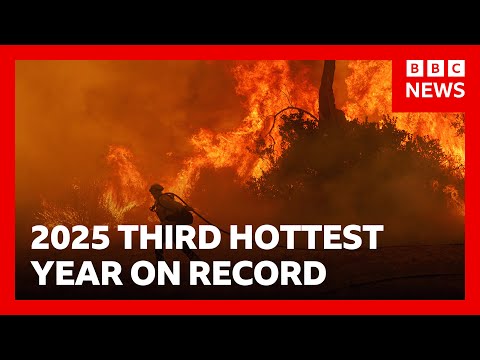
2025 third hottest year on record despite global temperature dip | BBC News
0
林宜悉 posted on 2026/01/14Did you know 2025 might be one of the hottest years on record, even with a global temperature dip? This BBC News report dives into the latest climate data from the Copernicus Climate Service and Met Office, explaining what it means for the Paris Agreement and beyond. You'll pick up advanced vocabulary related to global warming and climate extremes, perfect for understanding these crucial conversations!
Learn this video on the APP!
The VoiceTube App has more in-depth practice for videos!