
accidentally
US /ˌæksɪ'dentəlɪ/
UK /ˌæksɪ'dentəlɪ/
- Adverb
- Unexpectedly; by mistake
A2Morearchive
US /ˈɑrˌkaɪv/
UK /'ɑ:kaɪv/
- Transitive Verb
- To store things such as historical records
- Noun (Countable/Uncountable)
- Collection of historical records and materials
B1Moreas for
US /æz fɔr/
UK /æz fɔ:/
- Preposition
- Concerning; regarding.
- Phrase
- Used to introduce a new topic or aspect of a subject.
A1Moreassume
US /əˈsum/
UK /ə'sju:m/
- Transitive Verb
- To act in a false manner to mislead others
- To believe, based on the evidence; suppose
A2TOEICMoreat some point
US /æt sʌm pɔɪnt/
UK /æt sʌm pɔint/
- Phrase
- At an unspecified time, usually in the future.
A1Moreback into
US /bæk ˈɪntu/
UK /bæk ˈɪntuː/
- Phrasal Verb
- To drive a vehicle backwards into a space or area.
- To accidentally collide with something while moving backwards.
A1Morebear
US /bɛr/
UK /bɛː/
- Transitive Verb
- To accept (responsibilities or duties)
- To give birth to a child; to produce fruit
- Countable Noun
- Large brown animal with fur that lives in forests
- Someone who expects stock market to fall
A2Morebutton
US /ˈbʌtn/
UK /'bʌtn/
- Noun (Countable/Uncountable)
- Small round piece material used to fasten clothing
- Switch activated by pressing
- Transitive Verb
- To fasten e.g. a shirt, coat
- To suppress or restrain (feelings, etc.).
A2TOEICMorechannel
US /ˈtʃænəl/
UK /'tʃænl/
- Noun (Countable/Uncountable)
- Long hole dug in the ground, e.g. to move water
- TV or radio station or its programs
- Transitive Verb
- To dig a long hole for carrying water
- To send (e.g. money) to a certain place or person
B1Morechew
US /tʃu:/
UK /tʃu:/
- Verb (Transitive/Intransitive)
- To bite something many times without swallowing it
- Noun
- Act of biting something many times
B1Moreclose up
US /kloz ʌp/
UK /kləuz ʌp/
- Countable Noun
- A photograph or film shot taken of a subject at close range.
- Adverb
- To move nearer to someone or something.
A1Morecopyright
US /ˈkɑpiˌraɪt/
UK /'kɒpɪraɪt/
- Noun (Countable/Uncountable)
- Legal right to own and distribute a creative work
- Transitive Verb
- To obtain the legal right to own a creative work
B2Morecouple
US /ˈkʌpəl/
UK /'kʌpl/
- Transitive Verb
- To join something to something else
- (Two animals) to engage in sexual relations
- Noun (Countable/Uncountable)
- Two people in a romantic relationship
- Two of something; two people; a pair
A2Morecrack
US /kræk/
UK /kræk/
- Noun (Countable/Uncountable)
- Attempt to achieve a goal or objective
- Unexpected and hard hit to the body
- Verb (Transitive/Intransitive)
- To attempt to achieve a goal or objective
- To hit someone or something hard and unexpectedly
B1Morecreature
US /ˈkritʃɚ/
UK /ˈkri:tʃə(r)/
- Noun (Countable/Uncountable)
- Animal of any type
- An animal, as distinct from a human being.
A2Morecrush
US /krʌʃ/
UK /krʌʃ/
- Noun
- Strong attraction to someone
- Transitive Verb
- To break something into small pieces by pressing
- To defeat someone or something (in a game)
B1TOEICMorecuddly
US /ˈkʌdli/
UK /ˈkʌdli/
- Adjective
- That makes you want to bug them; plump or friendly
B2Moredebris
US /dəˈbri, de-, ˈdeˌbri/
UK /dəˈbri:, deɪ-, ˈdeɪˌbri:/
- Uncountable Noun
- Remains of something broken or destroyed
- Accumulated fragments of rock.
B2TOEICMoreden
US /dɛn/
UK /den/
- Countable Noun
- Home of some types of wild animals
- Secret place where criminals hide
B2Moredomain
US /doʊˈmeɪn/
UK /dəˈmeɪn/
- Noun (Countable/Uncountable)
- A field of knowledge, thought or influence
- Area that a ruler or government controls
B1Moredrain
US /dren/
UK /dreɪn/
- Noun (Countable/Uncountable)
- Hole or pipe that water, waste etc. flows into
- Something that depletes resources or energy.
- Transitive Verb
- To empty or remove liquid from
- To use up the energy/ money/power of something
B1Moredredge
US /drɛdʒ/
UK /dredʒ/
- Noun
- Scooping machine used to dig up river channels
B2Morefootage
US /ˈfʊtɪdʒ/
UK /ˈfʊtɪdʒ/
- Uncountable Noun
- A certain amount of film or video of something
- The length or amount of something measured in feet.
B2Morefor long
US
UK
- Phrase
- For a considerable period of time.
- For a significant duration in the future.
A1Morefrustrating
US /frʌˈstretɪŋ/
UK /frʌˈstreɪtɪŋ/
- Transitive Verb
- To make annoyed because things don't go well
- To prevent (someone) from accomplishing something.
- Adjective
- Annoying because things don't go the way you want
- Serving to frustrate.
B1Moregot to
US /ɡɑt tu/
UK /gɔt tu:/
- Verb (Transitive/Intransitive)
- To arrive at some place
- To have the opportunity or permission to do something
- Phrasal Verb
- To appeal to the emotions of; move
- To finally begin to start something after a delay
A1Moregrizzly
US /'grɪzlɪ/
UK /'grɪzlɪ/
- Adjective
- Grayish
C1Morehonestly
US /ˈɑnɪstli/
UK /ˈɒnɪstli/
- Adverb
- With truth or sincerity; I'm being honest with you
- Genuinely; in a sincere manner.
A2Morehorror
US /ˈhɔrɚ, ˈhɑr-/
UK /ˈhɒrə(r)/
- Noun (Countable/Uncountable)
- Feeling of great shock or fear; thing causing it
B1Morein one piece
US /ɪn wʌn pis/
UK /in wʌn pi:s/
- Phrase
- Undamaged; whole; not broken or harmed.
- Safe and unharmed, especially after a dangerous situation.
A1Morejigsaw
US /ˈdʒɪɡˌsɔ/
UK /ˈdʒɪgsɔ:/
- Noun
- Cut up picture on card that you fit back together
B2Morelicense
US /ˈlaɪsəns/
UK /ˈlaɪsns/
- Transitive Verb
- To give official permission to do something
- Uncountable Noun
- Freedom to do what you want or act as you want
B1TOEICMorelump
US /lʌmp/
UK /lʌmp/
- Noun (Countable/Uncountable)
- Small swollen mass in body, e.g. showing disease
- A small hard part of something smooth
- Transitive Verb
- To combine things together in a group
- To group things together indiscriminately.
B1Moremafia
US /ˈmɑfɪˌɑ/
UK /ˈmɑ:fɪɑ:/
- Noun
- Secret criminal organization
B2Morememory
US /ˈmɛməri/
UK /'memərɪ/
- Noun (Countable/Uncountable)
- Ability of the mind to call back past things
- Space for the storage of information on a computer
A2Moremetaphor
US /ˈmɛtəˌfɔr, -fɚ/
UK /ˈmetəfə(r)/
- Noun
- Imaginative use of words to reveal a similarity
B1Moremotion
US /ˈmoʃən/
UK /'məʊʃn/
- Noun (Countable/Uncountable)
- Suggestion at a meeting
- A movement; the process of moving
- Intransitive Verb
- To communicate by moving your head or hand
A2Moremurky
US /ˈmɜrki/
UK /ˈmɜ:ki:/
- Adjective
- Being dark, unclear, and difficult to see through
B2Moreoverheat
US /ˌoʊvərˈhi:t/
UK /ˌəʊvəˈhi:t/
- Verb (Transitive/Intransitive)
- To become too hot
- To become too economically active; grow too fast
C1Morepeanut
US /ˈpiˌnʌt/
UK /ˈpi:nʌt/
- Countable Noun
- Edible small nut which grows under the ground
- A very small amount of money.
B2Morepicked it up
US
UK
- Phrasal Verb
- To acquire or obtain something.
- To learn something, often without formal instruction.
A1Morepuzzle
US /ˈpʌzəl/
UK /'pʌzl/
- Transitive Verb
- To be a challenge to understand; confuse
- Noun (Countable/Uncountable)
- Something challenging to explain or understand
- Game requiring the player to find an answer
A2TOEICMorerelevant
US /ˈrɛləvənt/
UK /ˈreləvənt/
- Adjective
- Having an effect on an issue; related or current
A2TOEICMorerotate
US /ˈroʊteɪt/
UK /rəʊˈteɪt/
- Verb (Transitive/Intransitive)
- To regularly change people who perform a role
- To regularly change the crops that grow in a field
B2Morescreen
US /skrin/
UK /skri:n/
- Transitive Verb
- To hide or block something from being seen
- To examine to find something, e.g. best candidate
- Noun
- Wire net in a door or window to keep insects out
- Displays in a theater on which movies are shown
A2TOEICMoreset up
US /sɛt ʌp/
UK /set ʌp/
- Phrasal Verb
- To make arrangements for something; establish
- Verb (Transitive/Intransitive)
- To arrange or prepare something for use.
- To start a business, organization, etc.
A1Moreshatter
US /ˈʃætɚ/
UK /'ʃætə(r)/
- Verb (Transitive/Intransitive)
- To break into small pieces
B1Moreshutter
US /ˈʃʌtɚ/
UK /ˈʃʌtə(r)/
- Noun (Countable/Uncountable)
- Part of a camera that opens to allow in light
- Piece of wood or metal that covers a window
- Transitive Verb
- To close a business permanently
- To close the shutters over a window
B2Moresinister
US /ˈsɪnɪstɚ/
UK /ˈsɪnɪstə(r)/
- Adjective
- Suggesting evil or danger; threatening
B2Moreskip
US /skɪp/
UK /skɪp/
- Countable Noun
- Very large waste disposal bin
- Intransitive Verb
- To move forward by taking fast steps and jumps
- To move rapidly, from one topic to another
B2Morespit
US /spɪt/
UK /spɪt/
- Verb (Transitive/Intransitive)
- To forcefully blow saliva out from your mouth
B1Morespit it out
US
UK
- Phrasal Verb
- To say something quickly, especially when reluctant to do so.
- To reveal information or a secret, often unwillingly.
A1Morestart off
US /stɑrt ɔf/
UK /stɑ:t ɔf/
- Phrasal Verb
- To begin or commence something.
- To begin a journey.
B2Moresticky
US /ˈstɪki/
UK /ˈstɪki/
- Adjective
- Easy to adhere or stick to other things
- (Of weather/a day) uncomfortably hot and humid
B1Moresurvive
US /sɚˈvaɪv/
UK /sə'vaɪv/
- Intransitive Verb
- To continue to live despite illness or trouble
A2TOEICMoretear
US /tɛr/
UK /teə(r)/
- Noun (Countable/Uncountable)
- Drop of salty water from the eye
- Hole or rip in something after it has been damaged
- Intransitive Verb
- To move very quickly, often with carelessness
A2Morethink of
US /θɪŋk ʌv/
UK /θiŋk ɔv/
- Phrasal Verb
- To look on as (being something specific); consider
- To consider or remember something.
- Verb (Transitive/Intransitive)
- To imagine or call something to mind
A1Moretrash
US /træʃ/
UK /træʃ/
- Uncountable Noun
- Garbage or anything that is worthless
- Transitive Verb
- To throw away in the garbage
- To criticize; claim person/thing is inferior
B2TOEICMoreused to
US /juzd tu/
UK /ˈju:st tə/
- Adjective
- Did regularly before, but don't do now
- Auxiliary Verb
- Have done before, but do not do now
A1Morewild
US /waɪld/
UK /waɪld/
- Adverb
- In a manner which lacks control
- Adjective
- Living in nature; not tame
- (Of land) not developed by people
A2Morewith it
US /wɪð ɪt/
UK /wið it/
- Adjective
- Intelligent, alert, and up-to-date.
- Understanding and knowledgeable about current trends or information.
A1Morewrite off
US /raɪt ɔf/
UK /rait ɔf/
- Phrasal Verb
- To cancel a debt; to recognize as a loss.
- To reduce or eliminate the book value of an asset.
A1More
Vocabulary
- picked it up: To acquire or obtain something.
- write off: To cancel a debt; to recognize as a loss.
- with it: Intelligent, alert, and up-to-date.
- got to: To arrive at some place
- at some point: At an unspecified time, usually in the future.
- back into: To drive a vehicle backwards into a space or area.
- in one piece: Undamaged; whole; not broken or harmed.
- start off: To begin or commence something.
- for long: For a considerable period of time.
- used to: Did regularly before, but don't do now
- think of: To look on as (being something specific); consider
- spit it out: To say something quickly, especially when reluctant to do so.
- close up: A photograph or film shot taken of a subject at close range.
- set up
- as for: Concerning; regarding.
- relevant: Having an effect on an issue; related or current
- assume: To act in a false manner to mislead others
- figure: To appear in a game, play or event
- metaphor: Imaginative use of words to reveal a similarity
- crush: Strong attraction to someone
- crack: Attempt to achieve a goal or objective
- bit: Device put in a horse's mouth to control it
- drain: Hole or pipe that water, waste etc. flows into
- frustrating: To make annoyed because things don't go well
- debris: Remains of something broken or destroyed
- footage: A certain amount of film or video of something
- pretty: Being attractive to the eye in a simple way
- survive: To continue to live despite illness or trouble
- drop: Distance between a higher and a lower level
- couple: To join something to something else
- break: To create a new record e.g. running the 100m dash
- record: Highest or most extreme level achieved
- honestly: With truth or sincerity; I'm being honest with you
- accidentally: Unexpectedly; by mistake
- bear: To accept (responsibilities or duties)
- spit: To forcefully blow saliva out from your mouth
- sinister: Suggesting evil or danger; threatening
- creature: Animal of any type
- tear: Drop of salty water from the eye
- wild: In a manner which lacks control
- shatter: To break into small pieces
- channel: Long hole dug in the ground, e.g. to move water
- puzzle: To be a challenge to understand; confuse
- domain: A field of knowledge, thought or influence
- chew: To bite something many times without swallowing it
- button: Small round piece material used to fasten clothing
- murky: Being dark, unclear, and difficult to see through
- horror: Feeling of great shock or fear; thing causing it
- motion: Suggestion at a meeting
- sticky: Easy to adhere or stick to other things
- point: An item to be discussed
- fill: To make something full
- fail: To be unsuccessful in passing a class or exam
- screen: To hide or block something from being seen
- cuddly: That makes you want to bug them; plump or friendly
- memory: Ability of the mind to call back past things
- pick: Sharp tool used for breaking the ground
- archive: To store things such as historical records
- turn: To become (a particular age)
- grizzly: Grayish
- remember: To give someone a gift, e.g. birthday, wedding
- lump: Small swollen mass in body, e.g. showing disease
- license: To give official permission to do something
- trash: Garbage or anything that is worthless
- finally: used especially at the beginning of a sentence to introduce the last point or idea
- case: Container used to carry things, e.g. clothes
- peanut: Edible small nut which grows under the ground
- behaviour: The way a person or thing acts; manner
- rotate: To regularly change people who perform a role
- skip: Very large waste disposal bin
- shutter: Part of a camera that opens to allow in light
- jigsaw: Cut up picture on card that you fit back together
- den: Home of some types of wild animals
- mafia: Secret criminal organization
- dredge: Scooping machine used to dig up river channels
- copyright: Legal right to own and distribute a creative work
- overheat: To become too hot
Get the full experience in the app
Learn anywhere with detailed sentence and usage analysis
01:03
She took a brave step forward, leaving behind her comfort zone to chase her dreams.
Vocabulary
- brave
adj. Having courage
- comfort zone
phr. A familiar situation where one feels safe
Explanation
a brave step is a noun phrase, where brave is an adjective modifying the noun step, meaning "a courageous step".
forward is an adverb modifying step, meaning "ahead".
The whole phrase serves as the object, answering the "what" of took (verb) — she took a brave step forward.
Get the full experience in the app
Look up words anytime with pronunciation, part of speech, and usage
brave
US/brev/
UK/breɪv/
adj.Brave
v.t.To bravely face
A2 Elementary
Get the full experience in the app
Practice speaking anytime and get instant pronunciation feedback
Try this speaking exercise.
Try practicing with this sentence.
80
0
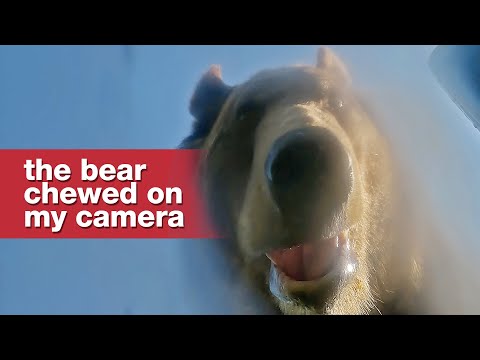
林宜悉 posted on 2026/01/13You won't believe what happened when a bear found a GoPro and took a selfie! This hilarious and slightly sinister footage, recovered from a grizzly encounter, is perfect for learning simple sentence structures and picking up some fun wildlife vocabulary. Get ready for some accidental, slow-motion action!
Learn this video on the APP!
The VoiceTube App has more in-depth practice for videos!