
allegedly
US /ə'ledʒɪdlɪ/
UK /ə'ledʒɪdlɪ/
- Adverb
- According to what has been alleged
B2Moreassociate
US /əˈsoʊʃiˌeɪt/
UK /ə'səʊʃɪeɪt/
- Countable Noun
- Partner in professional work, e.g. in law
- Verb (Transitive/Intransitive)
- To spend time with other people; mix with
- To form a connection in your mind between things
B1TOEICMoreattention
US /əˈtɛnʃən/
UK /əˈtenʃn/
- Noun (Countable/Uncountable)
- Taking notice of someone or something
- Noun
- (Soldiers) Standing with straight backs
A2TOEICMoreayatollah
US /ˌaɪəˈtoʊlə/
UK /ˌaɪəˈtɒlə/
- Proper Noun
- Important religious or political leader in Iran
C1Moreback down
US /bæk daʊn/
UK /bæk daun/
- Phrasal Verb
- To admit you were wrong; stop claiming
A1Moreblackout
US /ˈblækˌaʊt/
UK /'blækaʊt/
- Noun
- When the electric power is off; outage
- A temporary loss of consciousness, sight, or memory.
C1Morecivil
US /ˈsɪvəl/
UK /ˈsɪvl/
- Adjective
- Of citizens of a country; not military, criminal
- Acting in a polite, but not truly friendly manner
B1Morecondemn
US /kənˈdɛm/
UK /kənˈdem/
- Transitive Verb
- To say that (a building) is too unsafe to be used
- To state strongly that person, thing is bad, wrong
B1Morecurious
US /ˈkjʊriəs/
UK /ˈkjʊəriəs/
- Adjective
- Wanting to know more about something
- Attracting interest by being strange or unusual
A2Morecurrency
US /ˈkɚrənsi, ˈkʌr-/
UK /'kʌrənsɪ/
- Uncountable Noun
- Widespread acceptance
- Money system that a country uses
B1Morecustody
US /ˈkʌstədi/
UK /ˈkʌstədi/
- Noun
- Legal right to be responsible and care for a child
B2Moredemonstrate
US /ˈdɛmənˌstret/
UK /'demənstreɪt/
- Verb (Transitive/Intransitive)
- To display a feeling or ability openly
- To protest about something often as a group
A2TOEICMoredetermine
US /dɪˈtɚmɪn/
UK /dɪ'tɜ:mɪn/
- Transitive Verb
- To control exactly how something will be or act
- To establish the facts about; discover
A2TOEICMoreedge
US /ɛdʒ/
UK /edʒ/
- Noun (Countable/Uncountable)
- An advantage you have over others
- Cutting side of a sharp object
- Transitive Verb
- To cut something to make the blade sharp
- To go around the boundary of something
A2TOEICMoreelection
US /ɪˈlɛkʃən/
UK /ɪ'lekʃn/
- Noun
- Process of choosing someone by voting
B1TOEICMoreexile
US /ˈɛɡˌzaɪl, ˈɛkˌsaɪl/
UK /'eksaɪl/
- Uncountable Noun
- State of being forced to leave your country
- Transitive Verb
- One forced to leave their home and live elsewhere
B2Morefactor
US /ˈfæktɚ/
UK /'fæktə(r)/
- Noun
- Something that influences a result
- Transitive Verb
- To consider or include in an estimate or judgment
- To find the two numbers a number can be divided by
A2TOEICMorefellow
US /ˈfɛlo/
UK /'feləʊ/
- Noun (Countable/Uncountable)
- Man or a boy
- Student paid to study and teach after college
- Adjective
- Being of the same kind
- Sharing a particular activity, situation, or characteristic.
A2TOEICMoreflare
US /flɛr/
UK /fleə(r)/
- Intransitive Verb
- To become angry or excited suddenly
- To burn or shine suddenly and briefly
- Noun
- A brief bright light
- Light/fire used to signal for help/warn of danger
B2Moreflare up
US /flɛr ʌp/
UK /flɛə ʌp/
- Intransitive Verb
- To suddenly worsen or become more intense (of a medical condition).
- To suddenly become angry or violent.
- Phrasal Verb
- To suddenly become angry or violent.
- To suddenly become worse or more intense (of a medical condition).
A1Moreforge
US /fɔ:rdʒ/
UK /fɔ:dʒ/
- Transitive Verb
- To create something by hammering hot metal
- To form something new, such a relationship
- Countable Noun
- A furnace to melt and shape metals with heat
B1TOEICMorehard to say
US
UK
- Phrase
- Difficult to know or predict; uncertain.
A1Morein a row
US /ɪn e ro/
UK /in ə rəu/
- Phrase
- One after another without a break.
- Arranged in a straight line.
- Idiom
- To have an argument.
A1Morein the world
US /ɪn ði wɜrld/
UK /in ðə wɜː(r)ld/
- Phrase
- Used to emphasize a question expressing surprise, confusion, disbelief
- Used to indicate the extent or degree of something, often in a superlative sense
A1Moreintervene
US /ˌɪntərˈvi:n/
UK /ˌɪntəˈvi:n/
- Intransitive Verb
- To get involved to try to prevent trouble
- To interrupt a situation, argument, etc.
B1Moreleverage
US /ˈlɛvərɪdʒ, ˈlivə-/
UK /'li:vərɪdʒ/
- Noun (Countable/Uncountable)
- An advantage which gives you influence or power
- An advantage gained through the use of resources or a strategic position
- Transitive Verb
- To use an advantage which gives you influence
B2TOEICMoremake of
US /mek ʌv/
UK /meik ɔv/
- Phrasal Verb
- To understand or have an opinion about something
- To create or produce something from a particular material
A1Morenecessarily
US /ˌnɛsɪˈsɛrəli, -ˈsɛr-/
UK /ˌnesəˈserəli/
- Adverb
- In a way that is needed/required/is unavoidable
A2TOEICMoreon the ground
US
UK
- Phrase
- Located on the surface of the earth.
- Present and available in a particular place, especially to deal with a situation.
on the streets
US /ɑn ðə strits/
UK /ɒn ðə stri:ts/
- other
- Without a home; homeless or exposed outdoors.
B2Moreoutside of
US /aʊtˈsaɪd ʌv/
UK /ˌautˈsaid ɔv/
- Preposition
- Located or situated beyond the boundaries or confines of something.
- Beyond the scope, range, or limits of something.
A1Morepolitical
US /pəˈlɪtɪkəl/
UK /pəˈlɪtɪkl/
- Adjective
- Being active or interested in government matters
- Diplomatic
A2Moreprevious
US /ˈpriviəs/
UK /ˈpri:viəs/
- Adjective
- Existing or happening before the present time
- Existing or occurring immediately before in time or order.
- Noun
- A button or link that allows navigation to a preceding item or page.
A2TOEICMoreproper
US /ˈprɑpɚ/
UK /'prɒpə(r)/
- Adjective
- Correct according to social or moral rules
- Behaving in a polite and socially acceptable way.
A2TOEICMoreprotest
US /ˈproʊtɛst/
UK /'prəʊtest/
- Verb (Transitive/Intransitive)
- To argue against something in a forceful way
- To express a strong objection or dislike
- Noun
- Forceful argument against something
- Objection to something
A2Moreput out
US /pʊt aʊt/
UK /put aut/
- Phrasal Verb
- To publish, e.g. a book
- To cause someone to be troubled or inconvenienced
A1Morerage
US /reɪdʒ/
UK /reɪdʒ/
- Uncountable Noun
- Strong or violent anger
- Intransitive Verb
- To act or speak with strong or violent anger
- To move violently, like a storm
B1Moreregime
US /reˈʒim, rɪ-/
UK /reɪˈʒi:m/
- Noun
- A system of management; a form of government
B1Morerepression
US /rɪˈprɛʃən/
UK /rɪˈpreʃn/
- Uncountable Noun
- Psych act of restricting or holding back emotions
B2Moreresponse
US /rɪˈspɑns/
UK /riˈspɔns/
- Noun
- Something said/written as an answer to something
- Reaction to something that has occurred
A2TOEICMorerevolt
US /rɪˈvolt/
UK /rɪ'vəʊlt/
- Noun
- Protest against authority; fight to take control
- Intransitive Verb
- To refuse to obey someone's authority or wishes
B2Morescenario
US /səˈner.i.oʊ/
UK /sɪˈnɑː.ri.əʊ/
- Noun
- An imagined sequence of events in a plan/project
B1Moreseize
US /siz/
UK /si:z/
- Transitive Verb
- To take a place with force, as by military action
- To arrest or catch someone
B1Moreshutdown
US /ˈʃʌtˌdaʊn/
UK /ˈʃʌtdaʊn/
- Noun
- Termination of operations
C2Moresociety
US /səˈsaɪɪti/
UK /sə'saɪətɪ/
- Noun (Countable/Uncountable)
- A group who meet to share values or interests
- Group of people living together
A2TOEICMorespark
US /spɑrk/
UK /spɑ:k/
- Countable Noun
- Small piece of burning material produced by fire
- Tiny, brief bit of light caused by electric energy
- Intransitive Verb
- To make tiny, brief bits of light
B1Moresuffer
US / ˈsʌfɚ/
UK /'sʌfə(r)/
- Verb (Transitive/Intransitive)
- To experience pain, illness, or injury
- To allow or permit something, especially something unpleasant.
A2Moresupreme
US /sʊˈprim/
UK /su:ˈpri:m/
- Adjective
- Greatest in degree/nature/quality; absolute best
- Holding the highest power, status or authority
B1Moreunrest
US /ʌnˈrɛst, ˈʌnˌrɛst/
UK /ʌn'rest/
- Uncountable Noun
- Disturbance, e.g. of crowd in protest against
B2Moreviolence
US /ˈvaɪələns/
UK /ˈvaɪələns/
- Uncountable Noun
- Strong physical force of nature
- Use of physical force to harm someone
B1Morevulnerable
US /ˈvʌlnərəbəl/
UK /ˈvʌlnərəbl/
- Adjective
- Being open to attack or damage
- Being easily harmed, hurt, or wounded
B1More
Vocabulary
- on the ground: Located on the surface of the earth.
- back down: To admit you were wrong; stop claiming
- in a row: One after another without a break.
- make of: To understand or have an opinion about something
- outside of: Located or situated beyond the boundaries or confines of something.
- hard to say: Difficult to know or predict; uncertain.
- on the streets: Without a home; homeless or exposed outdoors.
- put out: To publish, e.g. a book
- in the world: Used to emphasize a question expressing surprise, confusion, disbelief
- flare up: To suddenly worsen or become more intense (of a medical condition).
- vulnerable: Being open to attack or damage
- scenario: An imagined sequence of events in a plan/project
- situation: Place, position or area that something is in
- demonstrate: To display a feeling or ability openly
- term: Conditions applying to an agreement, contract
- determine: To control exactly how something will be or act
- associate: Partner in professional work, e.g. in law
- necessarily: In a way that is needed/required/is unavoidable
- fear: Unpleasant feeling caused by being aware of danger
- curious: Wanting to know more about something
- previous: Existing or happening before the present time
- proper: Correct according to social or moral rules
- leverage: An advantage which gives you influence or power
- political: Being active or interested in government matters
- currency: Widespread acceptance
- rage: Strong or violent anger
- suffer: To experience pain, illness, or injury
- society: A group who meet to share values or interests
- regime: A system of management; a form of government
- response: Something said/written as an answer to something
- edge: An advantage you have over others
- attention: Taking notice of someone or something
- factor: Something that influences a result
- spark: Small piece of burning material produced by fire
- fellow: Man or a boy
- protest: To argue against something in a forceful way
- risk: To do something potentially dangerous or foolish
- ground: To break (coffee, etc.) into tiny bits with machine
- civil: Of citizens of a country; not military, criminal
- fall: Season after summer and before winter; Autumn
- allegedly: According to what has been alleged
- violence: Strong physical force of nature
- supreme: Greatest in degree/nature/quality; absolute best
- notice: To become aware by sight, touch, or hearing
- condemn: To say that (a building) is too unsafe to be used
- forge: To create something by hammering hot metal
- seize: To take a place with force, as by military action
- continue: To do something without stopping, or after pausing
- custody: Legal right to be responsible and care for a child
- support: To give assistance or advice to someone
- election: Process of choosing someone by voting
- exile: State of being forced to leave your country
- unrest: Disturbance, e.g. of crowd in protest against
- step: Movement done as part of a particular dance
- turn: To become (a particular age)
- blackout: When the electric power is off; outage
- question: To ask for or try to get information
- intervene: To get involved to try to prevent trouble
- difference: A thing or issue that people do not agree about
- grow: To get bigger and more mature; make plants do this
- wear: To have clothes, glasses, shoes etc. on your body
- flare: To become angry or excited suddenly
- revolt: Protest against authority; fight to take control
- repression: Psych act of restricting or holding back emotions
- shutdown: Termination of operations
- ayatollah: Important religious or political leader in Iran
Get the full experience in the app
Learn anywhere with detailed sentence and usage analysis
01:03
She took a brave step forward, leaving behind her comfort zone to chase her dreams.
Vocabulary
- brave
adj. Having courage
- comfort zone
phr. A familiar situation where one feels safe
Explanation
a brave step is a noun phrase, where brave is an adjective modifying the noun step, meaning "a courageous step".
forward is an adverb modifying step, meaning "ahead".
The whole phrase serves as the object, answering the "what" of took (verb) — she took a brave step forward.
Get the full experience in the app
Look up words anytime with pronunciation, part of speech, and usage
brave
US/brev/
UK/breɪv/
adj.Brave
v.t.To bravely face
A2 Elementary
Get the full experience in the app
Practice speaking anytime and get instant pronunciation feedback
Try this speaking exercise.
Try practicing with this sentence.
80
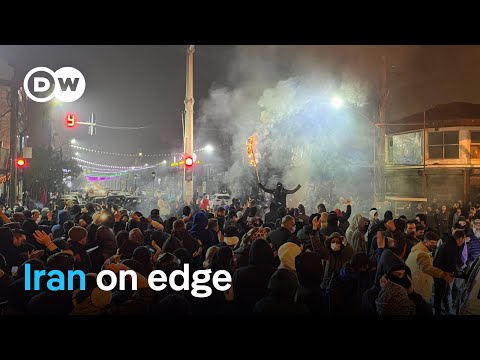
How vulnerable is Iran's regime as protests show no sign of slowing? | DW News
0
Minjane posted on 2026/01/11Wondering how the protests in Iran are impacting the regime? This DW News report dives deep into the ongoing unrest, exploring state repression and the economic crisis. You'll pick up advanced vocabulary related to international affairs and gain a deeper understanding of current events!
Learn this video on the APP!
The VoiceTube App has more in-depth practice for videos!