
affect
US /əˈfɛkt/
UK /ə'fekt/
- Transitive Verb
- To cause a change in something else
- To pretend to have or feel (something).
- Noun
- (Psychology) Emotion or feeling.
A2TOEICMoreafter all
US /ˈæftɚ ɔl/
UK /ˈɑ:ftə ɔ:l/
- Adverb
- In spite of what was expected; used to introduce a statement that supports a previous statement or explains why it was made
- Considering everything; used to indicate that something is happening or is true despite some difficulty or obstacle
- Phrase
- Despite what was expected or thought; in spite of everything.
- Taking everything into consideration; considering that.
B1Morealgorithm
US /ˈælɡəˌrɪðəm/
UK /'ælɡərɪðəm/
- Noun
- A step-by-step problem-solving feature
B2Moreall bets are off
US /ɔl bɛts ɑr ɔf/
UK /ɔ:l bets ɑ: ɔf/
- other
- Used to say that no plans or predictions can be relied upon.
B2Morealong with
US /əˈlɔŋ wɪð/
UK /əˈlɔŋ wið/
- Preposition
- In addition to; together with.
- Adverb
- In company or together with someone or something.
- Including; in addition to.
A2Moreas a whole
US /æz e hol/
UK /æz ə həul/
- Phrase
- Considering everything together; in general.
- Complete; not divided or incomplete.
- Adjective
- Complete; not divided or fragmented.
A1Moreas one
US
UK
- Adverb
- Acting or moving together at the same time.
- In complete agreement or unity.
- Phrase
- With a single voice or opinion; unanimously.
- In perfect harmony or unison.
A1Moreassume
US /əˈsum/
UK /ə'sju:m/
- Transitive Verb
- To act in a false manner to mislead others
- To believe, based on the evidence; suppose
A2TOEICMoreat least
US /æt list/
UK /æt li:st/
- Adverb
- As a minimum
- Not less than
- Phrase
- No less than; at the minimum
- Used to indicate that something is positive in a bad situation.
C2Moreat most
US /æt most/
UK /æt məust/
- Adverb
- Not more than; a maximum of.
- Phrase
- Used to indicate an upper limit or maximum quantity.
A1Moreat some point
US /æt sʌm pɔɪnt/
UK /æt sʌm pɔint/
- Phrase
- At an unspecified time, usually in the future.
A1Moreat the end of the day
US
UK
- Phrase
- Ultimately; when everything else is considered.
- After a day's work or activities.
A1Moreback to work
US
UK
- Phrase
- Returning to one's job or professional duties after a period of absence.
- Interjection
- An expression used to urge or remind people to resume working.
A1Morebinary
US /ˈbaɪnəri/
UK /ˈbaɪnəri/
- Adjective
- Having two parts; using only 2 numbers, 1 and 0
- Noun
- Mathematical language using only one and zero
B2Morebreak down
US /brek daʊn/
UK /breik daun/
- Phrasal Verb
- To forcibly break, destroy or make collapse
- (Machine) to stop working or become weaker
A1Moreby hand
US /baɪ hænd/
UK /bai hænd/
- Phrase
- Done manually; not by machine.
- Delivered personally; not by mail or electronically.
A1Moreby now
US /baɪ naʊ/
UK /bai nau/
- Phrase
- At the present time or already; before the present.
A2Morecarry out
US /ˈkæri aʊt/
UK /ˈkæri aut/
- Phrasal Verb
- To fulfill or perform your instructions, duty
- Verb (Transitive/Intransitive)
- To perform or execute a task, order, or plan.
- To remove something or someone from a place.
A1Morecheck on
US /tʃɛk ɑn/
UK /tʃek ɔn/
- Phrasal Verb
- To check that things are OK, correct
- To make sure someone or something is safe or well.
A1Morecolumn
US /ˈkɑ:ləm/
UK /ˈkɒləm/
- Noun (Countable/Uncountable)
- Regular series of articles in a newspaper/magazine
- Strong vertical stone pillar that holds up a roof
B1Morecome up with
US /kʌm ʌp wɪð/
UK /kʌm ʌp wið/
- Phrasal Verb
- To think of an idea or solution; produce
A1Moreconfidence
US /ˈkɑnfɪdəns/
UK /'kɒnfɪdəns/
- Uncountable Noun
- Feeling that you can do well at something
- Feeling you can trust someone
A2Moreconjunction
US /kənˈdʒʌŋkʃən/
UK /kənˈdʒʌŋkʃn/
- Noun
- Combination of things or events
- Word that joins parts of a sentence, e.g. 'and'
B1Moredatum
US /ˈdetəm, ˈdætəm, ˈdɑtəm/
UK /ˈdeɪtəm/
- Noun
- Item of factual information
B1Moredive in
US
UK
- Phrasal Verb
- To start doing something with a lot of enthusiasm.
- Intransitive Verb
- To jump into water headfirst.
A1Moreexcept for
US /ɪkˈsɛpt fɔr/
UK /ikˈsept fɔ:/
- Preposition
- Not including; excluding.
false positive
US
UK
- Noun
- A test result which incorrectly indicates that a particular condition or attribute is present.
- A test result that incorrectly indicates a disease or condition is present when it is not.
B1Morefeel like
US
UK
- Intransitive Verb
- To have a desire or inclination for something.
- To have a particular quality or sensation; resemble.
A1Morefigure out
US /ˈfɪɡjɚ aʊt/
UK /ˈfiɡə aut/
- Phrasal Verb
- To understand the behavior of someone
- To think through logically to find a solution
- Verb (Transitive/Intransitive)
- To understand or find an answer to something.
- To find a solution to a problem or understand something.
A1Moreflip
US /flɪp/
UK /flɪp/
- Verb (Transitive/Intransitive)
- To turn your body in the air, as in gymnastics
- To move into a different position quickly
- Noun
- Act of turning your body in the air; somersault
- Movement of something from one position to another
B2Morefor example
US
UK
- Phrase
- As an illustration or instance.
for now
US /fɔr naʊ/
UK /fɔ: nau/
- Phrase
- Temporarily; for the present time.
- In the short term; for the immediate future.
A1Morefor sure
US /fɔr ʃʊr/
UK /fɔ: ʃuə/
- Adverb
- Definitely; certainly; without a doubt.
- Used to emphasize a statement.
- Interjection
- An expression of strong agreement or affirmation.
A2Morefor the better
US /fɔr ði ˈbɛtɚ/
UK /fɔ: ðə ˈbetə/
- Phrase
- Resulting in improvement; to a more favorable condition.
A1Moreforget about
US /fɚˈɡɛt əˈbaʊt/
UK /fəˈɡet əˈbaut/
- Phrasal Verb
- To stop thinking about something; to ignore something.
A1Moreframe
US /frem/
UK /freɪm/
- Transitive Verb
- To make a person that is not guilty appear guilty
- To put say or write something in a careful way
- Noun (Countable/Uncountable)
- Structure that holds a picture or photo
- A person's body shape determined by their skeleton
A2TOEICMorefrom start to finish
US /frəm stɑrt tu ˈfɪnɪʃ/
UK /frəm stɑ:t tə ˈfɪnɪʃ/
- other
- Covering the whole process from beginning to end.
B1Morego ahead
US /ɡo əˈhɛd/
UK /ɡəu əˈhed/
- Phrasal Verb
- To start an activity; start doing, working etc.
- To give permission to do something
- Intransitive Verb
- To start or proceed with something
- To proceed despite potential obstacles or doubts.
A1Moregoing on
US /ˈɡoɪŋ ɑn/
UK /ˈgəʊɪŋ ɔn/
- Phrasal Verb
- To continue doing something
- To happen (usually negative)
A1Morehave to
US /hæv tu/
UK /ˈhæv tə/
- Auxiliary Verb
- Must do
A1Moreidentify
US /aɪˈdɛntəˌfaɪ/
UK /aɪ'dentɪfaɪ/
- Transitive Verb
- To indicate who or what someone or something is
- To say exactly what something is
B1TOEICMorein conjunction with
US /ɪn kənˈdʒʌŋkʃən wɪð/
UK /in kənˈdʒʌŋkʃən wið/
- Phrase
- Together with; along with
A1Morein fact
US /ɪn fækt/
UK /in fækt/
- Adverb
- Used to emphasize the truth of a statement, especially one that contrasts with or contradicts something else.
- Used to introduce a more detailed or surprising piece of information.
- Phrase
- Used to emphasize the truth of a statement, especially one that is surprising or contrary to what might be expected.
C1Morein half
US /ɪn hæf/
UK /in hɑ:f/
- Adverb
- Divided into two equal parts.
- Partially; to some extent.
A1Morein mind
US /ɪn maɪnd/
UK /in maind/
- Phrase
- Being aware of or considering something.
- To remember or consider something.
A2Morein order to
US /ɪn ˈɔrdɚ tu/
UK /in ˈɔ:də tu:/
- Preposition
- For the purpose of; with the aim of.
- Phrase
- In a specific sequence or arrangement.
- With the aim of; for the purpose of.
C1Morein part
US /ɪn pɑrt/
UK /in pɑ:t/
- Adverb
- To some extent; partially.
A1Moreinstead of
US /ɪnˈstɛd ʌv/
UK /inˈsted ɔv/
- Preposition
- When one thing is replaced by another
- Adverb
- As a substitute or alternative.
A1Morelike magic
US /laɪk ˈmædʒɪk/
UK /laɪk ˈmædʒɪk/
- other
- In a way that is surprisingly easy or sudden.
A2Morelocation
US /loʊˈkeɪʃn/
UK /ləʊˈkeɪʃn/
- Noun (Countable/Uncountable)
- Particular position or area of place, event, etc.
- A place away from a studio where film or television shots are made.
B1TOEICMorelook at
US /lʊk æt/
UK /luk æt/
- Phrasal Verb
- To use your eyes to focus on something
- To focus your eyes on something carefully
A1Moremake up
US /mek ʌp/
UK /meik ʌp/
- Phrasal Verb
- To invent or create a story
- To add up to
- Verb (Transitive/Intransitive)
- To invent a story, excuse, etc.
- To compensate for something lost, missed, or deficient.
A1Moremethod
US /ˈmɛθəd/
UK /'meθəd/
- Noun (Countable/Uncountable)
- (Organized and planned) way of doing something
- Orderliness of thought, arrangement, or behavior.
A2TOEICMorenecessarily
US /ˌnɛsɪˈsɛrəli, -ˈsɛr-/
UK /ˌnesəˈserəli/
- Adverb
- In a way that is needed/required/is unavoidable
A2TOEICMoreno matter
US
UK
- Conjunction
- Regardless of; it does not matter.
- Adverb
- Regardless of; it is not important
A1Moreodd
US /ɑd/
UK /ɒd/
- Adjective
- Being unmatched with someone or something
- Being a number not able to be divided by two
A2Moreof course
US /ʌv kɔː(r)s/
UK /ɔv kɔː(r)s/
- Adverb
- Sure ; Certainly
- Phrase
- For sure; certainly
A2Moreon the other hand
US
UK
- Phrase
- Considering a different aspect of the matter; alternatively.
A1Moreover time
US /ˈovɚ taɪm/
UK /ˈəuvə taim/
- Phrase
- Gradually; as time passes.
- During a long period.
- Adverb
- Gradually; as time passes.
B1Moreparity
US /ˈpærɪti/
UK /'pærətɪ/
- Uncountable Noun
- State of being equal in pay, rights, or power
B2TOEICMorepause
US /pɔz/
UK /pɔ:z/
- Verb (Transitive/Intransitive)
- To stop doing for a while before continuing
- To temporarily interrupt the execution of a program or process.
- Noun (Countable/Uncountable)
- A temporary break before continuing
- Function on a device to stop and restart it
A2Morepin down
US /pɪn daʊn/
UK /pin daun/
- Phrasal Verb
- To force someone to clarify their opinion
- To discover the exact details about something
- Transitive Verb
- To force someone to make a decision or give a clear answer.
A2Moreprecisely
US /prɪˈsaɪsli/
UK /prɪˈsaɪsli/
- Adverb
- In an exact and accurate manner
- (Emphasizes that a statement is totally correct)
B1TOEICMorerather than
US
UK
- Adverb
- More exactly; more correctly
- Preferably; instead
- Preposition
- Instead of
A1Morereceiver
US /rɪˈsivɚ/
UK /rɪˈsi:və(r)/
- Noun
- Earpiece of a telephone
- A device that receives signals
B1Moreredundancy
US /rɪˈdʌndənsi/
UK /rɪˈdʌndənsi/
- Uncountable Noun
- Existence of an already present thing as a backup
- The state of being not or no longer needed or useful.
B2Moreredundant
US /rɪˈdʌndənt/
UK /rɪˈdʌndənt/
- Adjective
- Not necessary or needed
- Repeating yourself using different words
B1Morerefer
US /rɪˈfɚ/
UK /rɪ'fɜ:(r)/
- Verb (Transitive/Intransitive)
- To talk about or write about something
- To give information about something
A2TOEICMorerequire
US /rɪˈkwaɪr/
UK /rɪ'kwaɪə(r)/
- Transitive Verb
- To demand that someone does something
- To need to do something, to make it necessary
A2TOEICMoreresponsible
US / rɪˈspɑnsəbəl/
UK /rɪ'spɒnsəbl/
- Adjective
- Being the cause of something that has occurred
- Having the duty of dealing with something
A2TOEICMorescheme
US /skim/
UK /ski:m/
- Noun
- Plan (sometimes dishonest) to get or do something
- Way something is organized, e.g. colors of a room
- Intransitive Verb
- To make secret plans to do something (often bad)
A2TOEICMorescratch
US /skrætʃ/
UK /skrætʃ/
- Verb (Transitive/Intransitive)
- To rub your skin with your nails to stop an itch
- To make a small cut or mark on a surface
- Noun
- Action of rubbing your skin when itchy
- A small cut or mark on a surface
B1TOEICMoreseparate
US /'sepəreɪt/
UK /'sepəreɪt/
- Adjective
- Being different from or unrelated to another
- Not connected; different.
- Transitive Verb
- To divide two things by being in between them
- To move things away from each other
A2TOEICMoreseparate out
US
UK
- Phrasal Verb
- To extract or distinguish something from a mixture.
B1Moreset to
US /sɛt tu/
UK /set tu:/
- Phrasal Verb
- To energetically begin to do, e.g. making a fire
A1Moreset up
US /sɛt ʌp/
UK /set ʌp/
- Phrasal Verb
- To make arrangements for something; establish
- Verb (Transitive/Intransitive)
- To arrange or prepare something for use.
- To start a business, organization, etc.
A1Morespecific
US /spɪˈsɪfɪk/
UK /spəˈsɪfɪk/
- Adjective
- Precise; particular; just about that thing
- Concerning one particular thing or kind of thing
A2Moretechnically
US /ˈtɛknɪkl:ɪ/
UK /ˈteknɪkli/
- Adverb
- In an exact and particular manner
- With technical skill or expertise.
A2Moretechnically speaking
US
UK
- Phrase
- According to the precise meaning of something; in a strict or literal sense.
B2Morethanks to
US /θæŋks tu/
UK /θæŋks tu:/
- Preposition
- Because of; as a result of.
A1Morethink about
US /θɪŋk əˈbaʊt/
UK /θiŋk əˈbaut/
- Phrasal Verb
- To consider something carefully.
- To remember or call to mind.
A1Moreto the full
US
UK
- Phrase
- Completely; to the greatest extent possible.
- To the maximum capacity or extent.
A1Moretry for
US
UK
- Phrasal Verb
- To attempt to obtain something; to aim for.
A2Moreturn out
US /tɚn aʊt/
UK /tə:n aut/
- Phrasal Verb
- To arrive for a public event or entertainment
- To happen to be in the end
A1Moreup there
US /ʌp ðɛr/
UK /ʌp ðɛə/
- Adverb
- In or to a higher place or position; far away.
- In heaven.
A1More
Vocabulary
- at least: As a minimum
- for example: As an illustration or instance.
- pin down: To force someone to clarify their opinion
- think about: To consider something carefully.
- after all: In spite of what was expected; used to introduce a statement that supports a previous statement or explains why it was made
- come up with: To think of an idea or solution; produce
- in conjunction with: Together with; along with
- of course: Sure ; Certainly
- for sure: Definitely; certainly; without a doubt.
- look at: To use your eyes to focus on something
- set up
- check on: To check that things are OK, correct
- in order to: For the purpose of; with the aim of.
- as a whole: Considering everything together; in general.
- rather than: More exactly; more correctly
- up there: In or to a higher place or position; far away.
- like magic: In a way that is surprisingly easy or sudden.
- for the better: Resulting in improvement; to a more favorable condition.
- at some point: At an unspecified time, usually in the future.
- feel like: To have a desire or inclination for something.
- make up: To invent or create a story
- for now: Temporarily; for the present time.
- instead of: When one thing is replaced by another
- dive in: To start doing something with a lot of enthusiasm.
- separate out: To extract or distinguish something from a mixture.
- on the other hand : Considering a different aspect of the matter; alternatively.
- in mind: Being aware of or considering something.
- false positive: A test result which incorrectly indicates that a particular condition or attribute is present.
- to the full: Completely; to the greatest extent possible.
- in half: Divided into two equal parts.
- at most: Not more than; a maximum of.
- break down: To forcibly break, destroy or make collapse
- set to: To energetically begin to do, e.g. making a fire
- no matter: Regardless of; it does not matter.
- turn out: To arrive for a public event or entertainment
- in fact: Used to emphasize the truth of a statement, especially one that contrasts with or contradicts something else.
- try for: To attempt to obtain something; to aim for.
- at the end of the day: Ultimately; when everything else is considered.
- except for: Not including; excluding.
- forget about: To stop thinking about something; to ignore something.
- thanks to: Because of; as a result of.
- going on: To continue doing something
- back to work: Returning to one's job or professional duties after a period of absence.
- technically speaking: According to the precise meaning of something; in a strict or literal sense.
- from start to finish: Covering the whole process from beginning to end.
- over time: Gradually; as time passes.
- go ahead: To start an activity; start doing, working etc.
- along with: In addition to; together with.
- figure out: To understand the behavior of someone
- have to: Must do
- by now: At the present time or already; before the present.
- all bets are off: Used to say that no plans or predictions can be relied upon.
- by hand: Done manually; not by machine.
- carry out
- as one: Acting or moving together at the same time.
- in part: To some extent; partially.
- specific: Precise; particular; just about that thing
- assume: To act in a false manner to mislead others
- matter: To be of great importance; to count
- flip: To turn your body in the air, as in gymnastics
- necessarily: In a way that is needed/required/is unavoidable
- confidence: Feeling that you can do well at something
- identify: To indicate who or what someone or something is
- position: Person's opinion or attitude about something
- scratch: To rub your skin with your nails to stop an itch
- separate: Being different from or unrelated to another
- method: (Organized and planned) way of doing something
- bit: Device put in a horse's mouth to control it
- odd: Being unmatched with someone or something
- algorithm: A step-by-step problem-solving feature
- precisely: In an exact and accurate manner
- affect: To cause a change in something else
- mean: Average of a set of numbers
- clever: Funny in a way that shows intelligence
- frame: To make a person that is not guilty appear guilty
- simply: In an easy or clear manner
- require: To demand that someone does something
- refer: To talk about or write about something
- pause: To stop doing for a while before continuing
- compare: To consider how similar and different things are
- scheme: Plan (sometimes dishonest) to get or do something
- responsible: Being the cause of something that has occurred
- pretty: Being attractive to the eye in a simple way
- technically: In an exact and particular manner
- guess: To give an answer without knowing if it is correct
- notice: To become aware by sight, touch, or hearing
- moment: Very short or brief period of time
- single: One run in cricket or a hit baseball
- kind: In a caring and helpful manner
- order: Religious or social group, as of nuns
- control: A device designed to operate a machine
- column: Regular series of articles in a newspaper/magazine
- conjunction: Combination of things or events
- binary: Having two parts; using only 2 numbers, 1 and 0
- redundant: Not necessary or needed
- location: Particular position or area of place, event, etc.
- datum: Item of factual information
- redundancy: Existence of an already present thing as a backup
- parity: State of being equal in pay, rights, or power
- receiver: Earpiece of a telephone
Get the full experience in the app
Learn anywhere with detailed sentence and usage analysis
01:03
She took a brave step forward, leaving behind her comfort zone to chase her dreams.
Vocabulary
- brave
adj. Having courage
- comfort zone
phr. A familiar situation where one feels safe
Explanation
a brave step is a noun phrase, where brave is an adjective modifying the noun step, meaning "a courageous step".
forward is an adverb modifying step, meaning "ahead".
The whole phrase serves as the object, answering the "what" of took (verb) — she took a brave step forward.
Get the full experience in the app
Look up words anytime with pronunciation, part of speech, and usage
brave
US/brev/
UK/breɪv/
adj.Brave
v.t.To bravely face
A2 Elementary
Get the full experience in the app
Practice speaking anytime and get instant pronunciation feedback
Try this speaking exercise.
Try practicing with this sentence.
80
But what are Hamming codes? The origin of error correction
0
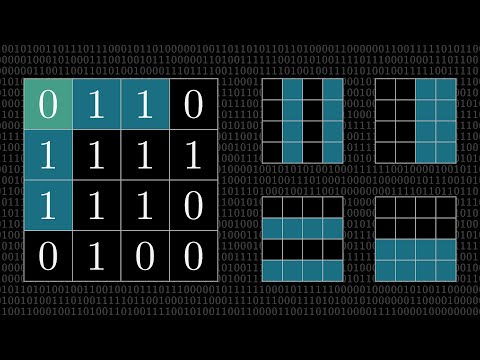
Sunnynguyen posted on 2026/01/07Ever wondered how computers magically fix errors in your data? This video dives into the fascinating world of Hamming codes and error correction, explaining the clever tricks behind digital storage! You'll pick up some awesome technical vocabulary and get a glimpse into the history of this essential technology.
Learn this video on the APP!
The VoiceTube App has more in-depth practice for videos!