
academy
US /əˈkædəmi/
UK /ə'kædəmɪ/
- Noun
- School that specializes in certain subjects
A2Moreachieve
US /əˈtʃiv/
UK /ə'tʃi:v/
- Transitive Verb
- To succeed in doing good, usually by working hard
- To succeed in reaching a particular goal, status, or standard, often after effort or perseverance.
A2TOEICMoreadministration
US / ædˌmɪnɪˈstreʃən/
UK /ədˌmɪnɪˈstreɪʃn/
- Uncountable Noun
- Act of giving e.g. medicine to a patient
- The work of running something, e.g. a business
B1TOEICMoreafter all
US /ˈæftɚ ɔl/
UK /ˈɑ:ftə ɔ:l/
- Adverb
- In spite of what was expected; used to introduce a statement that supports a previous statement or explains why it was made
- Considering everything; used to indicate that something is happening or is true despite some difficulty or obstacle
- Phrase
- Despite what was expected or thought; in spite of everything.
- Taking everything into consideration; considering that.
B1Moreally
US /'ælaɪ/
UK /'ælaɪ/
- Noun
- Someone who supports, helps, or defends you
- Verb (Transitive/Intransitive)
- To join a group to offer or receive support
B1Moreambassador
US /æmˈbæsədɚ, -ˌdɔr/
UK /æm'bæsədə(r)/
- Countable Noun
- Official representing a country in another country
- A person who acts as a representative or promoter of a specified activity.
B1Morearound the world
US /əˈraʊnd ði wɜrld/
UK /əˈraund ðə wɜː(r)ld/
- Phrase
- In or to many countries.
- In various places throughout the world.
A2Moreat least
US /æt list/
UK /æt li:st/
- Adverb
- As a minimum
- Not less than
- Phrase
- No less than; at the minimum
- Used to indicate that something is positive in a bad situation.
C2Moreat night
US /æt naɪt/
UK /æt nait/
- Phrase
- During the night; in the nighttime.
A1Moreat play here
US
UK
- Phrase
- Having an influence or effect in a particular situation.
- In operation or having an effect in a particular situation or context.
A1Moreat the moment
US
UK
- Adverb
- At this time; now
A1Moreat the same time
US
UK
- Phrase
- Simultaneously; at the identical moment.
- Nevertheless; however; used to introduce a contrasting or qualifying statement.
A1Morebring in
US /brɪŋ ɪn/
UK /briŋ in/
- Phrasal Verb
- To earn a certain amount of money or profits
- To add person into existing group, e.g. phone call
A1Morecall in
US /kɔl ɪn/
UK /kɔ:l in/
- Phrasal Verb
- To ask others for help when in need
- To make a phone call to your office; to contact
A1Morecome up
US /kʌm ʌp/
UK /kʌm ʌp/
- Phrasal Verb
- To come closer to someone; approach
- (Of sun) to rise into the sky in the morning
A1Morecommand
US /kəˈmænd/
UK /kə'mɑ:nd/
- Transitive Verb
- To be able to see far from a certain location
- To give an order; have control over others
- Noun (Countable/Uncountable)
- Electronic order to a computer to do something
- An order to control things or others
A2Moreconcern
US /kənˈsɚn/
UK /kənˈsɜ:n/
- Verb (Transitive/Intransitive)
- To be about a particular topic
- To have a direct impact on someone
- Noun (Countable/Uncountable)
- Company, firm or business
- Feeling of worry or anxiety
A2TOEICMoreconference
US /ˈkɑnfərəns, -frəns/
UK /ˈkɒnfərəns/
- Noun (Countable/Uncountable)
- Series of lectures held as an event
- An association of US sports teams
- Intransitive Verb
- To hold a discussion; consult.
A2Moreconstitute
US /ˈkɑnstɪˌtut, -ˌtjut/
UK /'kɒnstɪtju:t/
- Transitive Verb
- To become a group of
- To establish or form a government, etc.
B1TOEICMorecrisis
US /ˈkraɪsɪs/
UK /'kraɪsɪs/
- Noun (Countable/Uncountable)
- Unstable situation of extreme danger or difficulty
- A turning point in a disease.
B1Moredelta
US /ˈdɛltə/
UK /ˈdeltə/
- Noun
- Area where a river spreads and empties into a sea
B1Moreelite
US /iˈliːt/
UK /iˈliːt/
- Noun (Countable/Uncountable)
- The richest, most powerful, best-educated, or best-trained group in a society
- A person of the elite class.
- Adjective
- Belonging to the richest, most powerful, best-educated, or best-trained group in a society
B2Moreenergy
US /ˈɛnədʒi/
UK /'enədʒɪ/
- Noun (Countable/Uncountable)
- Physical or mental strength
- Enthusiasm and determination.
A2Moreexpert
US /ˈɛkˌspɚt/
UK /'ekspɜ:t/
- Countable Noun
- Skillful person with special knowledge
- Adjective
- Having special knowledge or skill
A2TOEICMorefor example
US
UK
- Phrase
- As an illustration or instance.
for that matter
US /fɔr ðæt ˈmætɚ/
UK /fɔ: ðæt ˈmætə/
- Phrase
- Used to emphasize that something is true or likely to happen, or to introduce a related point.
- Used to introduce a statement that supports or strengthens a previous statement.
A2Morefor the foreseeable
US /fɚ ðə fɔrˈsiəbəl/
UK /fə ðə fɔ:ˈsi:əbl/
- other
- Referring to a time period that can be predicted or expected in the near future.
B2Moreforget about
US /fɚˈɡɛt əˈbaʊt/
UK /fəˈɡet əˈbaut/
- Phrasal Verb
- To stop thinking about something; to ignore something.
A1Morefrom power
US /frəm ˈpaʊɚ/
UK /frəm ˈpaʊə/
- other
- To lose control or position of authority.
A2Moregeopolitical
US /ˌdʒi:oʊpə'lɪtɪkl/
UK /ˌdʒi:əʊpə'lɪtɪkl/
- Adjective
- Concerning geopolitics
C1Morego out
US /ɡo aʊt/
UK /ɡəu aut/
- Phrase
- To leave a building (e.g. a house)
- Phrasal Verb
- (Of a fire) to burn out; be extinguished
- Go out of fashion to stop being fashionable
A1Moregoing on
US /ˈɡoɪŋ ɑn/
UK /ˈgəʊɪŋ ɔn/
- Phrasal Verb
- To continue doing something
- To happen (usually negative)
A1Morehardcore
US /'hɑ:dˌkoʊr/
UK /'hɑ:dkɔ:/
- Adjective
- (Of sex films, etc.) extremely explicit
- Extremely dedicated or enthusiastic
- Noun
- A subgenre of punk rock characterized by its intensity and aggression
C1Morehave on
US /hæv ɑn/
UK /hæv ɔn/
- Phrasal Verb
- To be wearing something.
- To deceive or trick someone, often in a playful way.
A1Morehave to
US /hæv tu/
UK /ˈhæv tə/
- Auxiliary Verb
- Must do
A1Morehemisphere
US /ˈhɛmɪˌsfɪr/
UK /ˈhemɪsfɪə(r)/
- Noun (Countable/Uncountable)
- One half of a rounded, ball-like object
- One of the two masses forming the brain
B2Morehumanitarian
US /hju:ˌmænɪˈteriən/
UK /hju:ˌmænɪˈteəriən/
- Noun
- Person who tries to help those in a crisis
- Adjective
- Concerned with or seeking to promote human welfare.
B2Morein court
US /ɪn kɔrt/
UK /in kɔ:t/
- Phrase
- Present or being discussed during a legal trial or hearing.
A1Morein order to
US /ɪn ˈɔrdɚ tu/
UK /in ˈɔ:də tu:/
- Preposition
- For the purpose of; with the aim of.
- Phrase
- In a specific sequence or arrangement.
- With the aim of; for the purpose of.
C1Morein principle
US /ɪn ˈprɪnsəpəl/
UK /in ˈprinsəpl/
- Phrase
- In theory; as a general idea, though not yet in practice or detail.
C1Morein terms of
US
UK
- Phrase
- With regard to; concerning a particular aspect.
A1Morein the streets
US /ɪn ðə strits/
UK /ɪn ðə stri:ts/
- other
- Located or happening outdoors in public roads or areas.
A2Moreintervention
US /ˌɪntə'venʃn/
UK /ˌɪntə'venʃn/
- Noun (Countable/Uncountable)
- Getting involved to solve a disagreement, problem
- The use of military force by a country in another country's internal affairs.
B1Morelatin
US /ˈlætn/
UK /ˈlætɪn/
- Uncountable Noun
- Ancient Roman language affecting many languages
- Adjective
- Of or typical of a Spanish-speaking culture
C2Morelead to
US /lid tu/
UK /li:d tu:/
- Phrasal Verb
- To result in some action
- Verb (Transitive/Intransitive)
- To have something as a consequence or result.
A1Morelook at
US /lʊk æt/
UK /luk æt/
- Phrasal Verb
- To use your eyes to focus on something
- To focus your eyes on something carefully
A1Moremarine
US /məˈrin/
UK /mə'ri:n/
- Countable Noun
- Soldier trained to serve on land and sea
- Adjective
- Of the ocean or ocean plants and animals
- Concerning sailing or doing business by sea
B1Moremilitary
US /ˈmɪlɪˌtɛri/
UK /'mɪlətrɪ/
- Noun
- Army or armed forces
- Adjective
- Concerning the army or navy
B1Morenaval
US /ˈnevəl/
UK /ˈneɪvl/
- Adjective
- Concerning a navy or ships used in war
B1Morenecessarily
US /ˌnɛsɪˈsɛrəli, -ˈsɛr-/
UK /ˌnesəˈserəli/
- Adverb
- In a way that is needed/required/is unavoidable
A2TOEICMorenorthern
US
UK
- Adjective
- In or toward the north
- Coming from the north.
- Noun
- A person who comes from the north.
- The Aurora Borealis.
B1Moreof course
US /ʌv kɔː(r)s/
UK /ɔv kɔː(r)s/
- Adverb
- Sure ; Certainly
- Phrase
- For sure; certainly
A2Moreon the ground
US
UK
- Phrase
- Located on the surface of the earth.
- Present and available in a particular place, especially to deal with a situation.
on the other hand
US
UK
- Phrase
- Considering a different aspect of the matter; alternatively.
A1Moreon the streets
US /ɑn ðə strits/
UK /ɒn ðə stri:ts/
- other
- Without a home; homeless or exposed outdoors.
B2Moreopposition
US /ˌɑ:pəˈzɪʃn/
UK /ˌɒpəˈzɪʃn/
- Uncountable Noun
- Act of disagreeing or trying to stop something
- Group that you are fighting or competing against
B1Morepolitic
US /ˈpɑlɪtɪk/
UK /ˈpɒlətɪk/
- Adjective
- Careful what you say; diplomatic
B2Morepolitical
US /pəˈlɪtɪkəl/
UK /pəˈlɪtɪkl/
- Adjective
- Being active or interested in government matters
- Diplomatic
A2Moreprinciple
US /ˈprɪnsəpəl/
UK /ˈprɪnsəpl/
- Noun (Countable/Uncountable)
- Moral rule or belief governing a person's behavior
- Natural law that explains how things work
A2TOEICMoreput out
US /pʊt aʊt/
UK /put aut/
- Phrasal Verb
- To publish, e.g. a book
- To cause someone to be troubled or inconvenienced
A1Moreraid
US /red/
UK /reɪd/
- Noun
- Sudden entry by police; surprise attack by army
- A sudden aggressive incursion.
- Transitive Verb
- (Army) to suddenly enter or attack a place
- To suddenly enter or attack, e.g. to steal or harm
B1Morerather than
US
UK
- Adverb
- More exactly; more correctly
- Preferably; instead
- Preposition
- Instead of
A1Morereaction
US /riˈækʃən/
UK /rɪ'ækʃn/
- Noun
- Bodily response to a drug or something eaten
- Feeling or action in response to something
A2Moreregime
US /reˈʒim, rɪ-/
UK /reɪˈʒi:m/
- Noun
- A system of management; a form of government
B1Moreregion
US /ˈridʒən/
UK /'ri:dʒən/
- Noun (Countable/Uncountable)
- Part of a country, of the world, area, etc.
- A part of the body
A2TOEICMoresame time
US
UK
- Phrase
- Occurring simultaneously or at the same point in time.
- At the identical time as before; recurring at a fixed hour.
- Noun
- An equal duration or period.
A1Moresecurity
US /sɪˈkjʊrɪti/sə'kjurətɪ/
UK /sɪ'kjʊərətɪ/
- Noun
- Department in a company in charge of protection
- Financial document, like stocks, bonds and notes
A2TOEICMoreset to
US /sɛt tu/
UK /set tu:/
- Phrasal Verb
- To energetically begin to do, e.g. making a fire
A1Morestrategy
US /ˈstrætədʒi/
UK /'strætədʒɪ/
- Noun (Countable/Uncountable)
- Careful plan or method for achieving a goal
- Branch of military dealing with command
A2TOEICMoretalking about
US
UK
- Phrasal Verb
- To discuss a particular topic.
- To be constantly mentioning or bringing up a subject.
A1Morethanks to
US /θæŋks tu/
UK /θæŋks tu:/
- Preposition
- Because of; as a result of.
A1Moreturf
US /tɜ:rf/
UK /tɜ:f/
- Noun (Countable/Uncountable)
- Grass or a grass-like surface
B2Moreuncertainty
US /ʌnˈsə:tn:ti/
UK /ʌn'sɜ:tntɪ/
- Uncountable Noun
- Feeling of not really knowing what will happen
- Lack of confidence; doubt.
B2TOEICMoreunquote
US /ʌnˈkwot/
UK /ˈʌnˈkwəut/
- Transitive Verb
- To remove the quotation marks from
B2Morevice
US /ˌvaɪ.sə/
UK /ˌvaɪs/
- Noun
- used as part of the title of particular positions. The person who holds one of these positions is next below in authority to the person who holds the full position and can act for them
- Noun (Countable/Uncountable)
- a moral fault or weakness in someone's character
- illegal and immoral activities, especially involving illegal sex, drugs, etc.
B2Morevision
US /ˈvɪʒən/
UK /'vɪʒn/
- Uncountable Noun
- Ability to see; eyesight
- Something you see in your imagination or dreams
A2Morewant out
US
UK
- Phrasal Verb
- To desire to withdraw or escape from a situation, agreement, or commitment.
A1Morewith regard to
US /wɪð rɪˈɡɑrd tu/
UK /wið riˈɡɑ:d tu:/
- Phrase
- Concerning; in relation to.
A1Morewithout doubt
US /wɪðˈaʊt daʊt/
UK /wiˈðaut daut/
- Phrase
- Certainly; definitely; without any question.
A2More
Vocabulary
- of course: Sure ; Certainly
- have to: Must do
- look at: To use your eyes to focus on something
- with regard to: Concerning; in relation to.
- on the other hand : Considering a different aspect of the matter; alternatively.
- set to: To energetically begin to do, e.g. making a fire
- in court: Present or being discussed during a legal trial or hearing.
- for the foreseeable: Referring to a time period that can be predicted or expected in the near future.
- from power: To lose control or position of authority.
- after all: In spite of what was expected; used to introduce a statement that supports a previous statement or explains why it was made
- on the streets: Without a home; homeless or exposed outdoors.
- around the world: In or to many countries.
- bring in: To earn a certain amount of money or profits
- at night: During the night; in the nighttime.
- in terms of
- at the same time: Simultaneously; at the identical moment.
- same time: Occurring simultaneously or at the same point in time.
- call in: To ask others for help when in need
- in the streets: Located or happening outdoors in public roads or areas.
- go out: To leave a building (e.g. a house)
- want out: To desire to withdraw or escape from a situation, agreement, or commitment.
- have on: To be wearing something.
- put out: To publish, e.g. a book
- thanks to: Because of; as a result of.
- rather than: More exactly; more correctly
- at play here: Having an influence or effect in a particular situation.
- talking about: To discuss a particular topic.
- on the ground: Located on the surface of the earth.
- in order to: For the purpose of; with the aim of.
- going on: To continue doing something
- without doubt: Certainly; definitely; without any question.
- come up: To come closer to someone; approach
- for example: As an illustration or instance.
- at the moment: At this time; now
- for that matter: Used to emphasize that something is true or likely to happen, or to introduce a related point.
- forget about: To stop thinking about something; to ignore something.
- in principle: In theory; as a general idea, though not yet in practice or detail.
- at least: As a minimum
- lead to: To result in some action
- sort: To organize things by putting them into groups
- strategy: Careful plan or method for achieving a goal
- crisis: Unstable situation of extreme danger or difficulty
- force: Group of persons trained for military action; army
- general: Widespread, normal or usual
- elite: The richest, most powerful, best-educated, or best-trained group in a society
- necessarily: In a way that is needed/required/is unavoidable
- achieve: To succeed in doing good, usually by working hard
- conference: Series of lectures held as an event
- expert: Skillful person with special knowledge
- military: Army or armed forces
- political: Being active or interested in government matters
- concern: To be about a particular topic
- vice: used as part of the title of particular positions. The person who holds one of these positions is next below in authority to the person who holds the full position and can act for them
- regime: A system of management; a form of government
- region: Part of a country, of the world, area, etc.
- security: Department in a company in charge of protection
- principle: Moral rule or belief governing a person's behavior
- reaction: Bodily response to a drug or something eaten
- hemisphere: One half of a rounded, ball-like object
- ambassador: Official representing a country in another country
- administration: Act of giving e.g. medicine to a patient
- ally: Someone who supports, helps, or defends you
- vision: Ability to see; eyesight
- intervention: Getting involved to solve a disagreement, problem
- energy: Physical or mental strength
- command: To be able to see far from a certain location
- academy: School that specializes in certain subjects
- marine: Soldier trained to serve on land and sea
- kind: In a caring and helpful manner
- uncertainty: Feeling of not really knowing what will happen
- build: Your physical shape; physique
- government: Group of people and system that rule a nation
- raid: Sudden entry by police; surprise attack by army
- humanitarian: Person who tries to help those in a crisis
- point: An item to be discussed
- opposition: Act of disagreeing or trying to stop something
- secretary: Office worker who makes appointments, etc.
- nation: Area or region controlled by a government and army
- constitute: To become a group of
- world: All the humans, events, activities on the earth
- wide: Having a great distance from one side to the other
- train: Line of people, animals moving the same direction
- human: A person; a man, woman or child
- country: An area of land that is controlled by a government
- time: Speed at which music is played; tempo
- hardcore: (Of sex films, etc.) extremely explicit
- politic: Careful what you say; diplomatic
- northern: In or toward the north
- naval: Concerning a navy or ships used in war
- geopolitical: Concerning geopolitics
- turf: Grass or a grass-like surface
- unquote: To remove the quotation marks from
- latin: Ancient Roman language affecting many languages
- delta: Area where a river spreads and empties into a sea
Get the full experience in the app
Learn anywhere with detailed sentence and usage analysis
01:03
She took a brave step forward, leaving behind her comfort zone to chase her dreams.
Vocabulary
- brave
adj. Having courage
- comfort zone
phr. A familiar situation where one feels safe
Explanation
a brave step is a noun phrase, where brave is an adjective modifying the noun step, meaning "a courageous step".
forward is an adverb modifying step, meaning "ahead".
The whole phrase serves as the object, answering the "what" of took (verb) — she took a brave step forward.
Get the full experience in the app
Look up words anytime with pronunciation, part of speech, and usage
brave
US/brev/
UK/breɪv/
adj.Brave
v.t.To bravely face
A2 Elementary
Get the full experience in the app
Practice speaking anytime and get instant pronunciation feedback
Try this speaking exercise.
Try practicing with this sentence.
80
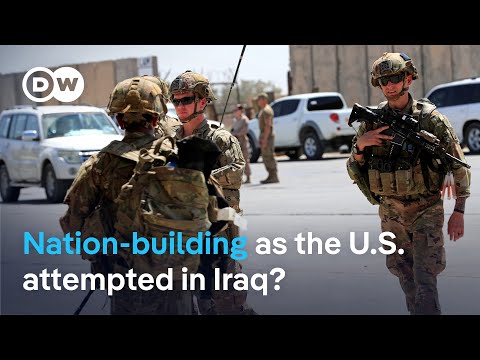
US wants to "run" Venezuela - How would that work? | DW News
0
林宜悉 posted on 2026/01/04Ever wondered how a US intervention in Venezuela might actually work? This DW News report dives deep into the complexities, exploring scenarios involving the "Maduro arrest" and the "Venezuela crisis" with insights into "oil geopolitics" and "human rights." You'll pick up advanced vocabulary related to international affairs and gain a richer understanding of this critical global issue!
Learn this video on the APP!
The VoiceTube App has more in-depth practice for videos!