
ally
US /'ælaɪ/
UK /'ælaɪ/
- Noun
- Someone who supports, helps, or defends you
- Verb (Transitive/Intransitive)
- To join a group to offer or receive support
B1Moreangle
US /ˈæŋɡəl/
UK /ˈæŋgl/
- Noun
- Place where two lines or surfaces meet
B1TOEICMorearound the world
US /əˈraʊnd ði wɜrld/
UK /əˈraund ðə wɜː(r)ld/
- Phrase
- In or to many countries.
- In various places throughout the world.
A2Moreat the point of
US /ət ðə ˈpɔɪnt ʌv/
UK /ət ðə ˈpɒint əv/
- Preposition
- Just about to do something or reach a state.
B2Moreavoid
US /əˈvɔɪd/
UK /ə'vɔɪd/
- Transitive Verb
- To prevent from happening
- To stay away from
A2TOEICMorebloody
US /ˈblʌdi/
UK /'blʌdɪ/
- Adjective
- Covered or spotted with blood on the surface
- A word used when swearing or cursing
C2Moreboycott
US /ˈbɔɪˌkɑt/
UK /'bɔɪkɒt/
- Transitive Verb
- To not buy a product for moral reasons
- To not buy/use something as a protest
B2Morebring about
US
UK
- Phrasal Verb
- To cause to happen
A1Morecampaign
US /kæmˈpen/
UK /kæm'peɪn/
- Intransitive Verb
- To work in an organized, active way towards a goal
- Noun (Countable/Uncountable)
- Series of actions meant to achieve a goal
- A planned set of military activities intended to achieve a particular objective.
A2TOEICMorecivil
US /ˈsɪvəl/
UK /ˈsɪvl/
- Adjective
- Of citizens of a country; not military, criminal
- Acting in a polite, but not truly friendly manner
B1Morecommunity
US /kəˈmjunɪti/
UK /kə'mju:nətɪ/
- Noun (Countable/Uncountable)
- Group of people who share a common idea or area
- A feeling of fellowship with others, as a result of sharing common attitudes, interests, and goals.
- Adjective
- Relating to or shared by the people in a particular area.
- Shared or participated in by all members of a group
A2Morecomplicate
US /ˈkɑ:mplɪkeɪt/
UK /ˈkɒmplɪkeɪt/
- Transitive Verb
- To make more difficult to do, understand or use
B1Morecondemn
US /kənˈdɛm/
UK /kənˈdem/
- Transitive Verb
- To say that (a building) is too unsafe to be used
- To state strongly that person, thing is bad, wrong
B1Morecoup
US /ku/
UK /ku:/
- Noun (Countable/Uncountable)
- Successful taking over of a thing; sudden success
- Attempt to take control from the government
B2Morecut off
US /kʌt ɔf/
UK /kʌt ɔf/
- Phrasal Verb
- To end a process, e.g. a phone call
- To cut the end of something
- Transitive Verb
- To isolate or prevent access to a place or person.
- To interrupt someone while they are speaking.
A1Moredeliberately
US /dɪˈlɪbərɪtlɪ/
UK /dɪˈlɪbərətli/
- Adverb
- In a careful, considered manner; on purpose
- Purposely; on purpose
B2TOEICMoredemocracy
US /dɪˈmɑkrəsi/
UK /dɪ'mɒkrəsɪ/
- Noun (Countable/Uncountable)
- System of government in which everyone is equal
- Principles of social equality and respect for the individual within a society.
B1Moredeny
US /dɪˈnaɪ/
UK /dɪ'naɪ/
- Transitive Verb
- To refuse to allow or accept something
A2TOEICMoredirector
US /dɪˈrɛktɚ, daɪ-/
UK /də'rektə(r)/
- Noun
- Senior person who manages part of an organization
- Person who controls the acting in a movie or play
A2TOEICMoredisappointment
US /ˌdɪsəˈpɔɪntmənt/
UK /ˌdɪsəˈpɔɪntmənt/
- Uncountable Noun
- Feeling or state of not being satisfied
- An event or situation that is not as good as you had hoped
B2Moredisruption
US /dɪs'rʌpʃn/
UK /dɪs'rʌpʃn/
- Noun
- When a disturbance stops an activity in progress
B2Moredissolve
US /dɪˈzɑ:lv/
UK /dɪˈzɒlv/
- Verb (Transitive/Intransitive)
- To cause something to end
- To dismiss, e.g. a law-making body
B2Moredraft
US /dræft/
UK /drɑ:ft/
- Noun (Countable/Uncountable)
- Withdrawal of money from the bank
- System for selecting people to join the military
- Transitive Verb
- To order people to join the army in time of war
- To select people for a task or team
B1TOEICMoredue to
US /du tu/
UK /dju: tu:/
- Preposition
- Because of; owing to
- Adjective
- Attributable to; caused by.
A1Moreelection
US /ɪˈlɛkʃən/
UK /ɪ'lekʃn/
- Noun
- Process of choosing someone by voting
B1TOEICMoreethnic
US /ˈɛθnɪk/
UK /ˈeθnɪk/
- Adjective
- Of people who share the same culture, traditions
- Belonging to a minority group that differs in culture, religion, or origin from the dominant group of a society.
B1Morefamine
US /ˈfæmɪn/
UK /ˈfæmɪn/
- Noun (Countable/Uncountable)
- Long-lasting period of little food in an area
- A drastic food shortage in a large area or country.
B2Morefraud
US /frɔd/
UK /frɔ:d/
- Noun (Countable/Uncountable)
- Use of dishonest ways to take something valuable
- Person who pretends to be what he or she is not
B1TOEICMoregain
US /ɡen/
UK /ɡeɪn/
- Verb (Transitive/Intransitive)
- To increase in something, such as weight
- To get something wanted, needed or valued
- Noun (Countable/Uncountable)
- An increase in something, such as weight
A2TOEICMoreguerrilla
US /ɡəˈrɪlə/
UK /gəˈrɪlə/
- Noun
- Person fighting for a political cause
B2Morehumanitarian
US /hju:ˌmænɪˈteriən/
UK /hju:ˌmænɪˈteəriən/
- Noun
- Person who tries to help those in a crisis
- Adjective
- Concerned with or seeking to promote human welfare.
B2Moreimpose
US /ɪmˈpoʊz/
UK /ɪmˈpəʊz/
- Transitive Verb
- To make someone to do or endure something
A2TOEICMorein jail
US /ɪn dʒel/
UK /in dʒeil/
- Phrase
- Imprisoned; confined in a jail or prison.
B1Morein power
US /ɪn ˈpaʊɚ/
UK /in ˈpauə/
- Adjective
- Having control of a country or organization.
- Phrase
- During a period of holding authority or control.
B1Morein trouble
US /ɪn ˈtrʌbəl/
UK /in ˈtrʌbl/
- Adjective
- Experiencing difficulties, problems, or legal issues.
- other
- In serious trouble or difficulty.
A1Morejunta
US /ˈdʒʌntə/
UK /ˈhʊntə/
- Countable Noun
- Military group that seized control of a country
C1Morelegitimacy
US /ləˈdʒɪtəməsi/
UK /lɪ'dʒɪtɪməsɪ/
- Uncountable Noun
- Legally allowed act; undisputed credibility
B2Moremilitary
US /ˈmɪlɪˌtɛri/
UK /'mɪlətrɪ/
- Noun
- Army or armed forces
- Adjective
- Concerning the army or navy
B1Moreminority
US /məˈnɔrɪti, -ˈnɑr-, maɪ-/
UK /maɪ'nɒrətɪ/
- Noun (Countable/Uncountable)
- Group that is smaller and different from the rest
- Part that is less than half the whole; small part
- Adjective
- Being part of a smaller group within a larger one.
B1TOEICMoreorganization
US /ˌɔrɡənɪˈzeʃən/
UK /ˌɔ:gənaɪˈzeɪʃn/
- Noun (Countable/Uncountable)
- Group of people with a particular purpose
- The way in which something is structured or arranged.
A2Moreoust
US /aʊst/
UK /aʊst/
- Transitive Verb
- To eject from a position or place; force out
B2Moreparticipate
US /pɑ:rˈtɪsɪpeɪt/
UK /pɑ:ˈtɪsɪpeɪt/
- Intransitive Verb
- To take part with others in doing something
- To be involved in a discussion or conversation.
B1TOEICMorepolitical
US /pəˈlɪtɪkəl/
UK /pəˈlɪtɪkl/
- Adjective
- Being active or interested in government matters
- Diplomatic
A2Morerebrand
US
UK
- Transitive Verb
- To change the identify or message of a brand
C2Morereform
US /rɪˈfɔrm/
UK /rɪ'fɔ:m/
- Transitive Verb
- To re-shape something to a better condition
- To (cause to) lead a non-criminal life
- Noun
- An improvement, especially in a person's behaviour or in the structure of something
A2Moreresistance
US /rɪˈzɪstəns/
UK /rɪ'zɪstəns/
- Noun (Countable/Uncountable)
- Force that stops or slows movement of something
- Refusal to accept something new or different
A2TOEICMoreresponse
US /rɪˈspɑns/
UK /riˈspɔns/
- Noun
- Something said/written as an answer to something
- Reaction to something that has occurred
A2TOEICMorerevenue
US /ˈrevənju/
UK /'revənju:/
- Noun (Countable/Uncountable)
- Money that is made by or paid to a business
- Money a government collects from its people
A2TOEICMorerig
US /rɪɡ/
UK /rɪɡ/
- Transitive Verb
- To dishonestly fix the result of elections, games
- To fit out a ship with ropes and sails
- Noun
- Shape and number of sails on a ship
- Structure that draws out oil from under the ground
B2Moreseize
US /siz/
UK /si:z/
- Transitive Verb
- To take a place with force, as by military action
- To arrest or catch someone
B1Moresolitary
US /ˈsɑlɪˌtɛri/
UK /'sɒlətrɪ/
- Adjective
- Done alone; spending a lot of time alone
- Noun
- A punishment to keep a person alone in a cell
- A person who chooses to live alone
B2Morestruggle
US /ˈstrʌɡəl/
UK /'strʌɡl/
- Verb (Transitive/Intransitive)
- To try very hard to do something difficult
- To fight or struggle violently
- Noun (Countable/Uncountable)
- Strong efforts made to do something difficult
- A difficult or challenging situation or task
A2Moresubmission
US /səbˈmɪʃən/
UK /səbˈmɪʃn/
- Uncountable Noun
- Reluctant agreement with the wishes of others
B2Moresurvival
US /sɚˈvaɪvəl/
UK /səˈvaɪvl/
- Uncountable Noun
- Act of continuing to exist when facing difficulty
A2Moretechno
US /ˈteknoʊ/
UK /ˈteknəʊ/
- Noun
- Style of fast heavy electronic dance
C2Moreto arms
US /tə ɑrmz/
UK /tə ɑ:mz/
- other
- A call to take up weapons and fight.
B2Moreunprecedented
US /ʌnˈprɛsɪˌdɛntɪd/
UK /ʌnˈpresɪdentɪd/
- Adjective
- Not having happened before, or to such a degree
B1More
Vocabulary
- cut off: To end a process, e.g. a phone call
- due to: Because of; owing to
- in power: Having control of a country or organization.
- bring about: To cause to happen
- in trouble: Experiencing difficulties, problems, or legal issues.
- at the point of: Just about to do something or reach a state.
- in jail: Imprisoned; confined in a jail or prison.
- to arms: A call to take up weapons and fight.
- around the world: In or to many countries.
- struggle: To try very hard to do something difficult
- deliberately: In a careful, considered manner; on purpose
- campaign: To work in an organized, active way towards a goal
- revenue: Money that is made by or paid to a business
- unprecedented: Not having happened before, or to such a degree
- community: Group of people who share a common idea or area
- solitary: Done alone; spending a lot of time alone
- fraud: Use of dishonest ways to take something valuable
- military: Army or armed forces
- political: Being active or interested in government matters
- avoid: To prevent from happening
- famine: Long-lasting period of little food in an area
- response: Something said/written as an answer to something
- democracy: System of government in which everyone is equal
- ally: Someone who supports, helps, or defends you
- ethnic: Of people who share the same culture, traditions
- resistance: Force that stops or slows movement of something
- deny: To refuse to allow or accept something
- minority: Group that is smaller and different from the rest
- dissolve: To cause something to end
- civil: Of citizens of a country; not military, criminal
- participate: To take part with others in doing something
- gain: To increase in something, such as weight
- stage: To organize an event to gain public interest
- haven: Place where people can feel safe and happy
- disruption: When a disturbance stops an activity in progress
- complicate: To make more difficult to do, understand or use
- condemn: To say that (a building) is too unsafe to be used
- seize: To take a place with force, as by military action
- survival: Act of continuing to exist when facing difficulty
- impose: To make someone to do or endure something
- control: A device designed to operate a machine
- director: Senior person who manages part of an organization
- allow: To admit the validity or truth of something
- organization: Group of people with a particular purpose
- election: Process of choosing someone by voting
- government: Group of people and system that rule a nation
- humanitarian: Person who tries to help those in a crisis
- draft: Withdrawal of money from the bank
- reform: To re-shape something to a better condition
- afraid: Worried that something bad will happen; scared
- submission: Reluctant agreement with the wishes of others
- coup: Successful taking over of a thing; sudden success
- rig: To dishonestly fix the result of elections, games
- legitimacy: Legally allowed act; undisputed credibility
- disappointment: Feeling or state of not being satisfied
- human: A person; a man, woman or child
- angle: Place where two lines or surfaces meet
- country: An area of land that is controlled by a government
- international: Of or relating to several countries
- people: Persons sharing culture, country, background, etc.
- boycott: To not buy a product for moral reasons
- arm: To activate a weapon or bomb for use
- bloody: Covered or spotted with blood on the surface
- western: Movies often about cowboys in the American West
- hope: When you wish something will happen; what you wish
- cut: Act/instance of reducing the size or amount of
- power: Legal or official right to perform certain actions
- rebrand: To change the identify or message of a brand
- guerrilla: Person fighting for a political cause
- oust: To eject from a position or place; force out
- junta: Military group that seized control of a country
- techno: Style of fast heavy electronic dance
Get the full experience in the app
Learn anywhere with detailed sentence and usage analysis
01:03
She took a brave step forward, leaving behind her comfort zone to chase her dreams.
Vocabulary
- brave
adj. Having courage
- comfort zone
phr. A familiar situation where one feels safe
Explanation
a brave step is a noun phrase, where brave is an adjective modifying the noun step, meaning "a courageous step".
forward is an adverb modifying step, meaning "ahead".
The whole phrase serves as the object, answering the "what" of took (verb) — she took a brave step forward.
Get the full experience in the app
Look up words anytime with pronunciation, part of speech, and usage
brave
US/brev/
UK/breɪv/
adj.Brave
v.t.To bravely face
A2 Elementary
Get the full experience in the app
Practice speaking anytime and get instant pronunciation feedback
Try this speaking exercise.
Try practicing with this sentence.
80
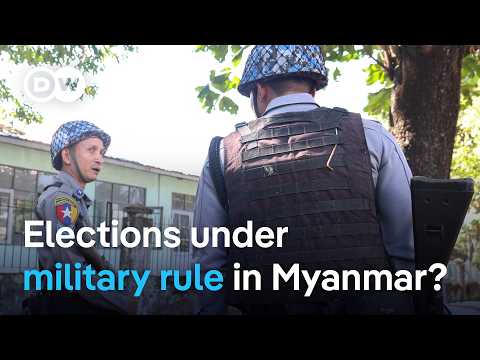
Myanmar's junta holds first general election in 5 years: Why are critics questioning its legitimacy?
0
林宜悉 posted on 2025/12/27Wondering about Myanmar's recent election and why it's causing controversy? This video dives deep into the political situation, explaining the complexities of the 2021 coup and the ongoing humanitarian crisis. You'll pick up advanced vocabulary related to international affairs and understand complex sentence structures used in serious news reporting!
Learn this video on the APP!
The VoiceTube App has more in-depth practice for videos!