
abundant
US /əˈbʌndənt/
UK /əˈbʌndənt/
- Adjective
- Being in very great supply; plentiful
B2TOEICMoreacute
US /əˈkjut/
UK /əˈkju:t/
- Adjective
- (Of an angle in math) of less than 90 degrees
- Strong; very serious or severe
B1Moreaid
US /ed/
UK /eɪd/
- Transitive Verb
- To help others and provide things
- Noun (Countable/Uncountable)
- Action of giving help to others
- Money or help given to those who need it
A2TOEICMoreappearance
US /əˈpɪrəns/
UK /əˈpɪərəns/
- Noun
- The way a person looks to others
- The way that something looks
A2TOEICMorebring in
US /brɪŋ ɪn/
UK /briŋ in/
- Phrasal Verb
- To earn a certain amount of money or profits
- To add person into existing group, e.g. phone call
A1Morecatastrophic
US /ˌkætəˈstrɑfɪk/
UK /ˌkætə'strɒfɪk/
- Adjective
- Causing a lot of damage or suffering
B2Morecease
US /sis/
UK /si:s/
- Verb (Transitive/Intransitive)
- To come or bring to an end; stop continuing
B1Moreceasefire
US
UK
- Noun
- Agreement by two sides in a war to stop fighting
C2Moreconcern
US /kənˈsɚn/
UK /kənˈsɜ:n/
- Verb (Transitive/Intransitive)
- To be about a particular topic
- To have a direct impact on someone
- Noun (Countable/Uncountable)
- Company, firm or business
- Feeling of worry or anxiety
A2TOEICMorecope
US /koʊp/
UK /kəʊp/
- Verb (Transitive/Intransitive)
- To deal with something in spite of difficulties
A2Morecope with
US /kop wɪð/
UK /kəup wið/
- Phrasal Verb
- To deal successfully with a difficult situation.
A1Moredestroy
US /dɪˈstrɔɪ/
UK /dɪ'strɔɪ/
- Transitive Verb
- To damage so badly that something no longer exists
- To defeat someone or something easily
A2TOEICMoredevastate
US /ˈdɛvəˌstet/
UK /'devəsteɪt/
- Transitive Verb
- To cause extensive destruction or ruin utterly
- To cause (someone) to feel extreme emotional pain.
B1Morediarrhea
US /ˌdaɪəˈriə/
UK /ˌdaɪə'rɪə/
- Uncountable Noun
- Frequent and watery bowel movements
- Frequent and watery bowel movements
C1Moreexposure
US /ɪkˈspoʒɚ/
UK /ɪk'spəʊʒə(r)/
- Noun
- Allowing light through a cameras lens onto film
- Being talked about in the media
A2TOEICMoreextremely
US /ɪk'strimlɪ/
UK /ɪkˈstri:mli/
- Adverb
- In a way that is much more than usual or expected
- Remarkably; unusually.
B1Morefaction
US /ˈfækʃən/
UK /ˈfækʃn/
- Countable Noun
- Group within a larger group, with a different aim
B2TOEICMorefend
US /fɛnd/
UK /fend/
- Verb (Transitive/Intransitive)
- To try to manage for yourself without assistance
B2Moreflood
US /flʌd/
UK /flʌd/
- Verb (Transitive/Intransitive)
- To quickly appear unexpectedly and in volume
- (Of liquid) to fill or cover something completely
- Noun (Countable/Uncountable)
- A quick unexpectedly volume of something
- Large number of people or things arriving at once
B1Morefor example
US
UK
- Phrase
- As an illustration or instance.
for myself
US /fɚ maɪˈsɛlf/
UK /fə maɪˈself/
- other
- Done for one's own benefit or use.
A1Morefor sure
US /fɔr ʃʊr/
UK /fɔ: ʃuə/
- Adverb
- Definitely; certainly; without a doubt.
- Used to emphasize a statement.
- Interjection
- An expression of strong agreement or affirmation.
A2Moreharsh
US /hɑrʃ/
UK /hɑ:ʃ/
- Adjective
- Rough; tough; hard to experience or accept
- Being severe and unkind
B1Moreheartbroken
US /ˈhɑrtˌbrokən/
UK /ˈhɑ:tˌbrəʊkən/
- Adjective
- Very sad, e.g. because you broke up with someone
- Overwhelmed by sorrow; deeply distressed.
C1Morehumanitarian
US /hju:ˌmænɪˈteriən/
UK /hju:ˌmænɪˈteəriən/
- Noun
- Person who tries to help those in a crisis
- Adjective
- Concerned with or seeking to promote human welfare.
B2Morein need
US /ɪn nid/
UK /in ni:d/
- Phrase
- Not having the necessary things, such as food
A1Morein the past
US
UK
- Phrase
- During a former period of time; previously.
A1Moreintervene
US /ˌɪntərˈvi:n/
UK /ˌɪntəˈvi:n/
- Intransitive Verb
- To get involved to try to prevent trouble
- To interrupt a situation, argument, etc.
B1Moreinundate
US /ˈɪnʌnˌdet, ˈɪnən-/
UK /ˈɪnʌndeɪt/
- Transitive Verb
- To fill up beyond the capacity of; flood
- To cover a place with a flow of water
C2TOEICMoremention
US /ˈmɛnʃən/
UK /'menʃn/
- Transitive Verb
- To refer to or talk or write about something
- Uncountable Noun
- Act of referring to or talking about something
- A formal acknowledgement of something
A2TOEICMoremilitant
US /ˈmɪlɪtənt/
UK /'mɪlɪtənt/
- Adjective
- Using strong forceful methods to achieve a goal
- Noun
- People advocating force to achieve a goal
B2Moremiserable
US /ˈmɪzərəbəl, ˈmɪzrə-/
UK /ˈmɪzrəbl/
- Adjective
- Very unhappy
- Causing someone to be unhappy or uncomfortable
- Noun
- A person who is always unhappy or complaining
A2Moreon the ground
US
UK
- Phrase
- Located on the surface of the earth.
- Present and available in a particular place, especially to deal with a situation.
ordinary
US /ˈɔ:rdneri/
UK /'ɔ:dnrɪ/
- Adjective
- Normal or usual
- Of the rank of ordinary seaman.
- Noun
- An ecclesiastical judge or official having ordinary jurisdiction in a given area.
- Any of several simple and basic geometrical figures.
A2TOEICMoreplunge
US /plʌndʒ/
UK /plʌndʒ/
- Intransitive Verb
- (Of prices, hopes etc.) to decrease very quickly
- Verb (Transitive/Intransitive)
- To dive (into water)
B1TOEICMorepour
US /pɔr, por/
UK /pɔ:(r)/
- Verb (Transitive/Intransitive)
- To fill a person's glass or cup with a drink
- To make something flow in a steady stream
A2Moreprogress
US /ˈprɑɡˌrɛs, -rəs, ˈproˌɡrɛs/
UK /'prəʊɡres/
- Verb (Transitive/Intransitive)
- To move forward or toward a place or goal
- To make progress; develop or improve.
- Uncountable Noun
- Act of moving forward
- The process of improving or developing something over a period of time.
A2TOEICMoreproper
US /ˈprɑpɚ/
UK /'prɒpə(r)/
- Adjective
- Correct according to social or moral rules
- Behaving in a polite and socially acceptable way.
A2TOEICMorequarter
US /ˈkwɔrtɚ/
UK /'kwɔ:tə(r)/
- Countable Noun
- 25 cents
- 3-month period of time for businesses, etc.
- Transitive Verb
- To split something into four equal parts
- To give a soldier a place to live for a short time
A2TOEICMorerecipe
US /ˈrɛsəˌpi/
UK /'resəpɪ/
- Noun
- Conditions likely to create a particular result
- Directions for making a dish, with the ingredients
B1Morerelief
US /rɪˈlif/
UK /rɪˈli:f/
- Noun (Countable/Uncountable)
- Aid given to people in need as after war/disaster
- Artwork, e.g. part of wall, that partly sticks out
B1TOEICMorerestore
US /rɪˈstɔr, -ˈstor/
UK /rɪˈstɔ:(r)/
- Transitive Verb
- To return a thing to its original condition
B1Moresewage
US /ˈsuɪdʒ/
UK /ˈsu:ɪdʒ/
- Uncountable Noun
- Waste matter/excrement carried away in sewers
B2Moreshelter
US /ˈʃɛltɚ/
UK /'ʃeltə(r)/
- Noun (Countable/Uncountable)
- Place to protect people/animals from abuse
- Structure that covers or protects things
- Transitive Verb
- To give animals, people a place away from abuse
- To find protection from danger/bad weather
B1Moresoak
US /sok/
UK /səʊk/
- Transitive Verb
- To make something completely wet
- To place something in liquid for a period of time
- Noun
- Placement in liquid for a period of time
B1Morespike
US /spaɪk/
UK /spaɪk/
- Noun
- The top point in a graph
- Long, thin metal rod that ends in a point
- Intransitive Verb
- To go up to a point on a graph
B2Morespread
US /sprɛd/
UK /spred/
- Noun (Countable/Uncountable)
- A big meal, often laid out as a buffet
- The distance between two things
- Verb (Transitive/Intransitive)
- To place over a large area; to cover a large area
- (Of ideas, gossip) to pass to and affect others
A2TOEICMorestall
US /stɔl/
UK /stɔ:l/
- Countable Noun
- Walled area in a barn where a farm animal is kept
- A table where things are sold at a market or fair
- Transitive Verb
- To put animals inside the room where they are kept
B1TOEICMoreterritory
US /ˈtɛrɪˌtɔri, -ˌtori/
UK /'terətrɪ/
- Noun (Countable/Uncountable)
- Area of land defended by an animal
- Area of particular knowledge or experience
B1TOEICMoreturn to
US /tɚn tu/
UK /tə:n tu:/
- Phrasal Verb
- To go to someone for help, advice, or information.
- To start doing or using something, often something bad or undesirable.
A1Moreupset
US /ʌpˈsɛt/
UK /ʌpˈset/
- Adjective
- (Of stomach, etc.) not functioning well; sick
- Troubled, worried, or angry
- Transitive Verb
- To turn upside down or on its side
- To trouble, worry, or anger someone
A2More
Vocabulary
- for example: As an illustration or instance.
- in the past: During a former period of time; previously.
- in need: Not having the necessary things, such as food
- for myself: Done for one's own benefit or use.
- turn to: To go to someone for help, advice, or information.
- cope with: To deal successfully with a difficult situation.
- on the ground: Located on the surface of the earth.
- for sure: Definitely; certainly; without a doubt.
- bring in: To earn a certain amount of money or profits
- extremely: In a way that is much more than usual or expected
- situation: Place, position or area that something is in
- progress: To move forward or toward a place or goal
- miserable: Very unhappy
- exposure: Allowing light through a cameras lens onto film
- catastrophic: Causing a lot of damage or suffering
- recipe: Conditions likely to create a particular result
- harsh: Rough; tough; hard to experience or accept
- spread: A big meal, often laid out as a buffet
- territory: Area of land defended by an animal
- proper: Correct according to social or moral rules
- cope: To deal with something in spite of difficulties
- spike: The top point in a graph
- concern: To be about a particular topic
- mention: To refer to or talk or write about something
- ordinary: Normal or usual
- shelter: Place to protect people/animals from abuse
- upset: (Of stomach, etc.) not functioning well; sick
- appearance: The way a person looks to others
- diarrhea: Frequent and watery bowel movements
- pour: To fill a person's glass or cup with a drink
- aid: To help others and provide things
- sewage: Waste matter/excrement carried away in sewers
- relief: Aid given to people in need as after war/disaster
- abundant: Being in very great supply; plentiful
- soak: To make something completely wet
- plunge: (Of prices, hopes etc.) to decrease very quickly
- acute: (Of an angle in math) of less than 90 degrees
- leave: To go away from; depart
- stall: Walled area in a barn where a farm animal is kept
- destroy: To damage so badly that something no longer exists
- devastate: To cause extensive destruction or ruin utterly
- quarter: 25 cents
- place: To put someone in a particular type of situation
- restore: To return a thing to its original condition
- storm: To act violently or angrily
- allow: To admit the validity or truth of something
- flood: To quickly appear unexpectedly and in volume
- bring: To take or go with someone to a place
- humanitarian: Person who tries to help those in a crisis
- find: To become aware of something that is happening
- intervene: To get involved to try to prevent trouble
- cease: To come or bring to an end; stop continuing
- entry: Act of entering a room, building, party
- militant: Using strong forceful methods to achieve a goal
- group: Two or more musicians who play music together
- fend: To try to manage for yourself without assistance
- begin: To do the first part of an action; to start
- ceasefire: Agreement by two sides in a war to stop fighting
- people: Persons sharing culture, country, background, etc.
- warm: To become more friendly or to like something
- report: Account of the necessary facts and information
- call: A order or request for action
- need: To be unable to manage without something; require
- faction: Group within a larger group, with a different aim
- inundate: To fill up beyond the capacity of; flood
- heartbroken: Very sad, e.g. because you broke up with someone
Get the full experience in the app
Learn anywhere with detailed sentence and usage analysis
01:03
She took a brave step forward, leaving behind her comfort zone to chase her dreams.
Vocabulary
- brave
adj. Having courage
- comfort zone
phr. A familiar situation where one feels safe
Explanation
a brave step is a noun phrase, where brave is an adjective modifying the noun step, meaning "a courageous step".
forward is an adverb modifying step, meaning "ahead".
The whole phrase serves as the object, answering the "what" of took (verb) — she took a brave step forward.
Get the full experience in the app
Look up words anytime with pronunciation, part of speech, and usage
brave
US/brev/
UK/breɪv/
adj.Brave
v.t.To bravely face
A2 Elementary
Get the full experience in the app
Practice speaking anytime and get instant pronunciation feedback
Try this speaking exercise.
Try practicing with this sentence.
80
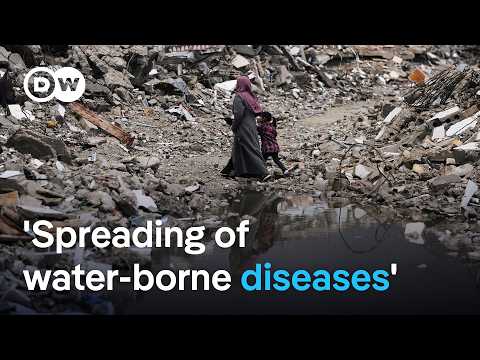
UNICEF: Babies reportedly dying amid adverse weather in Gaza | DW News
0
林宜悉 posted on 2025/12/26Discover the harsh realities faced by displaced families in Gaza as a winter storm brings devastating conditions, including flooded tents and open sewage. This DW News report from UNICEF highlights critical issues like waterborne diseases and aid access, offering a chance to learn advanced vocabulary related to humanitarian crises.
Learn this video on the APP!
The VoiceTube App has more in-depth practice for videos!